Side-by-Side IQ Profile: Herding Agility vs. Guarding Deliberation
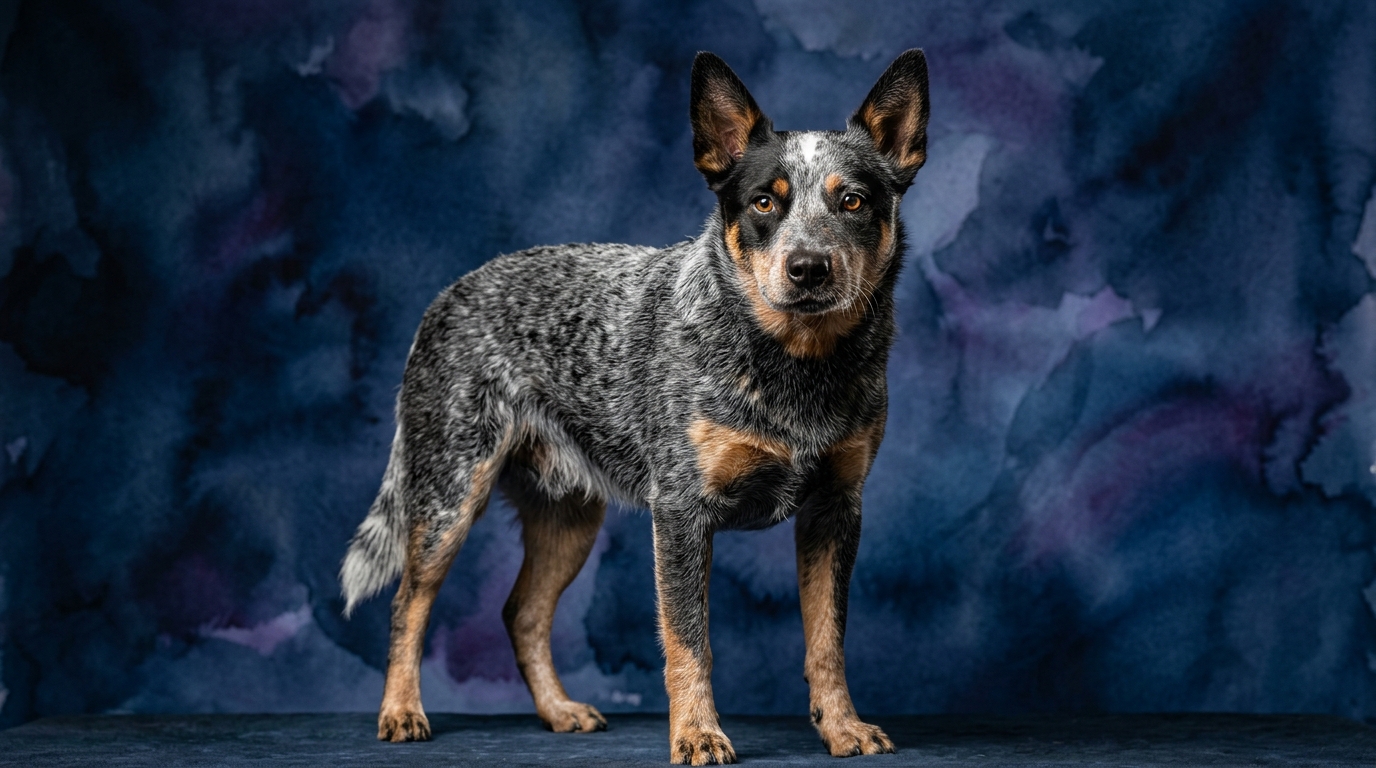
The Cosmic Pet Pet IQ Lab employs a comprehensive five-dimensional framework to assess canine intelligence, offering a nuanced view beyond simple obedience rankings. For the Australian Cattle Dog (ACD), a breed ranked #10 by Coren, its profile reflects a dynamic, action-oriented mind. Their Problem Solving is rated an exceptional 5/5, indicating an innate ability to independently navigate complex situations, devise strategies, and adapt quickly to novel challenges without constant human direction. Paired with a Training Speed of 5/5, ACDs absorb new commands and behaviors with remarkable rapidity, often requiring only a few repetitions to solidify learning. Their Social Intelligence scores 3/5, meaning they are capable of reading cues and forming bonds, though they might display a more reserved or independent demeanor, particularly with strangers. An Instinctive Drive of 5/5 underscores their powerful herding impulse, a deep-seated need to work and manage, which often translates into focused task engagement. Finally, their Memory is also a perfect 5/5, allowing them to retain vast amounts of information, from intricate routines to learned solutions, over extended periods.
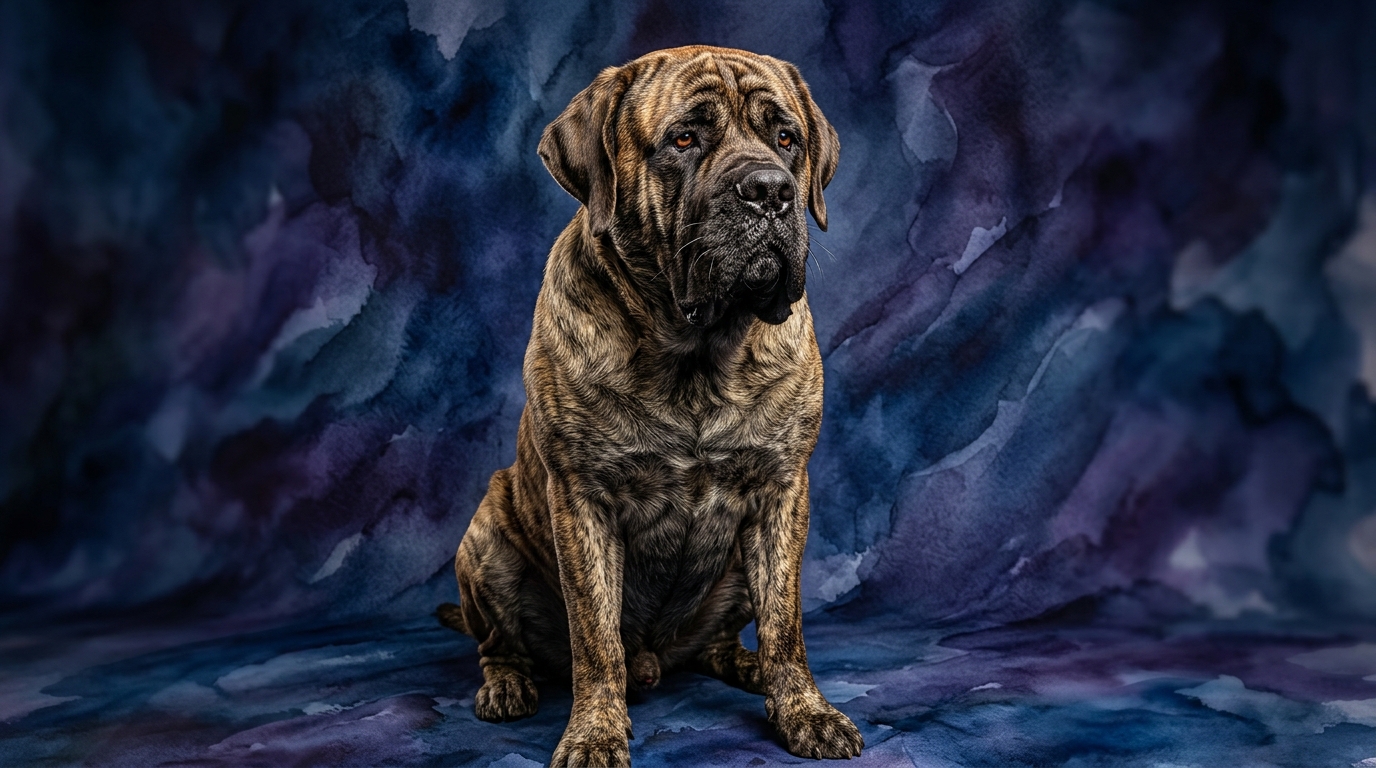
In contrast, the Mastiff, holding a Coren rank of #72, presents a cognitive profile built for steady guardianship rather than rapid, complex problem-solving. Their Problem Solving is rated 3/5, suggesting they can work through challenges but may take a more deliberate approach, often relying on learned patterns rather than spontaneous innovation. Their Training Speed also stands at 3/5, indicating they are certainly capable of learning, but require more patience, consistency, and repetition from their trainers to master new skills. The Mastiff’s Social Intelligence matches the ACD at 3/5; they are discerning and capable of deep family bonds, often exhibiting a calm, watchful presence and a good understanding of human emotional states, though they can be reserved or wary with those outside their immediate circle. Their Instinctive Drive is 3/5, reflecting a strong, yet less overtly active, guarding impulse focused on protection rather than constant physical exertion. Lastly, their Memory is rated 3/5, meaning they effectively recall commands, routines, and experiences, but perhaps with less granular detail or long-term recall for complex sequences compared to their herding counterparts.
Where the Australian Cattle Dog Shines Cognitively
The Australian Cattle Dog's cognitive strengths are deeply rooted in its herding heritage, manifesting as exceptional mental agility and proactive engagement. Their 5/5 problem-solving ability means they don't just follow instructions; they actively analyze situations, such as navigating a chaotic flock or finding a lost sheep, and formulate independent solutions. This isn't about simple obedience, but rather the capacity for strategic thinking under pressure, assessing variables, and making autonomous decisions. Coupled with their rapid training speed, ACDs excel at mastering complex multi-step commands and adapting those commands to new environments or variables, making them formidable competitors in dog sports like agility, obedience, and herding trials. Their perfect memory ensures that once a solution is learned or a command is understood, it is retained with remarkable permanence, allowing for building upon a vast repertoire of skills and experiences over their lifetime. This breed genuinely thrives on mental stimulation, demonstrating a profound internal drive to engage their sharp minds with purpose.
Where the Mastiff's Mind Excels
While not built for the same rapid-fire cognitive tasks as the ACD, the Mastiff's intelligence is uniquely suited to its role as a steadfast guardian and companion. Their cognitive strengths lie in their deliberate processing and contextual discernment. A Mastiff's 3/5 social intelligence is particularly effective in its home environment; they demonstrate a keen ability to read subtle shifts in family dynamics and human emotions, providing a comforting, stable presence. Their lower instinctive drive, compared to the ACD, allows for a calmer, more measured response to stimuli, rather than a reactive one. This translates into a thoughtful approach to their guarding duties, where discernment and a steady presence are paramount. They might not solve a puzzle box as quickly, but their strength lies in reliably assessing potential threats, remembering who belongs and who doesn't, and maintaining a consistent, reassuring presence. Their memory, while 3/5, is robust enough for recognizing familiar faces, routines, and the secure boundaries of their territory, which are crucial for their protective role and deep bonds with their family.
Ease of Training: A Tale of Two Temperaments
When considering ease of training, the Australian Cattle Dog distinctly outpaces the Mastiff, largely due to fundamental differences in their inherent drives and cognitive processing speed. The ACD’s 5/5 training speed and problem-solving mean they grasp new concepts with minimal repetition, often finding the process itself to be a rewarding mental exercise. Their powerful 5/5 instinctive drive translates into an eagerness to work and a natural inclination to seek direction and purpose, making them highly receptive to structured training. These dogs often enjoy learning new commands and tricks, viewing it as an engaging challenge rather than a chore, and their exceptional memory ensures that once learned, behaviors are rarely forgotten. However, this intensity also means ACDs require consistent mental engagement; without it, their problem-solving prowess might be directed towards less desirable behaviors, like inventing their own 'jobs' around the house.
Conversely, training a Mastiff requires a different approach, characterized by patience and positive reinforcement. Their 3/5 training speed means they will learn, but at a more leisurely pace, necessitating more repetitions and shorter, engaging sessions to maintain interest. Their 3/5 instinctive drive, while present for guarding, doesn't translate into the same inherent 'work ethic' seen in herding breeds; they may lack the frantic enthusiasm for repetitive drills. Mastiffs are sensitive and respond best to gentle, consistent guidance, thriving on positive reinforcement that makes training a pleasant experience. Forceful or harsh methods can lead to stubbornness or withdrawal. While they may not be as quick to pick up complex sequences, their memory is sufficient for retaining core commands and household rules, provided they are taught with clarity and consistency. The key with a Mastiff is understanding their desire for companionship and leveraging that bond in the training process, making it a shared activity rather than a demanding task.
Suitability for Active vs. Relaxed Owners
The choice between an Australian Cattle Dog and a Mastiff profoundly impacts an owner's lifestyle, aligning with vastly different activity levels. The Australian Cattle Dog is an ideal match for exceptionally active owners who can provide substantial physical exercise and, crucially, consistent mental stimulation. Owners who enjoy long hikes, running, dog sports like agility or flyball, or who have a 'job' for their dog (even if it's just advanced obedience or puzzle toys) will find the ACD to be an unparalleled partner. Their high instinctive drive and cognitive capacities demand a purposeful outlet; a bored ACD can quickly become a destructive or overly vocal one, using its problem-solving skills to create its own entertainment. They thrive in environments where they are challenged daily and included in their owner's dynamic routines.
In contrast, the Mastiff is better suited for owners who appreciate a more relaxed pace of life but are still committed to daily, moderate activity. While large, Mastiffs are not typically high-energy dogs that require hours of intense running. They benefit from regular, shorter walks and playtime in a secure yard, but are generally content to spend much of their day napping or observing from a comfortable spot near their family. Their lower instinctive drive means they don't possess the same urgent need for constant work or vigorous activity. They are wonderful companions for those seeking a calm, steadfast presence in the home, who value quiet companionship and a predictable routine. Owners must be prepared for the care of a very large dog, but their exercise requirements are manageable for a less intensely active household.
The Verdict
Choose an Australian Cattle Dog if you are a highly active owner seeking a truly engaged, intelligent partner for complex tasks, dog sports, or a working role, prepared to provide extensive mental and physical stimulation.
Opt for a Mastiff if you desire a calm, steadfast, and protective companion who thrives on routine, moderate exercise, and deep family bonds, offering a serene presence in a less intensely active household.
🧠 Find Your Pet's IQ Score
Our Pet IQ Lab assessment covers 25+ tests across 5 cognitive dimensions — personalized to your breed.
Take the Full IQ Test →Frequently Asked Questions
What are the key differences in problem-solving between these two breeds?
The Australian Cattle Dog excels with a 5/5 problem-solving rating, demonstrating a proactive ability to devise new strategies and adapt quickly to novel situations. The Mastiff, with a 3/5 rating, is more deliberate, often relying on learned patterns and requiring more time to process and respond to new challenges.
Are there significant training challenges unique to either breed?
The ACD's intensity and high instinctive drive mean they require consistent mental engagement; boredom can lead to destructive behaviors if not channeled appropriately. Mastiffs, while capable learners, require significant patience and positive reinforcement due to their slower training speed and potentially lower inherent motivation for repetitive tasks.
Which breed is generally better suited for first-time dog owners?
Neither breed is typically recommended for first-time owners without thorough research and commitment. However, the Mastiff's calmer demeanor and less demanding exercise needs might be slightly more manageable for an inexperienced owner prepared for a giant breed, compared to the ACD's intense mental and physical requirements.