Side-by-Side IQ Profile
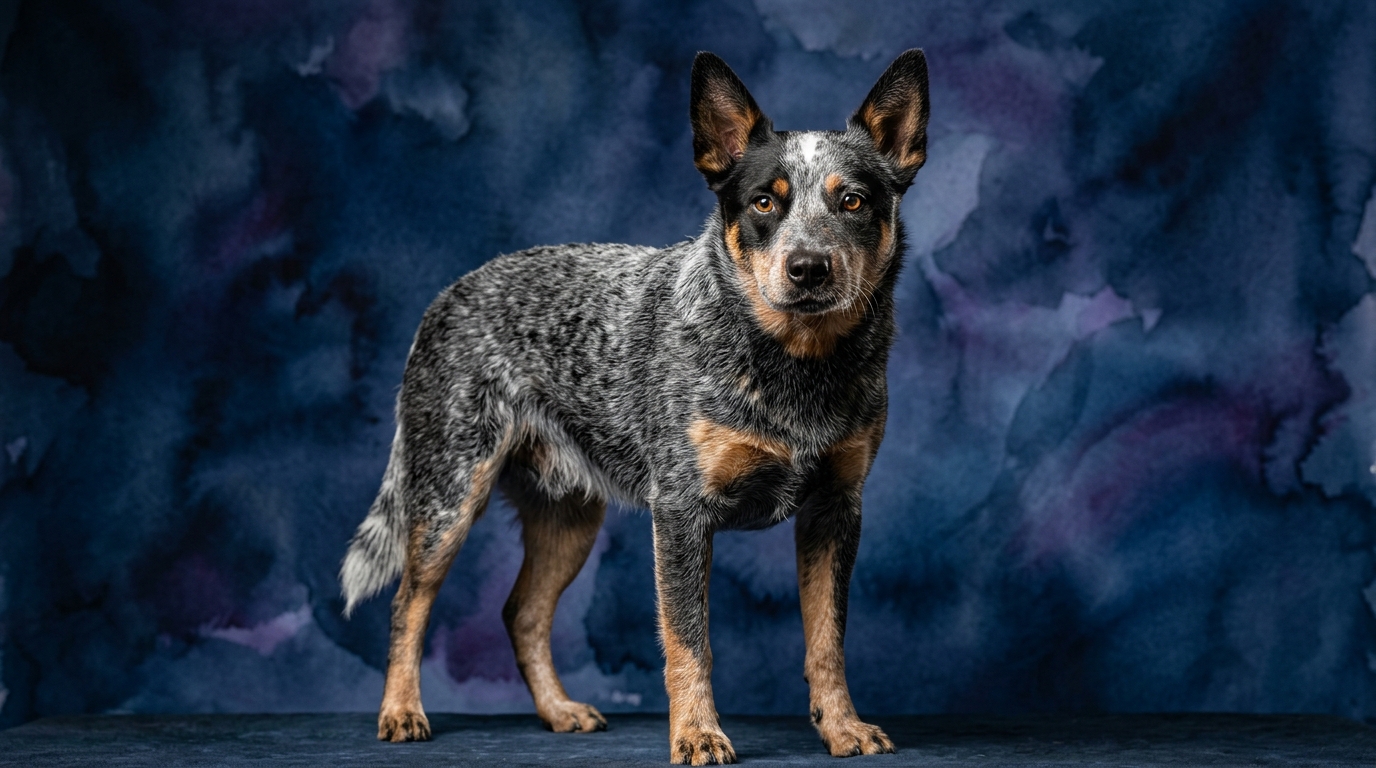
**Australian Cattle Dog (ACD): The Strategic Herder** The Australian Cattle Dog, a breed steeped in the demanding work of livestock management, consistently demonstrates a profound cognitive capacity reflected in its Coren rank of #10. Their Problem Solving score of 5/5 indicates an acute ability to navigate complex situations, whether outsmarting a stubborn steer or figuring out a novel puzzle toy. This breed's Training Speed also stands at a top-tier 5/5, meaning they grasp new commands and routines with remarkable swiftness, often requiring only a handful of repetitions before mastery.
However, their Social Intelligence, rated 3/5, suggests a more independent nature; while capable of understanding human cues, they might not always prioritize social cohesion over their inherent drives or tasks. Their Instinctive Drive is exceptionally high at 5/5, reflecting their strong genetic predisposition for herding, chasing, and vigilant observation. Coupled with a Memory score of 5/5, ACDs not only learn quickly but also retain that knowledge, making them formidable partners in any task requiring consistent application of learned skills.
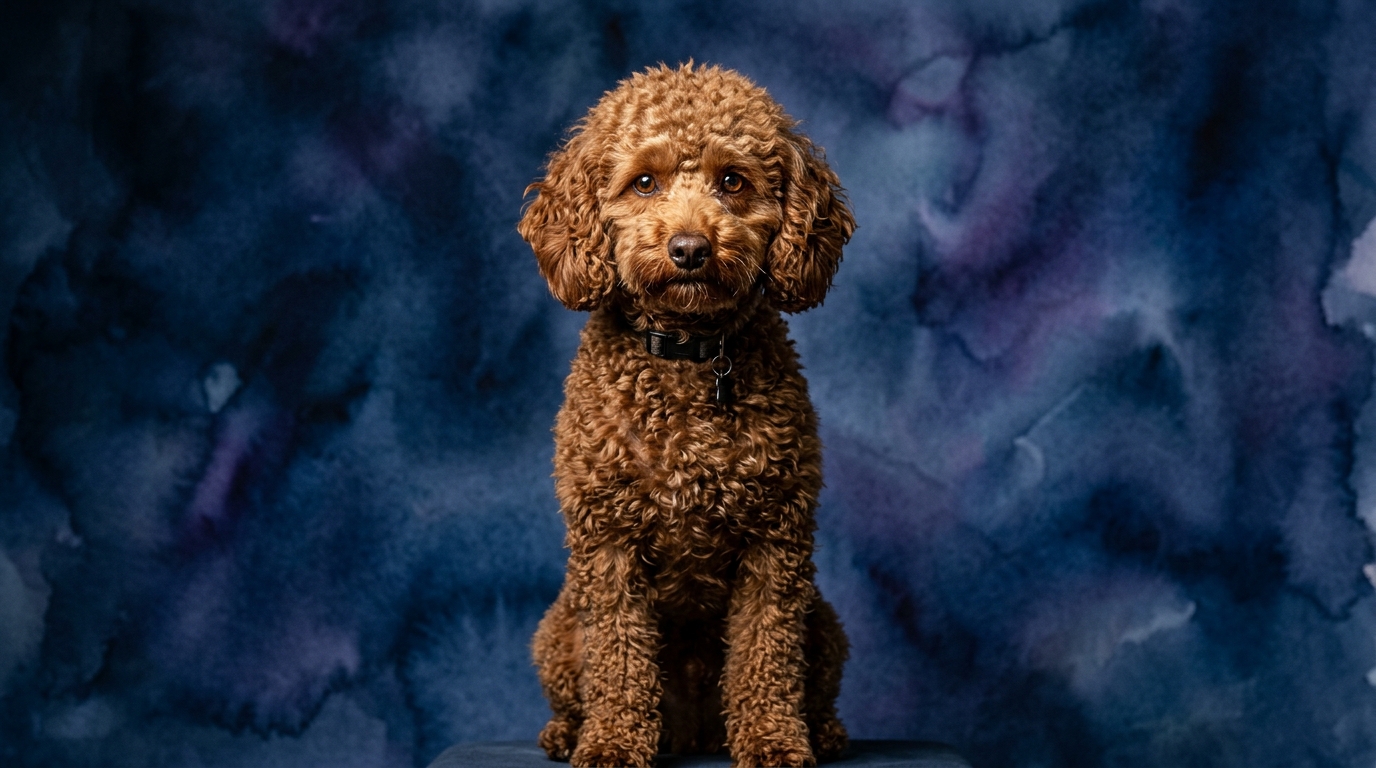
**Miniature Poodle: The Refined Retriever** The Miniature Poodle, often admired for its elegant appearance, holds an even higher Coren rank at #2, underscoring a profound working and obedience intelligence. Like the ACD, the Miniature Poodle achieves a perfect 5/5 in Problem Solving, showcasing an impressive capacity for analytical thought and adaptation to new challenges. Their Training Speed also matches the ACD at 5/5, indicating an equally rapid acquisition of new behaviors and commands.
Social Intelligence for the Miniature Poodle is 3/5, mirroring the ACD; they are perceptive to human emotions and intentions but possess a degree of self-reliance, not always seeking constant direction. Where the two breeds diverge most noticeably is in their Instinctive Drive, with the Miniature Poodle scoring 3/5. While they retain some of their ancestral retrieving instincts, this drive is generally less intense and less pervasive than in the ACD, making them potentially more adaptable to a wider range of pet roles. Their Memory, like the ACD, is a perfect 5/5, ensuring that once a lesson is learned, it is deeply embedded.
Where Australian Cattle Dog Wins Cognitively
The Australian Cattle Dog's standout cognitive advantage lies squarely in its unparalleled Instinctive Drive, rated 5/5 compared to the Miniature Poodle's 3/5. This isn't merely about a propensity to herd; it encompasses an intense focus, an innate understanding of spatial relationships, and a relentless drive to fulfill a purpose. While the Poodle’s instincts are present, the ACD’s are a foundational pillar of its entire cognitive architecture.
This deep-seated drive manifests as an extraordinary work ethic and a profound satisfaction derived from engaging in complex, goal-oriented tasks. For instance, an ACD might instinctively understand how to "block" a moving object or anticipate its trajectory with minimal training, a skill directly linked to its herding heritage. This fuels their exceptional stamina and resilience, allowing them to maintain cognitive engagement over extended periods, making them ideal for demanding canine sports or working roles where sustained mental effort is paramount.
Where Miniature Poodle Wins Cognitively
Despite both breeds scoring identically high in problem-solving, training speed, and memory, the Miniature Poodle's Coren rank of #2, significantly higher than the ACD's #10, points to a nuanced cognitive edge in general working and obedience intelligence. While the IQ Lab scores measure raw cognitive abilities, Coren's ranking often reflects a breed's consistent willingness and eagerness to apply those abilities in a human-directed context, particularly in formal obedience settings.
This suggests that while an ACD might learn a command just as quickly, a Miniature Poodle might exhibit a slightly greater inclination to perform it reliably and precisely, often with a more consistent focus on the handler. Their lower instinctive drive (3/5) compared to the ACD (5/5) means their inherent predispositions are less likely to compete with human instructions, making them potentially more pliable and less prone to independent decision-making when a task is assigned. This pliability, combined with their sharp intellect, contributes to their exceptional success in dog sports requiring precision and consistent execution, such as competitive obedience and agility.
Which is Easier to Train and Why
Both the Australian Cattle Dog and the Miniature Poodle boast an impressive Training Speed of 5/5, indicating they learn new commands rapidly. However, the *ease* of training can differ significantly due to their behavioral predispositions. The Miniature Poodle, with its lower Instinctive Drive (3/5) and slightly more handler-focused demeanor, often presents fewer challenges in channeling its intellect. Their natural desire to please and less intense independent working drive means they are generally more receptive to direction and less likely to be distracted by environmental stimuli that might trigger a strong instinctual response.
Conversely, while the ACD learns commands with equal speed, its formidable Instinctive Drive (5/5) and strong independent decision-making capacity can make training a more involved process. An ACD might quickly grasp "stay," but its inherent drive to patrol or "manage" its environment might prompt it to break the stay if it perceives a task needing attention. Training an ACD often requires not just teaching a command, but also redirecting or satisfying its deep-seated herding and working instincts.
For example, an ACD might find it more challenging to ignore a running child or bicycle, viewing them as objects to be "gathered," whereas a Miniature Poodle might more readily defer to handler instruction in similar situations. This means that while both learn quickly, the ACD demands a trainer who can consistently engage its working mind and provide appropriate outlets for its powerful drives to ensure consistent obedience.
Which Suits Active Owners vs. Relaxed Owners
The choice between an Australian Cattle Dog and a Miniature Poodle hinges significantly on an owner's lifestyle and their capacity to meet a breed's cognitive and physical demands. The Australian Cattle Dog is unequivocally suited for highly active owners who thrive on outdoor adventure and are prepared to engage their dog in daily, vigorous mental and physical activities. Their 5/5 Instinctive Drive and need for constant mental stimulation mean they excel in roles like hiking companions, participants in dog sports such as agility, flyball, or herding trials, or even as working partners on a farm.
A relaxed owner who cannot provide consistent engagement for an ACD will likely encounter behavioral issues stemming from boredom and unfulfilled drives, such as destructive chewing or excessive barking. Such a mismatch can lead to frustration for both dog and owner, highlighting the critical need for a compatible lifestyle.
The Miniature Poodle, while also possessing a 5/5 in Problem Solving and Training Speed, is far more adaptable to a broader spectrum of activity levels, making them suitable for active owners but also surprisingly compatible with more moderately active or even somewhat relaxed owners, provided their cognitive needs are met. While they enjoy and excel in dog sports like agility and obedience, their lower Instinctive Drive (3/5) means they are generally content with regular walks, interactive play, and puzzle toys, rather than demanding an all-consuming "job." A Miniature Poodle can thrive in an apartment with sufficient mental enrichment and daily exercise, whereas an ACD would likely become frustrated. Their adaptability allows them to be wonderful companions for individuals who appreciate an engaged dog but might not possess the lifestyle for a constant high-octane partner.
The Verdict
You are an experienced, highly active individual or family seeking a relentless working partner who thrives on complex tasks, extensive physical activity, and consistent mental challenges.
You desire a sharp, adaptable companion capable of excelling in various activities, fitting into a moderately active lifestyle, and offering a slightly more pliable temperament.
🧠 Find Your Pet's IQ Score
Our Pet IQ Lab assessment covers 25+ tests across 5 cognitive dimensions — personalized to your breed.
Take the Full IQ Test →Frequently Asked Questions
Do Australian Cattle Dogs and Miniature Poodles have similar problem-solving abilities?
Yes, both breeds score a perfect 5/5 in Problem Solving according to The Cosmic Pet's IQ Lab, indicating an exceptional capacity to analyze and resolve novel situations. This means both can quickly figure out complex puzzles or navigate new environments effectively.
Which breed is more prone to independent thinking, the ACD or Miniature Poodle?
The Australian Cattle Dog, with its 5/5 Instinctive Drive, is generally more prone to independent thinking and decision-making, especially when it perceives a task that aligns with its herding instincts. The Miniature Poodle, while intelligent, tends to be more handler-focused due to a lower instinctive drive.
Are Miniature Poodles truly as "smart" as working breeds like the Australian Cattle Dog?
In terms of raw cognitive abilities like problem-solving, training speed, and memory, they are indeed comparable, both scoring 5/5 in these areas. The Miniature Poodle's higher Coren rank suggests a superior consistency and willingness to apply its intelligence in human-directed obedience contexts.