A Cognitive Snapshot: Australian Cattle Dog vs. Miniature Schnauzer
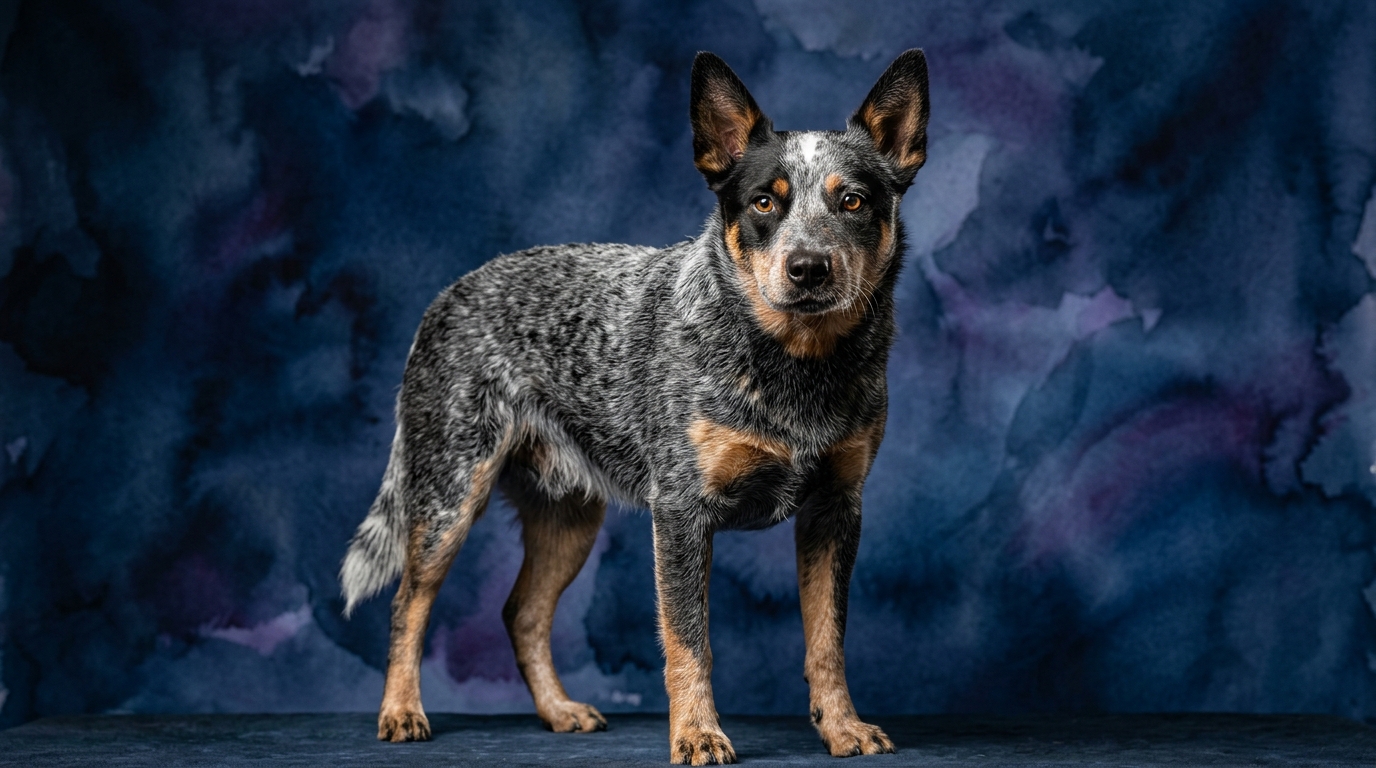
The Australian Cattle Dog, ranking at Coren #10, presents a formidable cognitive profile. Their Problem Solving is rated 5/5, reflecting an exceptional capacity for strategic thought, anticipating movements, and navigating complex environmental challenges, a direct inheritance from their demanding herding duties. Training Speed also stands at 5/5, indicating a rapid acquisition of new commands and routines, often requiring very few repetitions before mastery. However, their Social Intelligence is a discerning 3/5; they typically form deep bonds with their inner circle but can be reserved or indifferent towards strangers, prioritizing their work over broad social engagement. An Instinctive Drive of 5/5 underscores their powerful genetic predisposition for purposeful activity, whether herding livestock or engaging in demanding dog sports. Finally, their Memory is a perfect 5/5, enabling them to retain intricate sequences, spatial layouts, and learned experiences over extended periods, making them highly reliable in repetitive tasks.
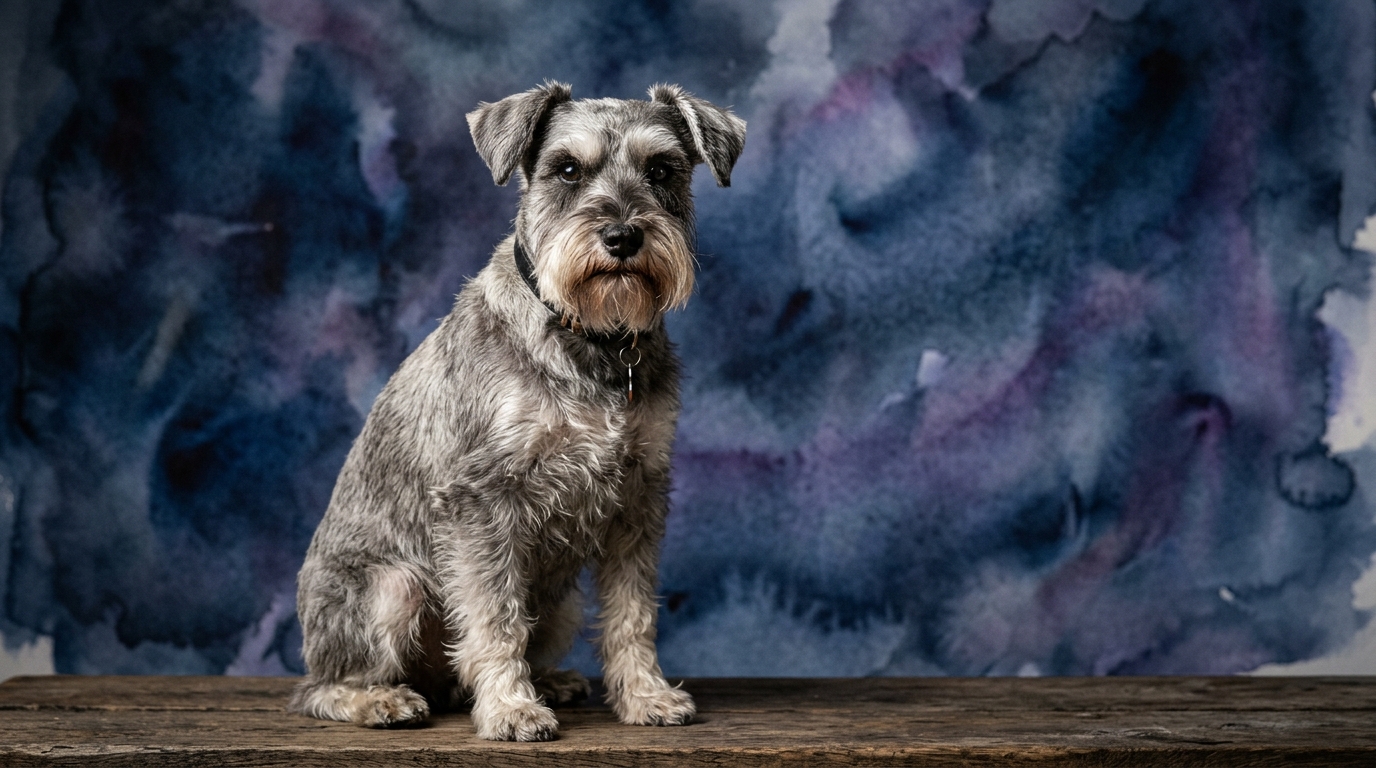
The Miniature Schnauzer, closely following at Coren #12, offers a different yet equally compelling intellectual makeup. Their Problem Solving is rated 4/5, signifying a clever and adaptable mind capable of figuring out puzzles and navigating everyday obstacles with ingenuity, though perhaps less inclined towards the large-scale strategic thinking of a herding breed. Their Training Speed matches the ACD at 5/5, demonstrating an eagerness and quickness in learning new commands, often driven by a desire to please their handler. Social Intelligence for the Miniature Schnauzer is 4/5, indicating a generally outgoing and adaptable nature, typically friendly with a wider range of people and pets, making them suitable companions in varied social settings. An Instinctive Drive of 4/5 reflects their terrier tenacity and ingrained prey drive for vermin control, providing a strong motivation for focused tasks but less of the expansive, dynamic drive seen in herding breeds. Their Memory is rated 4/5, meaning they reliably remember commands, routines, and past interactions, ensuring consistent behavior and recall in most situations.
Cognitive Prowess: The Australian Cattle Dog's Edge
The Australian Cattle Dog truly shines in areas demanding profound strategic thinking and unwavering purpose. Their 5/5 Problem Solving isn't just about figuring out a treat puzzle; it's about evaluating a dynamic situation, like separating specific animals from a herd, or navigating an intricate agility course with minimal handler input. This breed excels at tasks requiring independent thought and the ability to adapt a learned strategy to changing conditions. They don't just follow instructions; they interpret the situation and make informed decisions, a critical skill for their original working role.
Furthermore, their 5/5 Instinctive Drive provides an unparalleled engine for sustained effort and focus. This isn't merely enthusiasm; it's a deep-seated need to work, to have a job, and to channel their energy into productive tasks. This drive, combined with their perfect 5/5 Memory, allows them to master and retain complex routines, multi-step commands, and intricate patterns of behavior over a lifetime. An ACD will remember a challenging training sequence from months ago and execute it flawlessly, making them exceptional candidates for advanced obedience, tracking, or competitive herding events where long-term retention and application of knowledge are paramount.
The Miniature Schnauzer's Distinct Cognitive Strengths
While the Australian Cattle Dog excels in highly specialized, task-oriented intelligence, the Miniature Schnauzer's cognitive strengths lie in their adaptability and social acumen. Their 4/5 Social Intelligence gives them a distinct advantage in navigating diverse human and animal environments. Unlike the more reserved ACD, a Miniature Schnauzer is often quicker to accept new people and situations, making them more versatile companions for owners who frequently host guests, travel, or participate in group activities. This social flexibility translates into a dog that can integrate smoothly into various family dynamics and public settings with less initial apprehension.
Their 4/5 Problem Solving, while not as overtly strategic as a herding breed, manifests as clever resourcefulness in their immediate surroundings. They are adept at figuring out how to get to a desired toy, open a cabinet, or find a dropped item, often using their keen senses and persistent terrier wit. Coupled with their 4/5 Instinctive Drive, which is geared towards focused, persistent hunting of small prey, they demonstrate impressive determination in tasks like scent work or barn hunt. This drive, though different from a herding dog's, allows them to sustain concentration on specific objectives, making them formidable competitors in terrier-appropriate sports and engaging companions for interactive games.
Training Trajectories: Ease and Challenges
Both breeds boast an impressive 5/5 Training Speed, meaning they grasp new concepts and commands with remarkable swiftness. However, 'easy to train' encompasses more than just speed of acquisition; it also involves consistency, motivation, and managing inherent breed traits. The Australian Cattle Dog learns incredibly fast, but their high problem-solving capacity and powerful instinctive drive mean they require a trainer who can consistently provide challenging, engaging work. If an ACD becomes bored or perceives a lack of clear direction, their intelligence can be channeled into independent, sometimes undesirable, decision-making, such as self-appointed 'herding' of family members or destructive behaviors. Their stubbornness often stems from a lack of mental engagement or a challenge to perceived authority, rather than a lack of understanding.
The Miniature Schnauzer also learns commands quickly, often with a strong desire to please, making initial training sessions quite rewarding. Their 4/5 Social Intelligence can make them more amenable to varied training environments and different instructors, adapting well to group classes or new routines. While they possess a terrier's tenacity (4/5 Instinctive Drive), which can manifest as stubbornness if not properly motivated, it is often less about challenging the handler's authority and more about single-minded focus on a particular scent or objective. Their problem-solving skills are often applied to finding easier ways to get what they want, which can be managed with consistent, positive reinforcement and clear boundaries. For many owners, the Miniature Schnauzer's generally more adaptable social nature and slightly less demanding drive make them feel 'easier' to train in a broader range of contexts compared to the intensely focused ACD.
Matching Lifestyles: Active vs. Relaxed Owners
For owners seeking an intensely active and engaged canine partner, the Australian Cattle Dog is an ideal match. Their 5/5 Instinctive Drive and 5/5 Problem Solving demand a lifestyle that provides consistent mental and physical stimulation. These dogs thrive when they have a 'job' – whether it's competitive dog sports like agility, herding, flyball, or demanding hiking and running companions. An ACD requires multiple hours of vigorous exercise and complex mental challenges daily to prevent boredom and frustration, which can manifest as destructive behaviors or excessive 'herding' of people and pets. A relaxed owner who cannot commit to this level of engagement will quickly find themselves overwhelmed by an understimulated ACD.
The Miniature Schnauzer, while certainly energetic and playful, is generally a better fit for owners with a more relaxed, yet still active, lifestyle. Their moderate 4/5 Instinctive Drive means they enjoy regular walks, playtime in the yard, and engaging indoor games, but typically do not require the same intensity or duration of activity as an ACD. They are often content to curl up on the couch after a good walk, making them more adaptable to apartment living or less demanding schedules. Their 4/5 Social Intelligence also makes them more comfortable adapting to different household routines and less prone to anxiety if their owners have varying daily commitments, making them a more forgiving choice for those who might not consistently maintain an extremely high-energy routine.
The Verdict
Choose the Australian Cattle Dog if you are an experienced, active owner seeking a highly driven, strategic partner for demanding dog sports, working roles, or an intensely engaged outdoor lifestyle, ready to provide consistent mental and physical challenges daily.
Opt for the Miniature Schnauzer if you desire a clever, sociable, and adaptable companion who enjoys activity but is also content with a more moderate routine, fitting well into varied family dynamics and offering a balance of playful energy and affectionate companionship.
🧠 Find Your Pet's IQ Score
Our Pet IQ Lab assessment covers 25+ tests across 5 cognitive dimensions — personalized to your breed.
Take the Full IQ Test →Frequently Asked Questions
Can a Miniature Schnauzer participate in herding activities?
While Miniature Schnauzers possess a strong instinctive drive and can learn quickly, their terrier heritage means their drive is not typically geared towards herding livestock. They excel in activities like barn hunt, earthdog trials, or scent work, which align more closely with their natural vermin-hunting instincts.
Are Australian Cattle Dogs suitable for families with young children?
Australian Cattle Dogs can be devoted family members, but their strong herding instinct (5/5 instinctive drive) may lead them to 'herd' children by nipping at heels, which requires careful management and training. Their discerning social intelligence (3/5) means they might not be as outwardly tolerant of boisterous young children or strangers as other breeds, necessitating supervised interactions and early socialization.
What kind of mental stimulation is essential for each breed?
The Australian Cattle Dog thrives on complex problem-solving tasks, advanced obedience, agility, or actual herding work, requiring hours of engaging mental and physical challenges daily. The Miniature Schnauzer benefits from puzzle toys, scent games, trick training, and regular interactive play, needing consistent mental engagement but typically less intense and prolonged than an ACD.