Side-by-Side Cognitive Profiles: The Cosmic Pet Pet IQ Lab Analysis
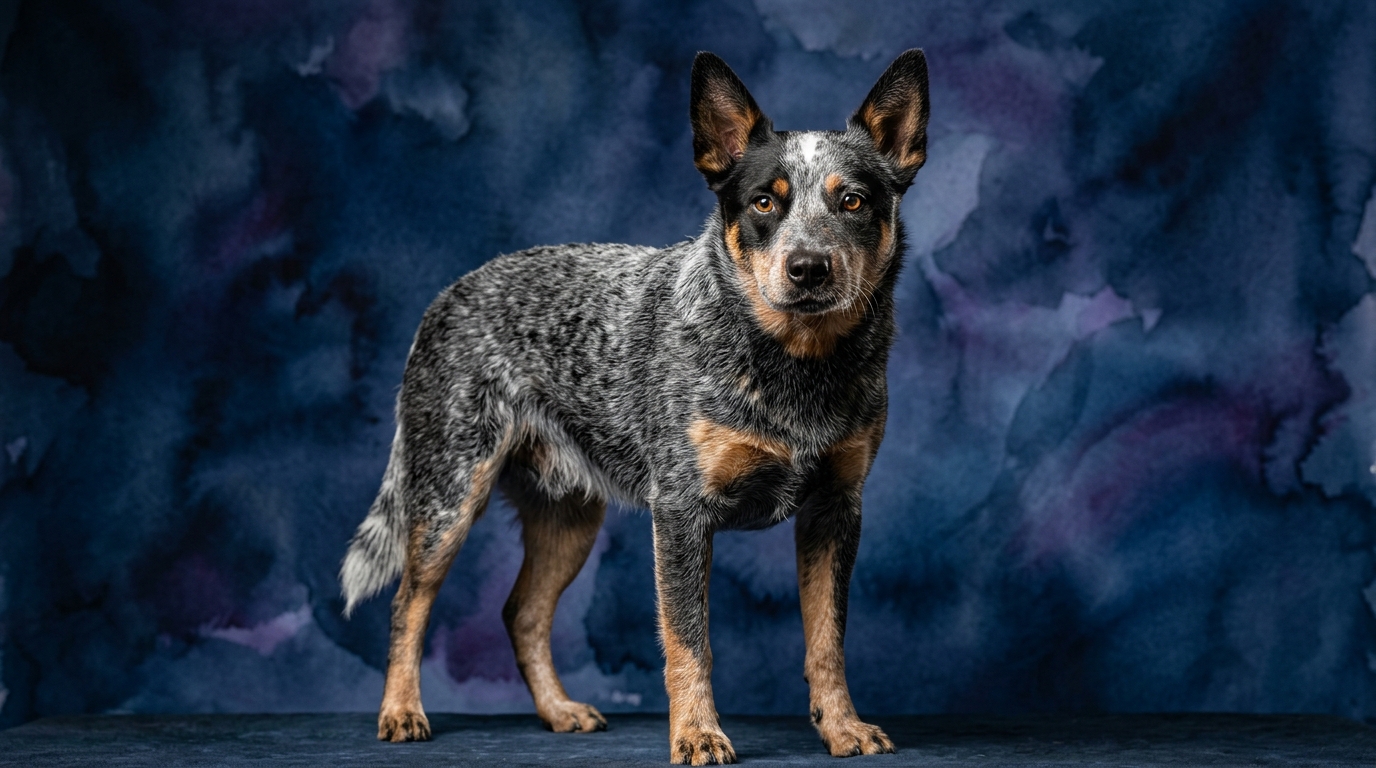
To understand the specific cognitive strengths of the Australian Cattle Dog (ACD) and the Old English Sheepdog (OES), we turn to The Cosmic Pet Pet IQ Lab's detailed metrics, which go beyond simple rankings to illuminate the nuances of canine thought. The ACD, holding a Coren rank of #10, demonstrates a cognitive profile optimized for intense, strategic work. Their Problem Solving is rated an exceptional 5/5, indicating an innate capacity for complex reasoning, strategic planning, and adapting to novel situations with minimal guidance. This breed doesn't just react; it anticipates and strategizes. Training Speed also earns a 5/5, meaning ACDs grasp new commands and routines with remarkable rapidity, often requiring only a handful of repetitions to solidify a behavior. Their Social Intelligence scores 3/5, suggesting a deep connection to their primary handler and task, but potentially a more reserved or focused approach to broader social cues or interactions with strangers. The ACD's Instinctive Drive is a powerful 5/5, reflecting an unwavering, intense motivation to herd, control, and work, often manifesting as a tireless pursuit of purpose. Finally, their Memory is a stellar 5/5, allowing them to retain intricate sequences of commands, past experiences, and learned behaviors over long periods, making them incredibly reliable partners.
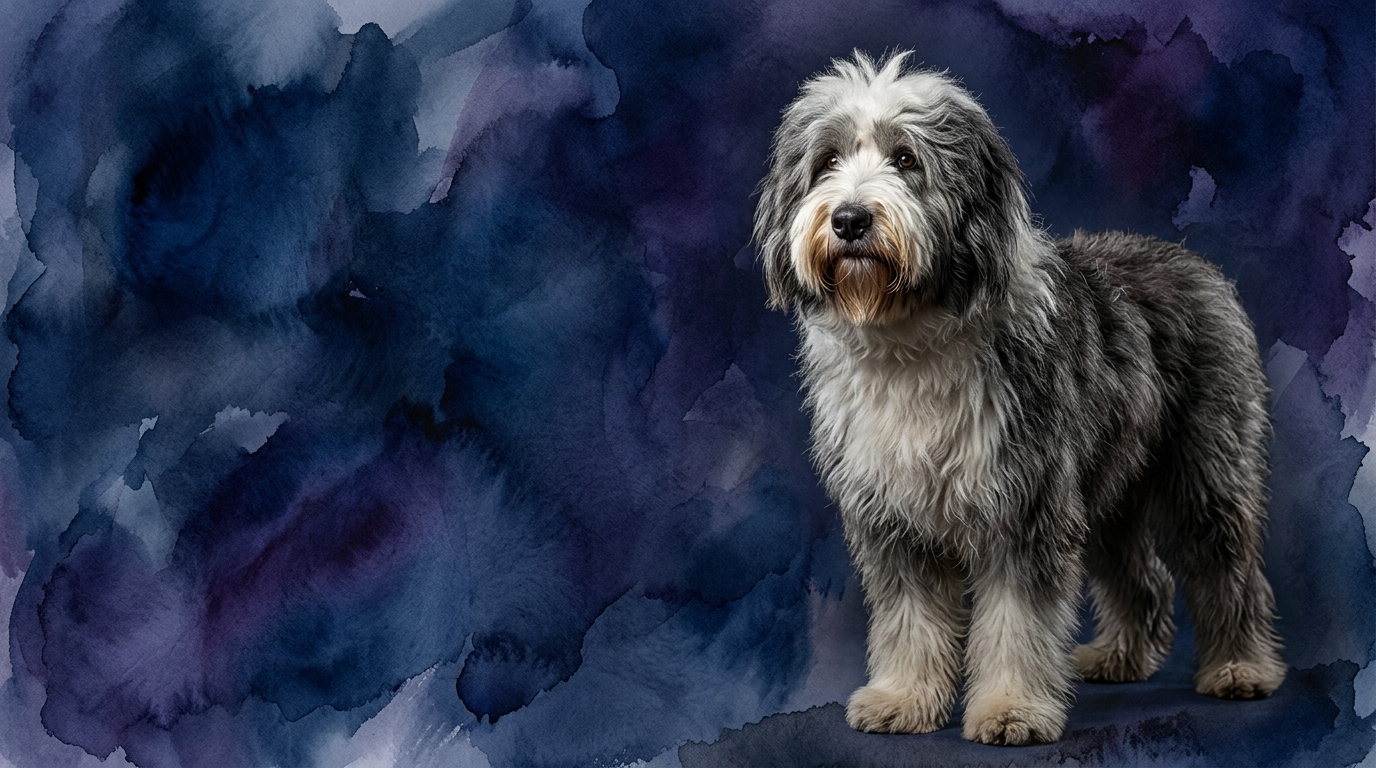
In contrast, the Old English Sheepdog (OES), with a Coren rank of #44, presents a cognitive profile geared towards a more steady, guardian-oriented role, albeit still within the herding group. Their Problem Solving is rated 3/5, indicating a solid ability to navigate challenges, though perhaps with a more methodical, trial-and-error approach compared to the ACD's rapid strategic insights. While capable, they may require more time to process and resolve complex novel tasks. Their Training Speed also scores 3/5, meaning OES learn commands effectively, but typically require more repetitions and consistent reinforcement than the faster-paced ACD. They are willing learners, but not necessarily lightning-fast. Like the ACD, their Social Intelligence is rated 3/5; OES are generally amiable and devoted to their families, displaying good social awareness within their established circle, but not necessarily exhibiting a highly analytical approach to subtle human emotions or complex group dynamics. The OES's Instinctive Drive is a moderate 3/5, reflecting a herding instinct that is present but less intense and less prone to obsessive control than the ACD's, often manifesting as a watchful, protective presence rather than a constant need to manage movement. Their Memory earns a respectable 4/5, demonstrating good retention of learned behaviors, routines, and familiar faces, ensuring they remember their training and their people reliably.
Where the Australian Cattle Dog Excels Cognitively
The Australian Cattle Dog's cognitive strengths lie in its unparalleled efficiency and intensity, purpose-built for demanding work. Their 5/5 Problem Solving isn't just about figuring things out; it's about anticipating, strategizing, and executing solutions with precision, whether it's navigating complex agility courses or outsmarting livestock. This strategic thinking allows them to excel in dynamic environments where quick, independent decisions are paramount. Coupled with a 5/5 Training Speed, they absorb new information like sponges, making them incredibly adaptable to diverse tasks and rapidly acquiring new skills, from intricate obedience routines to specialized search-and-rescue protocols. This means fewer repetitions are needed for a command to become ingrained, leading to faster progress in any training endeavor. The ACD's 5/5 Instinctive Drive fuels this learning, providing an internal motivation to engage and work, turning training into a deeply satisfying activity for them. Their memory, also a 5/5, ensures that these rapidly learned skills and complex problem-solving strategies are retained with exceptional fidelity, allowing them to consistently perform intricate tasks over extended periods without needing frequent refreshers. This combination creates a dog that is not just quick to learn, but deeply understands and remembers its role, making them exceptionally reliable in high-stakes situations.
Where the Old English Sheepdog Shines Cognitively
While the Old English Sheepdog's cognitive scores may not reach the peak intensity of the ACD, their strengths lie in a different kind of cognitive suitability, particularly for a more companion-oriented lifestyle. The OES's 3/5 Instinctive Drive, in contrast to the ACD's 5/5, can be a distinct advantage for owners not seeking a dog with an overwhelming need to herd or control every movement in their environment. This moderate drive translates to a calmer disposition and a reduced likelihood of engaging in intense herding behaviors towards children, other pets, or even cars, making them generally more adaptable to a typical family setting without constant redirection. Their 3/5 Problem Solving and 3/5 Training Speed, while not indicating lightning-fast acquisition, ensure they are perfectly capable of learning household manners, basic obedience, and enjoying enrichment activities at a steady, manageable pace. This means they are less likely to become bored or destructive if not constantly challenged with complex puzzles, allowing for a more relaxed daily routine. The OES's 4/5 Memory is robust enough to ensure consistency in their learned behaviors and a strong recall of their human family and routines, fostering a stable and predictable home environment. Their affable nature, combined with their moderate drives, means they are well-suited to being a steadfast, watchful, and agreeable family member who is content with less frenetic mental engagement.
Training Ease: A Tale of Two Temperaments
When it comes to ease of training, the Australian Cattle Dog generally presents a swifter learning curve due to their exceptional 5/5 Training Speed, 5/5 Problem Solving, and 5/5 Memory. They thrive on challenge and quickly grasp new concepts, often requiring only a few repetitions to master a command. Their high Instinctive Drive (5/5) means they are inherently motivated to work and please, viewing training as a fulfilling outlet for their energy and intellect. This makes them highly receptive to advanced obedience, agility, and other dog sports, where their ability to learn complex sequences rapidly is a significant advantage. However, this same drive means they require consistent, engaging training from an early age to channel their energy productively and prevent them from 'self-employing' in undesirable ways, such as herding children or chasing vehicles. Their intense focus can also be a double-edged sword; they need a handler who can match their mental intensity and provide clear, consistent leadership.
The Old English Sheepdog, with its 3/5 Training Speed and 3/5 Problem Solving, requires a more patient and consistent approach. They are not slow learners, but they are more deliberate and may need more repetitions to fully internalize commands. Their moderate Instinctive Drive (3/5) means they might not always possess the same fervent desire for a 'job' that an ACD does, so motivation through positive reinforcement, play, and tasty rewards is crucial. While they are generally good-natured and eager to please their family, their independent streak means that training sessions need to be kept engaging and positive to maintain their attention. They respond best to a gentle, encouraging hand rather than harsh corrections. Early socialization and consistent basic obedience are vital to manage their large size and ensure they develop into well-mannered companions, preventing potential stubbornness from becoming an issue.
Matching Canine Companions to Owner Lifestyles
The choice between an Australian Cattle Dog and an Old English Sheepdog often hinges on an owner's lifestyle and their capacity to meet a dog's specific needs. For active owners, particularly those who enjoy outdoor adventures, dog sports, or have a specific working role in mind, the Australian Cattle Dog is an ideal match. Their boundless energy, combined with their 5/5 Instinctive Drive and exceptional cognitive abilities, means they require significant daily physical exercise – think long runs, challenging hikes, or intense play sessions – alongside substantial mental stimulation in the form of training, puzzle toys, and engaging activities. Owners who can dedicate time to agility, flyball, obedience trials, or even actual herding will find the ACD to be an unparalleled partner. They thrive when given a purpose and can become restless or destructive if their physical and mental needs are not consistently met. This breed is best suited for experienced dog owners who understand the demands of a high-drive working dog.
Conversely, the Old English Sheepdog is often a better fit for moderately active or relaxed owners who can provide regular, but less intense, exercise and appreciate a steady, amiable presence. While they certainly enjoy daily walks, playtime in a securely fenced yard, and being an integral part of family activities, their exercise requirements are not as demanding as an ACD's. Their moderate Instinctive Drive means they are less likely to constantly seek out high-octane challenges or attempt to 'herd' everything in sight, making them more adaptable to a quieter home environment. They are content with a good daily stroll and regular interaction, rather than needing constant, high-level engagement. Owners who are prepared for significant grooming demands, but desire a large, affectionate, and relatively calm companion will find the OES to be a rewarding choice, offering a relaxed charm that complements a less frenetic pace of life.
The Verdict: When to Choose Each Herding Companion
The Verdict
Choose an Australian Cattle Dog if you are an experienced, active owner seeking a highly driven, intensely trainable partner for demanding sports, work, or a life filled with rigorous mental and physical challenges.
Opt for an Old English Sheepdog if you desire a large, gentle, and affectionate family companion with moderate exercise needs, and you are prepared for consistent, patient training and significant grooming commitments.
🧠 Find Your Pet's IQ Score
Our Pet IQ Lab assessment covers 25+ tests across 5 cognitive dimensions — personalized to your breed.
Take the Full IQ Test →Frequently Asked Questions
Do Australian Cattle Dogs make good family pets?
Yes, with proper socialization, early training, and sufficient mental and physical exercise, Australian Cattle Dogs are fiercely loyal and protective family members. However, their strong herding instincts mean careful supervision and guidance are necessary around young children or other pets to prevent nipping at heels.
Are Old English Sheepdogs prone to any particular behavioral issues?
While generally good-natured, their large size and potential for stubbornness mean early and consistent training is crucial to ensure they are well-mannered. They can also exhibit guardian tendencies, so proper socialization helps them distinguish between welcome guests and potential threats.
How do the grooming needs of these two breeds compare?
Australian Cattle Dogs have a short, dense double coat that requires minimal grooming, typically weekly brushing to manage shedding. In stark contrast, Old English Sheepdogs possess a voluminous, shaggy double coat that demands extensive daily or every-other-day brushing to prevent painful mats and tangles, often requiring professional grooming every few months.