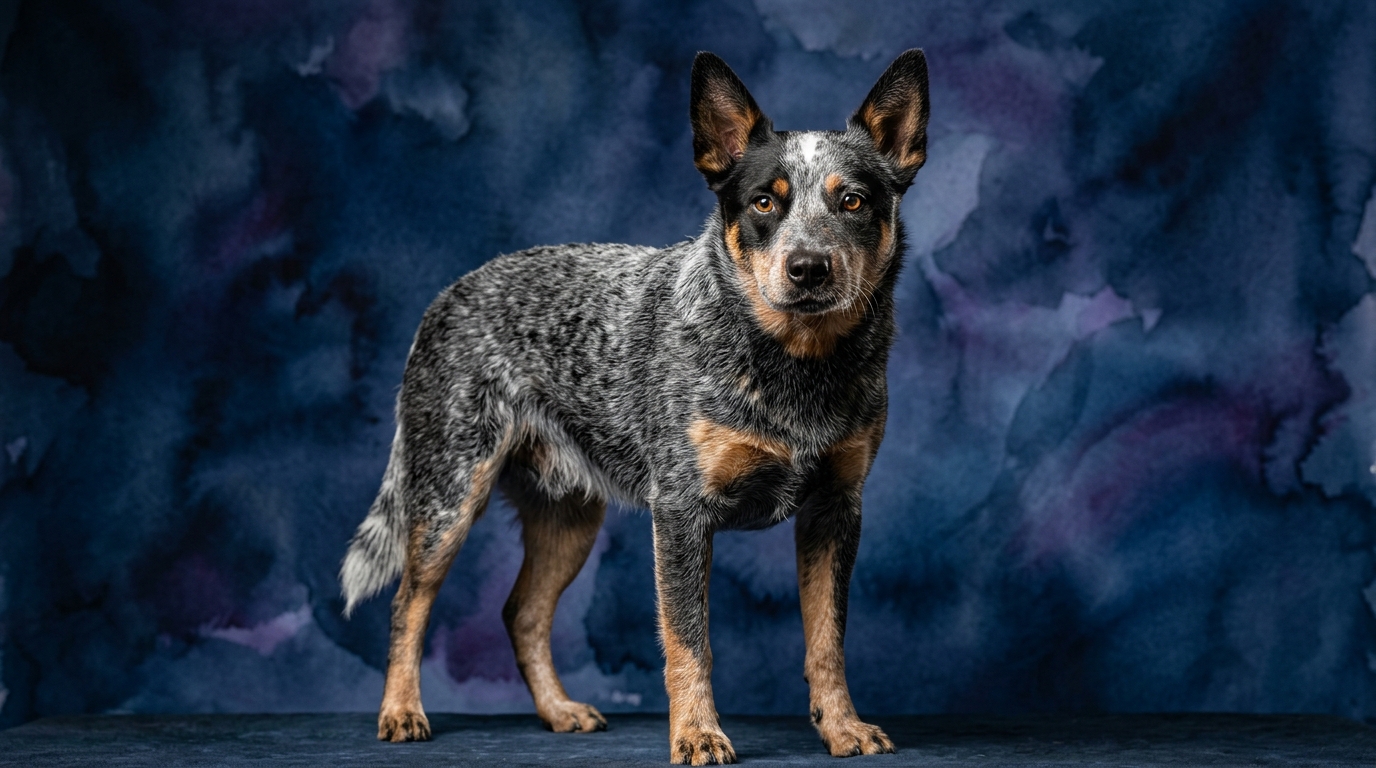
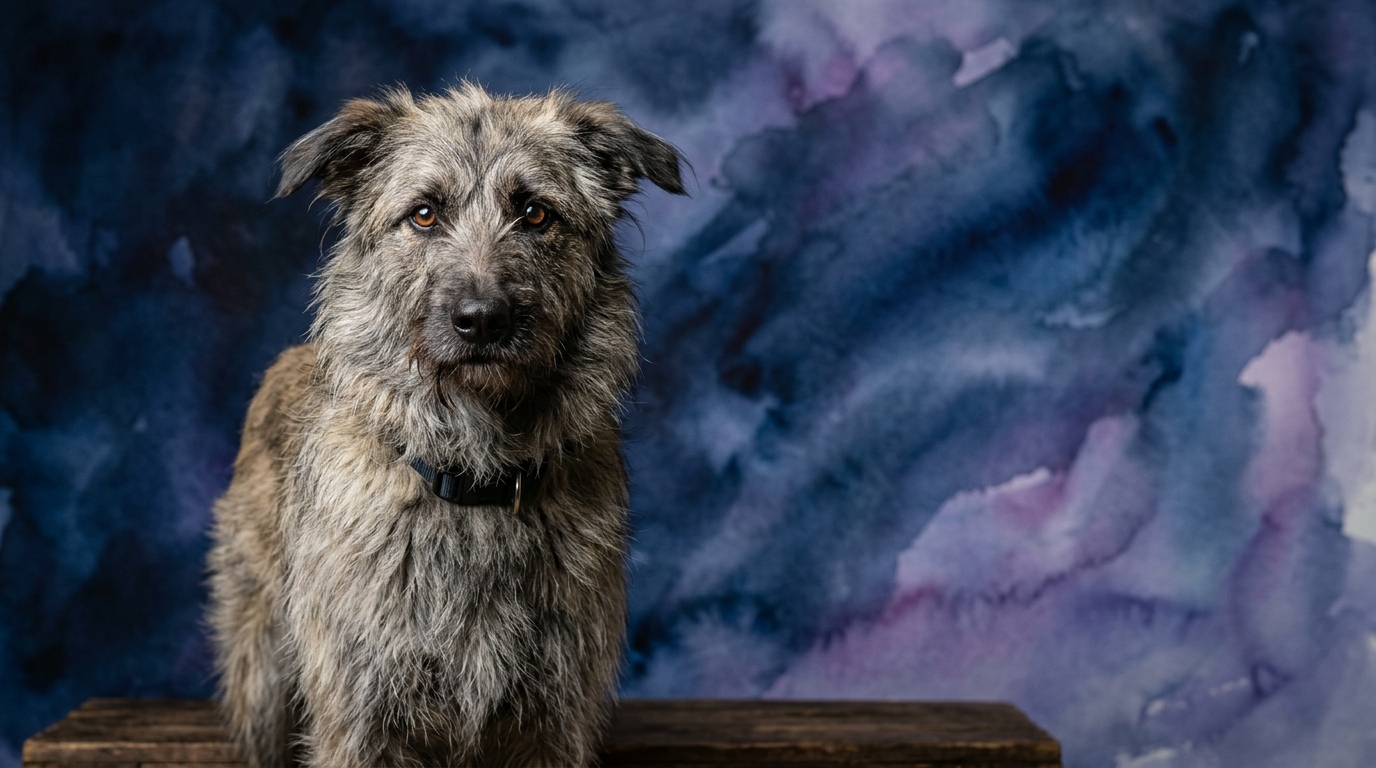
Side-by-Side IQ Profile: Australian Cattle Dog vs. Pyrenean Shepherd
The Australian Cattle Dog (ACD) exhibits an impressive cognitive blueprint: Problem Solving 5/5, Training Speed 5/5, Social Intelligence 3/5, Instinctive Drive 5/5, and Memory 5/5. These dogs possess exceptional cognitive flexibility, quickly analyzing complex situations and devising effective solutions. Their rapid learning curve means they pick up new commands and routines with impressive swiftness, often anticipating owner cues. While their social intelligence rates as moderate, indicating a focus more on task than nuanced human emotional states, their powerful instinctive drive makes them tireless workers. A perfect memory solidifies learned behaviors and spatial awareness, making them highly reliable.
The Pyrenean Shepherd (PS), while capable, demonstrates a more moderate cognitive profile across the board: Problem Solving 3/5, Training Speed 3/5, Social Intelligence 3/5, Instinctive Drive 3/5, and Memory 3/5. Their problem-solving involves practical, rather than abstract, solutions, often relying on learned patterns over novel approaches. Training requires more repetition and patience, as new concepts are absorbed steadily but not instantaneously. Social intelligence is on par with the ACD, suggesting a practical rather than deeply empathetic connection. Their instinctive drive is sufficient for their herding tasks, but less intense than the ACD's, and their memory, while functional, doesn't retain information with the same indelible clarity.
Where the Australian Cattle Dog Wins Cognitively
The Australian Cattle Dog's cognitive advantages are pronounced in areas demanding rapid assimilation and application of information. Their 5/5 rating in Problem Solving reflects an innate capacity to navigate dynamic environments, whether it’s outsmarting a stubborn herd animal or figuring out how to open a complex latch. This isn't just about following commands; it's about independent thought and strategic planning, enabling them to adapt to novel challenges.
Paired with a 5/5 Training Speed, ACDs are quick studies, absorbing new tasks, sequences, and rules with minimal repetition. They possess a remarkable ability to generalize learned behaviors, applying solutions from one context to another, which makes them highly adaptable across various disciplines. Furthermore, their 5/5 Memory ensures that once a lesson is learned or a boundary established, it's rarely forgotten, contributing to their exceptional reliability and consistency in performance. This combination of cognitive prowess makes them adept at advanced obedience, agility, and complex working roles where precision and quick thinking are paramount.
Where the Pyrenean Shepherd Wins Cognitively
While the Pyrenean Shepherd’s scores are generally more moderate, their cognitive strengths lie in a different kind of operational efficiency, particularly suited to their traditional role. Their 3/5 in Problem Solving, while not as flashy as the ACD's, means they are adept at practical, repetitive tasks within a familiar framework. They excel at understanding and executing established routines for herding, where consistency and vigilance are prized over constant innovation.
Their 3/5 Training Speed, though slower than the ACD, indicates a dog that learns reliably through consistent reinforcement, building a solid foundation of understanding over time. This steady learning curve often fosters a deeper, more ingrained understanding of their role, making them dependable partners. The Pyrenean Shepherd's 3/5 Social Intelligence, matching the ACD, suggests a practical working relationship with their handler, focused on task execution rather than intricate emotional decoding. Their moderate Instinctive Drive (3/5) ensures they are motivated to work without the overwhelming intensity that can sometimes be challenging in more driven breeds, making them more manageable in certain domestic settings. They are less likely to "overthink" or challenge authority, preferring to operate within clear guidelines, which can be a cognitive advantage for owners seeking a predictable and steady companion.
Which is Easier to Train and Why
The data clearly indicates the Australian Cattle Dog possesses a significant edge in training ease, primarily due to their 5/5 Training Speed and 5/5 Memory. ACDs pick up new commands and complex sequences with remarkable swiftness, often requiring only a few repetitions to grasp a concept. Their inherent desire to work and problem-solve means they are often engaged participants in training, actively trying to figure out what is expected of them, which accelerates the learning process.
This rapid assimilation of information, combined with their strong memory, translates into behaviors that are quickly learned and reliably retained. For instance, an ACD might master a multi-step agility course in a fraction of the time it takes other breeds, remembering each obstacle and sequence precisely. Their quick understanding and retention minimize the need for extensive repetition, allowing for rapid progression through training levels.
Conversely, the Pyrenean Shepherd, with a 3/5 Training Speed and 3/5 Memory, requires a more patient and consistent approach. They learn steadily, but new concepts generally need more repetitions and a longer period of reinforcement to become ingrained. While capable of learning a wide array of commands, a PS might take several weeks to reliably perform a complex trick that an ACD masters in days. Their training process benefits from clear, consistent cues and positive reinforcement, building understanding incrementally.
The key difference lies in the *pace* of learning and retention; an ACD processes and stores information almost instantaneously, applying it broadly, while a PS processes information thoughtfully and solidifies it through consistent practice. Owners seeking a dog for advanced competitive obedience or intricate trick training will find the ACD's cognitive setup more accommodating, whereas those who enjoy a slower, more deliberate training journey may appreciate the PS's steady progression.
Which Suits Active Owners vs. Relaxed Owners
Considering their distinct cognitive and drive profiles, the Australian Cattle Dog is unequivocally better suited for active owners. Their 5/5 Instinctive Drive, coupled with 5/5 Problem Solving, means they crave constant mental and physical engagement. An ACD thrives when given a job to do, whether it's herding, participating in dog sports like agility or flyball, or engaging in complex puzzle games that challenge their sharp minds.
Owners who can dedicate significant time to structured activities, training sessions, and vigorous exercise will find the ACD a rewarding partner. Their energy is not just physical; it's a mental engine that needs consistent fuel and direction. A relaxed owner, or one unable to meet this substantial need for engagement, would likely find an ACD channeling its considerable intellect and drive into less desirable behaviors, such as incessant barking, destructive chewing, or attempting to "herd" family members.
The Pyrenean Shepherd, with its 3/5 Instinctive Drive and 3/5 Problem Solving, presents a more adaptable profile that can appeal to owners with varying activity levels, though they are still a working breed. While they certainly benefit from regular exercise and mental stimulation, their drive is less overwhelming than the ACD's. A PS is content with daily walks, playtime, and consistent training, rather than requiring an intensive, full-time "job" or constant novel challenges.
They can transition more easily between active periods and relaxed indoor time, making them a better fit for owners who enjoy activity but don't live an extreme sports lifestyle. While they are not couch potatoes, their cognitive framework suggests they are less prone to creating their own "work" if under-stimulated, making them a more manageable choice for owners who might describe themselves as "moderately active" rather than "intensely active." They appreciate routine and a clear role, but don't demand constant, high-stakes mental engagement to the same degree as an ACD.
The Verdict
Opt for an Australian Cattle Dog if you are an experienced, highly active owner seeking a cognitive powerhouse for advanced training, dog sports, or demanding working roles, and you can commit to extensive mental and physical stimulation.
Select a Pyrenean Shepherd if you appreciate a loyal, vigilant companion with a steady learning curve and moderate energy, suitable for consistent daily activity and a more predictable home life.
🧠 Find Your Pet's IQ Score
Our Pet IQ Lab assessment covers 25+ tests across 5 cognitive dimensions — personalized to your breed.
Take the Full IQ Test →Frequently Asked Questions
Do Australian Cattle Dogs and Pyrenean Shepherds get along with other pets?
Both breeds, being herding dogs, can exhibit strong herding instincts towards other pets, especially smaller ones. Early socialization and consistent training are crucial to foster harmonious multi-pet households, though the ACD's higher drive might require more diligent management and supervision.
Are these breeds suitable for first-time dog owners?
Generally, neither breed is recommended for first-time dog owners due to their strong working drives and specific cognitive needs. The Australian Cattle Dog, with its intense problem-solving and training speed, requires an experienced hand, while the Pyrenean Shepherd also benefits from owners familiar with herding breed temperaments and energy levels.
How much mental stimulation do these breeds need daily?
The Australian Cattle Dog requires extensive daily mental stimulation, often needing structured tasks, puzzle toys, and regular training sessions for at least 60-90 minutes beyond physical exercise. The Pyrenean Shepherd benefits from consistent mental engagement through training and interactive play for about 30-45 minutes daily, in addition to physical activity.