Side-by-Side IQ Profile: Australian Cattle Dog vs Shih Tzu
The Cosmic Pet Pet IQ Lab assesses canine intelligence across five key dimensions, revealing the nuanced cognitive landscapes of different breeds. For the Australian Cattle Dog, a breed with a Coren rank of #10, and the Shih Tzu, ranked #70, these profiles highlight vastly different strengths shaped by their historical roles.
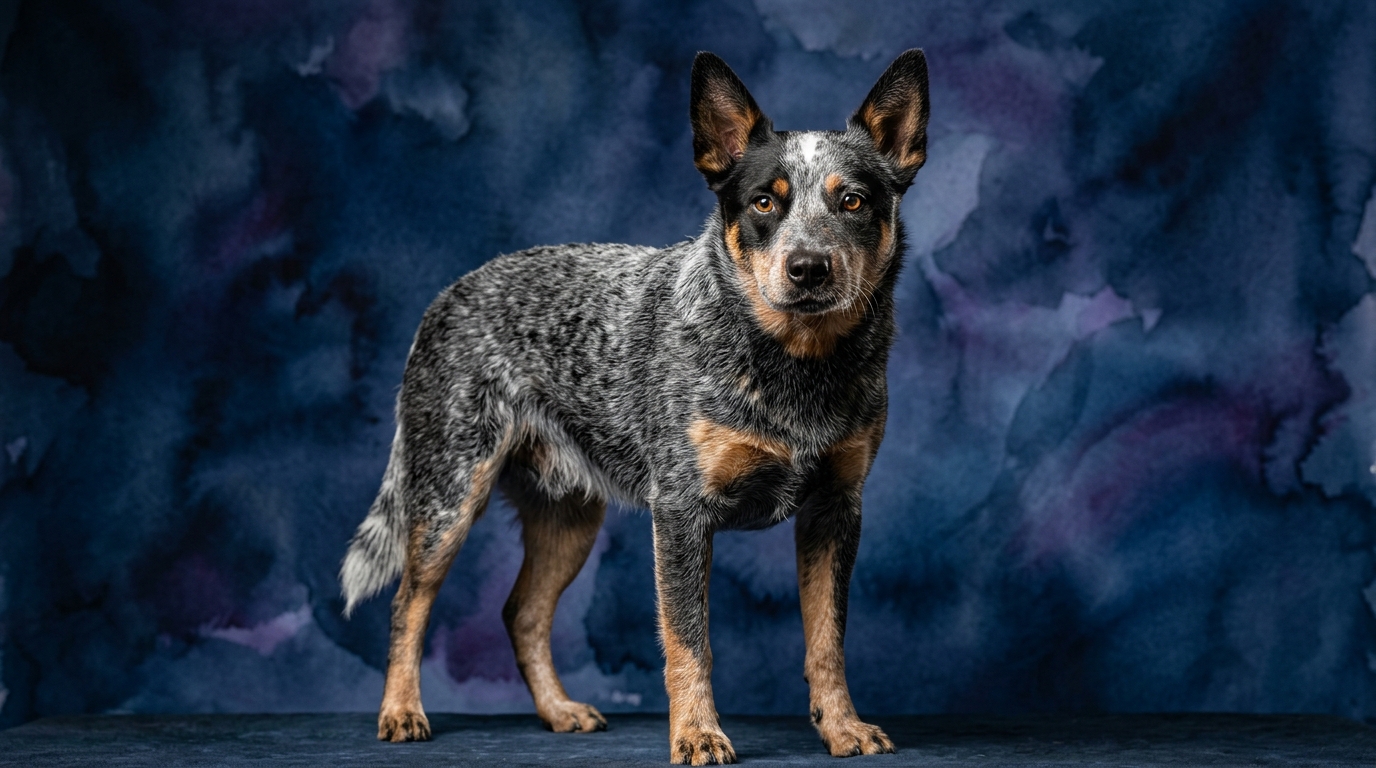
**Australian Cattle Dog (Coren rank #10)**: This herding breed demonstrates a formidable intellect tailored for complex tasks. Their **Problem Solving (5/5)** is exceptional, enabling them to navigate intricate physical scenarios, figure out how to bypass obstacles, or strategize during herding. Their **Training Speed (5/5)** is equally impressive, as they absorb new commands and routines with remarkable quickness, often understanding instructions after just a few repetitions. While capable of deep bonds, their **Social Intelligence (3/5)** leans more towards understanding a handler's working intentions than subtle emotional nuances, making them more task-oriented and independent. A powerful **Instinctive Drive (5/5)** to control movement defines their focus and persistence, fueling their pursuit of a perceived 'job'. Lastly, their **Memory (5/5)** is outstanding, retaining complex sequences of commands, learned routes, and past experiences with remarkable clarity, allowing them to build upon training efficiently.
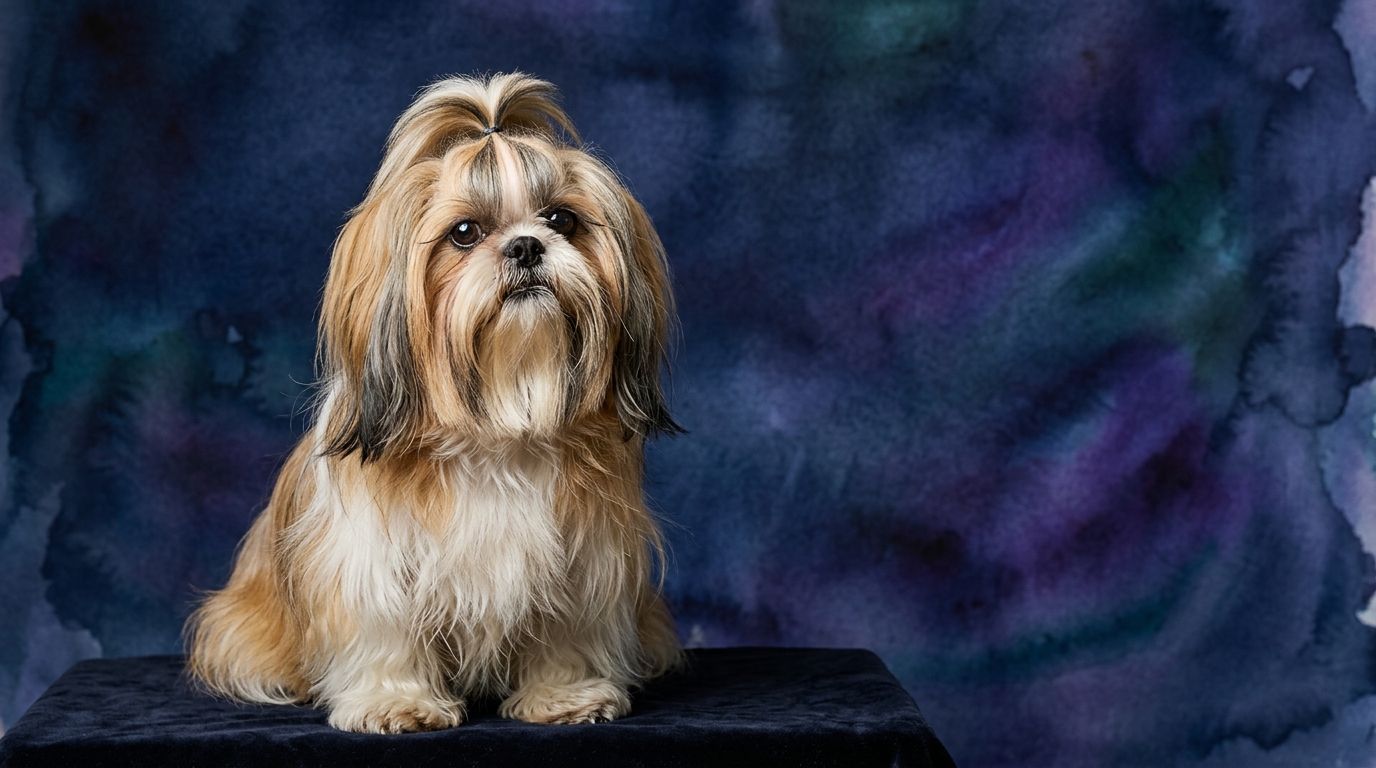
**Shih Tzu (Coren rank #70)**: As a toy breed, the Shih Tzu's cognitive strengths are geared towards companionship and domestic harmony. Their **Problem Solving (3/5)** is moderate; they capably learn routines and navigate their environment but might rely more on learned associations and social cues than complex reasoning for daily tasks. Their **Training Speed (2/5)** is generally slower, requiring more patience and repetition, largely because their motivation often prioritizes comfort and social interaction over a strong desire to perform tasks. Where they truly excel is in **Social Intelligence (5/5)**, possessing an acute awareness of human emotions and social dynamics. They are highly attuned to their owner's mood, offering comfort or seeking attention precisely when needed, thriving on companionship. Their **Instinctive Drive (2/5)** is low, meaning their primary motivation is to be a cherished companion, with natural inclinations towards comfort, play, and close human interaction. Finally, their **Memory (3/5)** is moderate, allowing them to recall basic commands, house rules, and familiar faces well enough to integrate smoothly into a household, though not intricate sequences.
Where the Australian Cattle Dog Wins Cognitively
The Australian Cattle Dog's cognitive triumphs are deeply rooted in their heritage as working dogs, excelling in practical, task-oriented intelligence. Their 5/5 problem-solving score means they are adept at navigating complex physical environments, figuring out how to bypass obstacles, or even outsmarting livestock. This isn't just about raw processing power; it's about applying that power to achieve a tangible outcome, often independently. Their 5/5 instinctive drive, coupled with a 5/5 memory, allows them to develop sophisticated working patterns and recall intricate sequences of actions, whether in herding, agility, or obedience trials. For instance, they can remember a multi-step fetch routine or a complex agility course after minimal exposure, then execute it with precision, demonstrating a high level of operational memory and strategic thinking. This breed's cognitive strengths are deeply rooted in their heritage of managing difficult livestock in vast, challenging landscapes, demanding constant analytical engagement and rapid learning from experience.
Where the Shih Tzu Wins Cognitively
The Shih Tzu's cognitive strengths lie profoundly in the realm of social and emotional intelligence, scoring a perfect 5/5. Unlike breeds focused on external tasks, the Shih Tzu's mental energy is dedicated to understanding and influencing their human environment. They are masters of reading subtle human cues – a sigh, a change in posture, a tone of voice – and responding in ways that foster connection and comfort. This isn't merely charming; it's a sophisticated form of communication and adaptation. Their moderate problem-solving (3/5) and memory (3/5) are perfectly adequate for navigating a domestic setting and learning household routines, but their true genius is in their ability to integrate seamlessly into a human family, becoming an intuitive and empathetic companion. They excel at "people-pleasing" in the most genuine sense, demonstrating a deep understanding of social dynamics within their chosen pack.
Which is Easier to Train and Why
The Australian Cattle Dog, with its 5/5 training speed and 5/5 memory, is generally more straightforward to train for obedience and complex tasks. They possess an inherent desire to work and a keen focus on their handler, quickly grasping new commands and retaining them long-term. Their drive to be engaged and their precision in execution mean they thrive on structured learning and consistent challenges. However, their intense instinctive drive can also manifest as independent thinking if not properly channeled, requiring a firm yet fair approach to leadership and consistency.
The Shih Tzu, scoring 2/5 in training speed and 3/5 in memory, typically requires more patience and creative motivation. They are not inherently driven by a desire to perform tasks for the sake of it, often prioritizing comfort or social interaction. Training a Shih Tzu means finding what motivates them, which is usually positive reinforcement tied to affection, treats, or play. While they can learn a wide array of commands, the process might be slower, and consistency is paramount. Their social intelligence means they respond well to gentle, encouraging methods, but their independent streak can make them less eager to comply if they don't see the immediate benefit or if the training isn't enjoyable.
Which Suits Active Owners vs Relaxed Owners
For active owners seeking a canine partner for adventures and challenges, the Australian Cattle Dog is an ideal match. Their high problem-solving, instinctive drive, and memory mean they excel in activities like agility, flyball, herding trials, and long hikes. These dogs require substantial physical exercise and, crucially, mental engagement to prevent boredom and destructive behaviors. An owner who can provide consistent training, a 'job' to do, and plenty of outdoor exploration will find an incredibly devoted and capable companion.
Conversely, relaxed owners who prioritize companionship and a calm household environment will find the Shih Tzu more suitable. Their high social intelligence and low instinctive drive mean they are content with shorter walks, indoor play, and extensive cuddle sessions. They thrive on close human interaction and adapt well to apartment living, making them perfect for individuals or families seeking a gentle, affectionate lap dog. While they still benefit from basic training and socialization, their primary need is for a loving presence and comfortable surroundings, rather than strenuous physical or mental challenges.
The Verdict
Choose an Australian Cattle Dog if you're an experienced, active owner seeking a highly trainable, problem-solving partner for dog sports, outdoor adventures, or a working role. This breed thrives on mental and physical challenges and needs a consistent, engaging handler to channel its intense drives.
Opt for a Shih Tzu if you desire a devoted, socially intelligent companion content with a relaxed lifestyle, valuing emotional connection and comfort over strenuous activity or complex tasks. They are ideal for owners seeking an affectionate lap dog who will seamlessly integrate into a calm home environment.
🧠 Find Your Pet's IQ Score
Our Pet IQ Lab assessment covers 25+ tests across 5 cognitive dimensions — personalized to your breed.
Take the Full IQ Test →Frequently Asked Questions
Are Shih Tzus truly difficult to train, or do they just learn differently?
Shih Tzus aren't inherently difficult to train; they simply have a different motivational structure and learn at a slower pace compared to high-drive working breeds. They respond best to positive reinforcement, patience, and making training feel like a fun social interaction rather than a chore. Their social intelligence means they are eager to please their loved ones, but they might prioritize comfort or play over strict obedience.
How much mental stimulation does an Australian Cattle Dog actually need?
An Australian Cattle Dog requires significant mental stimulation daily, beyond just physical exercise, due to their high problem-solving ability, memory, and instinctive drive. Activities like puzzle toys, obedience training, scent work, agility, or even learning complex tricks are crucial to keep their minds engaged and prevent boredom, which can lead to unwanted behaviors. They need a "job" to feel fulfilled.
Can a Shih Tzu participate in dog sports, given their lower instinctive drive?
While not typically excelling in high-impact or endurance sports due to their physical structure and lower instinctive drive, Shih Tzus can certainly enjoy and even perform well in dog sports like basic obedience, rally, or some forms of agility tailored to smaller breeds. Their high social intelligence means they can be motivated by handler interaction and positive reinforcement, making it a fun bonding experience.