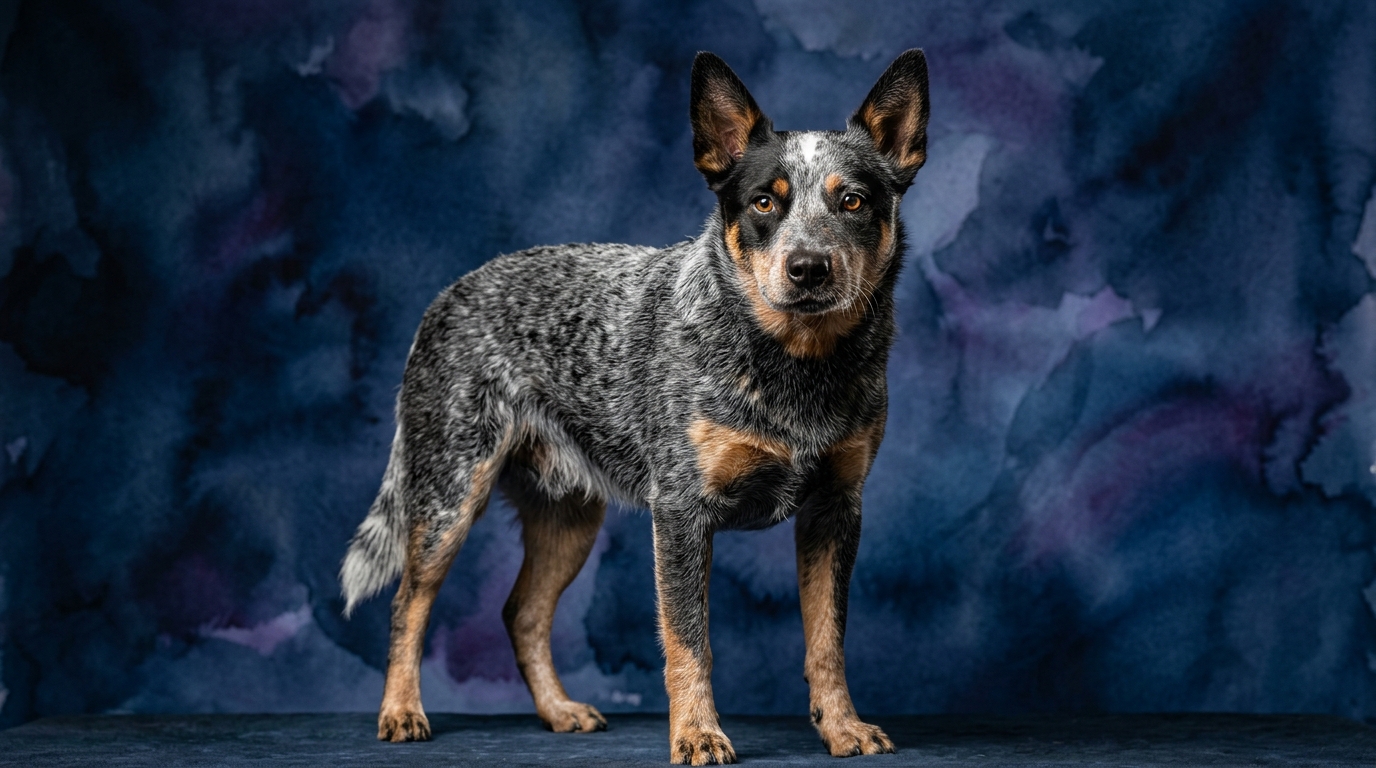
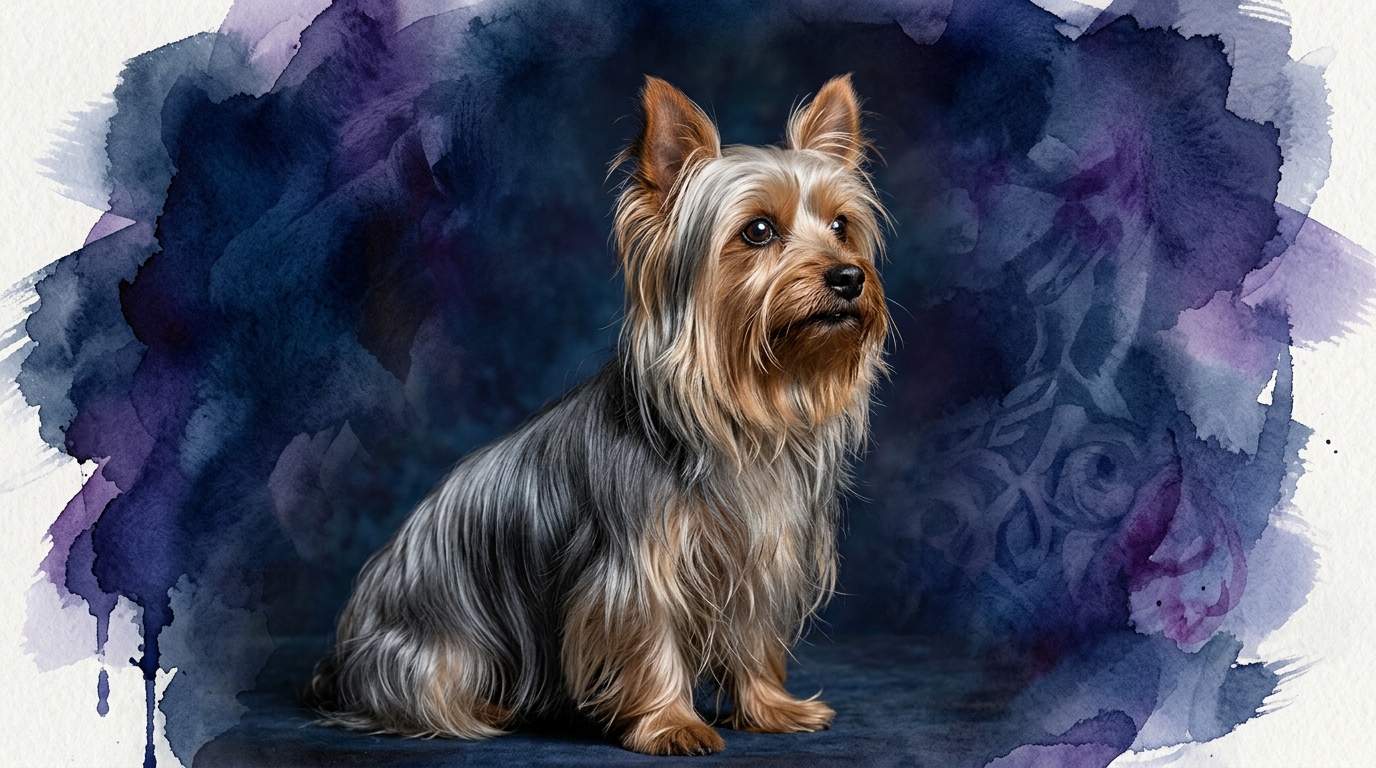
Side-by-Side IQ Profile: Australian Cattle Dog vs. Silky Terrier
The Cosmic Pet Pet IQ Lab employs five key dimensions to evaluate canine intelligence, offering a nuanced perspective beyond simple obedience. For the Australian Cattle Dog, its profile reflects its demanding heritage, scoring exceptionally high in most areas. Conversely, the Silky Terrier, a breed developed for companionship, presents a more moderate, yet equally functional, cognitive makeup.
The Australian Cattle Dog (ACD) demonstrates exceptional Problem Solving (5/5), indicating a profound capacity for independent thought and strategic thinking to navigate complex situations. Their Training Speed (5/5) is equally impressive, allowing them to grasp new commands and routines with remarkable swiftness, often in very few repetitions. Their Social Intelligence (3/5) leans towards functional cooperation, forming deep bonds but often being more reserved with strangers. A powerful Instinctive Drive (5/5) fuels their desire to work and control, translating their herding lineage into an inherent motivation. Finally, their Memory (5/5) is outstanding, ensuring long-term retention of learned behaviors and experiences. This breed is also recognized with a Coren rank of #10, placing it among breeds excelling in working and obedience intelligence.
The Silky Terrier, on the other hand, presents a consistent pattern of moderate scores across the board. Their Problem Solving (3/5) allows them to handle everyday challenges and learn routines, but they are generally less inclined towards abstract or complex strategizing. Similarly, their Training Speed (3/5) means they learn effectively but require more consistent repetition and patience compared to the ACD. Their Social Intelligence (3/5) is comparable to the ACD, showing strong family attachment and attentiveness to human cues, though perhaps with a broader capacity for charming interaction within their trusted circle. The Silky Terrier’s Instinctive Drive (3/5) is present, notably for chasing and digging, but it is less intense and consuming than the ACD's herding impulse. Their Memory (3/5) is good and reliable for daily routines and learned commands. The Silky Terrier is not specifically ranked by Coren, which is common for many companion breeds whose intelligence is primarily expressed through adaptability and social interaction within a home environment.
Where the Australian Cattle Dog Wins Cognitively
The Australian Cattle Dog’s cognitive strengths are deeply rooted in its heritage as a working animal, specifically tailored for demanding tasks in challenging environments. Their exceptional Problem Solving (5/5) means they don't just follow commands; they actively analyze situations, making independent decisions to achieve a goal, whether it's navigating a complex obstacle course or finding a lost item. This capacity for strategic thinking allows them to excel in advanced obedience, agility, and even search and rescue, where adapting to unforeseen circumstances is paramount. Their remarkable Training Speed (5/5) and formidable Memory (5/5) combine to create a dog that not only learns new behaviors almost instantly but also retains them with unwavering consistency, building upon a vast repertoire of skills over their lifetime. Furthermore, their powerful Instinctive Drive (5/5) isn't just about raw energy; it's a cognitive engine, providing intrinsic motivation to engage with tasks and challenges, making them perpetually eager students when given a purpose.
Where the Silky Terrier Wins Cognitively
While the Silky Terrier may not boast the same raw cognitive scores as the ACD, their intelligence is perfectly suited for their role as a devoted and adaptable companion. Their moderate Problem Solving (3/5) and Training Speed (3/5) mean they are perfectly capable of learning household manners, tricks, and routines, but often with a less intense, more playful approach. This can be a significant 'win' for owners who prefer a dog that is less likely to constantly seek out complex mental puzzles or try to outwit their human. Their Social Intelligence (3/5), while not reaching the extremes of some highly gregarious breeds, allows them to form incredibly strong, perceptive bonds with their family, often anticipating needs and offering comforting presence without the demanding nature of a high-drive working dog. The Silky Terrier's moderate Instinctive Drive (3/5) is also a cognitive advantage in a home setting, providing enough curiosity and engagement to keep life interesting, without the overwhelming need for constant, structured work that defines many herding breeds. Their cognition is geared towards companionship, attentiveness, and joyful interaction within a family unit.
Which Is Easier to Train and Why
Assessing ease of training requires considering both a dog's learning capacity and an owner's lifestyle. The Australian Cattle Dog, with its 5/5 Training Speed and Memory, is undeniably quick to grasp new commands and complex sequences. They thrive on structured learning and consistent challenges, often becoming bored or destructive if their sharp minds aren't adequately stimulated. Their formidable Instinctive Drive means they are eager to work and please, but this also means they require an owner who can consistently provide direction and purpose; otherwise, their problem-solving skills might be applied to undesirable behaviors or they may become overbearing. Training an ACD requires a committed, proactive approach to channel their cognitive prowess.
In contrast, the Silky Terrier, with its 3/5 Training Speed and Memory, will require more repetition and patience during training sessions. However, their lower instinctive drive means they are generally less prone to independent decision-making that might conflict with an owner's wishes, and they are typically less demanding of constant mental challenge. They are motivated by praise and treats, and while they might take longer to master a trick, they are often more amenable to a less intense training regimen. This makes them 'easier' for owners who prefer a more relaxed approach and who aren't seeking a dog for advanced competitive sports, as their training needs are more about consistency than constant, high-level engagement.
Suitability for Active vs. Relaxed Owners
The cognitive profiles of these two breeds offer clear guidance for owner suitability. The Australian Cattle Dog's full spectrum of 5/5 scores – Problem Solving, Training Speed, Instinctive Drive, and Memory – points unequivocally to a need for an active, engaged owner. These dogs require consistent mental and physical stimulation; they are not content to be couch potatoes. Their cognitive drive necessitates daily outlets such as advanced training, dog sports like agility or herding, long hikes, or challenging puzzle toys to prevent boredom and channel their formidable mental energy constructively. A relaxed owner will quickly find an ACD creating its own 'work,' which often manifests as undesirable behaviors like excessive chewing, barking, or attempting to 'herd' family members.
The Silky Terrier, with its consistent 3/5 scores across most cognitive dimensions, is far better suited for owners seeking a more relaxed, yet still interactive, companion. While they enjoy walks, playtime, and learning new things, their cognitive needs are met with less intensity. They thrive on companionship and moderate engagement, making them a good fit for individuals or families who appreciate a smart, attentive dog without the demanding cognitive workload of a high-drive working breed. They are content with a comfortable home life, regular attention, and opportunities for moderate exercise and mental enrichment without the constant demand for a 'job'.
The Verdict
Choose an Australian Cattle Dog if you are an experienced, highly active owner eager to engage a dog in demanding mental and physical challenges, and can provide consistent purpose for its formidable working intelligence.
Opt for a Silky Terrier if you desire a charming, attentive companion whose moderate cognitive needs align with a more relaxed lifestyle, yet still appreciates interactive play and consistent, gentle training.
🧠 Find Your Pet's IQ Score
Our Pet IQ Lab assessment covers 25+ tests across 5 cognitive dimensions — personalized to your breed.
Take the Full IQ Test →Frequently Asked Questions
Do Australian Cattle Dogs get along with other pets?
Their social intelligence (3/5) and strong herding drive mean they can be selective. Early, positive socialization is crucial, especially with other dogs and smaller pets, as their instinct to 'manage' can be pronounced. They often thrive as only pets or in homes with well-matched canine companions.
Are Silky Terriers good with children?
Silky Terriers can be good with respectful, older children who understand how to interact gently with a smaller dog. Their moderate social intelligence (3/5) means they form strong family bonds, but young children might inadvertently overwhelm them, so supervised interactions are always recommended.
What kind of mental stimulation do Silky Terriers need?
Silky Terriers benefit from regular interactive play, learning new tricks, and puzzle toys to keep their minds engaged. While their cognitive needs are moderate (3/5), consistent mental enrichment prevents boredom and reinforces their bond with their owners.