Side-by-Side IQ Profile
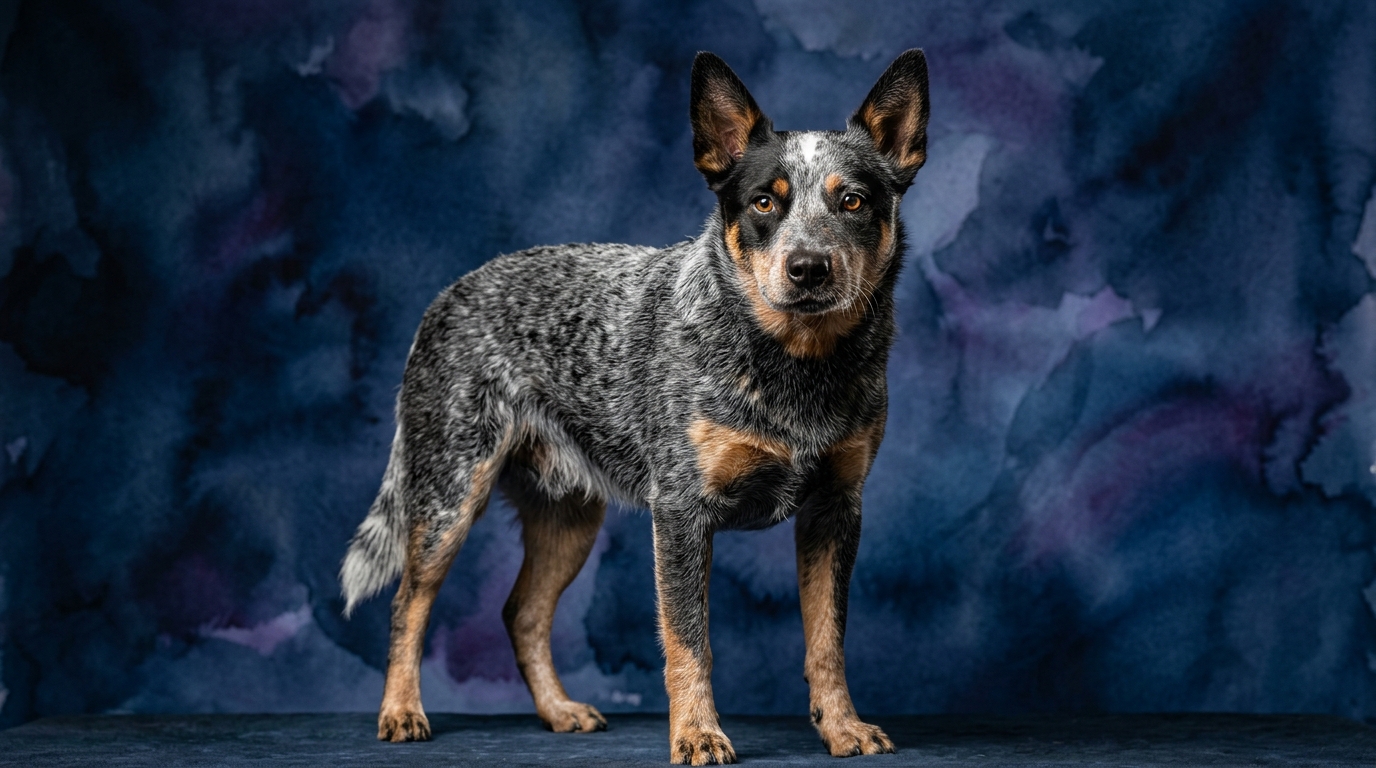
The Australian Cattle Dog (ACD), ranked #10 by Coren, presents a formidable cognitive profile. Its Problem Solving is rated 5/5, indicating an exceptional capacity to analyze situations, devise strategies, and navigate complex challenges independently. Training Speed also scores 5/5, meaning ACDs grasp new commands and routines with remarkable efficiency, often requiring minimal repetition. Their Social Intelligence stands at 3/5, suggesting they form deep bonds with their immediate family but can be reserved or independent around strangers. An Instinctive Drive of 5/5 highlights their intense herding and working instincts, demanding significant outlets. Finally, their Memory is 5/5, allowing them to retain vast amounts of information, from complex command sequences to environmental details, over long periods.
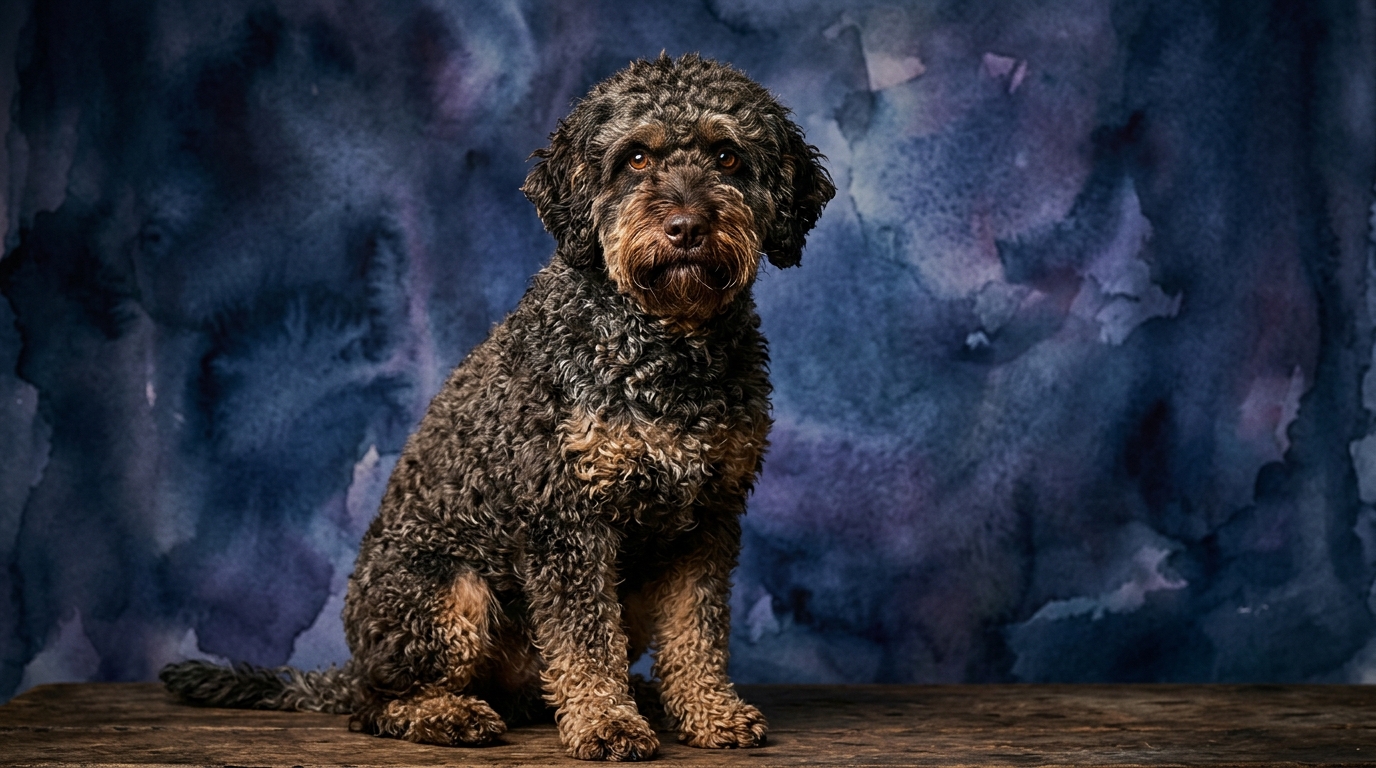
In contrast, the Spanish Water Dog (SWD), while also a herding breed, does not feature on Coren's list and exhibits a more balanced, moderate cognitive skillset. Its Problem Solving is rated 3/5, indicating a solid capacity for learning and adapting, though they may not independently formulate intricate strategies as readily as an ACD. Similarly, their Training Speed is 3/5, meaning they learn effectively but require consistent reinforcement and patience, taking a moderate number of repetitions to internalize commands. Social Intelligence for the SWD is also 3/5, pointing to a devotion to their family unit while often being watchful or reserved with unfamiliar individuals. Their Instinctive Drive is 3/5, showing a present herding and retrieving inclination, but generally less intense and all-consuming than the ACD's. Lastly, their Memory is 3/5, allowing them to recall training and experiences adequately, though perhaps benefiting from more frequent refreshers.
Where Australian Cattle Dog Wins Cognitively
The Australian Cattle Dog's cognitive strengths distinctly outshine the Spanish Water Dog in several key areas. Their 5/5 Problem Solving capacity means ACDs are adept at independently analyzing novel situations, strategizing movement, and overcoming obstacles, especially when engaged in tasks like herding or advanced dog sports. This isn't just about following commands; it's about making intelligent, proactive decisions in dynamic environments, such as anticipating a runaway calf's path. Coupled with their 5/5 Memory, ACDs retain intricate sequences of commands and learned strategies for extended durations, allowing them to build a deep repertoire of skills without constant re-teaching. This cognitive synergy makes them exceptionally efficient learners for complex multi-step tasks. Furthermore, their 5/5 Instinctive Drive fuels an unparalleled work ethic and focus, enabling them to sustain demanding mental and physical effort for prolonged periods, making them ideal for specialized working roles where unwavering dedication is paramount. This drive isn't just about energy; it's a cognitive predisposition to engage deeply with challenging tasks.
Where Spanish Water Dog Wins Cognitively
While the Spanish Water Dog may not match the sheer intensity of the Australian Cattle Dog's cognitive scores, its balanced profile offers a different kind of cognitive advantage, particularly in adaptability and versatility. With a 3/5 for Instinctive Drive, the SWD possesses sufficient herding and working inclinations to be engaged in various activities, but without the overwhelming, singular focus that can characterize a 5/5 drive. This moderation means their drives are often more easily channeled into diverse family-oriented activities like retrieving, water sports, or general companionship, rather than being solely concentrated on intense herding tasks. Their moderate Problem Solving (3/5) and Training Speed (3/5) suggest a dog that is capable of learning and adapting without the constant, high-level mental stimulation an ACD demands to prevent boredom or destructive behaviors. This cognitive equilibrium allows the SWD to integrate more smoothly into a wider range of active households, offering a capable and willing companion without the potential for extreme mental frustration if a specific 'job' isn't consistently provided. Their social intelligence, while rated the same as an ACD, often manifests as a deep, yet less demanding, bond with their family, making them excellent, engaged companions who are less prone to the ACD's potential for aloofness outside of work.
Which is Easier to Train and Why
When considering ease of training, the Australian Cattle Dog presents a paradox: they are both incredibly quick learners and can be profoundly challenging. Their 5/5 Training Speed means they absorb commands with remarkable efficiency, often understanding a new cue in just a few repetitions. Their 5/5 Memory ensures these lessons stick. However, this cognitive prowess, combined with a 5/5 Instinctive Drive and 5/5 Problem Solving, means ACDs are not passive learners. They possess a strong will and a tendency to 'think for themselves.' If training isn't engaging, consistent, and respectful of their intelligence, they can become bored, uncooperative, or even attempt to outsmart their handler. Their 3/5 Social Intelligence can translate to an independence that requires a trainer who can inspire cooperation rather than demand it, making them easier to train for experienced handlers who appreciate a dog that thinks.
The Spanish Water Dog, with 3/5 scores across Training Speed and Memory, requires a more patient and consistent approach. They are certainly trainable and eager to please their family, but lessons may need more repetitions and a clearer, more structured delivery to solidify. Their 3/5 Instinctive Drive, while present, is less overwhelming, meaning they might be less prone to intense fixations that can distract from training, but also potentially less driven to perform a specific task without clear motivation. While they can be independent, their moderate problem-solving means they are less likely to actively challenge or try to 'game' the training system in the same strategic way an ACD might. For a novice owner, the SWD's more moderate cognitive profile might actually present a smoother, less demanding training experience, as they are less likely to exhibit the extreme mental intensity or strategic independence that can overwhelm an inexperienced handler.
Which Suits Active Owners vs. Relaxed Owners
The distinction between these two breeds regarding owner activity levels is quite stark. The Australian Cattle Dog is unequivocally suited for highly active owners who are prepared to provide extensive daily physical exercise and, crucially, equally demanding mental stimulation. Their 5/5 Instinctive Drive and 5/5 Problem Solving mean an ACD needs a 'job' – whether it's herding livestock, excelling in advanced dog sports like agility or flyball, or participating in long, challenging hikes with complex problem-solving elements. A relaxed owner, or one who cannot commit to several hours of vigorous activity and structured mental tasks daily, would find an ACD becomes bored, destructive, and potentially difficult to manage due to their unfulfilled cognitive and physical needs.
The Spanish Water Dog, while still an active breed, offers more flexibility. Their 3/5 Instinctive Drive means they thrive on regular exercise, enjoying activities such as swimming, fetching, long walks, and moderate hikes. They appreciate having a role within the family and enjoy engaging in dog sports or obedience training, but they do not possess the same relentless, all-consuming need for intense mental and physical work as the ACD. They are better suited for active families or individuals who enjoy outdoor pursuits but also appreciate periods of downtime and aren't seeking a dog that requires constant, high-level mental engagement to prevent behavioral issues. While not a couch potato, the SWD can adapt to a slightly less rigorous schedule than the ACD, making them a more suitable choice for owners who are active but not necessarily seeking a full-time working partner.
The Verdict
Choose the Australian Cattle Dog if you are an experienced, highly active owner seeking a dedicated working partner who thrives on intense mental and physical challenges, and you are prepared to provide consistent, advanced training and a 'job' for their exceptional cognitive drive. This breed excels when given complex problems to solve and ample opportunity to utilize their keen instincts.
Opt for the Spanish Water Dog if you are an active individual or family looking for a versatile, adaptable companion who enjoys a variety of outdoor activities and family engagement, without requiring the extreme, relentless mental and physical demands of a top-tier working herder. They offer a capable and willing partner who integrates well into a dynamic household.
🧠 Find Your Pet's IQ Score
Our Pet IQ Lab assessment covers 25+ tests across 5 cognitive dimensions — personalized to your breed.
Take the Full IQ Test →Frequently Asked Questions
Do Australian Cattle Dogs make good family pets?
Australian Cattle Dogs can be devoted family members, forming strong bonds with their primary caregivers. However, their strong herding instincts and reserved nature with strangers require extensive early socialization and consistent mental and physical stimulation to prevent boredom and potential nipping behaviors, especially around children.
Are Spanish Water Dogs suitable for first-time dog owners?
Spanish Water Dogs can be a good fit for attentive first-time owners who are committed to consistent training and socialization. While they are trainable and eager to please their family, their independent streak and moderate drive mean they benefit from clear guidance and an owner willing to invest time in their development, rather than a completely hands-off approach.
What unique grooming needs do Spanish Water Dogs have?
Spanish Water Dogs have a distinctive corded or curly coat that requires specific grooming. Their woolly texture sheds minimally but needs to be kept free of mats, either by regular brushing and trimming or allowing it to cord naturally, which requires specialized care and maintenance.