Side-by-side IQ Profile
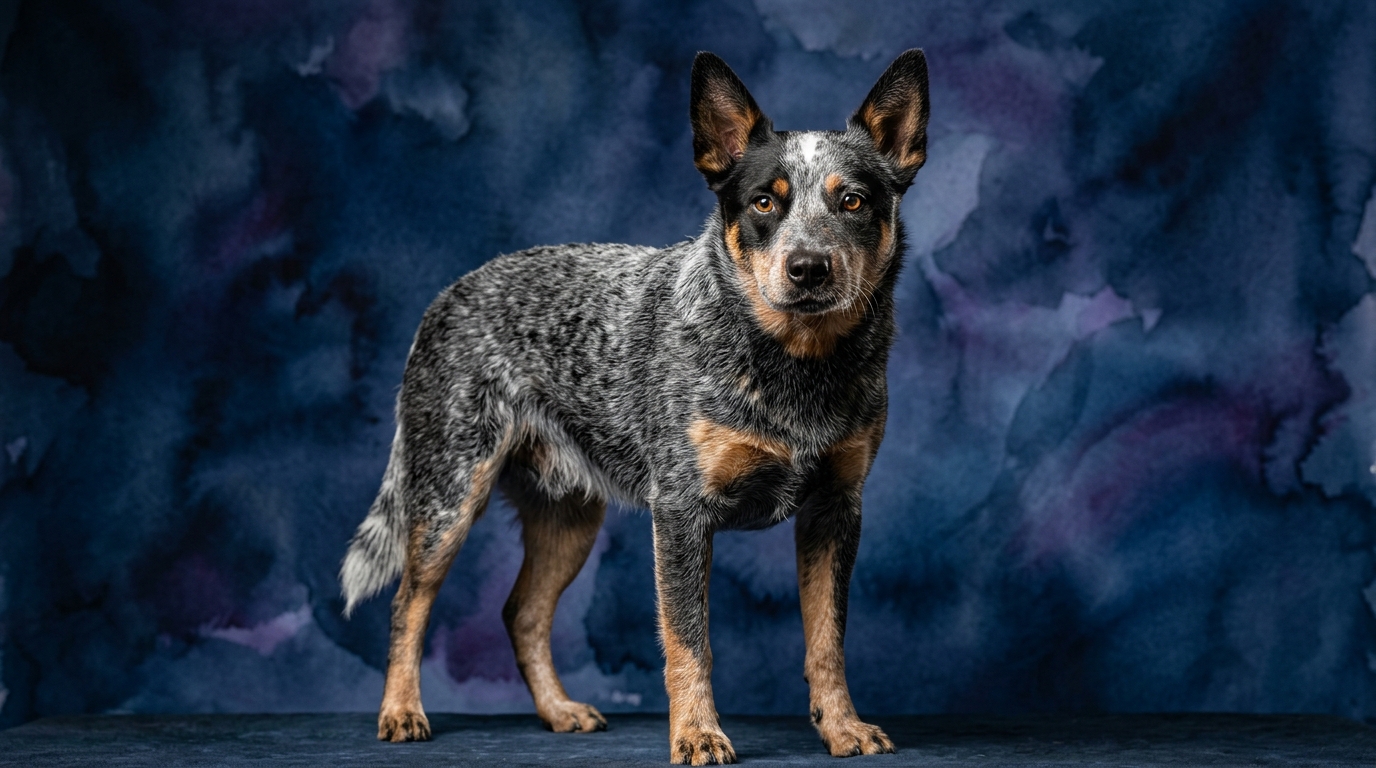
The Cosmic Pet Pet IQ Lab employs a five-dimensional framework to map canine intelligence, offering a nuanced view beyond simple obedience. For the Australian Cattle Dog, a breed Coren-ranked at #10, its profile reveals a remarkable cognitive aptitude: Problem Solving is rated 5/5, indicating an exceptional capacity to navigate complex scenarios and devise solutions independently. Training Speed also scores 5/5, reflecting their rapid grasp of commands and routines, often needing only a few repetitions. Their Social Intelligence is marked at 3/5, suggesting they are capable of understanding human cues but often prioritize tasks over broad social engagement. Instinctive Drive stands at a powerful 5/5, a testament to their deep-seated herding instincts and relentless work ethic. Finally, Memory is a perfect 5/5, allowing them to recall intricate sequences and learned behaviors over long periods.
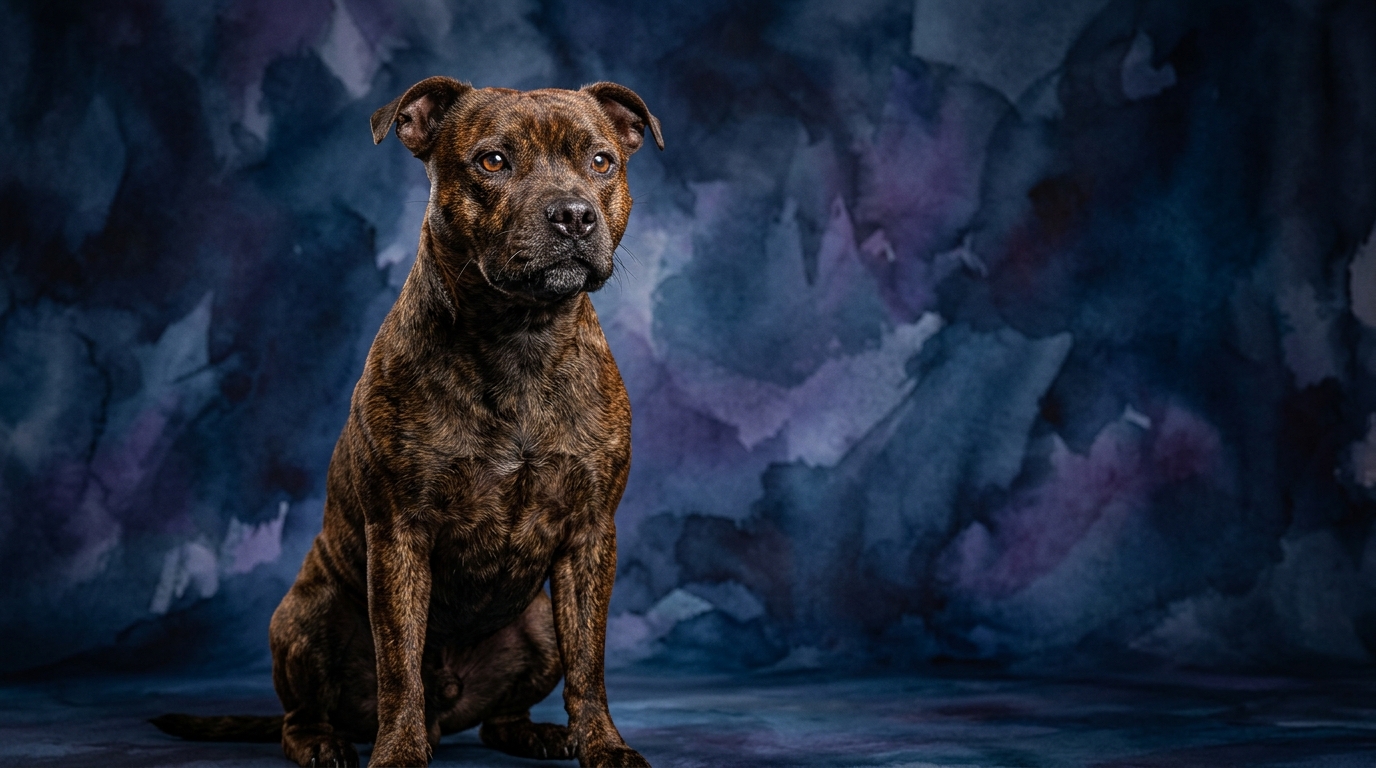
In contrast, the Staffordshire Bull Terrier, while not Coren-ranked, presents a balanced yet distinct cognitive blueprint. Their Problem Solving capability is rated 3/5, meaning they can tackle challenges but might require more guidance or persistence than a herding specialist. Training Speed is also 3/5, indicating they are capable learners but typically require more consistent repetition and positive reinforcement. Similar to the Cattle Dog, their Social Intelligence is 3/5; they are responsive to their human companions but often display an independent streak, valuing connection on their own terms. Instinctive Drive is a moderate 3/5, showing they possess motivation and focus, particularly when engaged in play. Memory rounds out their profile at 3/5, suggesting they retain information adequately but might not store complex chains of commands with the same precision or longevity as a breed with a higher score.
Where Australian Cattle Dog Wins Cognitively
The Australian Cattle Dog's cognitive strengths are deeply rooted in its heritage, where independent thought and quick reactions were paramount. Their 5/5 Problem Solving shines in dynamic environments, enabling them to assess a situation, anticipate movement, and adjust their strategy on the fly without constant human direction. This isn't just about learning tricks; it's about applying learned principles to novel situations, like finding the optimal path to gather livestock or navigating an agility course with minimal cues. Their 5/5 Training Speed and Memory work in tandem, allowing them to not only acquire complex multi-step commands rapidly but also to retain them flawlessly, even after long periods. This allows for advanced training in areas like competitive obedience, search and rescue, or intricate herding patterns, where precision and recall are non-negotiable. Furthermore, their 5/5 Instinctive Drive fuels their sustained focus and determination, making them relentless in pursuing a task until completion, a cognitive advantage for any demanding job.
Where Staffordshire Bull Terrier Wins Cognitively
While the Staffordshire Bull Terrier's cognitive profile might appear less extreme, their balanced 3/5 scores across the board present a unique set of advantages, particularly for a companion animal. Their 3/5 Problem Solving, for instance, means they are adaptable and capable of figuring out everyday challenges like opening a gate or finding a hidden toy, but without the intense, sometimes overthinking tendencies of a 5/5 problem-solver. This can lead to a more relaxed approach to household life, reducing the likelihood of them constantly seeking out complex “jobs.” Their 3/5 Social Intelligence often translates into a deep, focused bond with their immediate family, where they are keenly aware of their specific human's moods and preferences. The moderate 3/5 Instinctive Drive makes them highly trainable for common pet tasks and sports, but their motivation is typically rooted in connection and play rather than an innate compulsion for specific work, making their drive more manageable for the average owner. This balanced profile means they are less prone to anxiety from under-stimulation compared to a breed with extreme drives, and their 3/5 Memory is perfectly adequate for retaining household rules and basic commands without dwelling excessively on past mistakes.
Which is Easier to Train and Why
When it comes to ease of training, the Australian Cattle Dog generally presents a faster, though potentially more demanding, learning curve. Their 5/5 Training Speed means they pick up new commands with astonishing rapidity, often understanding a cue after just a few repetitions. Coupled with their 5/5 Memory, they solidify these learnings quickly and retain them for life, making advanced obedience and specialized tasks highly achievable. However, their 5/5 Instinctive Drive and 3/5 Social Intelligence mean they are not inherently motivated by broadly pleasing their handler; instead, they are driven by the task itself or the opportunity to work. This requires an owner to be creative, consistent, and to provide meaningful work to channel their immense mental energy. Without a job, their problem-solving and drive can be directed towards undesirable behaviors like excessive herding.
The Staffordshire Bull Terrier, with its 3/5 Training Speed and Memory, requires a more patient and repetitive approach. They are certainly capable of learning, but new commands might take more sessions to sink in, and consistent practice is vital for long-term retention. Their 3/5 Social Intelligence means they value their human bond, which can be a powerful motivator, but they also possess a degree of independence characteristic of the terrier group. Training for a Staffie often benefits from being gamified and highly rewarding, focusing on positive reinforcement to make learning an enjoyable shared activity. Their moderate 3/5 Instinctive Drive means they are less likely to invent complex “jobs” for themselves if under-stimulated compared to an ACD, but their persistence can manifest as stubbornness if they don't see the point of an exercise. Effective Staffie training relies on building trust, making it fun, and understanding their robust, sometimes boisterous, nature.
Which Suits Active Owners vs Relaxed Owners
The choice between these breeds hinges significantly on an owner's lifestyle and their capacity to meet a dog's cognitive and physical needs. The Australian Cattle Dog is unequivocally suited for highly active owners who thrive on outdoor adventure, participate in dog sports, or have a “job” for their canine companion. Their 5/5 Instinctive Drive and Problem Solving demand constant mental engagement and physical exertion; a long walk isn't enough. They excel with owners who are prepared to dedicate time to advanced training, agility, herding, flyball, or similar activities that tap into their deep cognitive reserves. A relaxed owner, or one unable to provide consistent mental and physical outlets, will likely find an ACD to be a challenging, potentially destructive, and restless companion.
Conversely, the Staffordshire Bull Terrier can adapt to a broader range of lifestyles, though they are by no means couch potatoes. Their moderate 3/5 Instinctive Drive means they enjoy regular exercise – daily walks, play sessions, and interactive games – but do not possess the relentless, high-demand energy of a working herding dog. They can certainly participate in dog sports like obedience or agility, but their motivation often stems from their desire to engage with their beloved human rather than an innate drive to perform a specific task. They are well-suited for owners who appreciate a robust, affectionate companion dog that enjoys both active play and relaxed cuddle time on the sofa. While they still require consistent training and socialization due to their strength and terrier tenacity, they are generally more forgiving of an occasional lazy day than an ACD.
The Verdict
Choose an Australian Cattle Dog if you are an experienced, highly active individual or family seeking a relentless working partner for dog sports, demanding outdoor adventures, or a specific task, and are prepared to provide constant mental stimulation and consistent, advanced training.
Choose a Staffordshire Bull Terrier if you desire a devoted, robust, and affectionate companion who thrives on strong human bonds and interactive play, and you are committed to positive reinforcement training and consistent socialization without requiring a dog with extreme working drives.
🧠 Find Your Pet's IQ Score
Our Pet IQ Lab assessment covers 25+ tests across 5 cognitive dimensions — personalized to your breed.
Take the Full IQ Test →Frequently Asked Questions
Are Australian Cattle Dogs good family pets despite their high drive?
Australian Cattle Dogs can be excellent family pets, but their 5/5 instinctive drive means they require significant mental and physical outlets. They may try to “herd” children or other pets, so early socialization and consistent training are crucial to direct their natural instincts positively.
How do Staffordshire Bull Terriers cope with being left alone?
Staffordshire Bull Terriers form strong bonds with their families, and while they can tolerate being alone for reasonable periods, prolonged isolation can lead to boredom and separation anxiety. Their 3/5 social intelligence means they thrive on interaction, so consistent enrichment and gradual training for alone time are beneficial.
Is one breed more prone to aggression than the other?
Both breeds, when properly socialized and trained, can be wonderful companions. Any dog's temperament is influenced by genetics, environment, and upbringing. The ACD's herding instincts can sometimes be misinterpreted, while the SBT's robust build and tenacity mean responsible ownership and early socialization are vital to ensure they are well-adjusted.