Side-by-Side Cognitive Profiles: The Cosmic Pet Pet IQ Lab
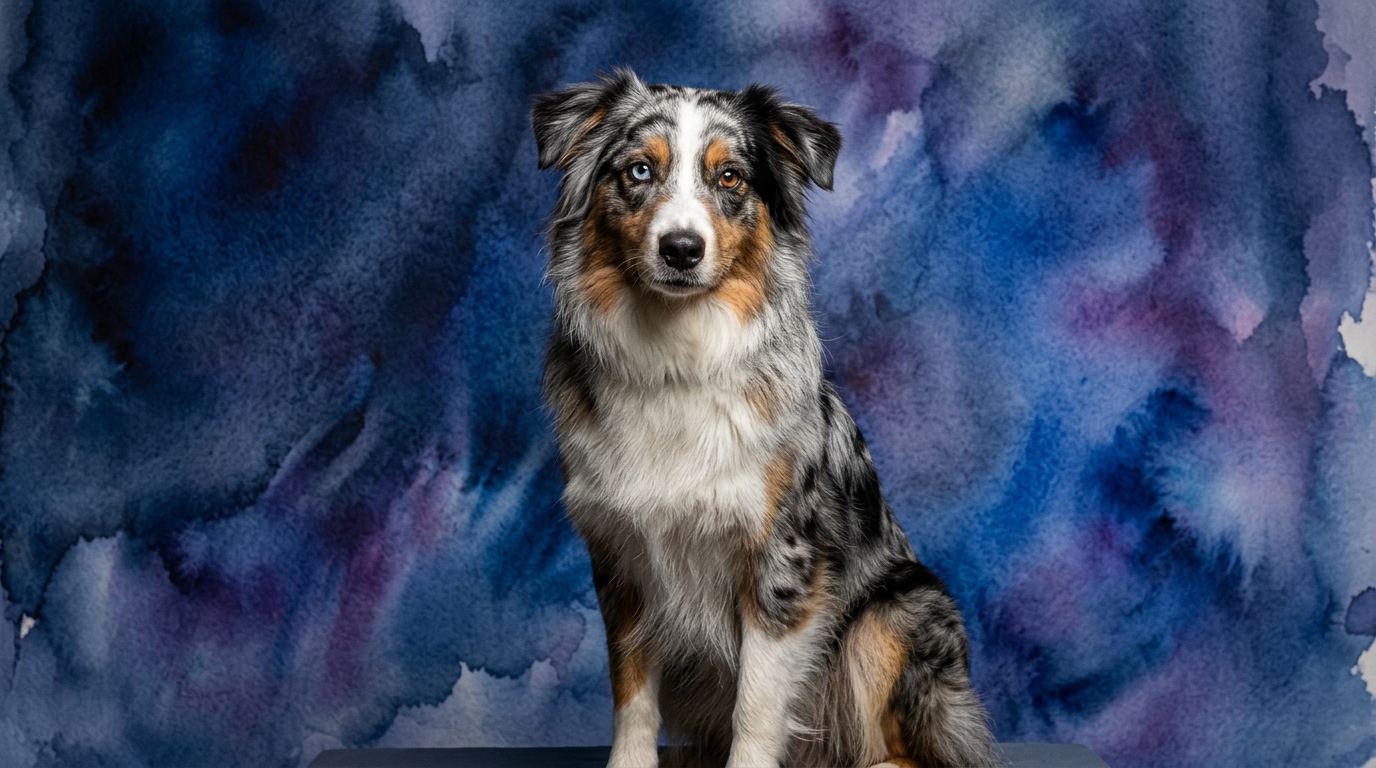
The Cosmic Pet Pet IQ Lab employs a multi-faceted approach to assess canine cognition, moving beyond simple obedience to evaluate how breeds process information, adapt, and interact with their environment. For the Australian Shepherd, a breed originating from herding lines, their profile reflects a highly engaged and adaptable mind.
**Australian Shepherd (Herding Group):** This breed registers a top-tier **Problem Solving** score of 5/5, indicating a strong capacity for independent thought and navigating complex scenarios. Their **Training Speed** is also 5/5, suggesting rapid command acquisition and a keen desire to engage in cooperative learning. **Social Intelligence** stands at 4/5, demonstrating a good ability to read human cues and adapt to various social dynamics. An **Instinctive Drive** of 5/5 points to a powerful internal motivation for task engagement, often expressed through herding behaviors or other forms of purposeful activity. Finally, their **Memory** is rated 5/5, signifying an excellent ability to recall learned behaviors, routines, and experiences over time.
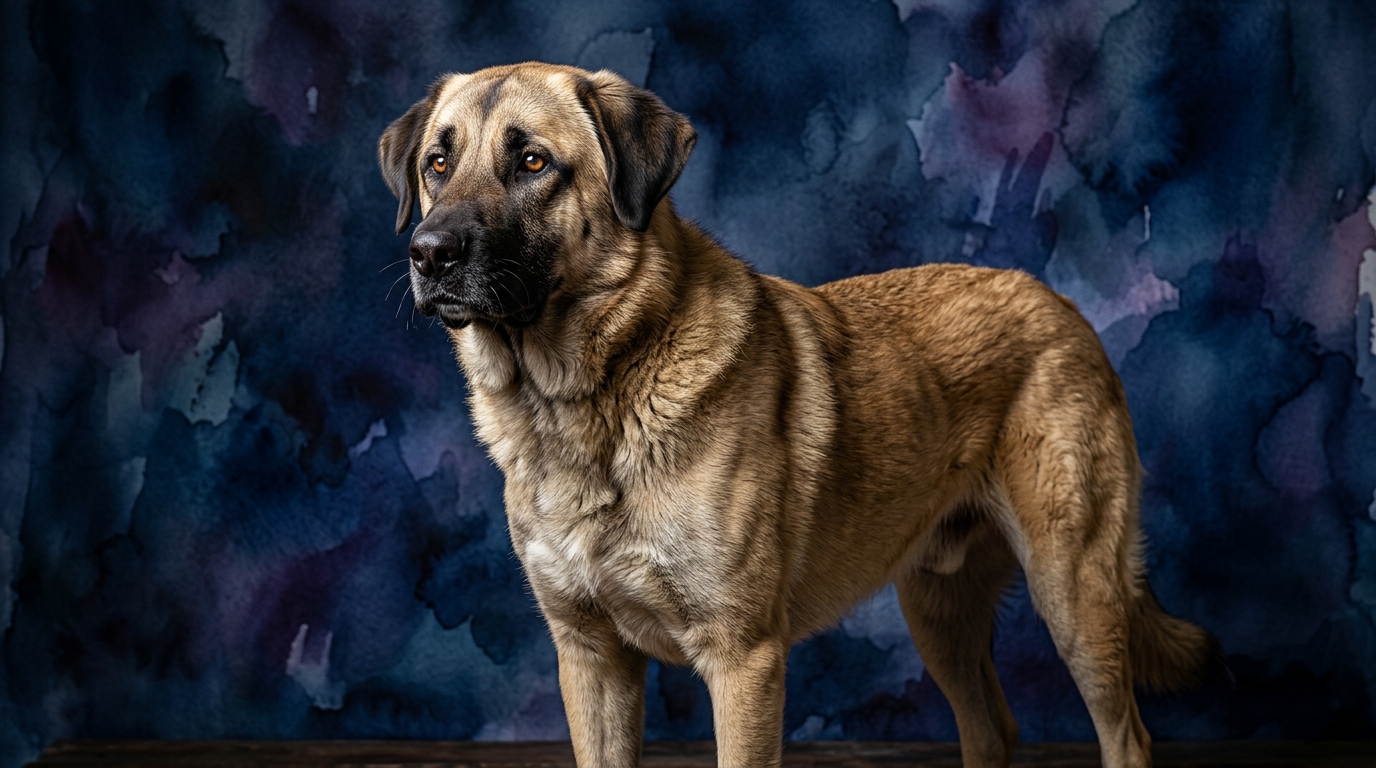
In stark contrast, the Anatolian Shepherd Dog, a formidable livestock guardian, presents a cognitive profile built for self-sufficiency and unwavering vigilance. Their scores reflect an independent thinker whose intelligence is geared towards observation and protection rather than human-directed tasks.
**Anatolian Shepherd Dog (Working Group):** This breed shows a **Problem Solving** score of 3/5, indicating competence in familiar situations but less inclination for novel, abstract puzzles. Their **Training Speed** is 3/5, suggesting that while capable of learning, they require more consistent reinforcement and patience, often prioritizing their own judgment. **Social Intelligence** is rated 3/5, reflecting a reserved nature, typically forming deep bonds with their immediate family and livestock, but often aloof with strangers. An **Instinctive Drive** of 3/5 denotes a strong, albeit independent, drive for their guardian duties, less focused on varied, fast-paced activities. Their **Memory** score of 3/5 implies they retain information, but perhaps not with the same immediate recall or generalization across contexts as the Australian Shepherd.
Where the Australian Shepherd Excels Cognitively
The Australian Shepherd's cognitive strengths are deeply rooted in their herding heritage, demanding quick thinking and responsiveness. Their 5/5 Problem Solving aptitude means they're adept at figuring out complex sequences, like navigating agility courses or learning multi-step tricks, often anticipating what's next. This mental agility allows them to quickly adapt to new environments and challenges, making them exceptionally versatile.
Their 5/5 Training Speed is not just about learning commands quickly; it reflects a profound eagerness to engage with their human partners in a collaborative learning process. They often pick up new behaviors with minimal repetition, driven by their strong instinctive drive (5/5) to perform a job and their excellent memory (5/5) for retaining intricate instructions. This combination allows them to excel in competitive dog sports, obedience trials, and any role requiring precise, rapid responses to human cues. Their 4/5 social intelligence also means they are generally receptive to learning from and interacting with a wide range of people, further boosting their trainability and adaptability in diverse settings.
Where the Anatolian Shepherd Dog's Cognition Shines
While the Anatolian Shepherd Dog's IQ scores might appear lower in categories like problem-solving and training speed, their cognitive strengths are uniquely tailored to their role as a self-sufficient livestock guardian. Their 3/5 Problem Solving score doesn't indicate a lack of intelligence, but rather a preference for practical, independent decision-making within their domain rather than seeking human guidance for every challenge. They excel at assessing threats, discerning intentions, and making judgments about what constitutes a danger to their flock or family, often without direct command.
The Anatolian's 3/5 Instinctive Drive is not about a lack of purpose; it signifies an unwavering, persistent commitment to their guardian duties, often performed with quiet observation and calculated intervention. Their social intelligence (3/5) allows them to form deep, protective bonds with their charges and family, while maintaining a necessary wariness towards outsiders—a vital trait for a guardian. Their memory (3/5) is sufficient for remembering their territory, their flock, and patterns of potential threats, ensuring consistent vigilance over time. Their cognition is optimized for independent surveillance, territorial defense, and the subtle art of deterrence, prioritizing steadfastness and judgment over quick, human-directed tasks.
Which is Easier to Train, and Why?
Based on The Cosmic Pet Pet IQ Lab's metrics, the Australian Shepherd is unequivocally easier to train compared to the Anatolian Shepherd Dog. The Australian Shepherd's 5/5 Training Speed, coupled with their 5/5 Problem Solving and 5/5 Memory, means they are eager to learn, quick to grasp new concepts, and retain them effectively. They thrive on mental stimulation and cooperative tasks, often viewing training as an engaging puzzle to solve alongside their human.
Their 4/5 Social Intelligence also makes them highly attuned to human body language and vocal cues, facilitating a smoother communication during training sessions. Behavioral differences include their strong desire to please and work collaboratively, which translates into a dog that actively seeks direction and enjoys mastering new skills. They are inherently more compliant and responsive, making foundational obedience and advanced training a more rewarding and rapid process for most owners.
The Anatolian Shepherd Dog, with its 3/5 Training Speed and 3/5 Problem Solving, presents a different training challenge. Their independence, a cornerstone of their guardian role, means they are not inherently driven to perform human-directed tasks for the sake of compliance. They will learn, but often at their own pace and when they perceive a purpose or benefit in the command.
Their lower Social Intelligence (3/5) means they might be less inclined to seek constant human approval, and their strong, self-directed Instinctive Drive (3/5 for general tasks, but high for guarding) prioritizes their own judgment over immediate obedience. Training an Anatolian requires immense patience, consistency, and an understanding of their independent nature. They respond best to clear, fair leadership and positive reinforcement, but their learning curve is generally slower, and they may require more repetition and motivation to solidify behaviors, as their innate purpose is not to be a 'people-pleaser' but a vigilant protector.
Suitability for Active vs. Relaxed Owners
The Australian Shepherd is an ideal companion for active, engaged owners who seek a dynamic partner for a variety of pursuits. Their high scores across problem-solving, instinctive drive, and training speed mean they require significant mental and physical engagement daily. Owners who enjoy dog sports like agility, obedience, flyball, or even long hikes and runs will find the Australian Shepherd to be an enthusiastic and capable partner. They thrive on having a 'job,' whether it's herding, learning complex tricks, or simply being a constant, interactive presence in an active household. A relaxed owner who cannot provide consistent mental stimulation and physical exercise will likely find an Australian Shepherd becoming bored, potentially leading to destructive behaviors or excessive vocalization.
Conversely, the Anatolian Shepherd Dog is better suited for owners who appreciate a more self-sufficient, independent canine presence, rather than a constantly interactive one. While they still require exercise and appropriate socialization, their needs are different. They are not dogs that typically excel in fast-paced competitive sports or require constant human direction for entertainment. Their preference is to observe, patrol, and maintain a watchful presence. Owners with large properties, those involved in livestock management, or individuals who understand and respect a dog's independent nature and aren't seeking a 'velcro dog' will find the Anatolian Shepherd Dog a fitting companion. They are not for relaxed owners in the sense of neglecting their needs, but rather for those who prefer a dog with a calm, watchful demeanor that doesn't demand constant, high-energy interaction.
The Verdict
Choose the Australian Shepherd if you desire a highly responsive, eager-to-please companion for active sports, complex training, and constant interaction. They thrive on mental challenges and a busy, engaging lifestyle.
Opt for the Anatolian Shepherd Dog if you need a steadfast, independent guardian for a large property or livestock, appreciating their reserved nature and self-reliant decision-making. They require owners who respect their protective instincts and provide a secure environment.
🧠 Find Your Pet's IQ Score
Our Pet IQ Lab assessment covers 25+ tests across 5 cognitive dimensions — personalized to your breed.
Take the Full IQ Test →Frequently Asked Questions
Can an Anatolian Shepherd Dog be a family pet without livestock?
Yes, an Anatolian Shepherd Dog can be a devoted family pet, but their strong guarding instincts remain. They require extensive socialization from a young age and a secure, spacious environment to thrive, often bonding deeply with their human family as their 'flock'.
Do Australian Shepherds need to herd to be happy?
While Australian Shepherds possess strong herding instincts, they don't necessarily need to herd livestock to be happy. Their high drive for purposeful activity can be channeled into dog sports, advanced obedience, agility, or other engaging mental and physical tasks that provide a 'job'.
Are Anatolian Shepherds difficult to socialize?
Anatolian Shepherds are naturally reserved and protective, making early and consistent socialization crucial. They need positive exposure to various people, places, and other animals from puppyhood to develop into well-adjusted adults, otherwise they may become overly wary or reactive.