Side-by-Side IQ Profile
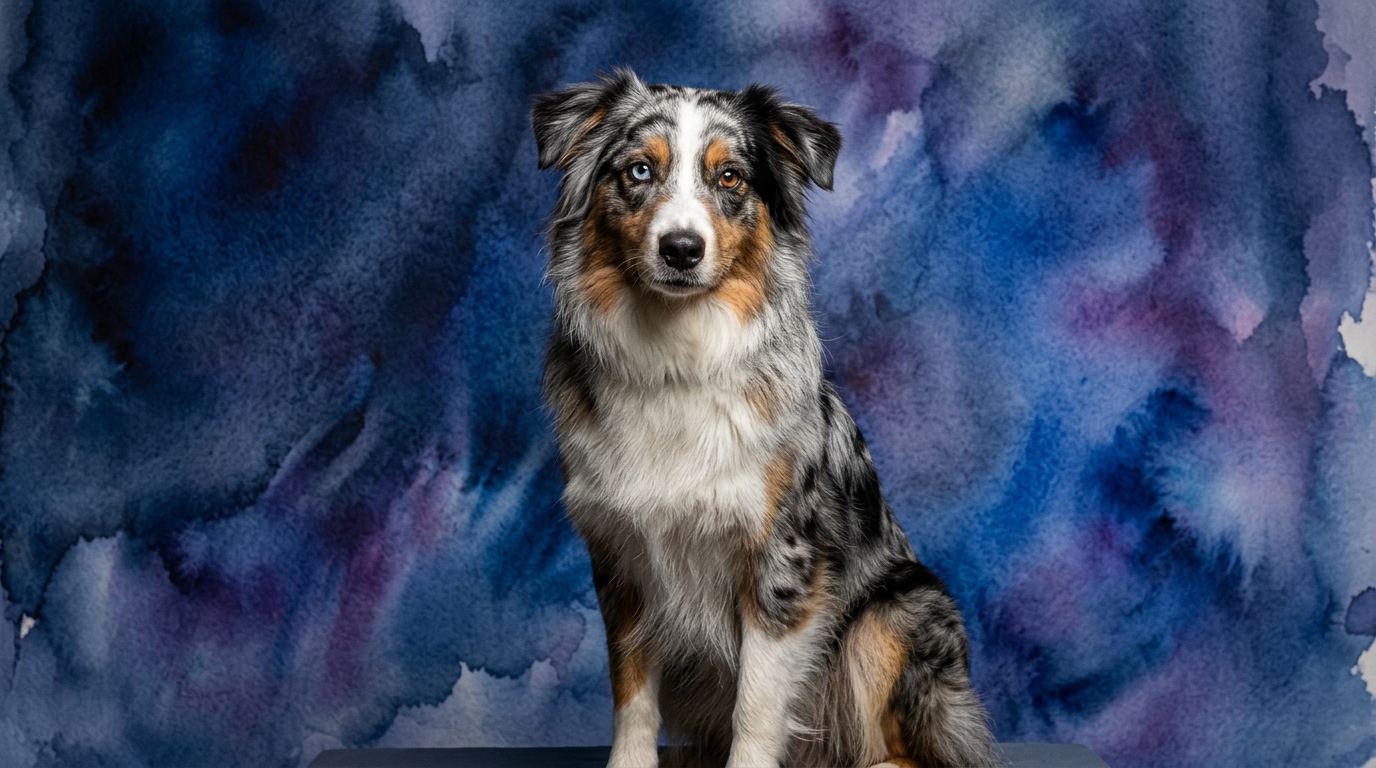
The Australian Shepherd presents a comprehensive cognitive profile, scoring 5/5 in Problem Solving, Training Speed, Instinctive Drive, and Memory, alongside a robust 4/5 in Social Intelligence. This indicates a breed capable of independent thought, quick learning, and a deep understanding of complex patterns, all fueled by a powerful innate drive to work. Their high social intelligence means they are adept at reading human emotions and intentions, often predicting needs or responding to subtle cues.
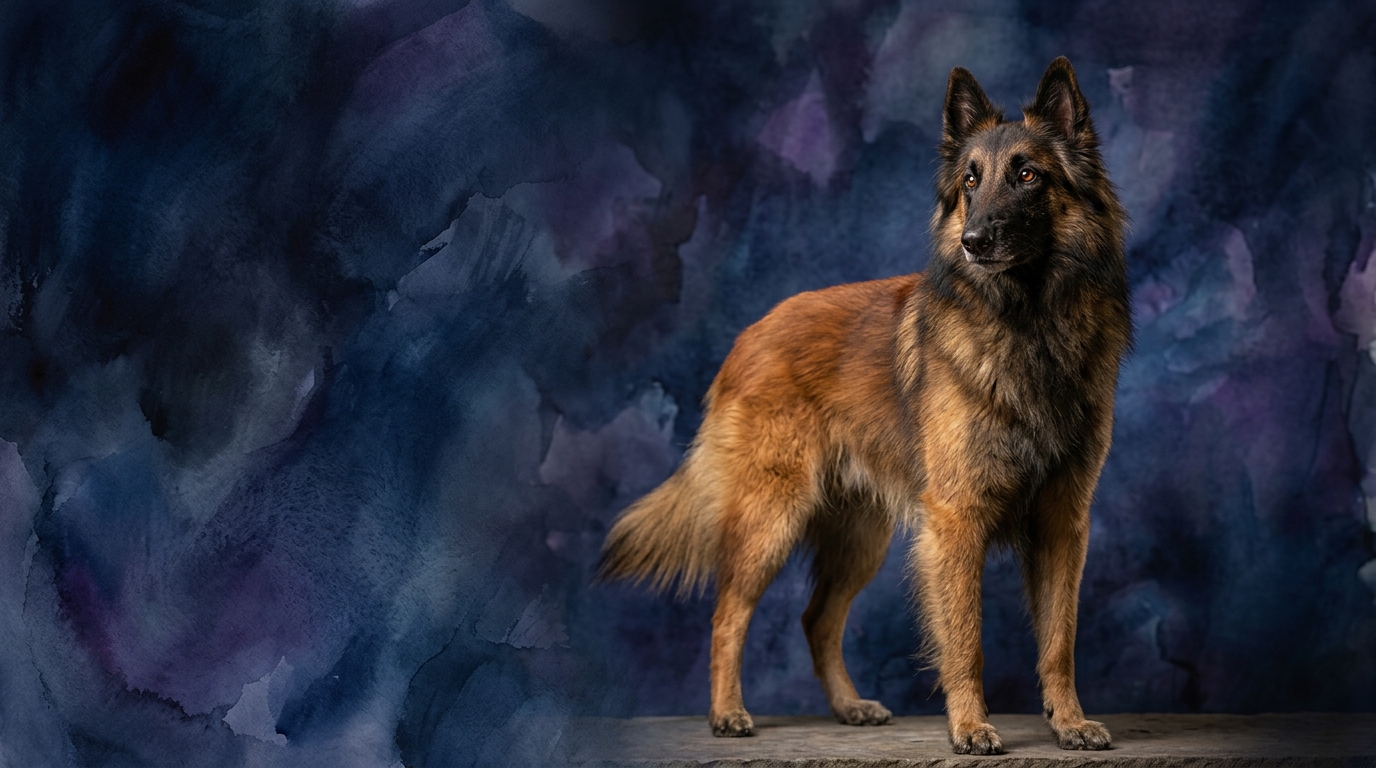
The Belgian Tervuren, while sharing some high scores, offers a subtly different cognitive makeup, with 5/5 in Problem Solving, Training Speed, and Memory. Their Instinctive Drive is rated at 3/5, and Social Intelligence at 3/5. Notably, the Tervuren holds a Coren rank of #14, placing them among the breeds with a strong capacity for obedience and working intelligence. This profile suggests a dog that learns rapidly and retains information well, capable of intricate problem-solving, but with a more reserved social approach and a moderately strong, though perhaps less overwhelming, inherent drive.
For the Australian Shepherd, a 5/5 in Problem Solving signifies a dog that doesn't just follow instructions but actively assesses situations and devises solutions, sometimes creatively. Their 5/5 Training Speed means they pick up new commands and routines with remarkable rapidity, often requiring fewer repetitions than many other breeds. The 5/5 Instinctive Drive points to a profound internal motivation for herding-related tasks, translating into intense focus and stamina, while their 5/5 Memory ensures they recall complex sequences and past experiences with precision. The 4/5 Social Intelligence allows them to navigate diverse human and animal interactions with a nuanced understanding of social dynamics.
Conversely, the Belgian Tervuren’s 5/5 in Problem Solving also highlights their capacity for independent thought and strategic thinking, making them excellent candidates for complex tasks. Their 5/5 Training Speed ensures they are fast learners, capable of mastering intricate obedience routines or specialized skills efficiently. A 5/5 Memory means they retain vast amounts of information, crucial for advanced training and long-term skill retention. The 3/5 Instinctive Drive suggests a manageable, yet present, working impulse that can be channeled effectively, while their 3/5 Social Intelligence indicates a more discerning or reserved approach to social interactions, often preferring a close bond with their primary handler over widespread geniality.
Where Australian Shepherd Wins Cognitively
The Australian Shepherd's cognitive profile shows distinct advantages in their higher Social Intelligence (4/5 versus the Tervuren's 3/5) and a significantly stronger Instinctive Drive (5/5 versus 3/5). Their elevated social intelligence allows them to be exceptionally attuned to their human companions, making them highly responsive to subtle changes in tone, body language, and mood. This capacity for nuanced communication makes them incredibly adaptable in family settings and dynamic social environments, often anticipating needs or reacting appropriately to complex social cues that a less socially astute dog might miss.
Furthermore, the Aussie's intense 5/5 Instinctive Drive translates into an unwavering tenacity and focus when engaged in tasks, especially those that mimic their herding heritage. This deep-seated motivation means they often exhibit a self-starting quality in problem-solving and a sustained effort over long periods, making them exceptional partners for demanding sports like agility, flyball, or actual stock work. While requiring careful management to prevent misdirection, this powerful internal engine means they rarely lack motivation for engaging in stimulating activities, often pushing boundaries to achieve their goals.
Where Belgian Tervuren Wins Cognitively
While direct 'wins' in raw scores are limited for the Tervuren compared to the Aussie, their cognitive strengths lie in a different operational style, particularly highlighted by their Coren rank of #14. This rank signifies a breed that excels in formal obedience and working intelligence, often demonstrating a precision and consistency in execution that is highly valued in competitive environments. Their slightly more reserved Social Intelligence (3/5) can, in certain contexts, be an advantage, leading to a more focused working relationship with their primary handler, less prone to distraction from external social stimuli.
The Tervuren's 3/5 Instinctive Drive, while lower than the Aussie's, can be seen as a cognitive advantage for owners seeking a powerful working dog whose natural impulses are more readily channeled into specific, directed tasks without the same level of potential 'overdrive.' This allows for a strong, dedicated work ethic that is perhaps more predictable and easier to manage in highly structured environments like protection work, competitive obedience, or search and rescue. Their cognitive strengths are geared towards developing a deep, singular partnership built on precise communication and unwavering focus on the task at hand.
Which is Easier to Train and Why
Both breeds boast a 5/5 Training Speed, meaning they both absorb new information with impressive rapidity. However, the 'ease' of training them diverges due to their other cognitive dimensions. The Australian Shepherd, with its 4/5 Social Intelligence, often makes training feel intuitive and collaborative; they read their handler's intentions exceptionally well, making communication fluid. Yet, their 5/5 Instinctive Drive and 5/5 Problem Solving can lead to them 'outthinking' their handler or becoming frustrated if not adequately challenged, requiring a creative and consistent training approach to channel their immense mental energy.
The Belgian Tervuren, also a fast learner, may require a slightly different training philosophy. Their 3/5 Social Intelligence means they might be less inclined to engage with strangers or less forgiving of inconsistent cues, often thriving on a more structured and formal training environment with a trusted handler. Their 3/5 Instinctive Drive, while still significant, can be more straightforward to direct into specific tasks, potentially making impulse control training less of a battle than with an Aussie. For the Tervuren, consistency and clear communication are paramount, fostering a deep, focused working bond where they excel at precise execution once a command is understood.
Which Suits Active Owners vs Relaxed Owners
It is crucial to preface this by stating that neither the Australian Shepherd nor the Belgian Tervuren are suitable for truly 'relaxed' owners; both are working breeds that demand significant physical and mental engagement. However, their specific cognitive profiles suggest different types of active ownership. The Australian Shepherd, with its 5/5 Problem Solving and 5/5 Instinctive Drive, thrives with owners who are not just active, but also highly engaged in providing constant mental challenges. They need to 'have a job' and will invent one if not given appropriate outlets, making them ideal for owners dedicated to dog sports like agility, frisbee, or even actual herding, who enjoy a dynamic, often self-initiated, partnership.
The Belgian Tervuren, while equally demanding of activity, may suit owners who prefer a more structured and precise approach to their dog's exercise and mental stimulation. Their cognitive strengths lean towards focused, repetitive tasks and a strong, singular bond, making them excellent partners for competitive obedience, protection sports, or long, focused hikes. They require an owner who appreciates developing a deep, dedicated working relationship through consistent training and clear guidance, rather than the more improvisational and self-directed problem-solving often seen in an Aussie.
The Verdict
Choose the Australian Shepherd if you are an owner who thrives on dynamic engagement, enjoys managing a powerful self-directed drive, and values a highly socially intuitive companion ready for diverse challenges.
Choose the Belgian Tervuren if you seek a dedicated, precise working partner, appreciate structured training for advanced tasks, and are prepared to foster a deep, focused bond with a discerning and reserved companion.
🧠 Find Your Pet's IQ Score
Our Pet IQ Lab assessment covers 25+ tests across 5 cognitive dimensions — personalized to your breed.
Take the Full IQ Test →Frequently Asked Questions
Are Australian Shepherds good family dogs?
Australian Shepherds can be excellent family dogs due to their high social intelligence and desire to be involved. However, their intense energy and need for mental stimulation mean they thrive best in active households that can provide consistent training, exercise, and a 'job' to do, otherwise they can become bored and destructive.
Do Belgian Tervurens need a lot of exercise?
Yes, Belgian Tervurens require substantial daily exercise and mental stimulation to be content. As a working breed, they need more than just a walk; activities like running, hiking, dog sports, or dedicated training sessions are crucial to satisfy their physical and cognitive needs.
What's the biggest difference in their trainability?
While both breeds have 5/5 Training Speed, the key difference lies in their approach: Australian Shepherds are often more intuitive and socially adaptable, but their high drive requires constant redirection. Belgian Tervurens excel with consistent, precise, and structured training, forming a deep, focused bond with their handler for specific tasks.