Side-by-Side Cognitive Profiles: Aussie vs. Border Terrier
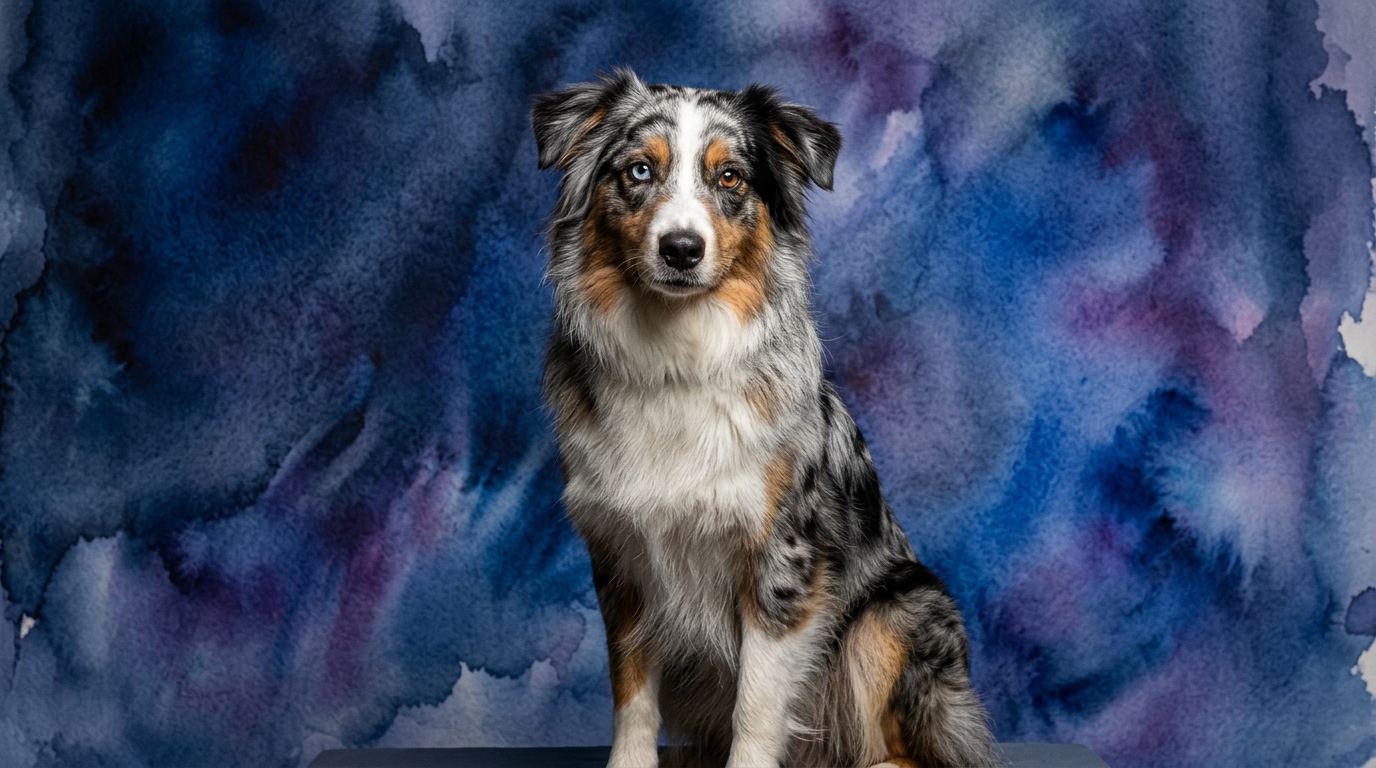
The Australian Shepherd, a formidable member of the Herding group, presents a robust cognitive profile, though not Coren-ranked, indicating a specialized working intelligence. Their Problem Solving is rated an exceptional 5/5, signifying an extraordinary capacity to analyze complex scenarios and independently devise solutions. Training Speed also scores a perfect 5/5, reflecting their rapid comprehension and ability to master new commands with minimal repetition. Social Intelligence is a strong 4/5, meaning they are highly attuned to human cues and emotions, often eager to collaborate. An intense 5/5 Instinctive Drive underscores their innate motivation for purposeful activity and work. Finally, their Memory is rated 5/5, indicating a remarkable ability to recall intricate sequences, learned behaviors, and past experiences with precision.
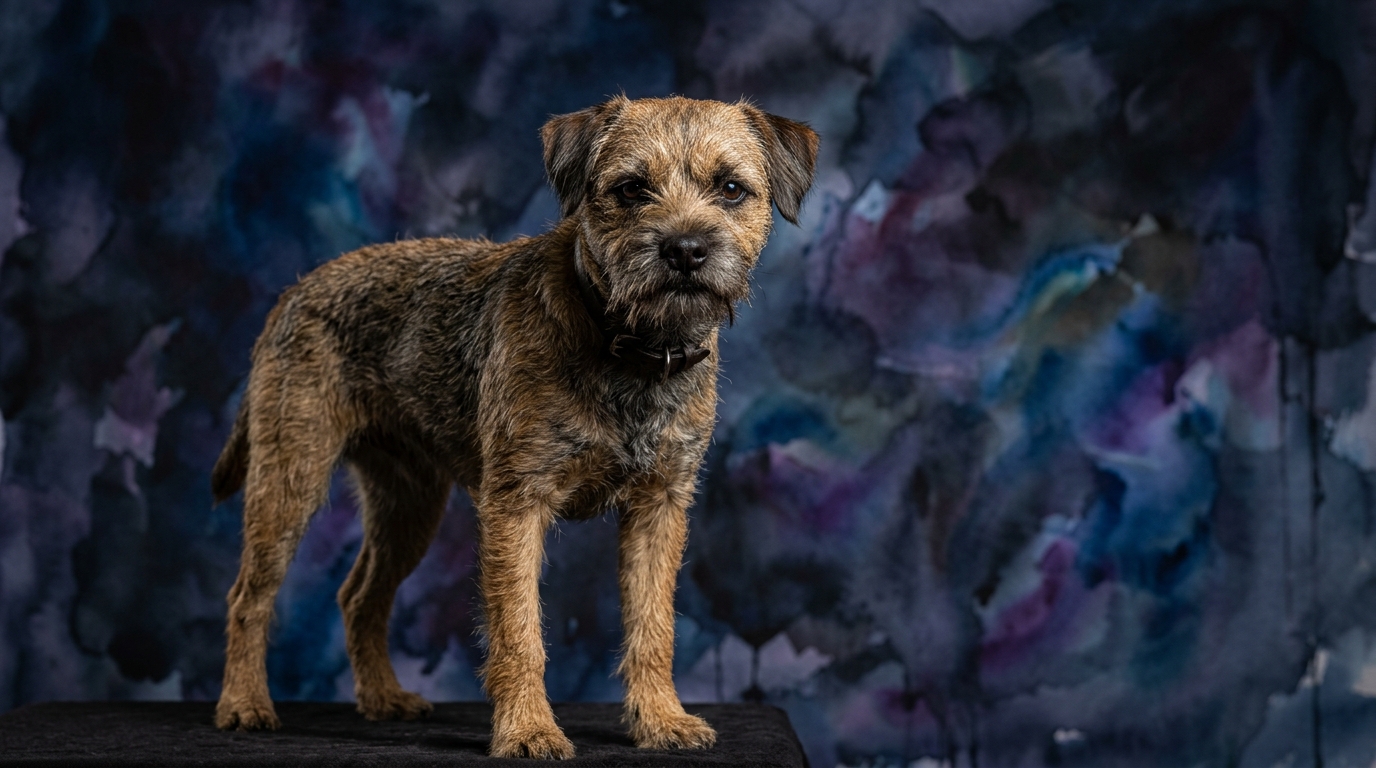
In contrast, the Border Terrier, from the Terrier group and Coren-ranked #30, offers a different set of cognitive strengths. Their Problem Solving is a solid 4/5, suggesting a strong aptitude for overcoming obstacles with a tenacious, independent approach typical of terriers. Training Speed is 4/5, indicating a good capacity for learning new tasks and commands, though they might require more consistent, engaging methods. Social Intelligence scores 3/5, implying they are aware of human interactions but might be less overtly focused on pleasing, often displaying a more self-reliant demeanor. Their Instinctive Drive is 3/5, pointing to a moderate but persistent motivation for tasks related to their heritage, like digging or chasing. Memory is rated 4/5, showing they retain information well, learning from experiences and remembering routines effectively.
Where the Australian Shepherd Wins Cognitively
The Australian Shepherd's cognitive profile showcases several standout strengths, particularly in its capacity for complex application. Their 5/5 rating in Problem Solving means they don't just follow instructions; they actively analyze situations, often devising solutions to novel challenges or adapting strategies on the fly. This translates into dogs capable of intricate tasks, from navigating complex agility courses to managing livestock with minimal human intervention. Coupled with a 5/5 Training Speed, Aussies demonstrate an almost unparalleled ability to absorb and apply new information, making them receptive to vast repertoires of commands and tricks. Their 5/5 Memory further solidifies this, allowing them to recall intricate sequences, past training, and even subtle environmental cues with remarkable accuracy. This confluence of high problem-solving, rapid learning, and robust memory makes them exceptional partners for complex, multi-stage activities where precision and adaptability are paramount. Their 4/5 Social Intelligence ensures they are cooperative and attentive, generally eager to engage with their human partners in these demanding tasks, creating a formidable collaborative unit.
Where the Border Terrier Wins Cognitively
While the Border Terrier's scores might not reach the Australian Shepherd's peak, their cognitive strengths lie in their unique terrier pragmatism and independence. Their 4/5 Problem Solving, though not a 5/5, is characterized by a tenacious, self-directed approach. Where an Aussie might seek a human's directive, a Border Terrier is often adept at figuring out solutions to immediate, practical problems on its own, such as how to get to a perceived quarry or navigate a tricky scent trail. This independence, partially reflected in their 3/5 Social Intelligence, means they are less reliant on constant human validation and possess a robust sense of self-agency. For owners who value a dog that can think for itself and doesn't constantly seek instruction, this specific cognitive makeup is a clear advantage. Furthermore, their 3/5 Instinctive Drive, while still present, is often more contained and focused compared to a high-drive herding breed. This allows them to transition more readily between active engagement and quiet companionship, offering a balance that many find appealing in a working-type dog. Their 4/5 Memory ensures they learn from experience and retain crucial information, making them effective learners when tasks align with their independent drive.
Training Ease: Receptiveness vs. Independence
The Australian Shepherd presents as the easier breed to train, primarily due to their stellar 5/5 Training Speed and 5/5 Problem Solving. These dogs exhibit an eagerness to learn and a natural aptitude for understanding human directives, often picking up new commands after just a few repetitions. Their 4/5 Social Intelligence means they are highly attuned to their human's intentions and feedback, often working to please and collaborate. This combination of rapid comprehension, strong memory, and cooperative spirit makes them highly malleable and responsive pupils, capable of advanced obedience, intricate tricks, and complex task work. An Aussie's natural inclination to gather and respond to subtle cues further enhances their trainability, making them exceptional partners in structured learning environments.
In contrast, the Border Terrier, with its 4/5 Training Speed, is certainly capable of learning, but often requires more consistency and patience. Their 3/5 Social Intelligence suggests a more independent streak; while they learn well, they might not always prioritize human approval over their own investigative instincts or perceived "important" tasks, like following a scent or digging. Training a Border Terrier often involves finding ways to make the learning process engaging and rewarding, tapping into their innate curiosity and drive rather than relying solely on a desire to please. They might challenge a boundary more to test its limits or pursue an independent interest, requiring a trainer who understands and respects their terrier tenacity.
Lifestyle Match: Active Engagement vs. Balanced Drive
For active owners seeking a constant companion for demanding pursuits, the Australian Shepherd is an ideal match. Their 5/5 Instinctive Drive necessitates consistent mental and physical engagement, thriving on activities like agility, herding, disc dog, or long hikes. Owners who can commit to several hours of purposeful activity daily will find the Aussie's problem-solving and training speed a joy to work with, as they excel when given a "job." An owner seeking a more relaxed companion, however, would likely find an Australian Shepherd's intense drive overwhelming, potentially leading to boredom-induced behaviors if their needs aren't met.
The Border Terrier, with its 3/5 Instinctive Drive, offers a more adaptable middle ground. They are certainly not "relaxed" dogs; they possess a terrier's zest for life and enjoy regular activity, including walks, play sessions, and opportunities to explore. However, their drive is generally more manageable than an Aussie's, allowing for periods of downtime and relaxation without the same level of potential frustration. They suit active owners who appreciate adventure but also value a dog that can comfortably settle into a home environment for quieter evenings, making them a good fit for those who are active but don't require an "always on" canine partner.
The Verdict
Choose an Australian Shepherd if you are an experienced, highly active owner eager for a deeply collaborative partner capable of mastering complex tasks and thriving on extensive mental and physical engagement.
Choose a Border Terrier if you seek an independent, tenacious companion with a moderate drive, who enjoys regular activity but also appreciates downtime, fitting well into an active home without requiring constant, intense "work."
🧠 Find Your Pet's IQ Score
Our Pet IQ Lab assessment covers 25+ tests across 5 cognitive dimensions — personalized to your breed.
Take the Full IQ Test →Frequently Asked Questions
Do Australian Shepherds need a job to be happy?
Yes, their 5/5 instinctive drive and problem-solving capacities mean Australian Shepherds genuinely thrive when given purposeful mental and physical tasks. Without a "job" or consistent engagement, they can become bored and develop undesirable coping behaviors.
Are Border Terriers good for first-time dog owners?
Border Terriers can be suitable for dedicated first-time owners who are prepared for their independent and tenacious terrier nature. While trainable (4/5 speed), their moderate instinctive drive and self-reliant social intelligence mean they benefit from consistent, positive training and clear boundaries.
Which breed is more prone to separation anxiety?
With a higher social intelligence (4/5) and a strong desire to collaborate, Australian Shepherds can be more prone to separation anxiety if not properly conditioned or if their needs for companionship and engagement are unmet. Border Terriers (3/5 social intelligence) tend to be more independent and generally less prone to severe separation anxiety, though individual personalities vary.