Side-by-Side IQ Profile: Australian Shepherd vs. Boston Terrier
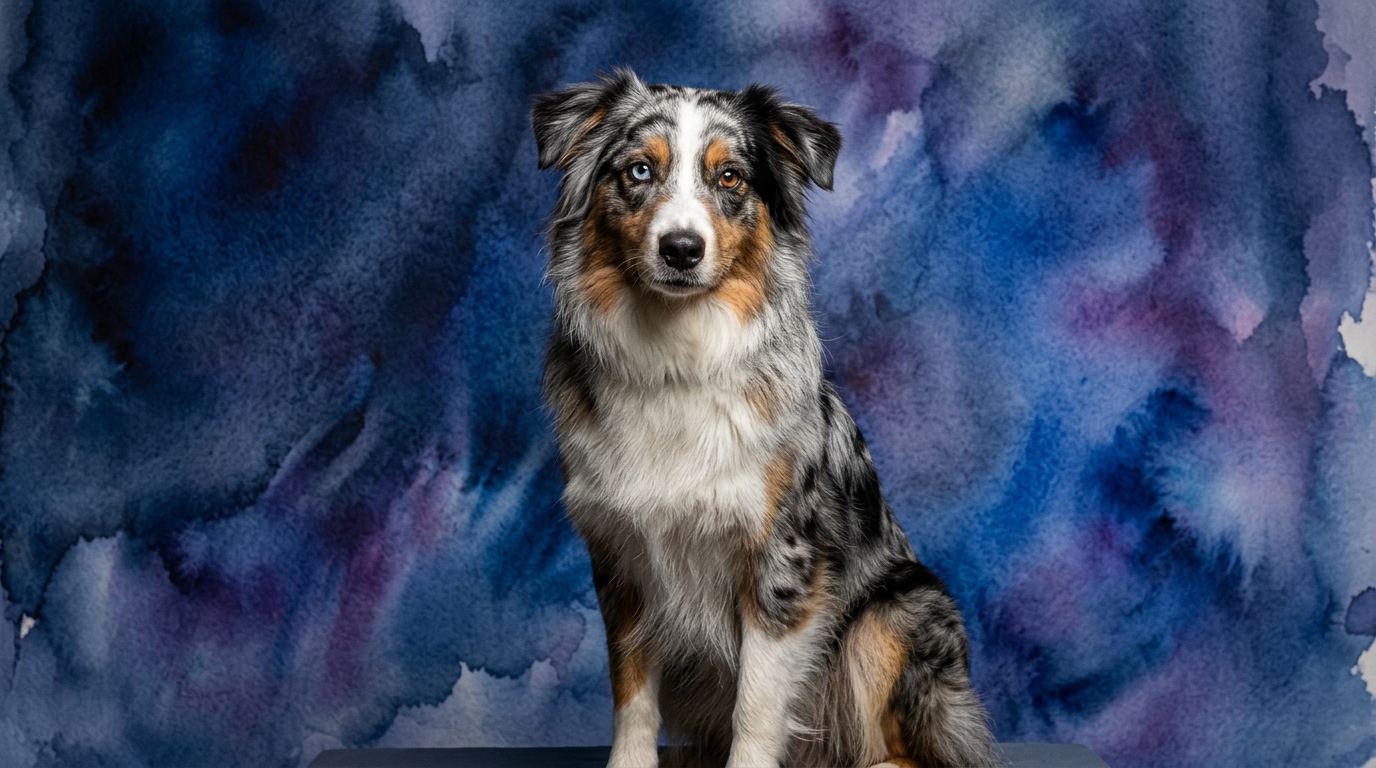
**Australian Shepherd (Herding Group):** Originating from a lineage of working dogs, the Australian Shepherd's cognitive architecture is optimized for complex tasks and dynamic environments. Their **Problem Solving (5/5)** reflects an exceptional capacity to analyze situations, make independent decisions, and adapt strategies, crucial for managing livestock in varied terrains. This breed's **Training Speed (5/5)** is remarkable; they absorb new commands and complex sequences with astonishing rapidity, often requiring minimal repetitions due to their keen observational skills and eagerness to engage. Their **Social Intelligence (4/5)**, while strong, often manifests as a deep understanding of human handlers and pack hierarchy, coupled with a protective instinct, rather than purely seeking affection. A powerful **Instinctive Drive (5/5)** fuels their unwavering focus, persistence, and tireless energy, directing their cognitive resources into purposeful tasks. Finally, their **Memory (5/5)** is outstanding, allowing them to recall intricate routines, multiple commands, and specific locations or individuals over extended periods, facilitating sophisticated work.
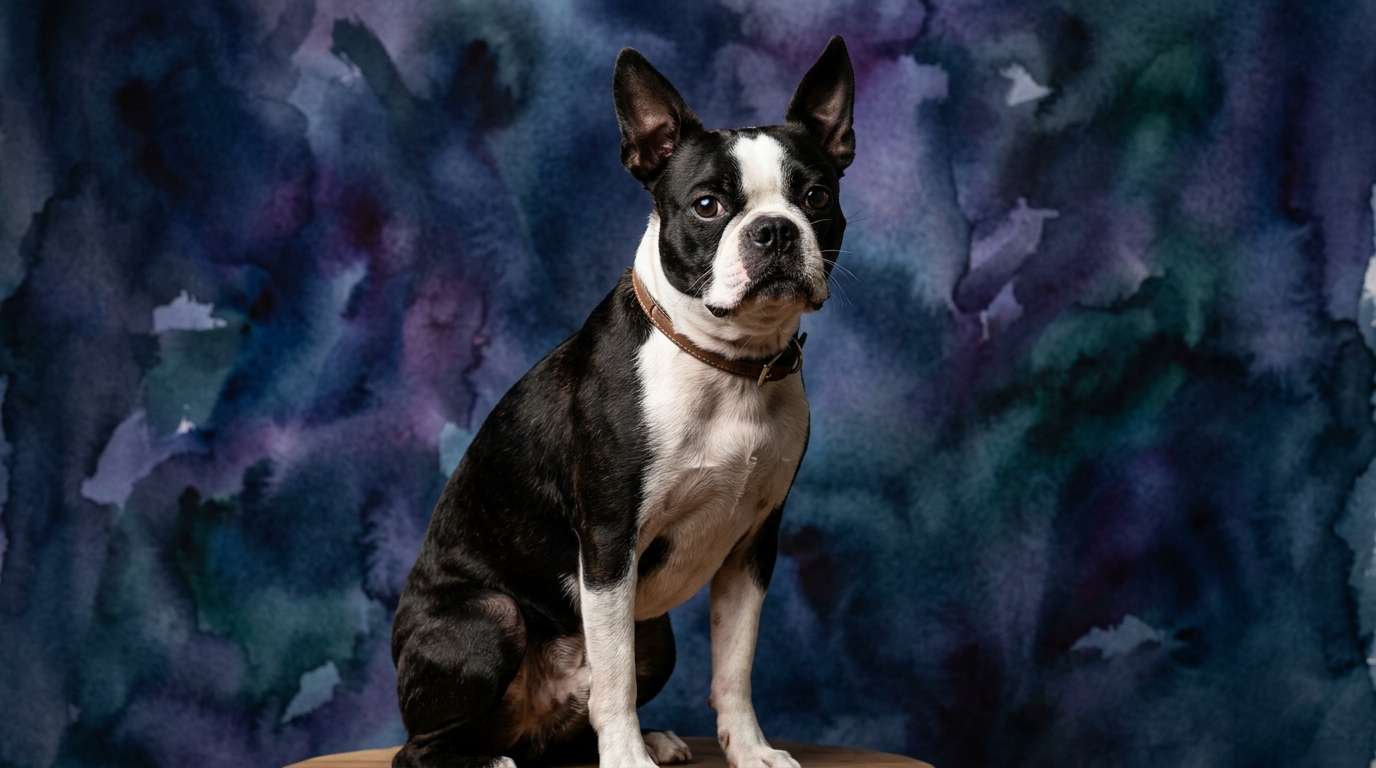
**Boston Terrier (Non-Sporting Group):** Bred primarily for companionship, the Boston Terrier's cognitive strengths lean towards adaptability within a domestic setting rather than demanding fieldwork. Their **Problem Solving (3/5)** indicates a moderate ability; they can figure out basic puzzles or navigate familiar environments but typically do not excel in complex, multi-step challenges. **Training Speed (3/5)** for a Boston Terrier is steady and average, meaning they learn with consistent positive reinforcement and patience, making progress through dedication rather than immediate grasp. Their **Social Intelligence (4/5)** truly shines, enabling them to form deep bonds with their families, read human emotions, and adapt their behavior to fit seamlessly into household dynamics, making them exceptional companions. A notably low **Instinctive Drive (2/5)** means they possess minimal inherent inclination for intense work or strenuous tasks, preferring comfort and companionship over independent problem-solving. Consequently, their **Memory (3/5)** is reliable for essential commands and daily routines, but their recall might not extend to the same depth or complexity of sequences as breeds with higher working drives.
Where the Australian Shepherd Wins Cognitively
The Australian Shepherd's cognitive profile demonstrates a clear advantage in areas requiring sophisticated operational intellect. Their 5/5 Problem Solving and Memory scores mean they excel at intricate task mastery, whether it's navigating an agility course with precision or understanding multi-stage verbal cues. A herding dog needs to process a rapidly changing environment, predict livestock movement, and make quick, independent decisions, which their cognitive structure fully supports. This capacity for complex, dynamic thinking sets them apart, allowing them to not just follow commands but to interpret and execute them within a broader context. Their 5/5 Training Speed also means they acquire these complex skills with remarkable efficiency, absorbing new information and behaviors at an accelerated rate, making them exceptionally versatile learners capable of mastering advanced disciplines.
Where the Boston Terrier Wins Cognitively
While the Australian Shepherd excels in active, task-oriented cognition, the Boston Terrier's cognitive strengths lie in their nuanced social engagement and adaptability to a companion role. Their 4/5 Social Intelligence is a significant asset, allowing them to integrate seamlessly into human families, understand subtle emotional cues, and provide consistent, comforting companionship. Unlike the Aussie, whose social intelligence is often tied to a working partnership, the Boston's social acumen is directed purely towards fostering harmonious domestic relationships. Furthermore, their 2/5 Instinctive Drive can be seen as a cognitive win for the pet owner seeking a low-maintenance companion; they are less prone to self-employment behaviors driven by strong inherent urges, making them naturally more inclined to relax and engage in calm, social interactions within the home environment. This lack of intense drive means less cognitive energy is spent managing powerful instincts, allowing them to focus on their primary role as a devoted family member.
Which is Easier to Train and Why
Determining which breed is "easier" to train depends entirely on the owner's goals and definition of ease. The Australian Shepherd, with its 5/5 Training Speed and Problem Solving, absorbs new commands and complex routines with astonishing rapidity. They are eager to learn and thrive on mental challenges, often mastering multi-step tasks in fewer repetitions than many other breeds. However, their equally high 5/5 Instinctive Drive means that while they learn quickly, they also require consistent, engaging training to channel their powerful herding instincts appropriately. Without proper mental and physical outlets, an Aussie might "self-employ" by herding children, nipping at heels, or becoming destructive out of boredom, necessitating proactive management of their cognitive energy and a committed training regimen.
The Boston Terrier, with a 3/5 Training Speed and Problem Solving, learns at a more moderate pace, requiring patience and repetition. They respond well to positive reinforcement methods and are generally eager to please, but might not grasp new concepts as immediately as an Aussie. Where the Boston offers a different kind of ease is in their lower 2/5 Instinctive Drive. This means they are less likely to develop problematic behaviors stemming from unfulfilled working urges. They are typically content with basic obedience and social interaction, requiring less intensive management of strong inherent impulses. Training a Boston Terrier is about consistent, gentle guidance to build good habits, rather than redirecting powerful, ingrained drives, making them a more straightforward choice for owners seeking a less demanding training journey focused on basic manners and companionship.
Which Suits Active Owners vs. Relaxed Owners
For active owners, the Australian Shepherd is an ideal match. Their robust 5/5 Problem Solving, 5/5 Training Speed, 5/5 Instinctive Drive, and 5/5 Memory mean they require substantial mental and physical engagement daily. These dogs thrive in environments where they can participate in dog sports like agility, flyball, or advanced obedience, where their cognitive strengths are fully utilized. An active owner who enjoys hiking, running, or working with their dog on complex tasks will find an Aussie to be an incredibly rewarding and capable partner, eager to learn and excel. Their cognitive profile demands a lifestyle that provides consistent intellectual challenges and opportunities to apply their considerable mental faculties, making them unsuitable for a sedentary existence.
Relaxed owners will find the Boston Terrier to be a more suitable companion. With their 3/5 Problem Solving, 3/5 Training Speed, and notably low 2/5 Instinctive Drive, Bostons are generally content with moderate daily exercise, indoor play, and significant social interaction. They are not driven by an intense need for complex work or strenuous activity, preferring to be close to their human family. A relaxed owner who enjoys cozy evenings, short walks around the neighborhood, and a dog whose primary joy is affectionate companionship will appreciate the Boston's calm demeanor and lower demands for intense mental stimulation. Their 4/5 Social Intelligence makes them excellent, adaptable house pets that thrive on being included in everyday family life without requiring an extensive "job."
The Verdict
Opt for an Australian Shepherd if you are an experienced, active owner dedicated to providing consistent mental stimulation, advanced training, and vigorous physical activity, seeking a highly capable partner for sports or complex tasks.
Select a Boston Terrier if you desire a charming, affectionate companion for a more relaxed lifestyle, prioritizing social interaction and moderate activity over intense training and working demands.
🧠 Find Your Pet's IQ Score
Our Pet IQ Lab assessment covers 25+ tests across 5 cognitive dimensions — personalized to your breed.
Take the Full IQ Test →Frequently Asked Questions
Can an Australian Shepherd be a good family pet, considering their strong herding drive?
Yes, Australian Shepherds can be excellent family pets, but their strong herding drive (5/5 Instinctive Drive) means they require consistent training and appropriate outlets for their energy. Owners must channel this drive positively through structured activities and mental challenges to prevent them from "herding" children or other pets.
Do Boston Terriers need a lot of mental stimulation to be content?
Boston Terriers have a moderate need for mental stimulation (3/5 Problem Solving), significantly less than a working breed. They enjoy simple puzzle toys and learning basic commands, but their contentment primarily stems from social interaction and companionship rather than complex intellectual challenges.
How does the Coren rank of the Boston Terrier (54) compare to the Australian Shepherd's cognitive profile?
The Boston Terrier's Coren rank of #54 indicates they are of "average working/obedience intelligence," meaning they generally require 25-40 repetitions to learn new commands. While the Australian Shepherd isn't Coren-ranked, its 5/5 Training Speed and Problem Solving scores suggest a much higher aptitude for rapid learning and complex task mastery, far exceeding the average Coren performance.