A Side-by-Side Look at Herding Cognition
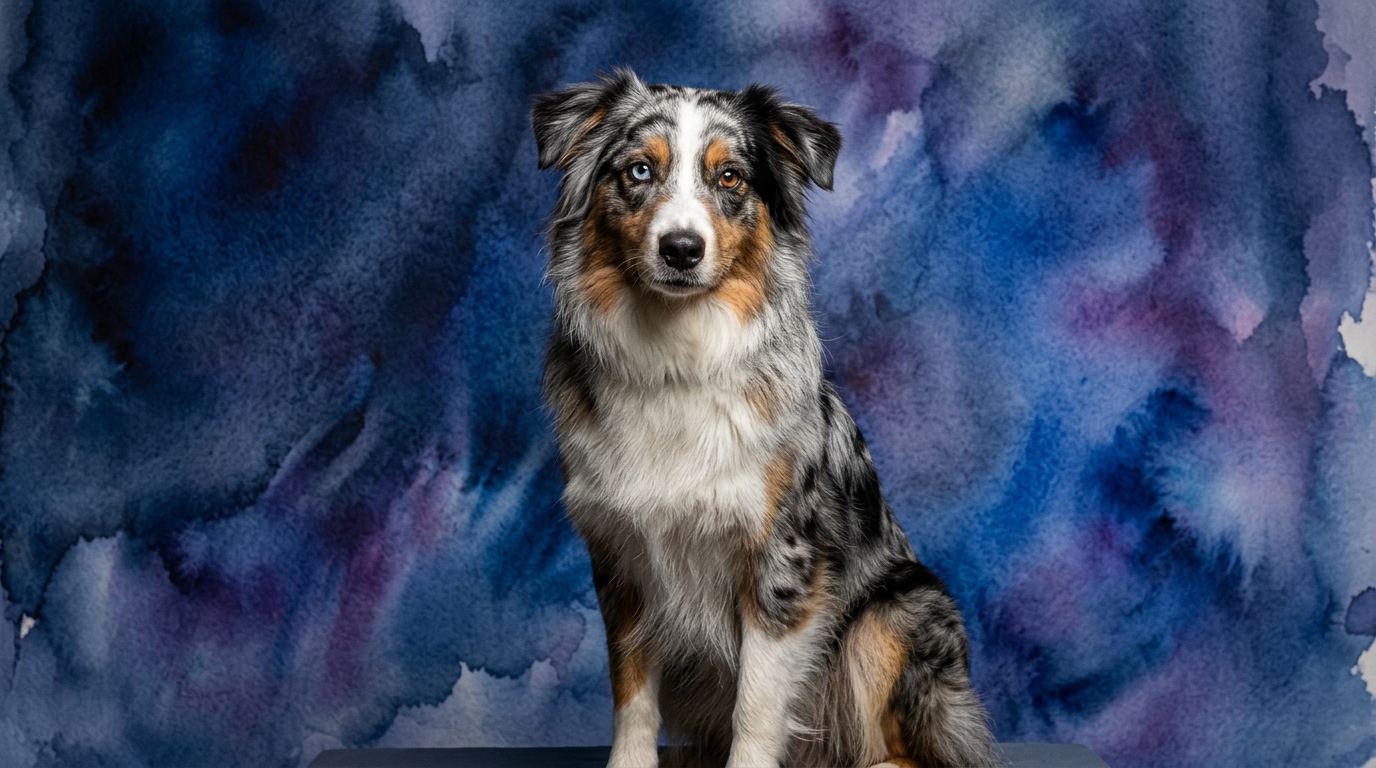
The Australian Shepherd, though not officially Coren-ranked, showcases a top-tier cognitive profile within The Cosmic Pet Pet IQ Lab, scoring a perfect 5/5 in both Problem Solving and Training Speed. This indicates an exceptional capacity to analyze novel situations and rapidly acquire new skills and commands. Their Social Intelligence stands at a robust 4/5, reflecting a keen awareness of human cues and pack dynamics, while an Instinctive Drive of 5/5 underscores their profound genetic predisposition for herding and working. Complementing these traits is a flawless Memory score of 5/5, allowing them to retain vast amounts of information and learned behaviors over time.
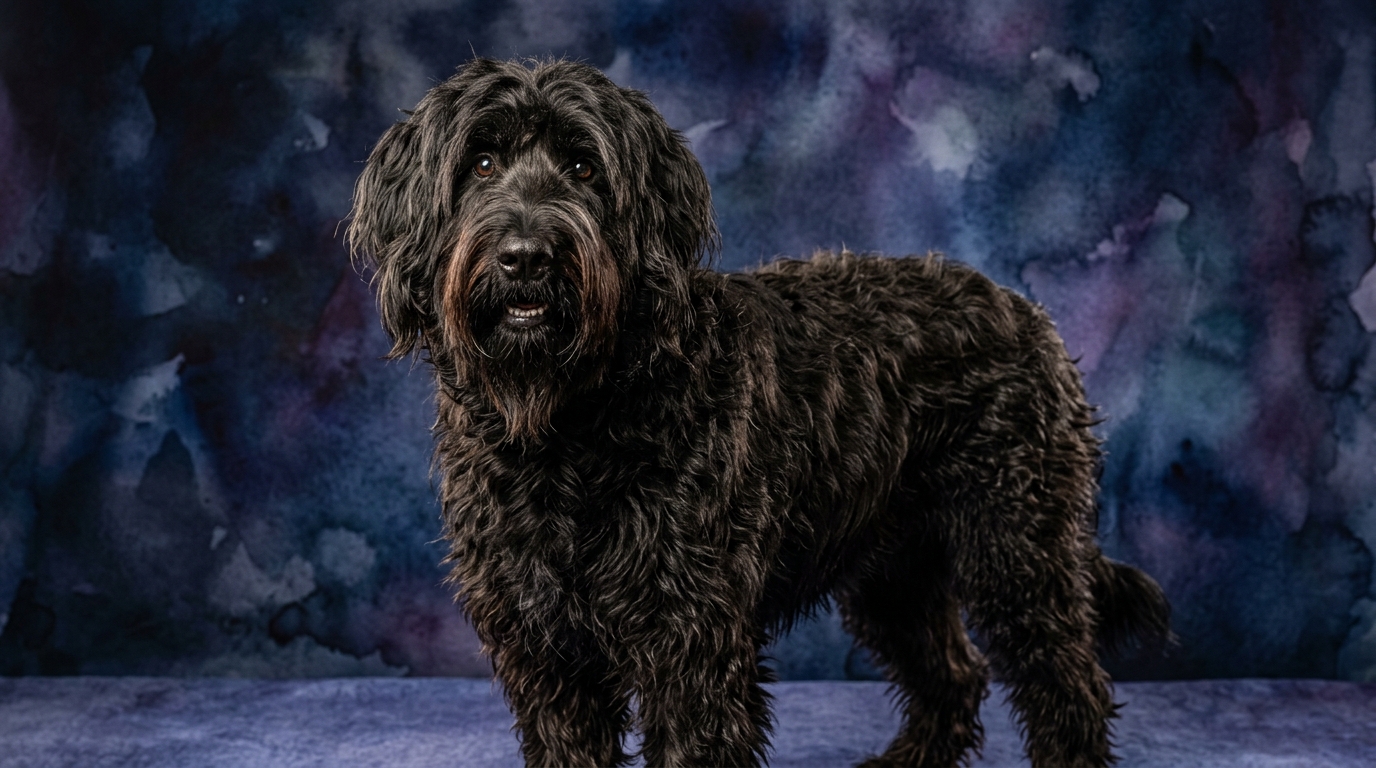
The Briard, earning a respectable Coren rank of #30, presents a slightly different cognitive architecture according to our lab's metrics. They achieve a strong 4/5 in Problem Solving, demonstrating competence in navigating challenges, and a similar 4/5 in Training Speed, suggesting a good pace for learning. Their Social Intelligence is rated at 3/5, indicating a more selective or reserved approach to interactions compared to some other breeds. An Instinctive Drive of 3/5 points to an active but perhaps less intensely focused herding inclination, and their Memory score of 4/5 shows a solid ability to recall past experiences and training.
Where the Australian Shepherd Leads Cognitively
The Australian Shepherd's cognitive strengths are particularly evident in their superior Problem Solving and Training Speed, both earning a perfect 5/5. This translates into a dog that not only grasps new commands with impressive swiftness but can also independently figure out solutions to environmental puzzles, such as opening latches or devising strategies to gather dispersed objects. Their 5/5 Memory further enhances this, allowing them to build upon complex skill sets without significant review, making them exceptionally adaptable to varied working roles and advanced canine sports. This breed doesn't just learn; it synthesizes and applies knowledge with remarkable efficiency, often anticipating next steps.
Beyond raw learning capacity, the Australian Shepherd's 5/5 Instinctive Drive fuels their engagement and purpose. This isn't merely about physical energy; it's a profound cognitive drive to work, to organize, and to fulfill a role, which makes them incredibly receptive to tasks that challenge their intellect. Their 4/5 Social Intelligence ensures this drive is often channeled cooperatively with their human partners, allowing for nuanced communication and a deep understanding of expectations. Owners frequently observe their Aussies anticipating commands or reacting appropriately to subtle shifts in their handler's body language, showcasing a profound attunement.
The Briard's Distinct Cognitive Strengths
While the Briard's scores might appear numerically lower in some categories, their cognitive profile reveals a different kind of strength, particularly in their balanced yet formidable capabilities. Their 4/5 in Problem Solving signifies a dog that is certainly capable of independent thought and resourceful solutions, albeit perhaps with a slightly longer processing time than an Aussie. This means a Briard can still navigate complex environments and learn intricate tasks, but they might approach them with a more measured, thoughtful deliberation, which can be an asset in situations requiring patience rather than immediate action. Their 4/5 Memory supports this deliberate learning, ensuring that once a lesson is absorbed, it's retained effectively.
The Briard's 3/5 Social Intelligence and Instinctive Drive, while lower than the Aussie's, contribute to a unique cognitive advantage for specific lifestyles. Their more reserved social nature means they often form deep, protective bonds with their immediate family, exhibiting a discerning intelligence in their interactions. They aren't universally effusive, but rather choose their connections carefully, displaying a loyalty that is both profound and selective. Similarly, their 3/5 Instinctive Drive means they possess a strong working ethic without the overwhelming, constant need for intense mental and physical output that can characterize higher-drive breeds. This allows them to be engaged and purposeful without becoming easily overstimulated in a pet environment, translating to a more calm and composed presence indoors after sufficient activity.
Training Dynamics: Which Breed Learns with More Ease?
When evaluating ease of training, the Australian Shepherd clearly holds an edge, primarily due to their 5/5 Training Speed and Problem Solving scores. These cognitive attributes mean Aussies typically pick up new commands and routines with remarkable rapidity, often requiring fewer repetitions to solidify a behavior. Their high Instinctive Drive (5/5) means they are inherently motivated to engage in structured activities and find purpose in learning, making them highly responsive to positive reinforcement and eager to please. This combination allows for quick progression through obedience levels and complex skill acquisition, making the training process feel highly collaborative and rewarding for both dog and handler. An Aussie might generalize a command learned in one context to an entirely new environment almost immediately.
The Briard, with 4/5 in both Training Speed and Problem Solving, is certainly trainable, but their process often requires a touch more patience and consistency. They are capable learners, but might not absorb new information with the same lightning speed as an Australian Shepherd. Their 3/5 Social Intelligence can also mean they might be less universally eager to please strangers or new trainers, preferring to build a strong bond and trust first. This isn't a lack of ability, but rather a difference in learning style and motivation. Owners might find that Briards excel with clear, consistent methods and thrive on understanding the 'why' behind a command, demanding a more structured and deliberate training approach.
Matching Cognitive Profiles to Lifestyles: Active vs. Relaxed Owners
For owners seeking a partner for an intensely active lifestyle, the Australian Shepherd's cognitive profile aligns perfectly. Their 5/5 Problem Solving, 5/5 Training Speed, and 5/5 Instinctive Drive mean they thrive on constant mental engagement and physical activity. These dogs are not content with simple walks; they require a job, whether it's herding, agility, obedience, flyball, or complex trick training. Their superior memory and drive ensure they are always ready for the next challenge, making them ideal for individuals or families who can dedicate significant time to advanced training, competitive dog sports, or extensive outdoor adventures. An Aussie who isn't sufficiently challenged cognitively and physically can become bored and channel their considerable intellect into less desirable behaviors, such as incessant herding of family members or destructive chewing.
The Briard, while a working breed, offers a more adaptable cognitive fit for owners who appreciate activity but might not maintain the same relentless pace as an Aussie owner. Their 4/5 Problem Solving and Training Speed, combined with a 3/5 Instinctive Drive, mean they enjoy and benefit from regular engagement, but are often more content to relax after a good session. They still require consistent exercise and mental stimulation to prevent boredom, but their needs are typically less intense and all-consuming than an Australian Shepherd's. A Briard might be better suited for owners who enjoy daily walks, occasional hikes, and consistent, clear training sessions, but who also value a loyal, calm companion during downtime. Their discerning social intelligence also means they might be less prone to over-excitement in new situations, offering a more composed presence in varied environments.
The Verdict
Choose an Australian Shepherd if you are an experienced dog owner prepared to fully commit to an exceptionally intelligent and high-drive companion. They excel with consistent, challenging mental and physical stimulation, thriving in active homes that embrace advanced training, dog sports, or a working role. Their rapid learning and problem-solving skills demand an owner who can keep pace with their intellect and provide ample opportunities for their formidable abilities to shine.
Opt for a Briard if you appreciate a loyal, discerning companion with a strong sense of purpose, but with a slightly more moderate intensity than an Aussie. They suit owners who can provide consistent training, regular exercise, and value a protective, devoted family member who is content with a good balance of activity and calm companionship. Their cognitive strengths thrive with patient, clear guidance and a strong bond.
🧠 Find Your Pet's IQ Score
Our Pet IQ Lab assessment covers 25+ tests across 5 cognitive dimensions — personalized to your breed.
Take the Full IQ Test →Frequently Asked Questions
Are Australian Shepherds better guard dogs than Briards?
The Australian Shepherd's 4/5 social intelligence and high drive make them alert, but the Briard's 3/5 social intelligence often translates to a more reserved and protective nature towards their family. Briards are historically known for guarding livestock and property, making them naturally more inclined towards protective roles compared to the generally more outwardly social Aussie.
Which breed needs more mental stimulation daily?
The Australian Shepherd, with 5/5 Problem Solving and Instinctive Drive, generally requires more intense and varied daily mental stimulation. Their cognitive profile means they need constant challenges to prevent boredom. The Briard, while still requiring mental engagement, has a slightly lower drive and may be satisfied with consistent training and puzzles rather than continuous complex tasks.
Can a first-time dog owner manage either of these breeds?
Both breeds present significant challenges for first-time owners due to their strong herding instincts and intelligence. An Australian Shepherd's intense drive and need for constant engagement can be overwhelming. A Briard's independent nature and discerning social intelligence also require consistent, knowledgeable handling, making neither an ideal choice for a novice without dedicated mentorship or professional guidance.