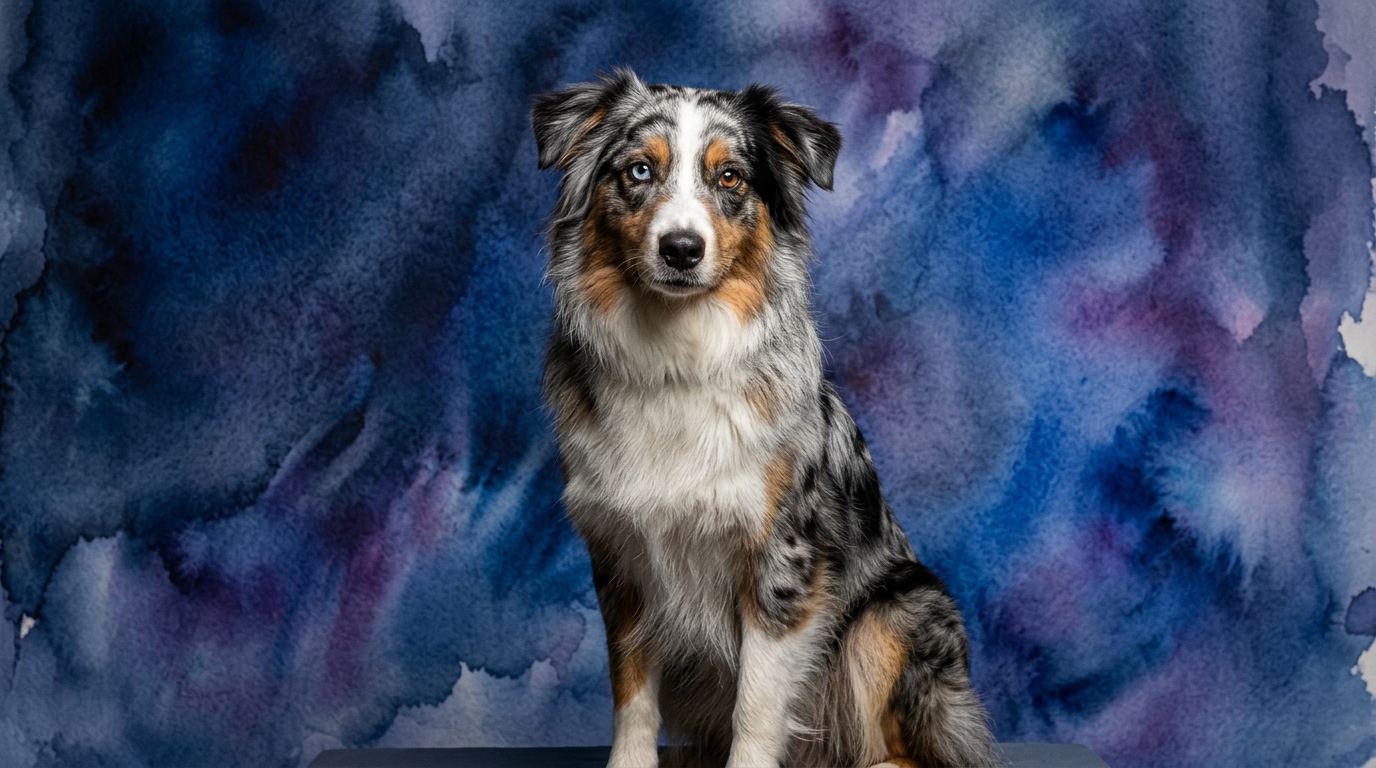
Side-by-Side IQ Profile: Australian Shepherd
The Australian Shepherd, a breed forged in the demands of herding, exhibits a cognitive profile tailored for dynamic, interactive work. Their Problem Solving score of 5/5 reflects their exceptional ability to analyze novel situations, devise solutions on the fly, and adapt strategies, whether navigating a complex agility course or outsmarting a stubborn flock. Training Speed, also at 5/5, highlights their eagerness and capacity to absorb new commands and behaviors with remarkable alacrity, often picking up new tasks after just a few repetitions. Their Social Intelligence, rated 4/5, indicates a strong aptitude for reading human and canine cues, understanding group dynamics, and forming deep, collaborative partnerships, though they can be discerning with strangers. An Instinctive Drive of 5/5 underscores their relentless desire to work, to engage, and to channel their energy into purposeful tasks, often demonstrating an innate understanding of patterns and movements. Finally, their Memory, a perfect 5/5, allows them to recall extensive repertoires of commands, intricate routines, and past experiences with impressive detail, making them highly reliable partners over time.
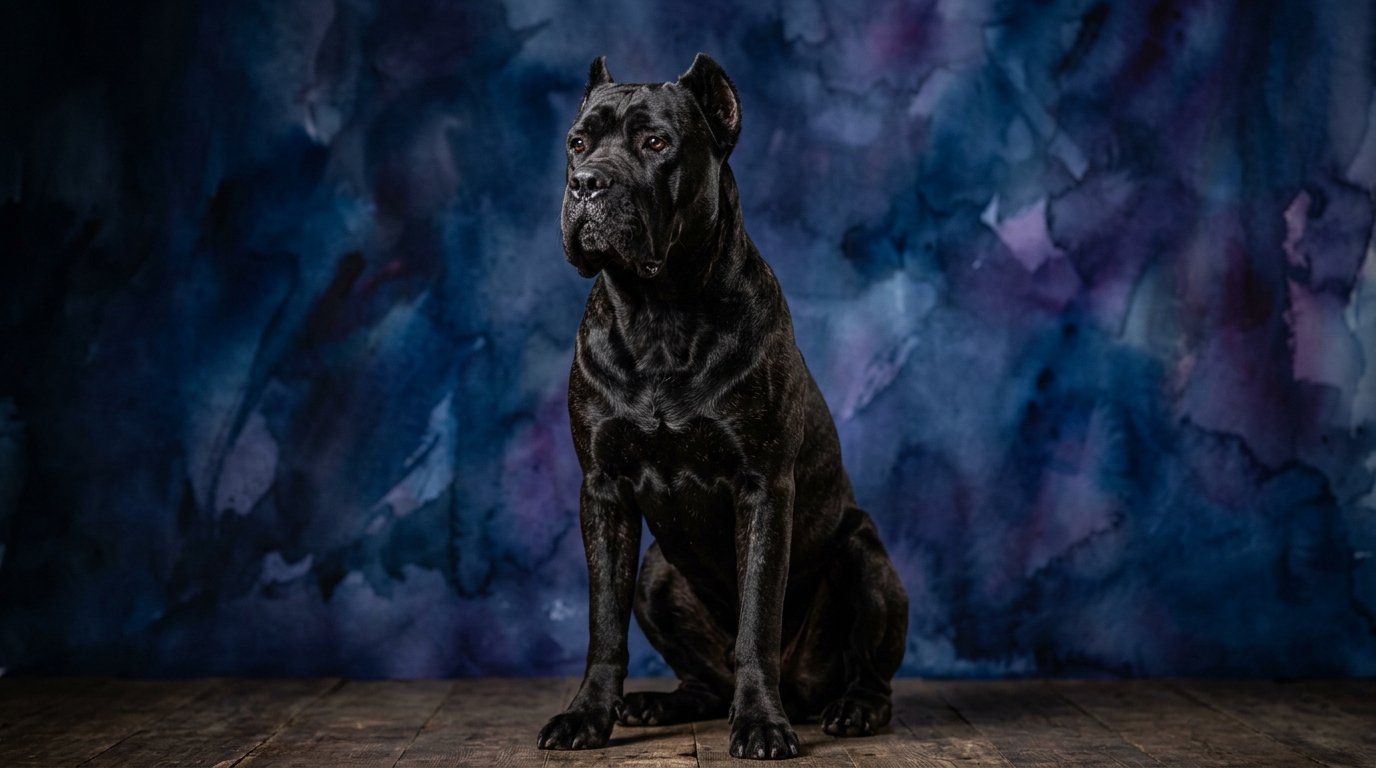
Side-by-Side IQ Profile: Cane Corso
In contrast, the Cane Corso, a sentinel breed rooted in protection and guardianship, presents a distinct cognitive architecture. Their Problem Solving score of 3/5 suggests a capable but more methodical approach; they can learn to solve tasks but may require more structured guidance and repetition than independent exploration. Training Speed, also at 3/5, reflects a steady learning curve that necessitates consistency and clear communication, rather than rapid generalization. They absorb commands reliably but often at their own thoughtful pace. Social Intelligence, rated 3/5, indicates a profound loyalty and understanding within their immediate family unit, yet a natural wariness towards outsiders; their social awareness is acutely tuned to discerning friend from potential threat rather than universal amiability. An Instinctive Drive of 3/5 points to a powerful, inherent protective nature that manifests as vigilance and territoriality, rather than a constant need for complex, active engagement. Their Memory, scoring 3/5, enables them to retain crucial commands, routines, and the identities of trusted individuals, but perhaps without the intricate recall of sequential events or strategies seen in breeds designed for continuous, varied tasks.
Where the Australian Shepherd Wins Cognitively
The Australian Shepherd's cognitive strengths shine particularly in scenarios demanding rapid processing, adaptability, and collaborative problem-solving. Their 5/5 problem-solving ability means they excel at tasks requiring spontaneous adjustments, such as navigating a complex agility course where obstacles are presented in novel sequences, or figuring out how to direct livestock through an unfamiliar gate. This isn't just about following commands; it's about interpreting a situation, making a decision, and executing a plan on the fly. Their extraordinary training speed allows them to acquire vast repertoires of commands and tricks, often chaining multiple behaviors together seamlessly after minimal instruction. Furthermore, their superior memory enables them to retain these complex sequences and apply past learning to new, similar challenges, making them incredibly efficient learners who rarely forget what they've mastered. This combination fosters a truly dynamic partnership, where the Aussie anticipates their handler’s next move and reacts with precision, demonstrating a profound understanding of their shared objectives.
Where the Cane Corso Wins Cognitively
The Cane Corso's cognitive advantages are rooted in their historical role as guardians, emphasizing discernment, steadiness, and unwavering loyalty rather than rapid, multi-faceted action. Their intelligence excels in situations requiring calm assessment and focused vigilance. While their problem-solving score is 3/5, this doesn't diminish their capacity for critical judgment in their specific domain. A Cane Corso demonstrates a unique cognitive strength in discerning appropriate responses to perceived threats, often exhibiting a nuanced understanding of body language and intent that goes beyond simple reactivity. Their social intelligence, while scoring 3/5, is profoundly deep within their family circle, allowing them to form exceptionally strong bonds and act as highly attuned protectors. This means they are keenly aware of their family members' safety and emotional states, responding with a steadfast presence. Their instinctive drive, also 3/5, is a powerful, focused protective instinct that requires mental fortitude and a measured approach, rather than frenetic activity. They demonstrate a cognitive win in their ability to maintain composure and make deliberate decisions in potentially high-stress situations, providing a reliable, watchful presence.
Which is Easier to Train and Why
Evaluating training ease between these two breeds reveals significant behavioral differences tied to their cognitive profiles. The Australian Shepherd, with its 5/5 scores in both Training Speed and Problem Solving, is generally considered far easier to train for a wide array of commands and complex tasks. Their innate eagerness to engage, coupled with a strong desire to work and please their handler, means they actively seek out learning opportunities. They quickly generalize commands to new environments and situations, and their exceptional memory ensures long-term retention. Their high instinctive drive, often directed towards herding, can be readily channeled into productive training exercises, turning potential restlessness into focused mental engagement. In contrast, the Cane Corso, with 3/5 scores in these same categories, requires a different training approach. While capable of learning, they are not as naturally inclined to offer behaviors or generalize rapidly. Training a Cane Corso demands immense consistency, clear communication, and patience, as they learn at a more deliberate pace. Their social intelligence, while strong within the family, means they might be less motivated by the desire to please a broad audience and more by establishing clear boundaries and understanding expectations within their established social structure. Their powerful protective drive needs careful, early socialization and consistent positive reinforcement to ensure they apply their intelligence appropriately in various social settings.
Which Suits Active Owners vs. Relaxed Owners
The cognitive demands of these breeds distinctly align them with different owner lifestyles. An Australian Shepherd is unequivocally suited for active owners. Their impressive 5/5 scores in problem-solving, instinctive drive, and memory mean they possess an insatiable need for mental and physical engagement. A relaxed owner, unable to provide consistent outlets for their intelligence through activities like agility, obedience, herding trials, or extensive interactive play, would likely find their Aussie developing undesirable behaviors born of boredom and under-stimulation. These dogs thrive when given a 'job' and a collaborative partner to execute it with. Conversely, the Cane Corso, while still requiring regular exercise and mental stimulation, is better suited for owners who might be described as more relaxed in their approach to daily activity, though certainly not passive. Their 3/5 scores in most cognitive areas suggest they are less demanding of constant, complex mental challenges. Their instinctive drive for protection means they are often content with a watchful role, observing their surroundings from a comfortable spot, as long as their core needs for exercise, structure, and family companionship are met. They appreciate routine and a steady presence, making them excellent companions for owners who value a calm, devoted guardian presence indoors after their daily physical and structured mental engagement.
The Verdict
The Australian Shepherd is the ideal choice for individuals or families seeking a vibrant, highly collaborative, and mentally agile canine partner who thrives on continuous learning, complex challenges, and an active, engaged lifestyle, where the dog is a true working companion in sports or demanding hobbies.
Conversely, the Cane Corso is best suited for owners who desire a devoted, steady, and protective companion, capable of thoughtful judgment, who will flourish with clear structure, consistent guidance, and a strong family bond, and who appreciate a powerful, watchful presence that doesn't demand constant, intricate mental engagement.
🧠 Find Your Pet's IQ Score
Our Pet IQ Lab assessment covers 25+ tests across 5 cognitive dimensions — personalized to your breed.
Take the Full IQ Test →Frequently Asked Questions
Can a Cane Corso excel in dog sports like agility?
While capable of learning and participating, a Cane Corso might not achieve the same speed or intricate problem-solving fluency as an Australian Shepherd in highly dynamic dog sports like agility due to their different cognitive strengths and physical build. Their approach may be more methodical and powerful than quick and reactive, making them more suited for strength-based or protection sports.
Do Australian Shepherds bark a lot due to their intelligence?
Australian Shepherds can be quite vocal, often using barks to communicate, alert, or express frustration, especially when under-stimulated or left without a clear task. Their high instinctive drive and problem-solving skills mean they might attempt to 'herd' household members or objects with vocalizations if not given appropriate outlets for their mental energy.
How does social intelligence differ between these breeds regarding strangers?
An Australian Shepherd's social intelligence often allows them to adapt to new people more readily, albeit sometimes with an initial reserved assessment, as they process social cues and context. A Cane Corso's social intelligence is more keenly focused on their immediate family unit, typically leading to a wary, aloof, or protective demeanor towards strangers, driven by their inherent guarding instincts and a need to evaluate potential threats.