Side-by-Side Cognitive Profiles
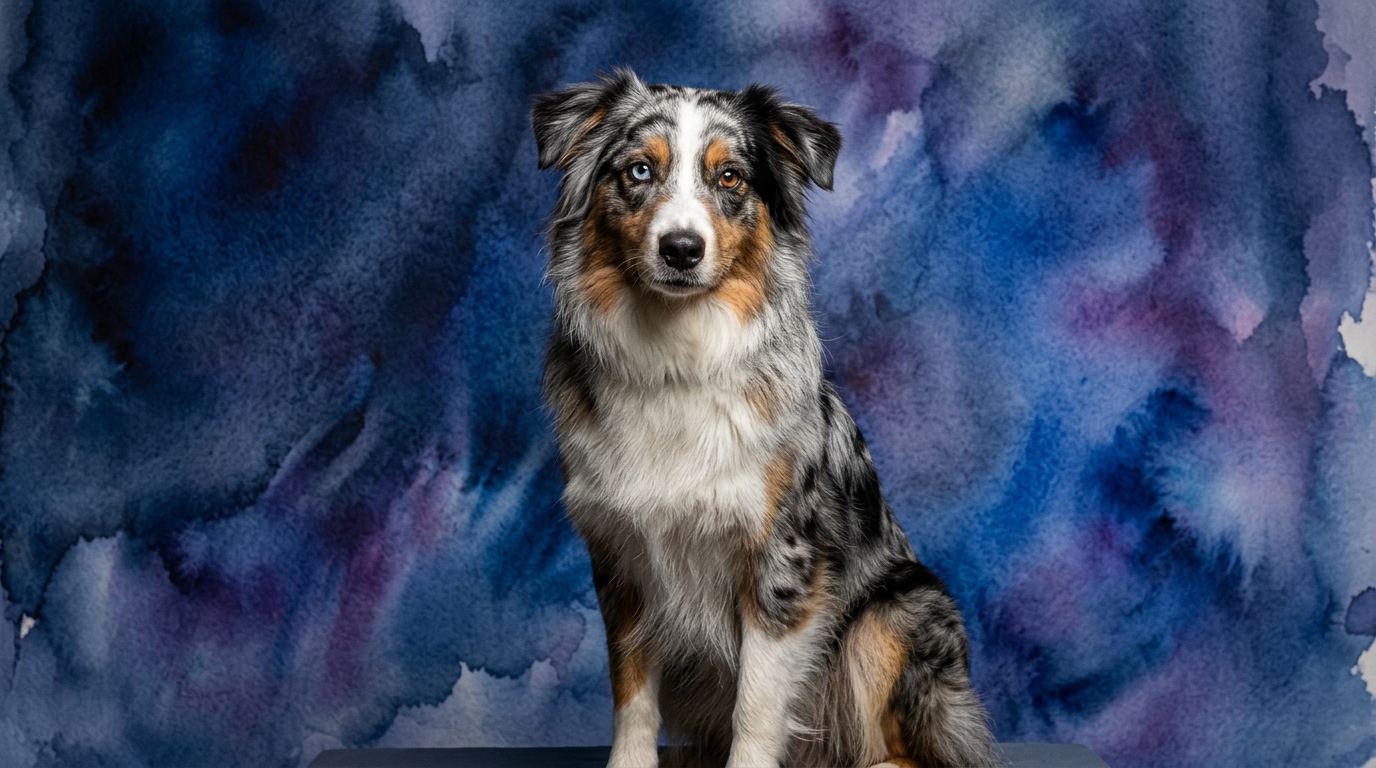
The Cosmic Pet Pet IQ Lab evaluates canine cognition across five distinct dimensions, offering a granular view of each breed's mental landscape. For the Australian Shepherd, their profile reflects a heritage of complex problem-solving and partnership. Their Problem Solving is rated 5/5, indicating an exceptional capacity for strategic thought, adapting to new situations, and figuring out intricate tasks. Training Speed also scores 5/5, signifying rapid learning, eagerness to comply, and excellent retention of commands and routines. Social Intelligence, at 4/5, shows a strong attunement to human cues and a desire for cooperative interaction. Instinctive Drive, a robust 5/5, points to a powerful inherent need for purpose and activity, typically expressed through herding behaviors. Finally, Memory is also 5/5, allowing them to recall vast repertoires of commands, learned behaviors, and even complex sequences over extended periods.
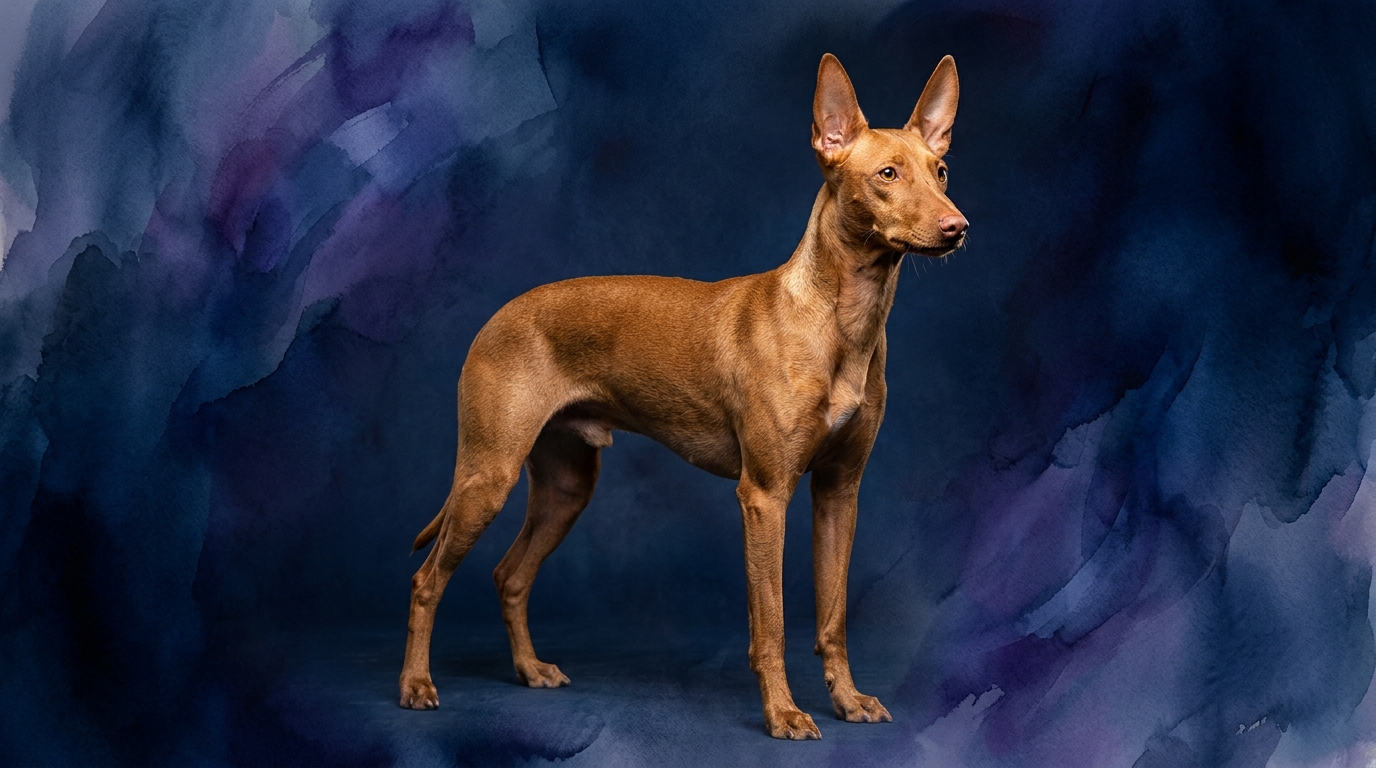
In contrast, the Cirneco dell'Etna presents a profile shaped by an ancient history of independent hunting. Their Problem Solving is rated 3/5, suggesting a practical, immediate approach to challenges, often relying on sensory input rather than abstract strategy. Training Speed is 3/5, indicating that while trainable, they may require more repetition, varied motivation, and patience, as their focus can be more on their environment than human directives. Social Intelligence, also 3/5, describes a dog that is affectionate with their family but often self-contained, less reliant on constant human guidance or complex social cues. Their Instinctive Drive, 3/5, is geared towards prey pursuit and independent exploration, less about cooperative work. Memory, at 3/5, means they recall essential information and routines, but might not retain intricate, multi-step commands with the same precision or speed as their herding counterparts.
Where the Australian Shepherd Excels Cognitively
The Australian Shepherd's cognitive strengths are profoundly rooted in their herding background, which demands foresight, adaptability, and intricate communication. Their 5/5 Problem Solving isn't just about figuring out a puzzle toy; it's about anticipating the movement of a flock, strategizing to guide animals, and making split-second decisions in dynamic environments. Owners frequently observe this in their ability to 'read' situations, whether it's understanding household routines or finding creative ways to retrieve a dropped item. They excel at tasks requiring sequential thinking and understanding cause-and-effect, making them adept at advanced obedience, agility, and even complex service dog work. Their capacity for abstract thought allows them to generalize learned behaviors to new contexts with ease, showcasing a profound cognitive flexibility.
Furthermore, their 5/5 Training Speed is directly linked to an intense desire to collaborate and a quick grasp of human language and intention. They don't just learn commands; they often seem to understand the 'why' behind them, leading to a proactive rather than purely reactive response. This is amplified by their 4/5 Social Intelligence, which makes them highly attuned to their owner's moods, gestures, and vocal nuances. An Australian Shepherd might preemptively offer a comforting nudge when sensing distress or adjust their behavior based on a subtle change in tone. This cognitive synergy—problem-solving combined with rapid learning and social awareness—makes them exceptional partners for tasks demanding continuous mental engagement and precise execution.
Where the Cirneco dell'Etna Shines Cognitively
While the Cirneco dell'Etna's cognitive profile might appear less 'complex' on paper compared to the Australian Shepherd, their strengths are honed for a different purpose: independent survival and hunting. Their 3/5 Problem Solving is not a deficit, but a specialization in practical, immediate decision-making. These dogs are masters of their environment, adept at navigating varied terrains, finding optimal routes, and reacting instantly to sensory stimuli. Their problem-solving manifests in their ability to track a scent with unwavering focus, to outmaneuver prey, or to find their way home using an internal map built from keen observation. They excel at 'real-world' challenges that demand self-reliance and quick, instinctual responses, rather than collaborative, human-directed tasks. This independence means they often devise their own solutions to environmental puzzles, which may not always align with human expectations but are effective for their inherent drives.
The Cirneco's 3/5 Instinctive Drive, while not as high as a herding dog's, is intensely focused and efficient for its purpose. This drive gives them an unparalleled ability to concentrate on a moving object or a compelling scent, often to the exclusion of other stimuli. Their memory, also 3/5, is excellent for recalling crucial hunting grounds, familiar paths, and the locations of interesting smells. They might not remember a ten-step obedience routine perfectly, but they will remember the exact spot where they once chased a squirrel or found a particularly interesting patch of grass, demonstrating a memory wired for environmental navigation and resource location. Their cognitive strengths lie in their self-sufficiency, acute sensory perception, and the ability to operate effectively without constant human oversight, which is a valuable trait for their original role.
Ease of Training: A Tale of Two Temperaments
Training an Australian Shepherd is generally a highly rewarding experience, largely due to their 5/5 Training Speed and high Social Intelligence. They are eager to please, quick to grasp new concepts, and thrive on consistent positive reinforcement. A typical Aussie will often offer behaviors before being asked, trying to anticipate what their owner wants. Their strong memory (5/5) means that once a command is learned, it is rarely forgotten, allowing for rapid progression to more complex tasks. Behavioral differences include their intense focus, often expressed through direct eye contact and an engaged posture, making them receptive to detailed instructions. They view training as a collaborative effort and an opportunity to work alongside their human, fulfilling their deep-seated need for purpose.
The Cirneco dell'Etna, with a 3/5 Training Speed and 3/5 Social Intelligence, presents a different training dynamic. They are not inherently difficult to train, but they require a more patient, creative, and highly motivating approach. Their independence means they are less inclined to perform simply to please; there must be a compelling reason or reward for them. Training sessions might be shorter and more frequent, focusing on making the activity fun and engaging, often incorporating play or high-value treats. Real behavioral differences include their tendency to follow their nose or sight rather than human commands if something more interesting presents itself. They may offer a 'what's in it for me?' attitude, and while they can learn basic obedience, mastering advanced, intricate commands might require significant dedication and understanding of their sighthound nature, which values freedom and self-direction over strict compliance.
Matching Breeds to Lifestyles: Active vs. Relaxed Owners
The Australian Shepherd is an ideal companion for active owners who relish a canine partner for sports, complex training, and continuous mental engagement. Their 5/5 Instinctive Drive and high cognitive scores mean they require a structured routine that includes physical exercise like running, hiking, or dog sports, as well as plenty of mental stimulation through puzzle toys, training sessions, or 'jobs' around the house. Owners who enjoy teaching new tricks, participating in agility or obedience competitions, or even engaging in herding activities will find an Australian Shepherd to be an enthusiastic and capable teammate. They thrive in environments where their brain is consistently challenged and they feel they have a purpose, making them less suited for owners seeking a purely decorative or low-maintenance companion.
In contrast, the Cirneco dell'Etna suits owners who appreciate a more independent, somewhat self-sufficient companion and enjoy a different kind of activity. While they do require regular exercise, such as long walks or secure off-leash play where they can stretch their legs, their mental engagement is often less about human-directed tasks and more about exploring their environment with their keen senses. They are a good fit for relaxed owners who enjoy quiet companionship indoors but can provide opportunities for their dog to satisfy their natural curiosity and prey drive in safe, appropriate settings. These owners understand that a Cirneco might prefer to observe the world from a comfortable spot rather than constantly seek interaction, and they are not seeking a dog to micro-manage but rather to coexist with, appreciating their unique blend of elegance and spirited independence.
The Verdict: When to Choose Each Breed
When considering an Australian Shepherd, choose this breed if you are an owner committed to providing consistent mental stimulation and physical activity, and you desire a highly collaborative and engaged canine partner for training, sports, or a working role. This breed thrives with an owner who enjoys teaching complex behaviors and integrating their dog into many aspects of their active life.
Opt for a Cirneco dell'Etna if you appreciate a dog with an independent spirit, a keen sense of self-preservation, and a more self-directed approach to life, and you can provide opportunities for independent exploration and secure, energetic bursts of activity. This breed is best for owners who value quiet companionship and are prepared to engage in patient, reward-based training tailored to a sighthound's unique motivations.
The Verdict
Choose an Australian Shepherd if you seek a highly engaged, trainable, and active partner eager for complex tasks, sports, and a strong collaborative bond. They thrive with owners who provide consistent mental and physical challenges.
Choose a Cirneco dell'Etna if you appreciate an independent, self-reliant companion with a practical, sensory-driven intelligence, and you can provide secure spaces for their bursts of energy and exploration without demanding constant obedience.
🧠 Find Your Pet's IQ Score
Our Pet IQ Lab assessment covers 25+ tests across 5 cognitive dimensions — personalized to your breed.
Take the Full IQ Test →Frequently Asked Questions
How does the Australian Shepherd's social intelligence impact their family life?
With a 4/5 Social Intelligence, Australian Shepherds form deep bonds with their families, often being highly attuned to their owners' moods and intentions. This makes them very empathetic companions, though they may also be prone to 'velcro dog' tendencies, preferring to be close to their human companions.
Is the Cirneco dell'Etna's lower problem-solving score a sign of being less capable?
No, a 3/5 Problem Solving score for the Cirneco dell'Etna signifies a different cognitive specialization, not a lack of capability. Their intelligence is geared towards practical, immediate solutions in their environment, focusing on sensory input and independent action rather than abstract, human-directed puzzles.
Can a Cirneco dell'Etna excel in dog sports like agility, despite their lower training speed?
While their 3/5 Training Speed might mean a slower learning curve compared to an Australian Shepherd, Cirneco dell'Etna can certainly participate in and enjoy dog sports like agility. Success will depend on the owner's patience, consistency, and ability to make training highly rewarding and engaging for a breed that values independence.