Side-by-Side Cognitive Profiles: Aussie vs. JRT
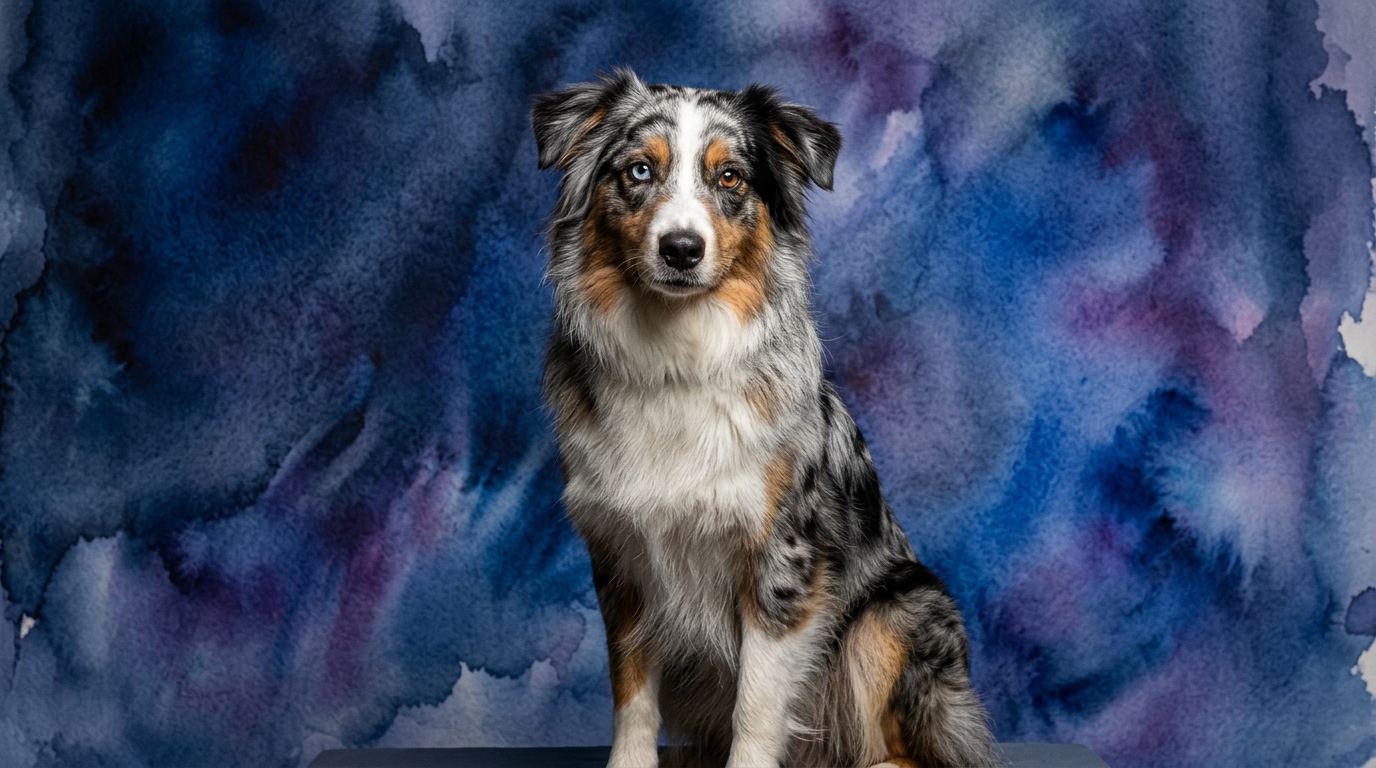
The Australian Shepherd, a breed forged in the demands of herding, presents a comprehensive cognitive toolkit. Its Problem Solving is rated 5/5, reflecting an exceptional capacity to navigate complex situations, adapt to changing livestock movements, and devise strategies independently. This breed's Training Speed also scores a perfect 5/5, indicating a rapid grasp of new commands and an eagerness to learn, often anticipating handler cues.
Social Intelligence for the Australian Shepherd stands at 4/5, showcasing a strong ability to interpret human intentions and social dynamics within its pack, including livestock. Its Instinctive Drive is a powerful 5/5, deeply rooted in its herding heritage, manifesting as an innate desire to gather and control movement. Finally, the Aussie's Memory is rated 5/5, allowing it to retain vast amounts of information, from complex routes to learned behaviors and social cues over long periods.
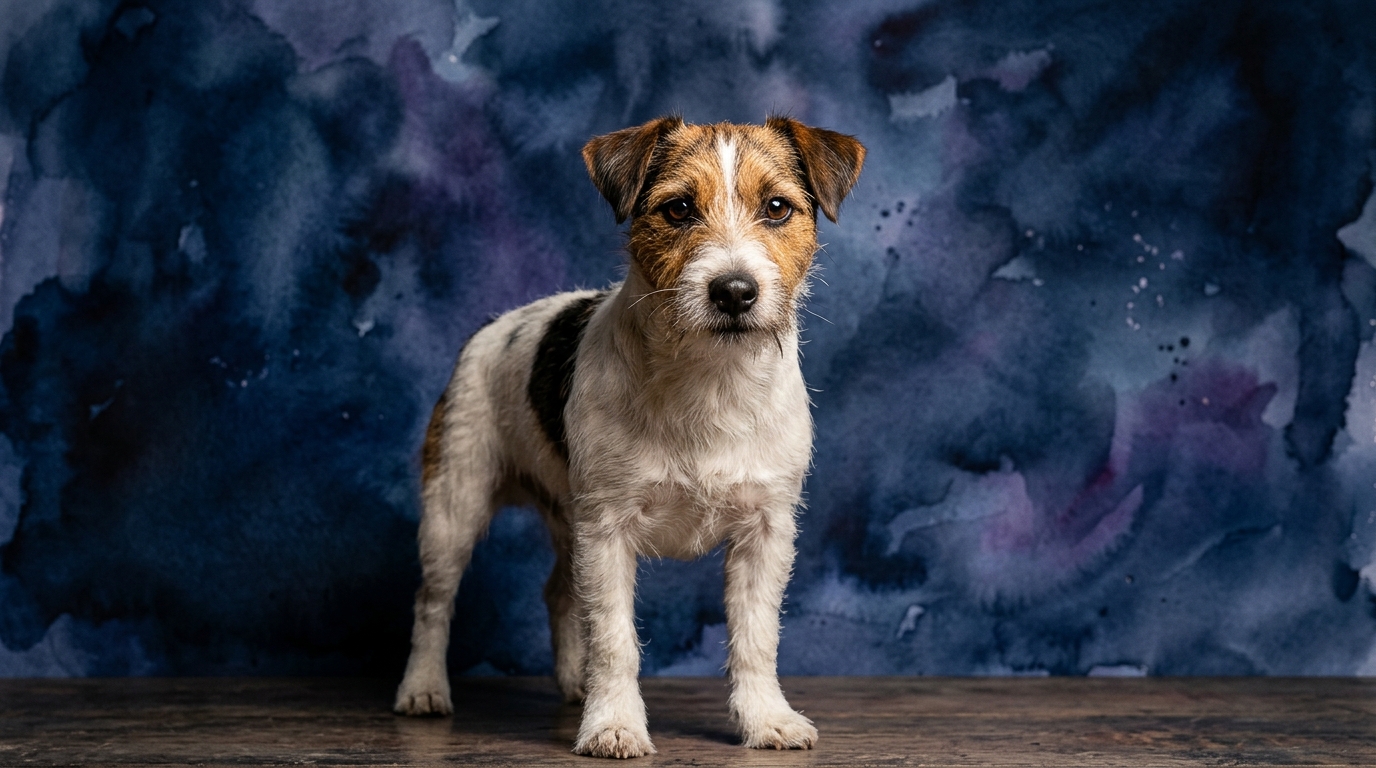
The Jack Russell Terrier, a compact powerhouse from the terrier group, exhibits a distinct set of cognitive strengths tailored for its hunting origins. Its Problem Solving is also rated 5/5, though this often manifests as a tenacious, independent determination to overcome obstacles in pursuit of a goal, such as cornering quarry in a tight space. However, its Training Speed is a more moderate 3/5, suggesting it learns effectively but with a stronger independent streak that can sometimes require more patient, consistent methods.
The Jack Russell Terrier's Social Intelligence is 3/5, indicating it can understand social cues but might prioritize its own agenda or instinctive drives over strict adherence to social norms, especially when focused on a task. Its Instinctive Drive is a formidable 5/5, a relentless, single-minded focus on hunting, digging, and pursuit that is central to its identity. Its Memory is rated 4/5, allowing it to recall critical information for hunting and navigation, though perhaps with a slightly less expansive or nuanced recall than the Aussie.
Where the Australian Shepherd Cognitively Excels
The Australian Shepherd's cognitive profile reveals clear advantages in areas that demand broad cognitive processing and strong partnership with a handler. Its perfect 5/5 Training Speed is a standout, enabling it to absorb new information, commands, and routines with remarkable efficiency. This rapid learning curve means an Aussie can master complex sequences of actions and adapt to new tasks faster than many other breeds, making it highly responsive in dynamic environments.
Furthermore, the Aussie's 4/5 Social Intelligence, combined with its 5/5 Memory, gives it an edge in collaborative tasks and understanding nuanced interactions. This breed is adept at reading human body language and vocal inflections, allowing for a deeper, more intuitive partnership. Its superior memory ensures it recalls not just commands, but also the context and emotional tone associated with them, fostering a highly communicative and adaptable working relationship over time. These qualities collectively make the Australian Shepherd particularly adept at intricate, multi-step tasks requiring constant feedback and adjustment.
Where the Jack Russell Terrier Cognitively Excels
While the Jack Russell Terrier may not outscore the Australian Shepherd in every dimension, its 5/5 Problem Solving and 5/5 Instinctive Drive converge to create a cognitive powerhouse in its specialized niche. The JRT's problem-solving isn't just about finding solutions; it's about an unyielding, independent determination to achieve a specific, often physical, objective. This manifests as relentless pursuit, strategic burrowing, or finding creative ways to bypass obstacles to reach its quarry, showcasing a singular focus that is incredibly effective for its original purpose.
The Jack Russell Terrier's exceptional Instinctive Drive is not merely strong; it is intensely focused and resilient. This drive pushes the JRT to continue a task long after other breeds might give up, demonstrating a tenacity that is a cognitive advantage in specific, high-stakes scenarios like flushing game from cover. This combination of focused problem-solving and tenacious drive allows the JRT to excel in tasks requiring independent thought, sustained effort, and an unwavering commitment to a goal, even in the absence of direct human instruction.
Training Dynamics: Which is Easier and Why?
When it comes to ease of training, the Australian Shepherd generally presents a more straightforward path for most owners due to its superior Training Speed (5/5) and higher Social Intelligence (4/5). Aussies possess an innate desire to work alongside their human partners, often seeking to understand and fulfill expectations. Their quick uptake of commands means fewer repetitions are needed for new behaviors to solidify, and their social awareness makes them highly attuned to handler cues and corrections, eager to please and maintain harmony.
The Jack Russell Terrier, with its 3/5 Training Speed and 3/5 Social Intelligence, requires a different approach. While certainly capable of learning, the JRT's independent nature and potent instinctive drive (5/5) mean it may view training as less of a collaborative effort and more as a series of challenges to be navigated on its own terms. They learn, but their focus can be easily diverted by environmental stimuli related to their hunting instincts, and they may require more creative, engaging, and consistent methods to maintain their attention and commitment, often pushing boundaries to test resolve.
Matching Breeds to Lifestyles: Active vs. Very Active
Neither the Australian Shepherd nor the Jack Russell Terrier is suited for a relaxed, sedentary lifestyle, as both possess a formidable 5/5 Instinctive Drive that demands regular outlets. The Australian Shepherd, with its herding background, thrives on structured activities that engage both its body and mind. Owners who are active and enjoy pursuits like agility, obedience, flyball, or even managing a small hobby farm will find an Aussie to be an unparalleled companion, eager for tasks that involve problem-solving and working in partnership.
The Jack Russell Terrier, while also requiring significant activity, channels its energy differently. Its hunting drive necessitates opportunities for vigorous running, digging, and exploring. This breed is ideal for owners who embrace a very active, often outdoor-oriented lifestyle, perhaps involving long hikes, earthdog trials, or consistent interactive play that mimics hunting scenarios. While both breeds are energetic, the Aussie seeks purpose-driven work and partnership, whereas the JRT often seeks independent exploration and the thrill of the chase, even in a domestic setting.
The Verdict
Opt for an Australian Shepherd if you seek a highly trainable, intensely collaborative partner for complex activities and enjoy a structured, active lifestyle where canine partnership is paramount.
Select a Jack Russell Terrier if you appreciate a fiercely independent, tenacious companion with a powerful, focused drive for exploration and pursuit, and are prepared for a very active, often outdoor-centric life.
🧠 Find Your Pet's IQ Score
Our Pet IQ Lab assessment covers 25+ tests across 5 cognitive dimensions — personalized to your breed.
Take the Full IQ Test →Frequently Asked Questions
Can a Jack Russell Terrier excel in obedience training despite its lower training speed?
Absolutely. While their 3/5 training speed suggests they may take more repetitions or unique methods, their 5/5 problem-solving means they are perfectly capable of understanding complex commands. Success hinges on consistent, engaging training that respects their independent spirit and leverages their drive.
How does the Australian Shepherd's social intelligence impact its interaction with children or other pets?
With a 4/5 social intelligence, Australian Shepherds are generally perceptive and adaptable to family dynamics, often forming strong bonds. Early socialization is still crucial to help them channel their herding instincts appropriately, ensuring gentle interactions rather than attempting to "herd" children or other animals.
Do both breeds require extensive mental stimulation, or is physical activity enough?
Both breeds absolutely require extensive mental stimulation in addition to physical activity. Their high problem-solving and instinctive drives mean their minds need challenges as much as their bodies need exercise. Without mental engagement, either breed can develop undesirable behaviors as they find their own ways to occupy their sharp minds.