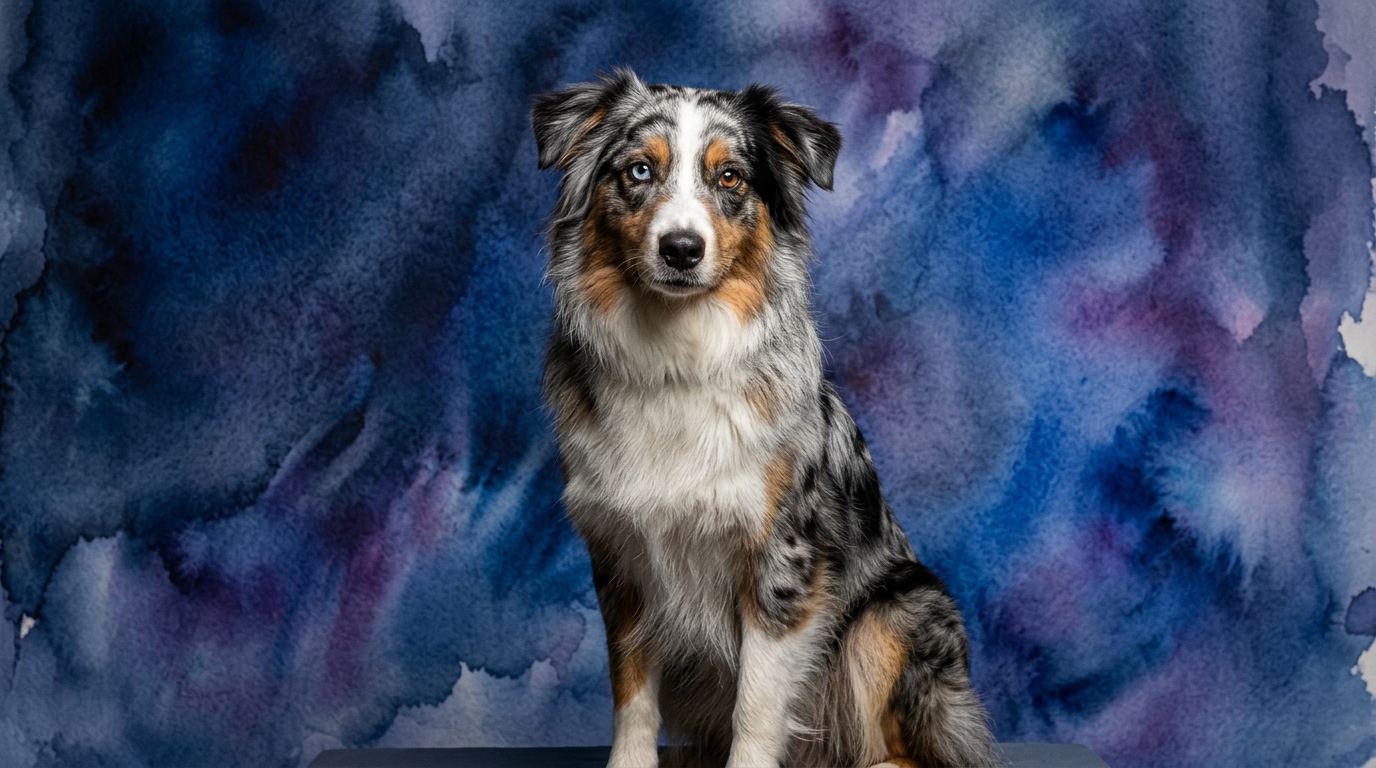
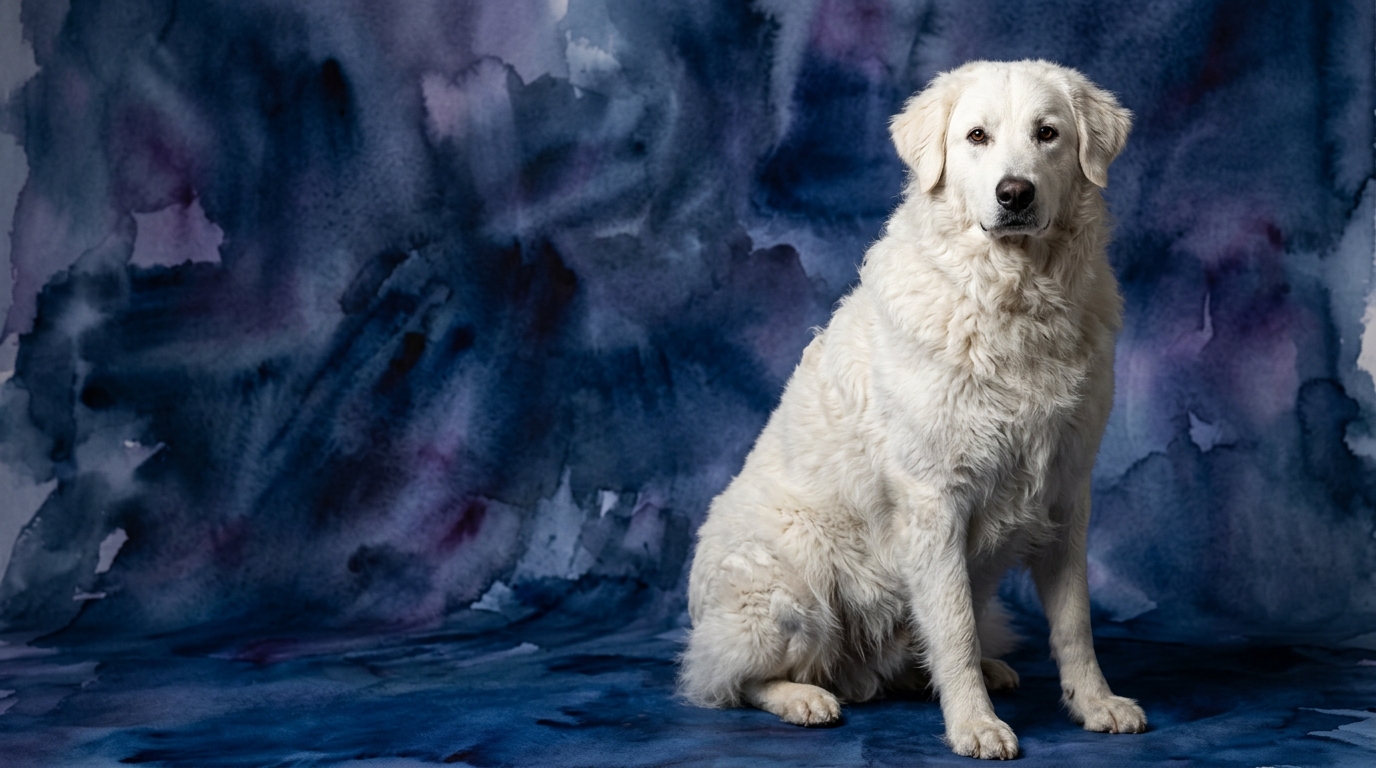
Side-by-Side IQ Profile: Herding Acuity vs. Guardian Tenacity
The Cosmic Pet Pet IQ Lab provides a nuanced framework for understanding canine intelligence, breaking it down into five key dimensions. For the Australian Shepherd, a breed historically tasked with complex livestock management, its profile is marked by exceptional cognitive agility. Its Problem Solving is rated 5/5, indicating a profound capacity to navigate novel situations and devise solutions, such as strategizing how to move a stubborn flock or open a gate. Training Speed also stands at 5/5, reflecting its rapid acquisition of new commands and routines, often needing only a few repetitions. Social Intelligence is a robust 4/5, enabling it to read human cues effectively and integrate well into a family unit, though its focus remains strongly on its primary handler. Instinctive Drive is a perfect 5/5, channeling intense herding behaviors into purposeful work, requiring outlets for this innate motivation. Finally, its Memory is 5/5, allowing it to retain vast amounts of information, from learned commands to the layout of its environment and the habits of its charges.
In contrast, the Kuvasz, a formidable livestock guardian, exhibits a cognitive profile tailored for independent decision-making and vigilance. Its Problem Solving is rated 3/5, suggesting it can address challenges but may rely more on established patterns or direct confrontation rather than intricate strategizing. Training Speed is also 3/5, indicating a steady, deliberate learning pace; it will eventually grasp commands but typically requires more consistent, patient repetition and a clear purpose behind each task. Social Intelligence, at 3/5, reflects its independent nature; while loyal to its family, it often processes social interactions more cautiously and may not seek constant human validation in the same way a highly collaborative breed might. Its Instinctive Drive is 3/5, which, for a guardian breed, manifests as a focused, persistent protective instinct rather than a high-octane drive for active work. The Kuvasz’s Memory is a strong 4/5, an essential trait for remembering its territory, identifying potential threats, and recalling past interactions, crucial for its role as a sentinel.
Where the Australian Shepherd Excels Cognitively
The Australian Shepherd's cognitive prowess shines brightest in its capacity for dynamic problem-solving and rapid learning. With a 5/5 rating in Problem Solving, an Aussie isn't just following commands; it's actively thinking through situations, whether it's figuring out how to outmaneuver a wayward sheep or unlocking a child-proof cabinet. This breed possesses an innate ability to assess variables and adapt strategies on the fly, a critical skill developed over generations of complex herding tasks. Their superior Training Speed (5/5) means they absorb new information with remarkable efficiency, often making connections between commands and actions in very few repetitions. This translates into an eagerness to engage in structured learning and a capacity to master a wide array of commands and tricks quickly, making them highly responsive partners in various canine sports and working roles. Furthermore, their 5/5 Instinctive Drive isn't just about herding; it’s a powerful, focused motivation that, when properly channeled, makes them incredibly goal-oriented and persistent in tasks, underpinning their drive to learn and perform.
Where the Kuvasz Shows Its Unique Cognitive Strengths
While the Kuvasz's cognitive profile emphasizes a different kind of intellect, it possesses unique strengths perfectly aligned with its historical purpose. Its 4/5 Memory rating is a significant asset, allowing it to meticulously map its territory, remember individuals who belong (or don't), and recall past encounters, contributing to its unwavering vigilance. This robust memory enables it to maintain a consistent understanding of its environment and its role within it, essential for a guardian breed that must operate independently. The Kuvasz's 3/5 Instinctive Drive, while not as high-octane as a herding dog's, is intensely focused on protection and territorial defense. This drive fuels its persistent watchfulness and its capacity for independent decision-making when safeguarding its charges, often without direct human instruction. Its relatively lower Social Intelligence (3/5) should not be mistaken for a lack of loyalty; rather, it signifies an independence that allows it to make self-reliant judgments in its guardian role, prioritizing the safety of its flock or family over constant human validation. This cognitive independence, coupled with its reliable memory and focused drive, allows the Kuvasz to excel as a self-sufficient protector, a role where constant human direction would be counterproductive.
Training Dynamics: A Study in Contrasts
The training experience with an Australian Shepherd versus a Kuvasz presents a study in contrasting cognitive approaches. The Australian Shepherd, with its 5/5 Training Speed and 4/5 Social Intelligence, is often described as a highly biddable and responsive student. They thrive on engagement, quickly grasping new commands and cues, and their strong desire to work alongside their human partner means they actively seek to understand and please. This translates into a dog that picks up complex sequences rapidly, excels in obedience, agility, and other performance sports, and responds well to positive reinforcement methods that leverage their eagerness to interact. Their robust memory further solidifies learned behaviors, leading to consistent performance.
Conversely, the Kuvasz, with its 3/5 Training Speed and 3/5 Social Intelligence, requires a different training philosophy. This breed is not inherently eager to please in the same way; instead, it assesses commands based on perceived utility and its own independent judgment. Training a Kuvasz demands immense patience, consistency, and a clear demonstration of purpose behind each command. They will learn, thanks to their solid memory, but they may take longer to internalize commands and might not perform them with the same enthusiastic alacrity as an Aussie. Their independence means they might question a command or opt not to follow it if it conflicts with their perceived guardian duties or if they don't see the immediate relevance. Early socialization and consistent, positive reinforcement are crucial to building a respectful relationship, but owners must appreciate their inherent autonomy rather than expecting constant, eager compliance.
Lifestyle Suitability: Active Engagement vs. Steadfast Vigilance
The cognitive profiles of these two breeds dictate vastly different lifestyle requirements. An Australian Shepherd, with its 5/5 Problem Solving, 5/5 Training Speed, and 5/5 Instinctive Drive, is a quintessential companion for an active owner. This breed thrives when given a job to do, whether it's herding, canine sports, or complex trick training. Owners who enjoy hiking, running, or engaging in mentally stimulating activities like puzzle toys, scent work, or advanced obedience will find the Aussie an unparalleled partner. Their need for consistent mental and physical engagement means they are not suited for a relaxed, sedentary lifestyle; without adequate outlets, their sharp minds and high drive can lead to boredom and potentially destructive behaviors. An Aussie requires an owner who can commit to daily, structured activities that challenge both body and brain, channeling their formidable cognitive energy constructively.
The Kuvasz, while requiring exercise, is better suited for an owner who appreciates a more steadfast and vigilant presence rather than constant, high-energy interaction. Its 3/5 Instinctive Drive, focused on guarding, means it needs a clear sense of purpose and territory to protect. Owners with large properties, perhaps small farms, or those seeking a protective family companion will find the Kuvasz's cognitive makeup aligns well. While not a couch potato, their exercise needs are generally less intense than an Aussie's, focusing more on patrolling and monitoring their domain. They require an owner who understands and respects their independent nature and guardian instincts, providing consistent guidance and socialization without expecting an overtly playful or constantly 'on' companion. A Kuvasz thrives with a calm, confident owner who provides structure and allows them to fulfill their protective role, making them suitable for those who prefer a dog with a strong, independent presence rather than a constantly engaging partner.
The Verdict
Choose the Australian Shepherd if you are an active, engaged owner seeking a highly trainable, mentally agile partner for sports, complex tasks, or a dynamic family life.
Opt for the Kuvasz if you desire a steadfast, independent guardian with a strong memory and protective instincts, valuing their calm vigilance over constant interactive engagement.
🧠 Find Your Pet's IQ Score
Our Pet IQ Lab assessment covers 25+ tests across 5 cognitive dimensions — personalized to your breed.
Take the Full IQ Test →Frequently Asked Questions
Is the Australian Shepherd difficult to manage due to its high IQ?
The Australian Shepherd's high IQ and drive mean it requires significant mental and physical stimulation to prevent boredom and potential behavioral issues. While not 'difficult' for an engaged owner, they are certainly not a low-maintenance breed and thrive with consistent training and activities that challenge their sharp minds.
Does the Kuvasz's independence make it less loyal to its family?
Absolutely not. The Kuvasz's independence is a cognitive trait that allows it to make self-reliant decisions in its guardian role, but it forms deep, loyal bonds with its family. Their loyalty is expressed through steadfast protection and vigilance, rather than constant bids for attention or eager obedience.
Which breed is better for a first-time dog owner?
Neither breed is typically recommended for a novice owner. Both possess strong working drives and specific cognitive needs that require an experienced hand. However, an Australian Shepherd might be slightly more manageable for a dedicated first-timer willing to commit to extensive training and activity, due to its higher biddability, whereas the Kuvasz's independence and guardian instincts require a very confident and understanding owner.