
A Side-by-Side Look at Canine Cognition
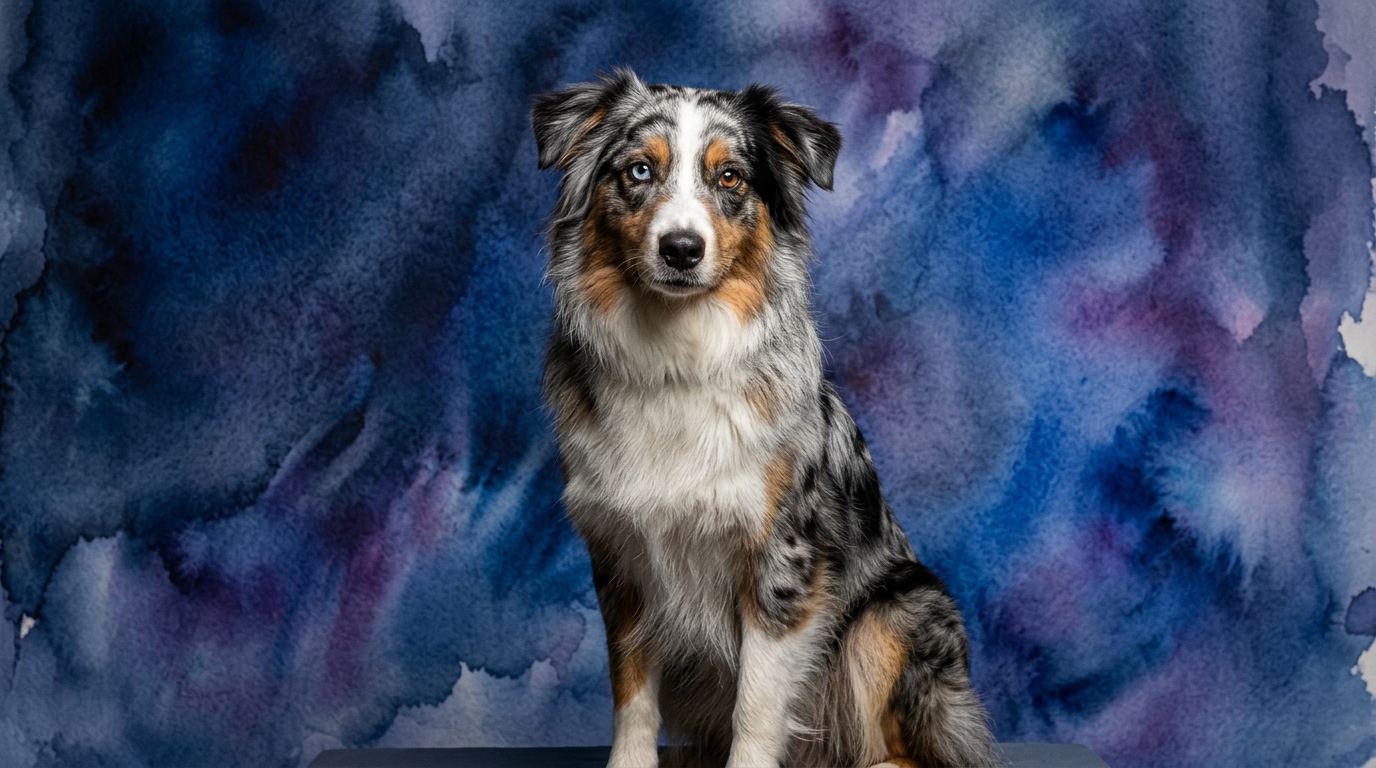
The Cosmic Pet Pet IQ Lab provides a detailed five-dimensional framework for evaluating canine intelligence, offering a nuanced perspective beyond simple "smartness." For the Australian Shepherd, a breed forged in the demanding world of herding, its cognitive profile is exceptionally sharp across the board. Its problem-solving acumen rates a perfect 5/5, indicating an outstanding capacity to analyze novel situations and devise effective solutions, often with minimal human intervention. Training speed also achieves a 5/5, reflecting an extraordinary ability to grasp new commands and complex sequences rapidly, making it a highly receptive student. Social intelligence scores 4/5, meaning it is perceptive to human cues and social dynamics, though its intense focus on tasks can sometimes overshadow purely social interactions. Its instinctive drive is a commanding 5/5, showcasing a powerful, innate urge to work, herd, and engage with its environment purposefully. Finally, memory retention is a flawless 5/5, allowing it to recall vast amounts of information, from complex command sequences to the location of specific objects over extended periods.
In contrast, the Leonberger, a majestic working breed primarily developed as a companion, guard, and draft dog, presents a more moderate and balanced cognitive profile tailored to its role as a stable, dependable presence. Its problem-solving ability stands at 3/5, suggesting a practical, deliberate approach to challenges rather than immediate, inventive solutions. Training speed is also rated 3/5, indicating that while trainable, it requires more repetition and patience to solidify new behaviors compared to its herding counterpart. Social intelligence scores 3/5, signifying a generally amiable and responsive nature, capable of forming strong bonds, but without the intense social reading of some more sensitive breeds. Its instinctive drive is a steady 3/5, meaning it possesses a sufficient innate motivation for its traditional roles like guarding or companionship, but lacks the relentless, high-octane drive seen in herding breeds. Memory retention is rated 3/5, implying it retains learned information adequately, though perhaps not with the same encyclopedic recall as the Australian Shepherd.
Where the Australian Shepherd's Mind Shines
The Australian Shepherd's cognitive strengths are undeniably rooted in its history as a livestock handler, demanding quick thinking and self-reliance. Its 5/5 problem-solving acumen allows it to navigate dynamic situations with remarkable agility, whether it’s figuring out how to open a gate, strategizing the movement of a flock, or mastering a multi-step agility course. This isn't just about following commands; it's about independent thought and tactical execution. Coupled with a 5/5 training speed, the Australian Shepherd becomes an unparalleled student, absorbing new tasks, tricks, and obedience cues with impressive efficiency. Owners can introduce complex sequences, combining multiple behaviors, and expect rapid comprehension and execution.
Furthermore, its 5/5 instinctive drive means it possesses an inherent, powerful motivation to engage and work, channeling its energy into productive activities rather than aimless wandering. This innate "job" focus translates into a dog that often seeks purpose and thrives on mental and physical challenges. Its perfect 5/5 memory is another significant advantage, enabling it to retain an extensive repertoire of commands, routines, and experiences. This capacity for long-term recall means less retraining and more consistent performance, even after breaks from specific activities. For owners who enjoy advanced training, dog sports, or a partner that can truly "think" alongside them, the Australian Shepherd offers a profound cognitive partnership.
The Leonberger's Distinct Cognitive Strengths
While the Leonberger's cognitive scores are more moderate, its strengths lie in a different kind of intelligence, one perfectly suited to its role as a gentle giant and steadfast companion. Its 3/5 problem-solving and training speed, rather than being a deficit, contribute to a temperament that is often less prone to overthinking or becoming easily bored if not constantly challenged. This means a Leonberger is less likely to invent its own "jobs" by rearranging household items or trying to outsmart its owners simply for mental stimulation. Its cognitive pace makes it a steady, predictable presence, valuing calm companionship over constant mental gymnastics.
The Leonberger's 3/5 social intelligence, combined with its guardian instincts (part of its 3/5 instinctive drive), fosters a balanced social demeanor. It is generally amiable and responsive to its family, but possesses a reserved independence that allows it to be a watchful protector without being overly clingy or demanding constant interaction. This breed often exhibits a quiet confidence and a natural discernment, assessing situations with a calm, unhurried demeanor. Its moderate instinctive drive, unlike the Australian Shepherd's intense herding impulse, means its inherent motivations are geared towards companionship, gentle guardianship, and a willingness to perform practical tasks when asked, without an overwhelming need for constant "work." This creates a dog that is content to be a loving family member, providing a calm, reassuring presence that is a unique cognitive advantage for many households.
Training Receptiveness: Australian Shepherd vs. Leonberger
When it comes to training, the Australian Shepherd (training speed 5/5, problem-solving 5/5) presents a highly receptive and enthusiastic student. They grasp new concepts with astonishing speed, often requiring only a few repetitions before understanding a command. Their high instinctive drive means they are often eager to please and find intrinsic reward in working alongside their human. This makes them ideal for complex obedience, agility, and other dog sports where precision and quick thinking are paramount. However, this same cognitive intensity means they require consistent mental engagement; without a job or sufficient mental stimulation, their sharp minds can turn to less desirable "problem-solving" activities like counter-surfing or excessive barking.
The Leonberger (training speed 3/5, problem-solving 3/5), while trainable, demands a different approach. Their more moderate training speed means owners must employ patience, consistency, and positive reinforcement, understanding that new behaviors will take more repetitions to solidify. They are not as quick to pick up complex multi-step tasks, but they are generally willing partners who respond well to clear, calm instruction. Given their immense size, early socialization and obedience training are absolutely critical to manage their strength and ensure they are well-mannered companions. While they may not excel at lightning-fast agility, their steady temperament and desire to be with their family make them capable of achieving solid obedience with dedicated effort.
Matching Cognitive Profiles to Lifestyles
For active owners, especially those who enjoy dog sports, hiking, or simply having a canine partner deeply involved in their daily activities, the Australian Shepherd is an unparalleled match. Its 5/5 problem-solving, training speed, instinctive drive, and memory mean it thrives on mental and physical challenges. This breed needs a "job," whether it's herding, agility, flyball, or advanced obedience, to prevent boredom and channel its intense cognitive energy productively. Owners who can provide consistent training, varied enrichment, and ample exercise will find the Australian Shepherd an incredibly rewarding and engaged companion.
Conversely, for owners seeking a more relaxed pace, a steady companion who enjoys comfortable family life without the constant demand for intricate tasks, the Leonberger is an excellent choice. Its more moderate cognitive scores (3/5 across the board) translate into a dog that is less prone to neurotic behaviors if not constantly stimulated. While still requiring regular exercise and basic training, its instinctive drive is geared more towards companionship and gentle guardianship rather than intense work. They are content to be near their family, offering a calm, reassuring presence. They suit homes that appreciate a large, affectionate dog that isn't always "on" but is dependable and devoted.
The Verdict
Choose the Australian Shepherd if you lead an active lifestyle, thrive on engaging in advanced training or dog sports, and seek a highly responsive, mentally agile partner eager to work alongside you.
Opt for the Leonberger if you desire a calm, steady, and affectionate giant, appreciating a companion whose cognitive profile encourages a more relaxed home environment and a gentle, watchful presence.
🧠 Find Your Pet's IQ Score
Our Pet IQ Lab assessment covers 25+ tests across 5 cognitive dimensions — personalized to your breed.
Take the Full IQ Test →Frequently Asked Questions
Do Australian Shepherds need constant mental stimulation?
Yes, with 5/5 problem-solving and instinctive drive, Australian Shepherds require consistent mental challenges and tasks to prevent boredom and channel their sharp minds constructively. This can include training, puzzle toys, or dog sports.
Is a Leonberger difficult to train due to its 3/5 training speed?
While a Leonberger may require more patience and repetition than faster-learning breeds, its 3/5 training speed does not mean it's difficult. Consistency, positive reinforcement, and understanding its deliberate learning style will yield a well-behaved companion.
Which breed is better with children, considering their social intelligence?
Both breeds can be excellent with children when properly socialized and trained. The Australian Shepherd's 4/5 social intelligence makes it perceptive, while the Leonberger's 3/5 social intelligence, combined with its gentle nature and steady temperament, often makes it a calm and tolerant family guardian. Supervision is always key.