Side-by-Side Cognitive Profile: Aussie vs. Mini Poodle
At The Cosmic Pet Pet IQ Lab, we analyze canine cognition across five key dimensions. Let's delve into how the Australian Shepherd and Miniature Poodle measure up.
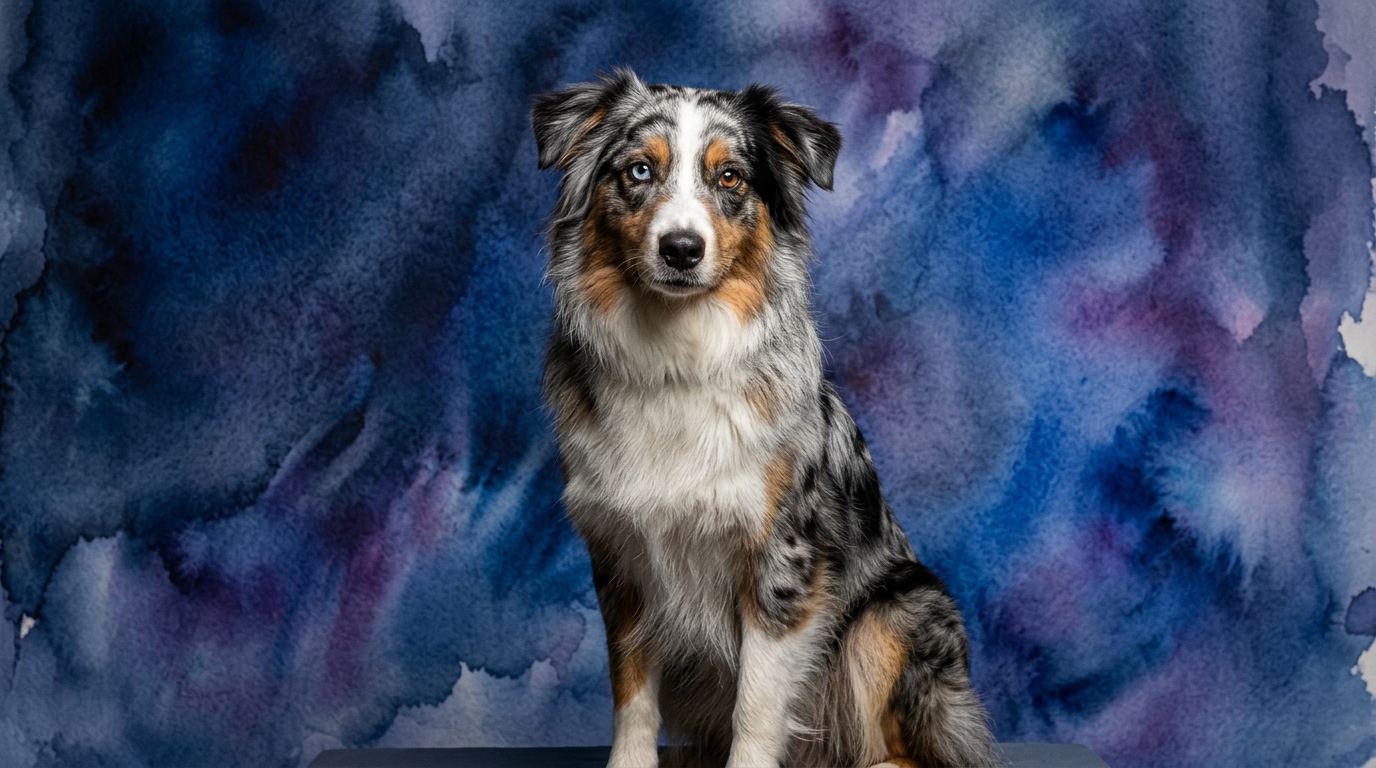
The Australian Shepherd, originating from a herding lineage, demonstrates a powerful cognitive toolkit. Their **problem Solving is 5/5**, meaning they are adept at navigating complex environments, figuring out puzzles, and strategizing tasks. This is rooted in their herding background, which equips them with intrinsic skills for spatial reasoning and planning. Their **training Speed is 5/5**, indicating they are exceptional learners, picking up new commands and routines with impressive rapidity. They thrive on mental engagement and quickly associate actions with outcomes. **Social Intelligence stands at 4/5**, as they are generally perceptive of human cues and emotions, forming strong bonds within their family unit and understanding group dynamics, though their focus is often task-oriented. Their **instinctive Drive is a commanding 5/5**, manifesting in powerful innate herding behaviors like gathering, controlling movement, and keen observation, fueling their work ethic. Finally, their **memory is 5/5**, showcasing outstanding recall for commands, routines, and specific locations or tasks, making them consistent performers.
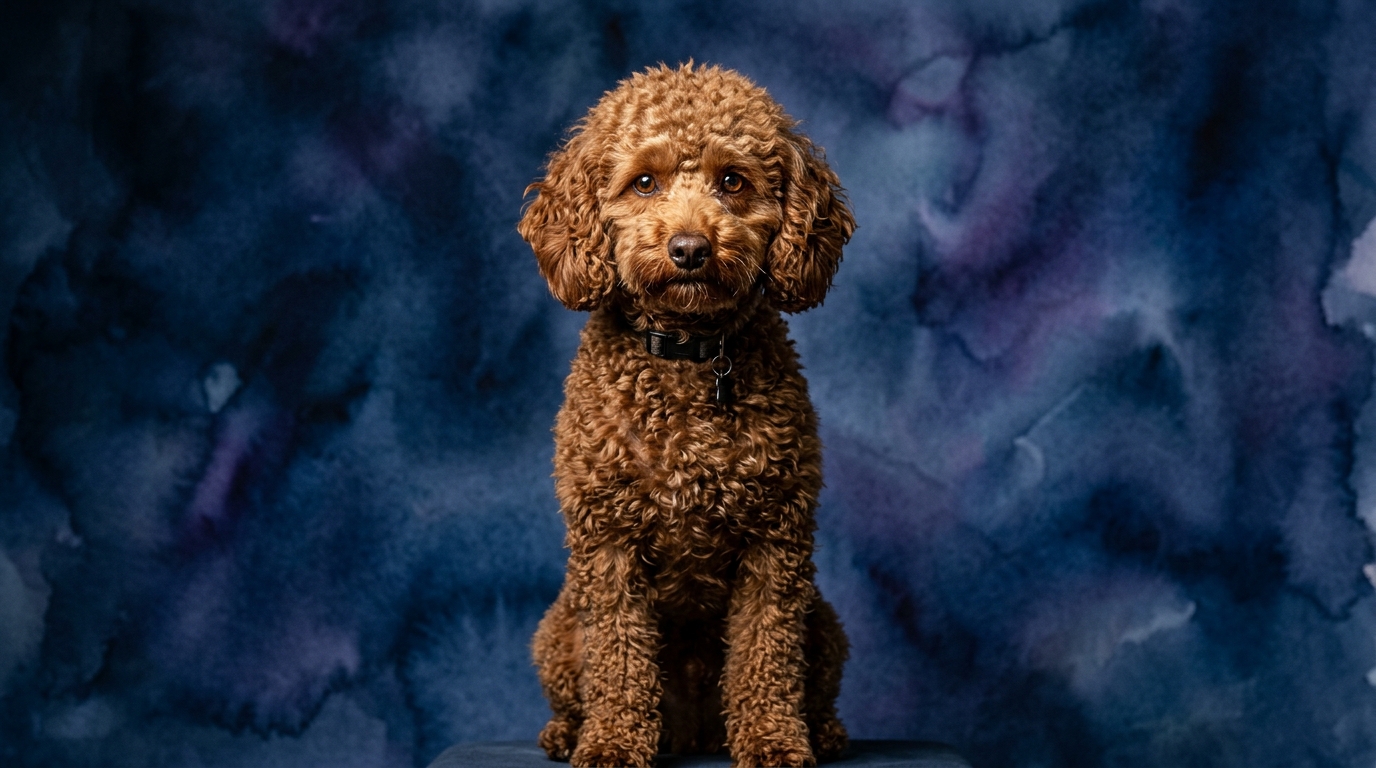
The Miniature Poodle, a breed celebrated for its elegance and wit, also presents a formidable cognitive makeup. Their **problem Solving is 5/5**, highlighting their capability for abstract thought and creative solutions, often excelling in canine sports that require intricate sequences and strategic thinking. Their mental agility allows them to adapt quickly to new challenges. With a **training Speed of 5/5**, they are among the quickest breeds to grasp new concepts and commands, demonstrating an eagerness to learn and please, making them a joy to teach. Their **social Intelligence is 3/5**, meaning while affectionate with their chosen people, their focus is more on individual bonds rather than broad group dynamics. They can be discerning with strangers and may require more deliberate socialization. Their **instinctive Drive is 3/5**, which is less about physical work or herding and more about connection and engagement with their human companions, channeling energy into play, learning, and attention-seeking. Like the Aussie, their **memory is 5/5**, showing excellent recall for commands, tricks, and routines, remembering past interactions and learning from experiences.
Where the Australian Shepherd Excels Cognitively
The Australian Shepherd's cognitive strengths particularly shine in areas demanding robust innate work ethic and environmental awareness. Their superior instinctive drive (5/5), deeply rooted in their herding heritage, means they inherently understand and enjoy manipulating objects, managing spaces, and anticipating movement. This translates into a natural aptitude for activities like agility, obedience, and even search and rescue, where self-directed problem-solving within a larger, purposeful task is crucial. This drive ensures they are not just capable, but genuinely motivated by engaging in complex, structured work.
Furthermore, their 4/5 social intelligence, while not solely focused on individual bonds, often gives them an edge in understanding subtle cues within a family or working group. This broader awareness makes them more attuned to environmental shifts and the needs of multiple individuals they perceive as their 'flock,' making them excellent partners in multi-dog households or active family settings where they can monitor and respond to various dynamics.
Where the Miniature Poodle Excels Cognitively
The Miniature Poodle's cognitive advantages often lie in their adaptability and nuanced emotional perception. Their problem-solving ability (5/5), combined with a less rigid instinctive drive (3/5), allows them to approach new challenges with remarkable flexibility. They aren't constrained by strong innate working patterns, making them highly adaptable to varied living situations and unique learning scenarios without the same intensity of needing a specific 'job' as a herding breed. This mental agility means they can thrive in diverse environments and excel in creative problem-solving games.
While their general social intelligence is 3/5, their focus often translates into a deeper, more singular emotional attunement with their primary human. This can manifest as an exceptional ability to read their owner's subtle emotional states and respond with empathy, often without needing explicit commands. They build profound personal connections, making them remarkably sensitive and responsive companions who are often highly attuned to their family's mood and well-being.
Training Dynamics: Which Breed is Easier?
Both the Australian Shepherd and Miniature Poodle boast a 5/5 training speed, indicating an impressive capacity to absorb new information quickly. However, the *ease* of training can differ significantly based on an owner's approach and desired outcomes. The Australian Shepherd, with its powerful 5/5 instinctive drive and strong work ethic, often views training as a fulfilling 'job.' They are eager to engage in structured learning, especially tasks that mimic herding or problem-solving. Their high energy and inherent need for mental stimulation mean they are typically highly motivated by task completion and consistent, purposeful engagement.
Conversely, the Miniature Poodle, also with 5/5 training speed, might be perceived as 'easier' for owners seeking a companionable learner. Their lower instinctive drive (3/5) means they might not demand a rigorous work schedule, but they thrive on positive reinforcement and mental games that strengthen their bond with their owner. Their motivation often stems from social interaction and the joy of learning itself, making them highly responsive in a less formal training context. An Australian Shepherd might require a defined role or consistent mental challenge to be truly satisfied with training, whereas a Miniature Poodle might be satisfied with engaging, interactive sessions that prioritize connection over specific utility.
Matching Breeds to Lifestyles: Active vs. Relaxed Owners
The Australian Shepherd, with its 5/5 instinctive drive and abundant energy, is unequivocally suited for active owners. They require extensive physical exercise and constant mental engagement to prevent boredom and potential destructive behaviors. Owners who enjoy dog sports, long hikes, or can provide a consistent 'job' for their dog (even if it's complex trick training or puzzle-solving) will find the Aussie a fulfilling and enthusiastic partner. A relaxed owner, or one unable to provide significant daily physical and mental activity, would likely find an Australian Shepherd overwhelming, as their unchanneled drive can lead to challenging behaviors.
The Miniature Poodle, while certainly not a sedentary breed, is considerably more adaptable to varying activity levels. Their 3/5 instinctive drive means they appreciate regular walks, engaging play sessions, and stimulating mental puzzles, but they don't demand the same intensity or duration of activity as an Australian Shepherd. They can thrive in a home with moderate activity levels, enjoying interactive games and training sessions that fully engage their 5/5 problem-solving mind without requiring hours of strenuous physical exertion. A relaxed owner who still enjoys daily engagement and mental stimulation for their dog, perhaps through intricate games or learning new tricks, would find the Miniature Poodle a more suitable and content companion.
The Verdict
Opt for an Australian Shepherd if you are an active individual or family seeking a dedicated working partner who thrives on complex tasks, extensive physical activity, and consistent mental challenges, valuing a dog with strong innate drives.
Select a Miniature Poodle if you desire a highly adaptable, intelligent companion who excels in learning, enjoys engaging mental games, and provides deep emotional connection, suitable for owners with moderate activity levels who appreciate nuanced interaction.
🧠 Find Your Pet's IQ Score
Our Pet IQ Lab assessment covers 25+ tests across 5 cognitive dimensions — personalized to your breed.
Take the Full IQ Test →Frequently Asked Questions
Are Australian Shepherds good for first-time dog owners?
Australian Shepherds can be challenging for first-time owners due to their high energy, intense herding instincts, and need for consistent training and mental stimulation. They typically thrive with experienced owners who can provide structure and a defined purpose.
Do Miniature Poodles shed a lot?
Miniature Poodles are generally considered low-shedding, making them a popular choice for individuals with allergies. However, their curly coat requires regular grooming to prevent matting and maintain skin health and comfort.
Which breed is generally better with children?
Both breeds can be good with children, but their approaches differ. Australian Shepherds may instinctively try to 'herd' children, requiring supervision, while Miniature Poodles are often gentle and playful, though their smaller size means they need careful interaction with very young kids.