Side-by-Side Pet IQ Profile: Australian Shepherd vs. Norwich Terrier
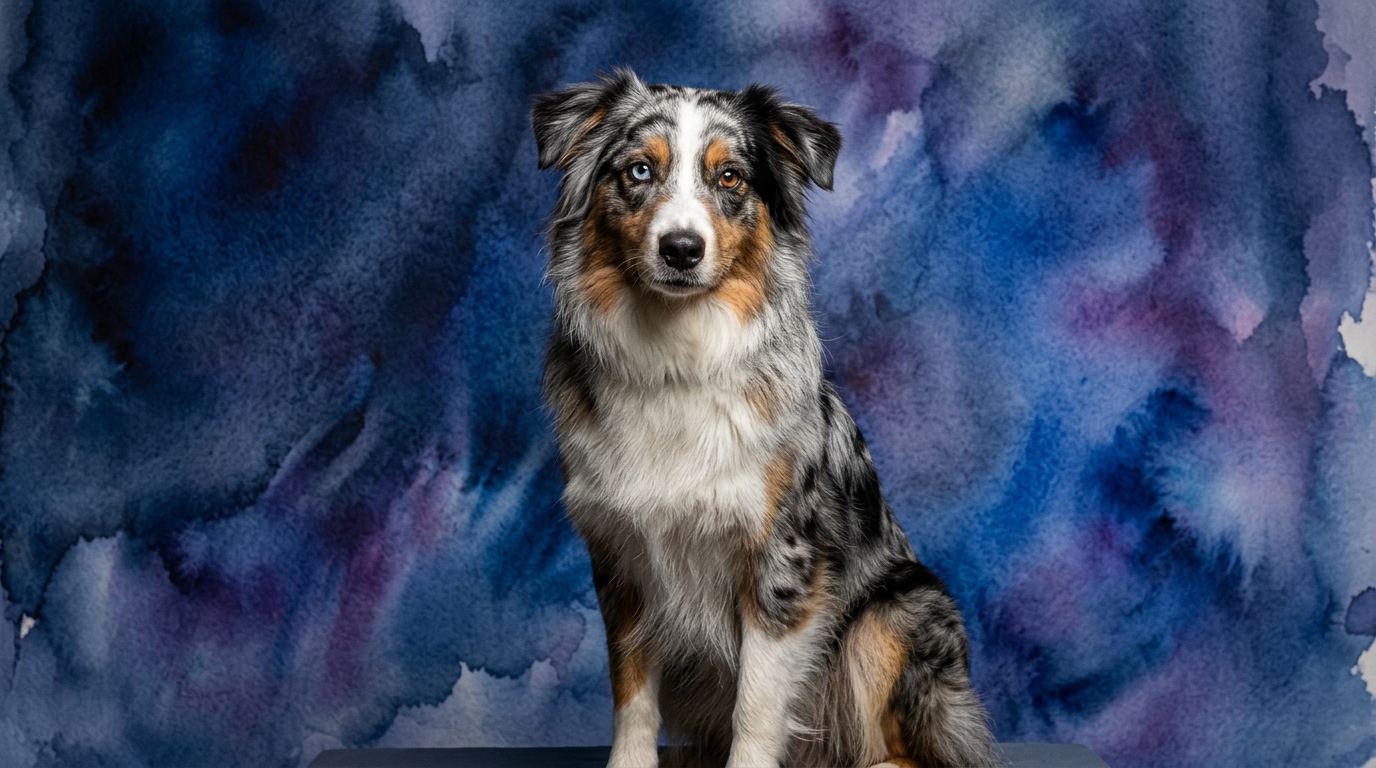
In the Pet IQ Lab, the Australian Shepherd, a breed rooted in herding, presents a profile marked by exceptional cognitive abilities across several dimensions. They achieve a perfect 5/5 in Problem Solving, indicating a strong capacity for strategic thinking and navigating complex situations. Their Training Speed also rates 5/5, suggesting a rapid grasp of new commands and routines. Instinctive Drive is likewise at 5/5, reflecting a powerful intrinsic motivation for purposeful activity, while Memory stands at an impressive 5/5, allowing for long-term retention of learned behaviors. Social Intelligence, though not a perfect 5, is still a robust 4/5, showing a good understanding of human cues and social dynamics.
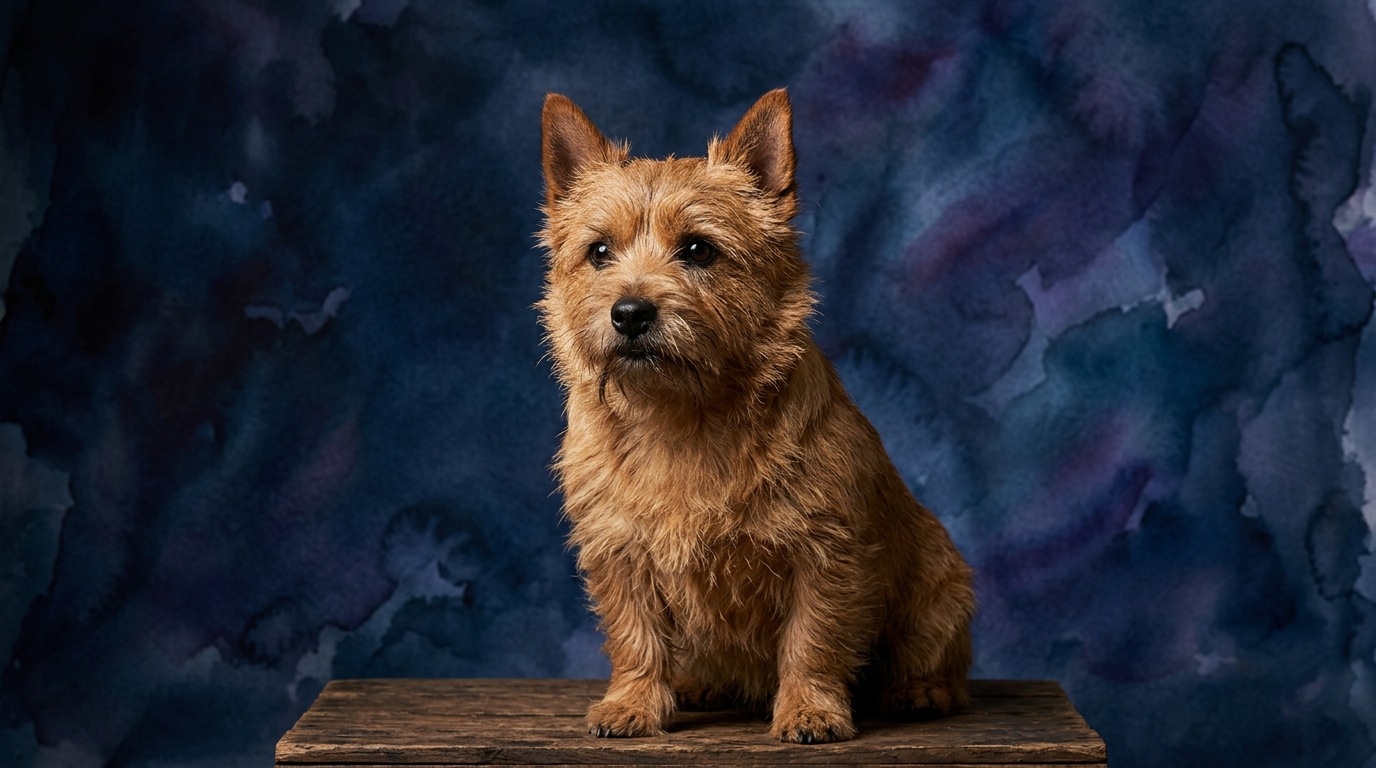
Conversely, the Norwich Terrier, a plucky member of the terrier group, exhibits a more balanced and moderate cognitive profile across the board. Every dimension – Problem Solving, Training Speed, Social Intelligence, Instinctive Drive, and Memory – is rated at 3/5. This doesn't imply a lack of ability, but rather a different approach and pace compared to the Australian Shepherd. Their problem-solving might lean more towards direct, persistent action rather than intricate planning, and their learning, while effective, may require more repetition and motivation tailored to their independent spirit. Their instinctive drive is present, but often expressed through different, more self-directed pursuits.
These distinct profiles highlight the specialized evolutionary paths of each breed. The Australian Shepherd's scores reflect centuries of selective breeding for cooperative work, requiring quick thinking, adaptability, and a strong bond with a handler. Their cognitive strengths are geared towards managing livestock and responding to complex commands in a dynamic environment. Their high memory score is crucial for retaining intricate patterns and sequences.
The Norwich Terrier's consistent 3/5 scores, on the other hand, speak to a breed developed for independent vermin control. Their cognitive makeup emphasizes tenacity, courage, and self-reliance. While they learn and adapt, their intellect is often applied to tasks that require less direct instruction and more individual initiative, like navigating tunnels or pursuing quarry. Their social intelligence, while adequate for companionship, may not be as finely tuned for reading subtle human directives as a herding dog's.
Where the Australian Shepherd's Cognitive Strengths Shine Brightest
The Australian Shepherd's exceptional Problem Solving at 5/5 means they are not just reactive but proactive thinkers. They can assess a situation, devise a plan, and execute it, whether it's navigating an agility course, figuring out how to open a gate, or strategically moving livestock. This cognitive flexibility allows them to excel in dynamic environments where quick, independent decisions are paramount, often anticipating challenges before they fully manifest.
Their 5/5 Training Speed is a testament to their rapid information processing and eagerness to engage. They grasp new concepts and commands with minimal repetition, often chaining multiple behaviors together seamlessly. This attribute makes them highly receptive to advanced obedience, complex tricks, and specialized tasks, frequently surprising owners with how quickly they can master intricate routines.
The 5/5 Instinctive Drive in an Australian Shepherd is a powerful engine for their cognitive engagement. This isn't just energy; it's a deep-seated urge to have a purpose, to work alongside their handler, and to channel their focus into meaningful activity. This drive fuels their enthusiasm for learning and performing, making them incredibly motivated partners in any endeavor.
With a 5/5 in Memory, Australian Shepherds demonstrate an impressive capacity to recall a vast array of commands, names, locations, and past experiences. This robust memory contributes significantly to their training prowess, allowing them to build upon previous learning and remember complex sequences over extended periods. Even their 4/5 Social Intelligence, while not their absolute highest, showcases their ability to read human body language and vocal tones, fostering a deeply communicative partnership based on mutual understanding and cooperation.
Unpacking the Norwich Terrier's Unique Cognitive Landscape
The Norwich Terrier's 3/5 Problem Solving score suggests they tackle challenges with a more direct, often hands-on approach. Instead of elaborate strategizing, they might employ trial-and-error, relying on their tenacity and physical prowess to overcome obstacles. They are adept at solving problems relevant to their terrier roots, such as locating and pursuing small prey, which requires persistence and a certain fearlessness rather than complex, multi-step planning.
Their 3/5 Training Speed indicates that while they are certainly capable of learning, they may require more consistent reinforcement and patience than a herding breed. New commands might take more repetitions to solidify, and their independent nature means they might need more compelling motivation to focus on the task at hand. Learning is often most effective when it feels like a rewarding game, rather than a structured lesson.
The 3/5 Social Intelligence of a Norwich Terrier means they are affectionate and connected to their human families, but their social cues might be more straightforward. They tend to be less subtle in reading nuanced human emotions or intentions compared to a breed bred for close cooperative work. Their interactions are typically direct, charming, and geared towards playful engagement or seeking attention, rather than anticipating complex human needs.
A 3/5 Instinctive Drive for the Norwich Terrier manifests as a strong, independent spirit focused on exploration, digging, and chasing. Unlike the Australian Shepherd's drive for cooperative work, the Norwich's drive is often geared towards self-directed activities rooted in their historical function as vermin hunters. This means they might be more inclined to follow a scent or investigate an interesting sound independently, rather than constantly seeking direction from a handler. Their 3/5 Memory supports their ability to retain key information for their independent endeavors, such as the location of favorite digging spots or the routine of a walk, though perhaps not the same depth for multi-sequence commands as a herding dog.
Training Dynamics: Effort and Engagement
When considering ease of training, the Australian Shepherd generally presents a more straightforward path for handlers. Their 5/5 Training Speed means they absorb information rapidly, often requiring fewer repetitions to master new commands. Coupled with their 5/5 Problem Solving, they thrive on mental challenges and intricate sequences, making them highly responsive to advanced obedience, agility, and even complex service tasks. Their 5/5 Instinctive Drive translates into a strong desire to engage and cooperate, viewing training as a fulfilling outlet for their energy and intellect, often eager to please and work alongside their handler.
The Norwich Terrier, with a 3/5 Training Speed, requires a different approach. While intelligent, their independent terrier spirit means they can be more selective in their attention and motivation. They learn effectively, but often need more consistent, positive reinforcement and shorter, engaging training sessions to maintain focus. Their 3/5 Problem Solving suggests they might not intuitively grasp multi-step commands as quickly, requiring tasks to be broken down into simpler components. Real behavioral differences include their tendency to follow their nose or curiosity over a handler's command, especially in stimulating environments. Patience and creativity are key to making training a rewarding experience for a Norwich, often leveraging their love for play and treats.
For the Australian Shepherd, training is often a cooperative dance, where the dog actively seeks to understand and perform. Their strong memory allows them to build a vast vocabulary of commands and cues, and their social intelligence helps them anticipate their handler's next move. For the Norwich Terrier, training is more about building a fun, engaging relationship where the dog chooses to participate. Their moderate scores mean that while they are capable and charming companions, handlers must adapt their methods to suit a more independent learner, celebrating small successes and maintaining a lighthearted approach.
Lifestyle Compatibility: Active vs. Relaxed Owners
For owners seeking an active and deeply engaged companion, the Australian Shepherd is an ideal match. Their 5/5 Instinctive Drive and 5/5 Problem Solving mean they require substantial mental and physical stimulation daily. These are not dogs content with a short walk around the block; they thrive on structured activities like herding, advanced obedience, agility, flyball, or long hikes with a purpose. Owners who can provide a 'job' or consistent opportunities for complex engagement will find an Australian Shepherd to be a highly fulfilling partner, preventing boredom that can lead to undesirable behaviors.
The Norwich Terrier, while certainly not a couch potato, is better suited for owners who appreciate a spirited companion without the intense demands of a working breed. Their moderate scores across all dimensions (3/5) indicate they enjoy regular exercise, such as daily walks, playtime in a secure yard, and interactive games, but do not typically require the same level of strenuous activity or complex mental work as an Australian Shepherd. They are adaptable to various living situations, provided they receive consistent attention and opportunities for exploration within reasonable bounds.
An Australian Shepherd owner should be prepared for a significant time commitment to meet their dog's cognitive and physical needs, often involving dedicated training sessions and participation in dog sports. They thrive with owners who are consistent, patient, and enjoy a highly interactive relationship. A Norwich Terrier owner will find a charming, tenacious companion who enjoys being part of family activities and appreciates regular, but not overwhelming, engagement. They fit well with owners who enjoy a playful, curious dog that brings joy without requiring a full-time commitment to intense training or athletic pursuits.
The Verdict — When to Choose Each
The Verdict
Choose an Australian Shepherd if you are an active individual or family seeking a highly engaged, cooperative partner for advanced training, dog sports, or a 'working' companion who thrives on intense mental and physical challenges and strong handler collaboration.
Choose a Norwich Terrier if you appreciate a spirited, charming, and independent companion who enjoys regular activity and interaction but doesn't require constant, highly complex mental stimulation or strenuous athletic pursuits, thriving on tenacity and curiosity.
🧠 Find Your Pet's IQ Score
Our Pet IQ Lab assessment covers 25+ tests across 5 cognitive dimensions — personalized to your breed.
Take the Full IQ Test →Frequently Asked Questions
Do Norwich Terriers struggle with learning?
Norwich Terriers learn effectively, but their training speed is rated 3/5 compared to the Australian Shepherd's 5/5. They may require more repetition, consistent positive reinforcement, and creative engagement to master commands, given their independent nature and tendency to prioritize their own interests.
How does instinctive drive differ between these two breeds?
The Australian Shepherd's 5/5 instinctive drive is channeled into cooperative herding and task execution, seeking purposeful work alongside a handler. The Norwich Terrier's 3/5 drive often manifests as independent exploration, chasing small prey, or digging, reflecting their historical function as vermin hunters.
Can a Norwich Terrier participate in dog sports?
Absolutely, Norwich Terriers can enjoy and excel in various dog sports like agility, earthdog trials, or obedience, though their approach might be more independent and spirited. Owners should focus on making training fun and engaging, leveraging their natural curiosity and drive to keep them motivated and involved.