
Side-by-side IQ profile
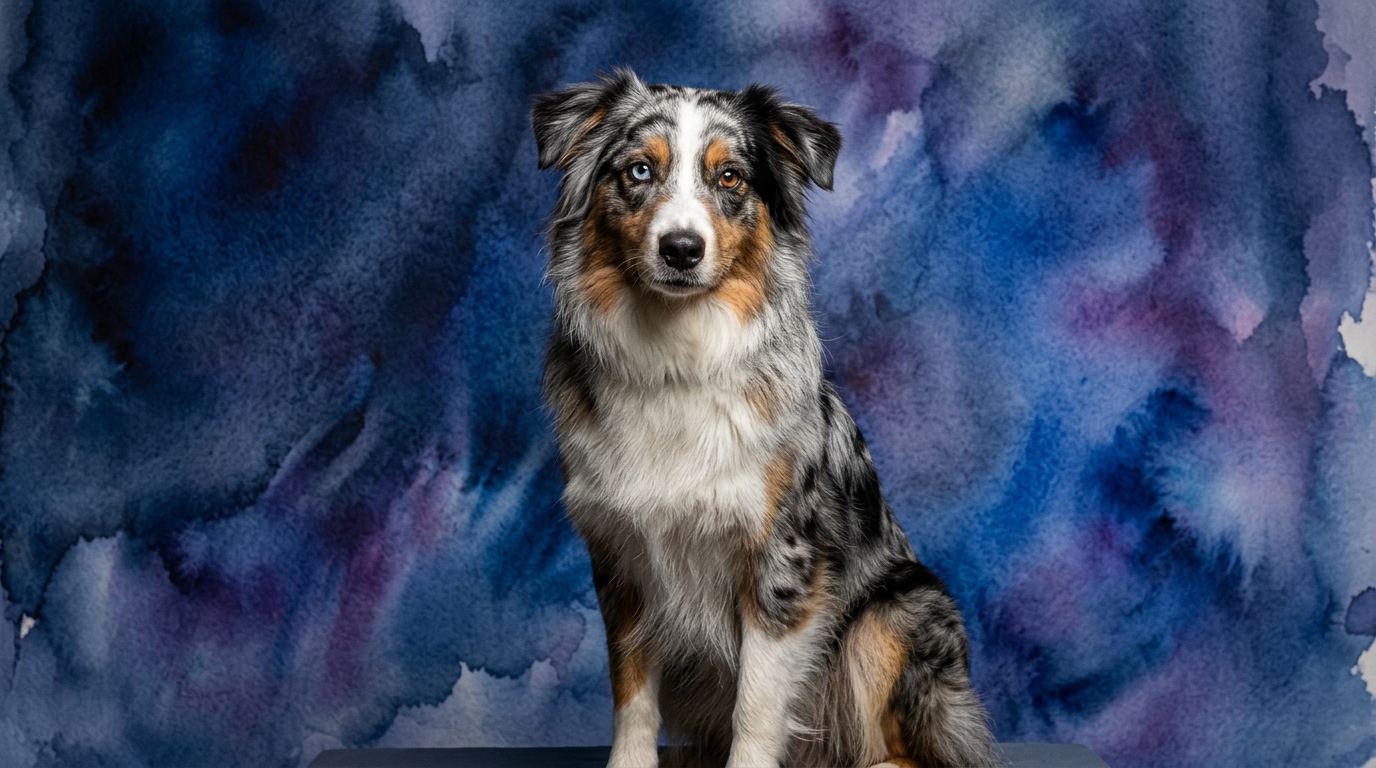
The Australian Shepherd emerges from The Cosmic Pet Pet IQ Lab with a formidable cognitive blueprint. Its Problem Solving is rated a perfect 5/5, indicating an exceptional capacity to navigate complex scenarios, adapt to novel challenges, and devise effective solutions independently. This breed's Training Speed also scores a top 5/5, reflecting an eagerness to learn new commands quickly and retain them with minimal repetition, making it highly responsive to instruction. Social Intelligence is a strong 4/5, suggesting a good understanding of human cues and emotional states, though perhaps with a slightly more independent streak than some purely companion breeds. Its Instinctive Drive is a powerful 5/5, manifesting as an intense desire to herd, patrol, and engage in purposeful work, a core aspect of its cognitive makeup. Finally, Memory is also a flawless 5/5, allowing it to recall intricate sequences, learned behaviors, and environmental details with impressive accuracy over time.
In contrast, the Old English Sheepdog presents a more moderate, yet still capable, cognitive profile according to The Cosmic Pet Pet IQ Lab. Its Problem Solving ability is rated 3/5, indicating a solid capacity for overcoming challenges, though perhaps with a preference for established routines or requiring more guidance in novel situations. Training Speed also sits at 3/5, meaning it learns at a steady pace, requiring consistent repetition and patience, but ultimately acquiring commands reliably. Social Intelligence is a balanced 3/5, suggesting a generally amicable disposition and an ability to form strong bonds, though it might interpret subtle human signals less acutely than its Australian Shepherd counterpart. Instinctive Drive is likewise 3/5, reflecting a present but less intense urge to herd or work, often manifesting as a protective instinct for its family rather than a constant need for active livestock management. Its Memory, however, is a commendable 4/5, showing a strong ability to recall past experiences, learned behaviors, and familiar people or places, even if its initial learning speed is more measured.
Where Australian Shepherd wins cognitively
The Australian Shepherd's cognitive strengths are evident across multiple dimensions, particularly in its capacity for independent thought and rapid acquisition of new skills. Its 5/5 Problem Solving score means it's not just following commands; it's actively analyzing situations, making decisions, and strategizing on its own, whether it's figuring out how to open a gate or navigate an agility course. This cognitive agility allows them to excel in dynamic environments where quick, on-the-spot adjustments are crucial. Coupled with a 5/5 Training Speed, the Australian Shepherd absorbs new information and complex command sequences with remarkable efficiency, often needing only a few repetitions before understanding a concept. This combination translates into a dog that can master advanced tasks, learn intricate routines, and respond to subtle cues, making it a standout performer in competitive dog sports like obedience, agility, and herding trials where precision and quick learning are paramount. Their 5/5 Instinctive Drive further fuels this cognitive prowess, providing an intrinsic motivation to engage with tasks and work alongside their human partners, transforming their natural herding instincts into a powerful drive for purposeful activity.
Where Old English Sheepdog wins cognitively
While the Old English Sheepdog's scores might appear lower than the Australian Shepherd's in several areas, its cognitive profile possesses distinct advantages, particularly in its balanced approach to instinct and its commendable memory. The OES's 3/5 Instinctive Drive, while less intense than the Aussie's, can be a cognitive benefit for certain owners; it means their herding impulses are present but often less overwhelming or prone to redirecting onto household members or children, leading to a more relaxed integration into a family setting. This allows their substantial 4/5 Memory score to shine in a different light. While they may not learn new tricks with lightning speed, their strong recall ensures that once a behavior is established, it is deeply ingrained and reliably performed. This enduring memory fosters a sense of predictability and consistency, which can be a significant cognitive asset for owners seeking a steadfast companion who remembers routines, boundaries, and family members with unwavering loyalty. Their 3/5 Social Intelligence, though not top-tier, reflects a generally amiable and adaptable nature, making them receptive to social interactions without the intense need for constant mental stimulation that a higher drive breed might demand, allowing them to thrive in environments where steady companionship is valued over intricate cognitive challenges.
Which is easier to train and why
Based on The Cosmic Pet Pet IQ Lab's metrics, the Australian Shepherd is unequivocally easier to train, primarily due to its superior Training Speed (5/5) and Problem Solving ability (5/5). An Australian Shepherd typically grasps new commands and concepts with remarkable swiftness, often requiring only a handful of repetitions to solidify a new behavior. Their high problem-solving skills mean they don't just memorize; they understand the *why* behind a command, enabling them to generalize learned behaviors to new situations more readily. For example, if taught to "stay" in the living room, an Aussie is more likely to apply that command correctly in a busy park with minimal additional training. Their intense Instinctive Drive (5/5) also provides a strong internal motivation to engage in tasks and work alongside their owner, turning training into a fulfilling partnership rather than a chore. In contrast, the Old English Sheepdog's 3/5 Training Speed suggests that while they are trainable, they require more patience, consistency, and repetition. They may take longer to connect a verbal cue with a desired action, and their 3/5 Problem Solving means they might need more structured guidance when encountering novel situations or variations of a learned command. While their 4/5 Memory ensures retention, the initial learning phase will be more drawn out, meaning owners must commit to a more consistent and prolonged training regimen to achieve similar results.
Which suits active owners vs relaxed owners
The cognitive profiles of these two breeds clearly delineate their suitability for different owner lifestyles. The Australian Shepherd, with its 5/5 Problem Solving, 5/5 Training Speed, and 5/5 Instinctive Drive, is an ideal match for active owners who thrive on engagement and mental stimulation. These dogs excel when given a job to do, whether it's participating in dog sports, learning complex trick routines, or accompanying their humans on demanding outdoor adventures like hiking, trail running, or biking. Their cognitive makeup demands consistent mental and physical challenges to prevent boredom and potential behavioral issues. They relish opportunities to use their quick wit and problem-solving skills, making them fantastic partners for owners dedicated to advanced training and continuous learning. Conversely, the Old English Sheepdog, with its 3/5 scores in Problem Solving, Training Speed, and Instinctive Drive, combined with a strong 4/5 Memory, is better suited for more relaxed owners who appreciate a steadfast, affectionate companion without the intense daily demands for intricate mental work. While they still require regular exercise to maintain physical health, their cognitive needs are less about constant problem-solving and more about consistent routines and companionship. They are content with moderate walks, playtime in the yard, and ample cuddle time, remembering their family and routines with unwavering devotion. They thrive in homes where their gentle, watchful presence is valued, rather than their ability to master the most complex cognitive tasks.
The Verdict
If you are an active, engaged owner eager for a highly trainable, quick-witted partner capable of advanced problem-solving, dog sports, and daily mental challenges, choose the Australian Shepherd.
If you prefer a devoted, steady companion with excellent memory who thrives on consistent routines, moderate activity, and a more relaxed approach to cognitive stimulation, choose the Old English Sheepdog.
🧠 Find Your Pet's IQ Score
Our Pet IQ Lab assessment covers 25+ tests across 5 cognitive dimensions — personalized to your breed.
Take the Full IQ Test →Frequently Asked Questions
Does the Australian Shepherd's strong instinctive drive make it difficult to live with?
The Australian Shepherd's 5/5 Instinctive Drive means it possesses a powerful urge to herd and work. While this can manifest as chasing or nipping at heels if not managed, it also provides a strong foundation for training and purposeful activities. With appropriate outlets like herding games, dog sports, or specific tasks, this drive becomes a valuable asset rather than a challenge.
How does the Old English Sheepdog's 3/5 social intelligence impact its family life?
An Old English Sheepdog's 3/5 Social Intelligence suggests a generally amiable and adaptable nature, making them good family dogs. They form strong bonds and are typically good with children, often displaying a protective, watchful presence. While they may not interpret every subtle human cue as acutely as some breeds, their calm demeanor and loyalty make them cherished companions.
Can an Old English Sheepdog still learn complex tasks despite its 3/5 training speed?
Absolutely. While an Old English Sheepdog's 3/5 Training Speed indicates they learn at a more deliberate pace than an Australian Shepherd, their commendable 4/5 Memory ensures that once a task is learned, it is retained reliably. With patience, consistent positive reinforcement, and clear communication, an OES can certainly master a wide range of commands and even complex routines, though the process may take longer.