Side-by-Side IQ Profile: Unpacking Cognitive Dimensions
To truly understand the mental landscape of these two herding breeds, we examine their cognitive abilities across five critical dimensions: problem solving, training speed, social intelligence, instinctive drive, and memory. These scores, derived from The Cosmic Pet Pet IQ Lab, provide a granular view of their innate capacities.
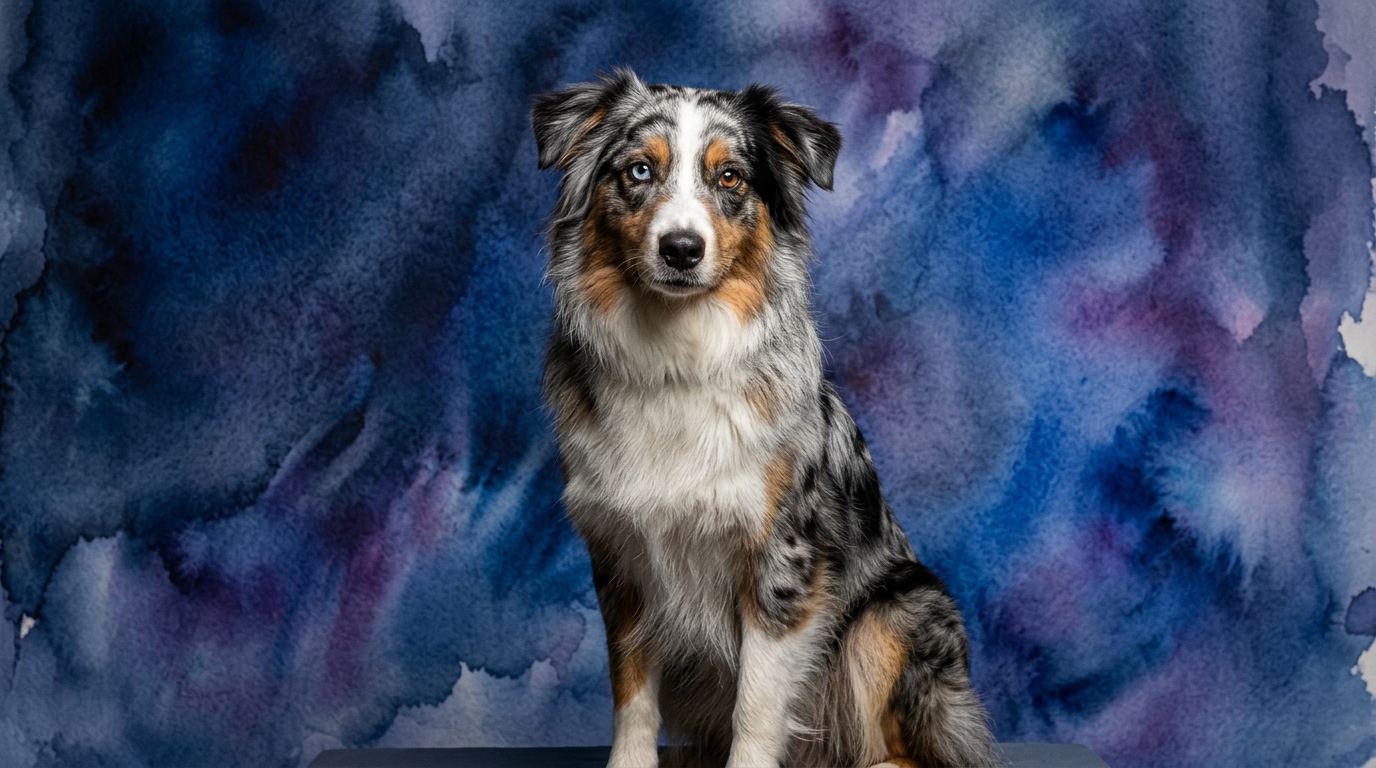
The **Australian Shepherd** presents a robust cognitive profile, excelling in multiple areas. Their Problem Solving is rated a perfect 5/5, indicating an exceptional capacity for independent thought and strategic planning. They don't just follow instructions; they understand objectives and can devise novel methods to achieve them. Their Training Speed also scores 5/5, reflecting a remarkable ability to grasp new commands and complex routines with minimal repetition, driven by an eagerness to engage and a sharp focus. Social Intelligence stands at 4/5, demonstrating a keen awareness of human cues and group dynamics, though occasionally tempered by their strong independent streak. Instinctive Drive is a powerful 5/5, manifesting as an intense, pervasive desire to organize and manage their environment, a direct lineage from their herding roots. Finally, their Memory is a strong 5/5, allowing them to recall vast repertoires of learned behaviors, people, and places with impressive accuracy over extended periods.
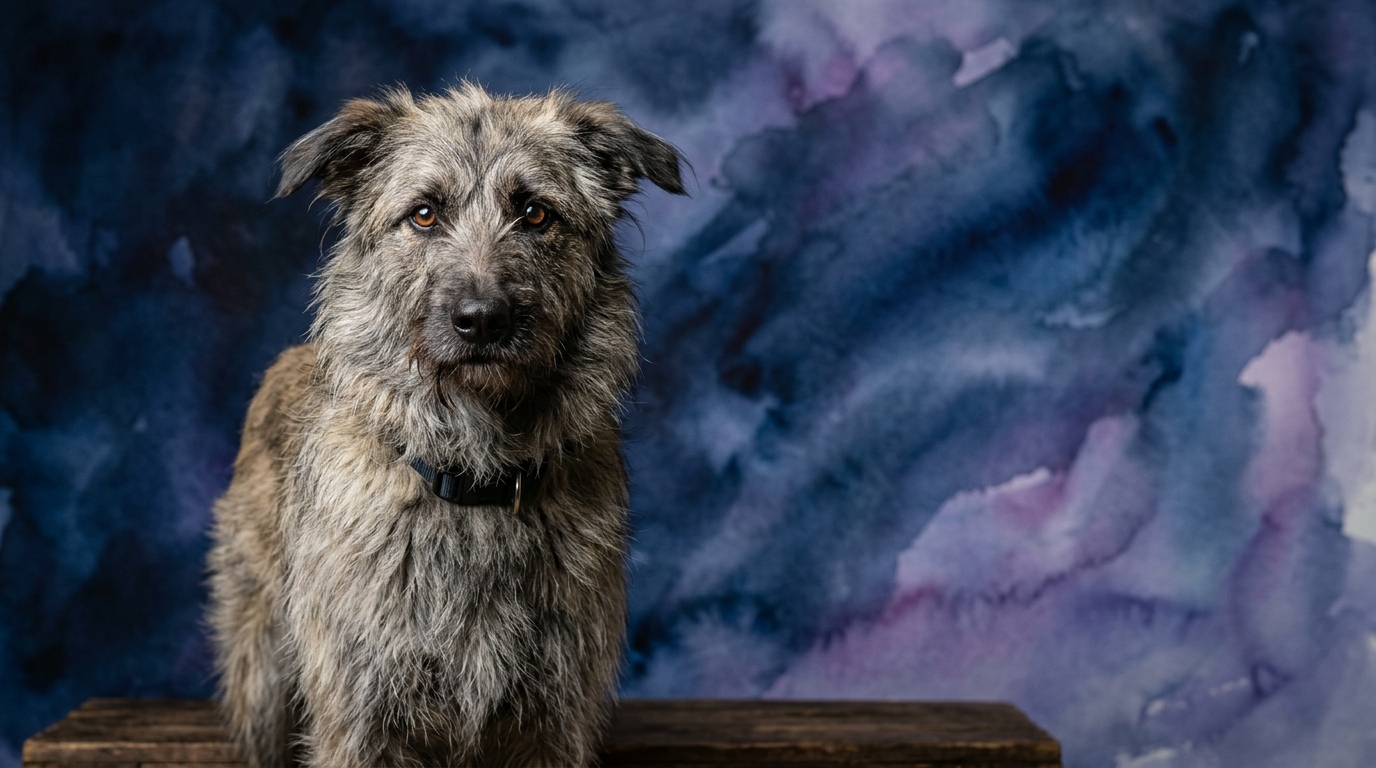
In contrast, the **Pyrenean Shepherd** exhibits a different, yet equally functional, cognitive makeup. Their Problem Solving is rated 3/5, indicating a practical approach where they tend to rely on established methods or direct guidance rather than spontaneous, abstract solutions. They are effective but often less inclined to invent new strategies. Training Speed is 3/5, suggesting a steady and reliable learning pace, where consistency and patience yield lasting results, even if initial uptake isn't instantaneous. Social Intelligence scores 3/5, pointing to an observant nature combined with a notable degree of independence; they process social cues but often prioritize their own assessment or purpose. Their Instinctive Drive is 3/5, a clear presence of herding impulse, but typically expressed with more autonomy and less overt control than the Australian Shepherd. Memory, at 3/5, means they reliably retain crucial commands and significant experiences, forming a solid foundation for their operational understanding without necessarily cataloging every minor detail.
Where the Australian Shepherd Wins Cognitively
The Australian Shepherd's cognitive strengths, particularly their 5/5 scores, translate into several distinct advantages. Their superior problem-solving ability means they are adept at navigating complex environments and adapting to novel situations with minimal human intervention. For instance, an Aussie might independently figure out how to open a specific gate or retrieve a dropped item from an inaccessible spot, showcasing strategic thinking rather than just trial and error. This capacity for independent thought makes them exceptional candidates for intricate tasks requiring initiative.
The perfect 5/5 in training speed allows Australian Shepherds to acquire new skills with astonishing rapidity. This isn't merely about rote memorization; it reflects their ability to understand the 'why' behind a command and generalize it to new contexts quickly. Owners can introduce advanced obedience, agility sequences, or even service dog tasks, and the Aussie will often grasp the concept after just a few repetitions, making them incredibly versatile and rewarding to teach. This quick uptake means less frustration for both dog and handler.
Their strong memory and instinctive drive further amplify these advantages. A 5/5 memory ensures that once a lesson is learned, it's rarely forgotten, building a stable foundation for increasingly complex training. Coupled with their intense instinctive drive, Aussies channel their abundant energy and focus into productive, directed work. This means they are not just capable learners but also highly motivated collaborators, eager to engage in structured activities and perform their duties with unwavering focus and reliability.
Where the Pyrenean Shepherd Wins Cognitively
While the Australian Shepherd often shines in overt demonstrations of problem-solving, the Pyrenean Shepherd's cognitive profile, even with scores of 3/5, presents distinct advantages for owners seeking a different kind of partnership. Their problem-solving approach, rated at 3/5, suggests a preference for practical, direct solutions over intricate, multi-step strategies. This can be a strength in environments where overthinking or complex improvisations might be counterproductive, leading to an efficient, no-nonsense resolution of tasks, particularly in their traditional role of managing livestock in challenging terrain.
The Pyrenean Shepherd's training speed, also at 3/5, indicates a dog that learns thoroughly and embeds lessons deeply rather than superficially. While they may require more repetitions, once a behavior is mastered, it tends to be robust and reliable. This deliberate learning style can result in a more steadfast and predictable companion, less prone to forgetting established commands or routines, which is valuable in demanding working situations where consistency is paramount.
Their social intelligence, at 3/5, points to a degree of independence and self-reliance that can be highly beneficial. Pyrenean Shepherds are observant and responsive, but they are not typically overly dependent on constant human validation. This self-possessed nature can foster resilience and adaptability, allowing them to operate effectively without constant oversight, a trait crucial for a pastoral dog tasked with solitary vigilance. They might be less prone to separation distress, adapting more readily to periods of independent activity.
The instinctive drive of 3/5 means their herding impulse is present and functional, but perhaps less intensely all-consuming than an Australian Shepherd's. This allows their drive to be a useful asset for managing and organizing without necessarily dominating every aspect of their behavior. For an owner, this can translate into a dog whose working instincts are strong enough to be effective but potentially more manageable within a domestic setting that isn't solely focused on livestock operations.
Finally, their memory score of 3/5 suggests a practical cognitive filter. Pyrenean Shepherds reliably retain crucial information pertinent to their daily tasks, safety, and routines, without necessarily dwelling on every minor detail. This selective memory can be advantageous in dynamic environments, enabling them to focus on critical cues and experiences that directly impact their work or well-being, fostering a practical and focused approach to their environment.
Which is Easier to Train and Why?
When considering ease of training, the Australian Shepherd generally presents a more straightforward path for most owners. Their 5/5 training speed means they absorb new commands rapidly, often requiring fewer repetitions and demonstrating a quicker understanding of the desired behavior. This quick uptake, combined with their 5/5 problem-solving, allows them to generalize learned concepts effectively, applying them to new situations without extensive re-teaching. Their eagerness to please and high social intelligence (4/5) further enhance their trainability, making them highly responsive to positive reinforcement and handler cues.
The Pyrenean Shepherd, with a training speed of 3/5, requires a more patient and consistent approach. While they are certainly trainable, they learn at a more deliberate pace, necessitating more repetitions and a clear, unwavering training methodology. Their 3/5 problem-solving means they might not spontaneously offer novel solutions or generalize as quickly as an Aussie, preferring instead to stick to established routines. This can be perceived as more challenging for novice owners or those accustomed to breeds that pick up concepts almost instantly. Their independence (3/5 social intelligence) also means they might be less motivated purely by human approval, requiring different types of reinforcement and a trainer who understands their self-directed nature. Success with a Pyrenean Shepherd often hinges on building a strong, trusting relationship based on mutual respect and consistent guidance, rather than expecting immediate, enthusiastic compliance.
Which Suits Active Owners vs. Owners Seeking Independent Companionship?
Both Australian Shepherds and Pyrenean Shepherds are active herding breeds, meaning a truly 'relaxed' owner in the sense of a sedentary lifestyle would struggle with either. However, their cognitive profiles suggest different types of active engagement. The Australian Shepherd, with its 5/5 problem-solving, 5/5 training speed, and 5/5 instinctive drive, thrives with owners who can provide constant mental and physical challenges. They excel in structured activities like dog sports (agility, flyball, obedience), advanced trick training, and working roles where their collaborative spirit and rapid learning can be fully utilized. An Aussie needs an owner who is not just active, but also eager to engage in consistent, varied, and often complex training sessions to satisfy their profound cognitive needs. They are partners who want to be deeply involved in every aspect of their owner's active life.
The Pyrenean Shepherd, while also requiring substantial physical exercise, might appeal to active owners who appreciate a more independent and resourceful companion. Their 3/5 social intelligence and moderate instinctive drive suggest a dog that is self-sufficient and capable of working or exploring without constant directives. They are well-suited for activities like hiking, trail running, or less structured herding tasks where their natural vigilance and practical problem-solving shine. Owners who enjoy outdoor adventures but also value a dog that can operate with a degree of autonomy, rather than being perpetually 'on' and seeking direction, might find the Pyrenean Shepherd a more compatible fit. They still need engagement, but perhaps less intensely structured, collaborative cognitive work compared to the Australian Shepherd.
The Verdict
Choose the Australian Shepherd if you seek a highly engaged, collaborative, and versatile canine partner ready for advanced training, dog sports, or demanding working roles, and you can provide ample structured mental and physical stimulation.
Opt for the Pyrenean Shepherd if you value an independent, resilient, and resourceful companion with a practical approach to life, are prepared for consistent, patient training, and appreciate a dog with a strong sense of self and purpose, suited for active outdoor lifestyles but perhaps less overt constant collaboration.
🧠 Find Your Pet's IQ Score
Our Pet IQ Lab assessment covers 25+ tests across 5 cognitive dimensions — personalized to your breed.
Take the Full IQ Test →Frequently Asked Questions
Are Pyrenean Shepherds truly less intelligent than Australian Shepherds?
Not necessarily 'less intelligent,' but rather possessing a different cognitive style. While Australian Shepherds excel in rapid learning and complex problem-solving, Pyrenean Shepherds demonstrate a practical, deliberate intelligence that prioritizes robust learning and self-reliance, which are equally valuable in specific contexts.
Can a Pyrenean Shepherd excel in dog sports like an Australian Shepherd?
Yes, Pyrenean Shepherds can certainly excel in dog sports, particularly those valuing agility, endurance, and natural drive. However, their training path might require more patience and consistency due to their deliberate learning speed, compared to the Australian Shepherd's rapid uptake.
How does social intelligence impact daily life for these breeds?
An Australian Shepherd's higher social intelligence means they are often more attuned to human emotions and desires, making them eager collaborators and highly responsive to their family. A Pyrenean Shepherd's independence, stemming from their social intelligence, means they might be more self-reliant and less prone to constant seeking of human validation, fostering a resilient, though perhaps less overtly expressive, companionship.