Side-by-Side IQ Profile
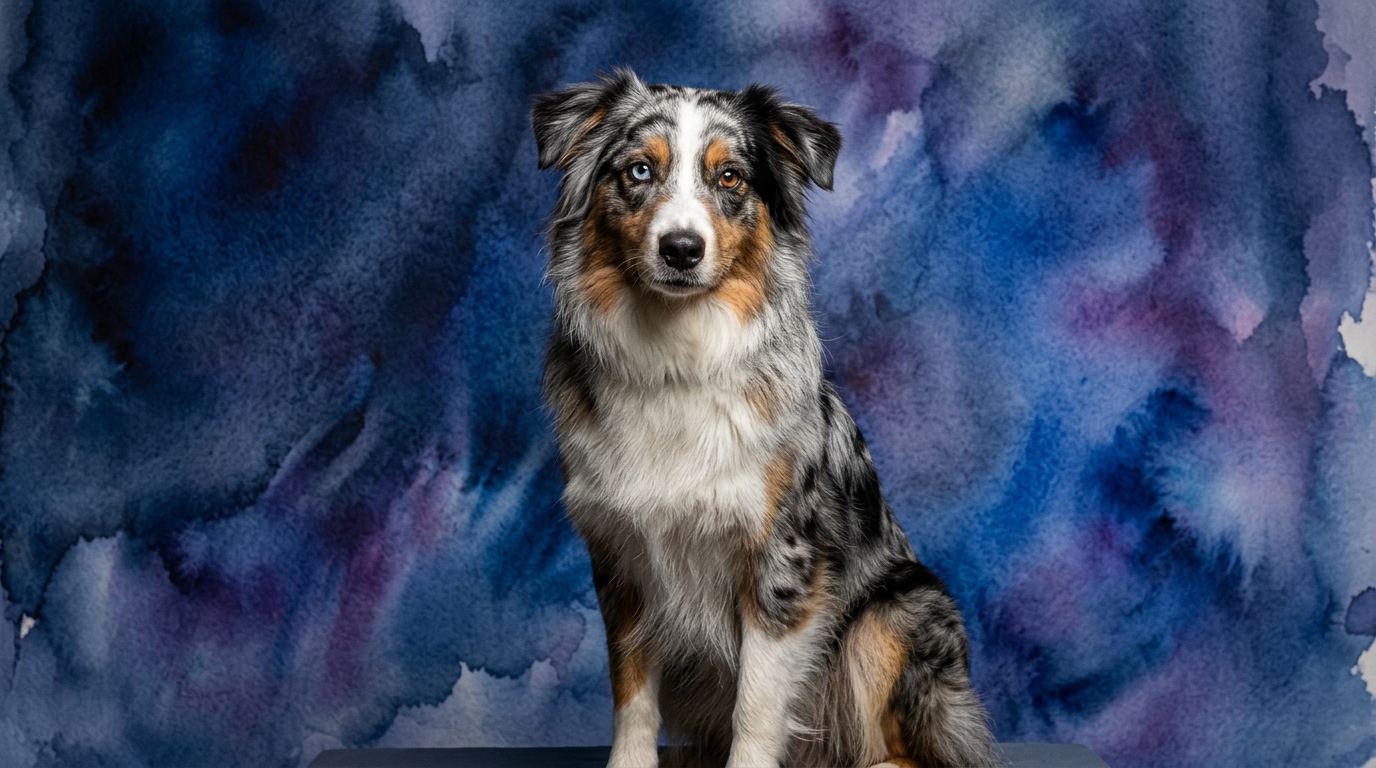
The Cosmic Pet Pet IQ Lab offers a nuanced perspective on canine cognition, breaking down intelligence into several key dimensions. For the Australian Shepherd, a herding breed not traditionally included in Coren's ranking, their profile showcases remarkable mental agility tailored for complex tasks and close collaboration. Their Problem Solving is rated 5/5, indicating an exceptional capacity to analyze novel situations and devise solutions, often without direct human guidance. Training Speed also scores 5/5, reflecting their eagerness and ability to grasp new commands and routines with minimal repetition. Social Intelligence stands at 4/5, showing strong attunement to human cues and social dynamics, making them highly responsive companions. Their Instinctive Drive is a perfect 5/5, channeled into purposeful work and reflecting a profound motivation for tasks. Finally, Memory, also 5/5, ensures they retain learned behaviors and experiences over long periods, building a robust internal map of their environment and expectations.
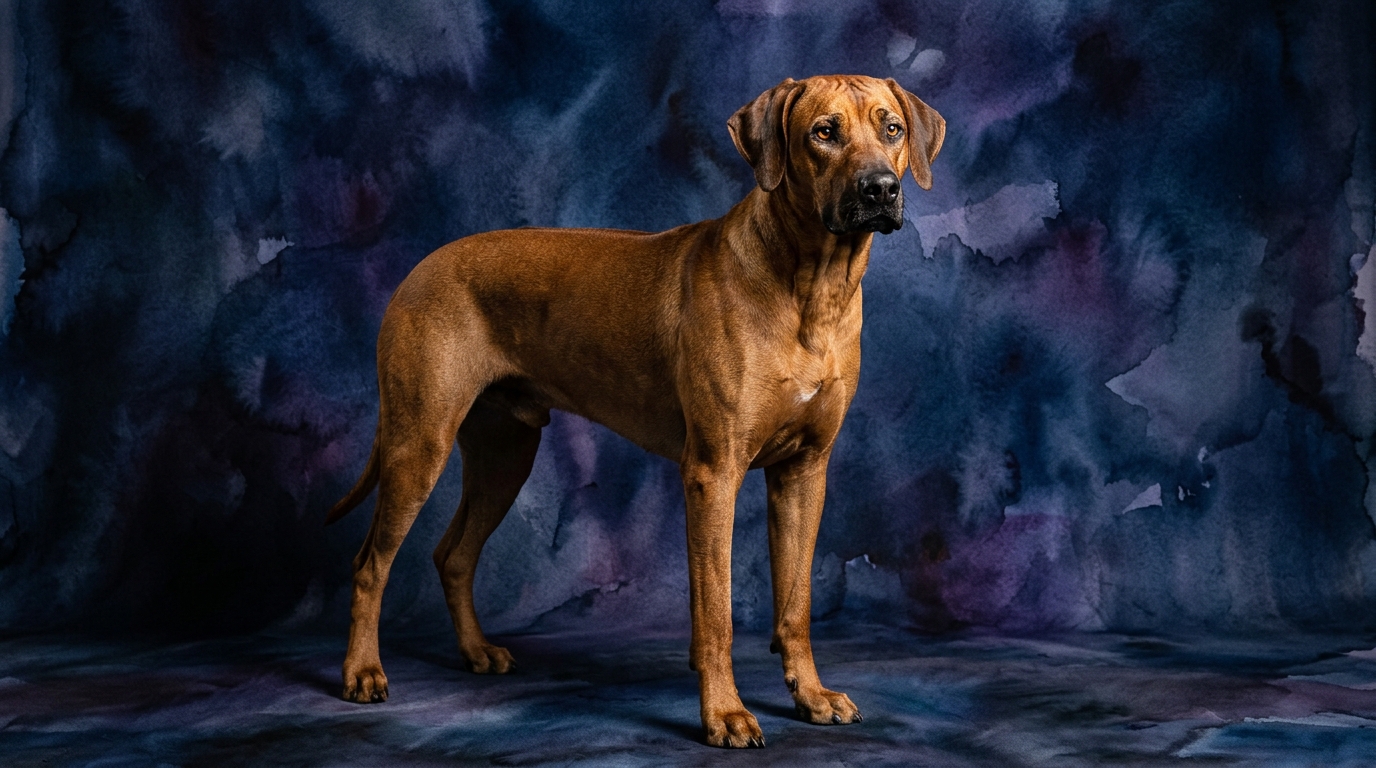
In contrast, the Rhodesian Ridgeback, a hound breed ranked #52 by Coren, possesses a distinct set of mental strengths forged by their independent hunting heritage. Their Problem Solving is rated 3/5, suggesting a more deliberate approach, often preferring to rely on instinct or established patterns rather than spontaneous innovation in complex scenarios. Training Speed also scores 3/5, indicating they require more patience and consistent reinforcement, processing new information at a steadier pace. Social Intelligence is 3/5, suggesting a discerning nature; while they understand social cues, they may not always prioritize human directives over their own judgment. Their Instinctive Drive, also 3/5, is potent but often self-directed, rooted in their independent hunting heritage rather than a constant desire for human-assigned tasks. Memory, rated 3/5, is functional for their needs, allowing them to recall important information but perhaps not with the same breadth or detail as the Australian Shepherd.
Where the Australian Shepherd Wins Cognitively
The Australian Shepherd's cognitive profile paints a picture of a dog built for dynamic, collaborative problem-solving. Their 5/5 score in Problem Solving means they excel at tasks requiring quick thinking and adaptability, such as navigating complex agility courses or figuring out how to open a childproof gate. This isn't solely about following commands; it's about anticipating next steps and making independent decisions within a structured context. Coupled with a 5/5 Training Speed, Aussies absorb new information like sponges, making them exceptional candidates for advanced obedience, trick training, or even service work where a vast repertoire of learned behaviors is essential. Their high Social Intelligence (4/5) also means they are finely tuned to human emotions and intentions, often reacting proactively to their owner's mood or subtle cues, fostering a deep, collaborative bond. This makes them highly effective partners in tasks where communication and mutual understanding are paramount. Furthermore, their 5/5 Instinctive Drive isn't just a motor; it's a cognitive engine that fuels their desire to engage and perform, making them persistent and focused learners.
Where the Rhodesian Ridgeback Wins Cognitively
While the Rhodesian Ridgeback's scores might appear lower across the board in some metrics, their cognitive strengths lie in areas that reflect their original purpose: independent hunting and guarding. Their 3/5 Problem Solving, for instance, doesn't imply a lack of mental capacity, but rather a preference for pragmatic, often instinct-driven solutions, particularly in real-world scenarios rather than abstract puzzles. A Ridgeback might not quickly solve a complex feeder toy, but they possess a remarkable ability to process environmental cues over vast distances during a scent trail, demonstrating a focused, sustained cognitive effort. Their 3/5 Instinctive Drive, while not always focused on human-directed tasks, is profoundly effective when it comes to self-initiated exploration or protection. This breed exhibits a discerning Social Intelligence (3/5), meaning they are often reserved with strangers but form incredibly deep, nuanced bonds with their chosen family, reading their specific human's intentions with acute precision. Their 3/5 Memory, though not photographic, is perfectly suited for recalling specific scents, routes, or individuals, critical for their historical roles. Ridgebacks excel in situations demanding self-reliance, patience, and a steadfast resolve, where their cognitive energy is conserved for truly important matters rather than constant human interaction or performance.
Which is Easier to Train and Why
Without question, the Australian Shepherd presents a significantly easier training experience for most owners. Their 5/5 Training Speed means they pick up new commands and routines with remarkable rapidity, often requiring only a few repetitions before a behavior is understood. This is bolstered by their eagerness to please and strong desire to work collaboratively with their human partners, stemming from their herding heritage and high Social Intelligence (4/5). An Aussie thrives on mental stimulation and finds joy in learning, which translates into a highly motivated and responsive student. They are quick to offer behaviors and respond well to positive reinforcement, actively seeking opportunities to engage in training sessions.
In contrast, the Rhodesian Ridgeback's 3/5 Training Speed means owners must approach training with greater patience and consistency. Ridgebacks process new information more deliberately and are less inclined to perform simply to please. Their independent nature, a hallmark of a hound breed, means they often weigh a command against their own immediate interests or perceived relevance. This isn't stubbornness in a negative sense, but rather a strong sense of self-preservation and autonomy. Owners will find success by making training engaging, rewarding, and by building a strong foundation of trust and respect. While they can learn a wide array of commands, the path to mastery will be longer and require more creative motivation than with an Australian Shepherd.
Which Suits Active Owners vs. Relaxed Owners
The Australian Shepherd is unequivocally suited for active owners. Their 5/5 Instinctive Drive and 5/5 Problem Solving demand consistent mental and physical engagement. These are not dogs content with a short walk around the block and an hour of backyard play. They thrive on structured activities like agility, flyball, herding trials, hiking, or even competitive obedience. Owners who enjoy an active lifestyle and are prepared to dedicate significant time to training, exercise, and mental enrichment will find an Aussie to be an unparalleled companion. Their cognitive abilities require an outlet; without sufficient stimulation, an Australian Shepherd can become bored, leading to undesirable behaviors such as excessive barking, destructive chewing, or attempting to 'herd' family members.
The Rhodesian Ridgeback, while capable of bursts of speed and possessing endurance, leans towards a more relaxed, yet still active, ownership style. Their 3/5 Instinctive Drive is less about constant work and more about focused bursts of activity followed by periods of calm. They appreciate a good run, a long hike, or a sustained scent-tracking session, but they are generally content to relax at home afterward. They are not typically 'go-go-go' dogs in the same way an Aussie is. Owners who lead an active but not necessarily high-intensity lifestyle, and who appreciate a dog that can transition gracefully between vigorous outdoor adventures and quiet indoor companionship, will find the Ridgeback a good fit. While they do require regular exercise to maintain their physical and mental well-being, their need for constant directed mental work is lower than that of an Australian Shepherd. Their independent nature means they are often content to observe and be present, rather than constantly seeking interaction or tasks.
The Verdict
Opt for an Australian Shepherd if you are an active, engaged owner seeking a highly trainable, collaborative partner for sports, advanced obedience, or a job that demands quick thinking and a strong desire to work alongside you.
Select a Rhodesian Ridgeback if you appreciate a noble, independent companion with a discerning nature, who enjoys focused outdoor activities but also values calm companionship, and you are prepared for a patient, consistent training approach.
🧠 Find Your Pet's IQ Score
Our Pet IQ Lab assessment covers 25+ tests across 5 cognitive dimensions — personalized to your breed.
Take the Full IQ Test →Frequently Asked Questions
Are Australian Shepherds good family dogs despite their high drive?
Yes, Australian Shepherds can be excellent family dogs, especially with active families who can meet their substantial exercise and mental stimulation needs. Their social intelligence helps them bond closely, but they require proper socialization to manage their herding instincts around children and other pets.
Do Rhodesian Ridgebacks require a lot of space?
While Ridgebacks are large and benefit from a secure yard for exercise, their calm indoor demeanor means they can adapt to various living situations as long as their daily exercise requirements are met. They are not typically destructive indoors if adequately stimulated outdoors.
How do these breeds typically interact with strangers?
Australian Shepherds are generally friendly and outgoing with strangers once properly socialized, though some may exhibit initial reserve. Rhodesian Ridgebacks are typically more reserved and watchful around strangers, embodying their guarding instincts, and often take time to warm up.