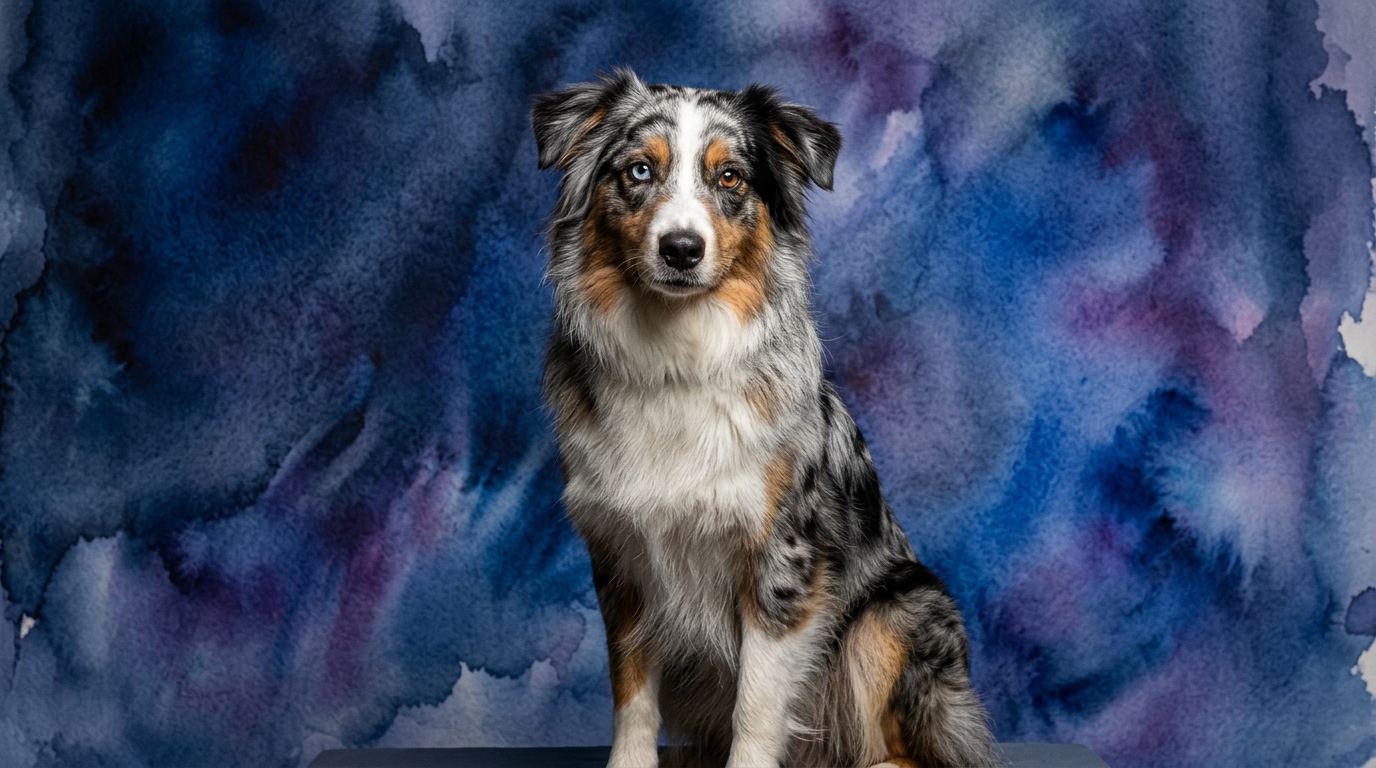
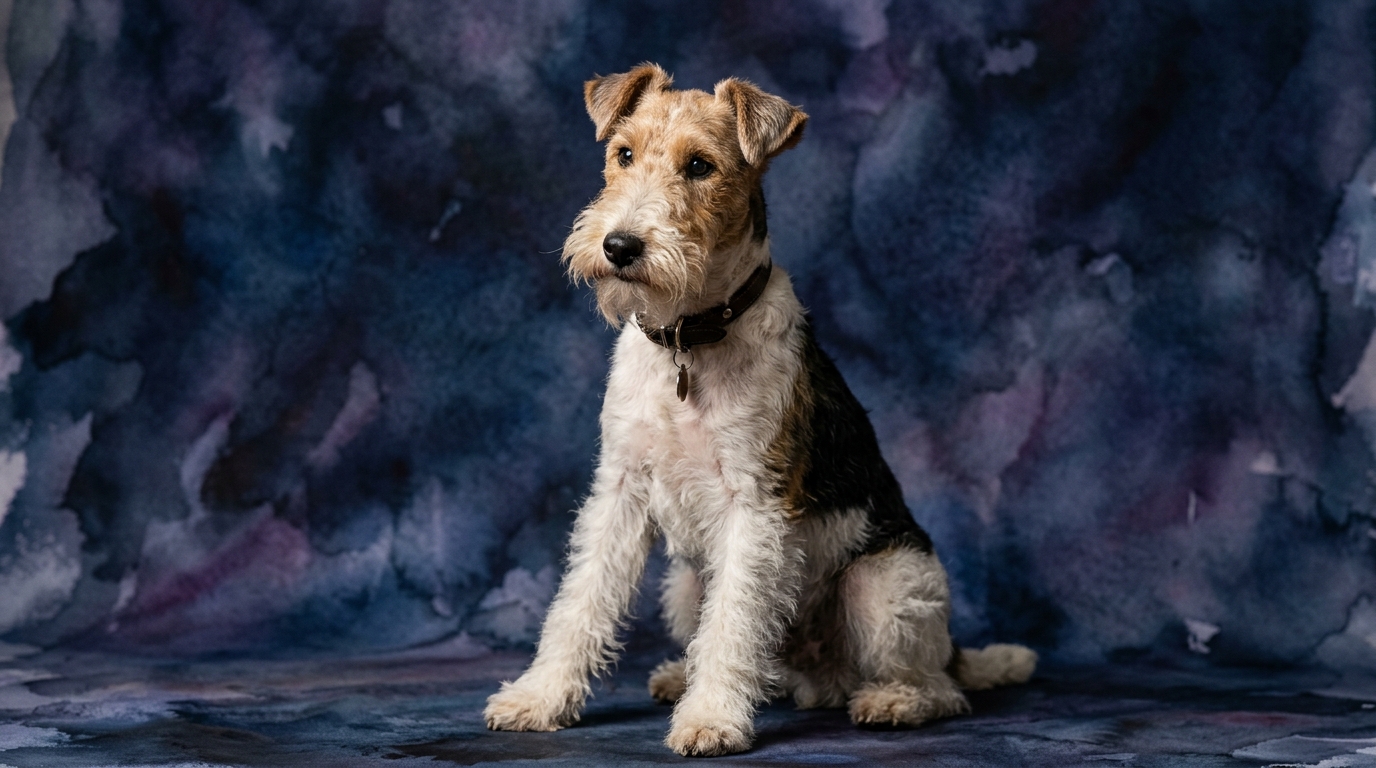
Side-by-Side IQ Profile
Australian Shepherds, bred for complex livestock management, exhibit a robust cognitive profile. Their Problem Solving (5/5) means exceptional ability to navigate novel situations and decipher intricate tasks, often anticipating outcomes. Training Speed (5/5) signifies grasping new commands with remarkable alacrity, requiring fewer repetitions. Social Intelligence (4/5) reflects their strong capacity for reading human cues and engaging in cooperative efforts. Instinctive Drive (5/5) fuels their relentless work ethic and purpose-driven focus. Memory (5/5) ensures they retain learned behaviors and spatial information over long periods, making them reliable partners in complex tasks.
In contrast, the Wire Fox Terrier, historically developed for independent vermin control, presents a different cognitive landscape. Their Problem Solving (3/5) suggests tackling challenges through persistent effort rather than intricate reasoning. Training Speed (3/5) means they learn at a moderate pace, requiring consistent methods. Social Intelligence (3/5) indicates strong bonds but a more independent streak, less inclined towards constant cooperative engagement. Instinctive Drive (3/5) is geared towards independent hunting, manifesting as determined focus on scent. Memory (3/5) implies adequate retention but not the same precision as breeds with higher scores.
Where Australian Shepherd Wins Cognitively
The Australian Shepherd's cognitive strengths truly shine in scenarios demanding foresight and intricate pattern recognition. Their 5/5 Problem Solving means they swiftly conceptualize solutions to multi-step challenges, like figuring out complex latches or strategizing paths to herd. This isn't just brute force; it's understanding cause and effect and applying prior knowledge. Their 5/5 Memory further enhances this, allowing them to recall vast repertoires of commands, associate specific actions with outcomes, and remember environmental layouts or routines with impressive detail.
Coupled with 4/5 Social Intelligence and a 5/5 Instinctive Drive for cooperative work, Aussies excel at tasks requiring nuanced communication and collaboration. They adeptly interpret subtle human cues, often anticipating instructions, making them exceptional partners in sports like obedience, agility, or service work. Their cognitive framework is inherently built for partnership, processing and reacting to human input with remarkable synchronicity, making them highly receptive to guided learning and complex joint ventures.
Where Wire Fox Terrier Wins Cognitively
While the Wire Fox Terrier's IQ scores might appear lower, their cognitive profile is uniquely tailored for specific, tenacious tasks, demonstrating a different kind of mental fortitude. Their 3/5 Instinctive Drive, though not for broad cooperative work, is singularly focused and powerful when activated by a target. This translates into unwavering cognitive persistence; once a WFT locks onto a scent or perceived “prey,” their mental energy is directed with remarkable singularity, allowing them to ignore distractions and pursue objectives relentlessly.
Their 3/5 Problem Solving, while not about intricate strategy, manifests as a robust trial-and-error approach, coupled with impressive physical dexterity. Faced with an obstacle, a WFT might not devise an elegant solution, but they will explore every avenue, pushing, digging, and squeezing with unwavering resolve. This persistent, unyielding approach, driven by a strong, focused will, is a cognitive advantage where sheer determination and independent action are more valuable than cooperative strategy.
Which Is Easier to Train and Why
The Australian Shepherd is generally much easier to train due to their exceptional 5/5 Training Speed and 5/5 Problem Solving. They possess an inherent eagerness to learn and please, quickly grasping and retaining complex sequences. Their 4/5 Social Intelligence makes them highly attuned to their handler's desires, receptive to positive reinforcement, and eager for structured learning. Aussies find mental stimulation through training intrinsically rewarding, thriving on having a “job” and often anticipating expectations.
In contrast, the Wire Fox Terrier, with 3/5 Training Speed and Problem Solving, requires a more patient, creative, and consistent approach. They may take more repetitions to solidify commands, and their independent nature can be perceived as stubbornness. Less inclined to perform simply to please, they are motivated by direct benefits like high-value treats. Training a WFT involves breaking tasks into smaller steps and using highly engaging methods to hold attention, often in controlled environments due to their strong prey drive.
Which Suits Active Owners vs Relaxed Owners
For active owners seeking a highly engaged and collaborative canine partner, the Australian Shepherd is ideal. Their 5/5 Instinctive Drive and 5/5 Problem Solving demand significant daily mental and physical exertion. Aussies thrive on structured activities like agility, flyball, or advanced trick training, where their capacity for complex learning can be fully utilized. An owner enjoying long hikes or dog sports will find an enthusiastic companion; without adequate stimulation, their powerful cognitive engine can lead to boredom and destructive behaviors.
The Wire Fox Terrier also requires an active owner, but their energy differs. While their 3/5 Instinctive Drive means they aren't couch potatoes, their energy often expresses in bursts of intense focus: exploring, digging, or chasing. They suit owners who appreciate independent exploration and can provide secure outlets for their prey drive, like off-leash areas or earthdog trials. A WFT might be slightly more forgiving for an owner providing consistent, vigorous exercise but perhaps less structured, multi-hour mental “work” compared to an Aussie's demands.
The Verdict
Choose the Australian Shepherd if you are an active individual or family seeking a highly trainable, collaborative partner eager for complex mental challenges and structured activities like dog sports or advanced obedience. Their profound capacity for learning and memory makes them excel in roles demanding continuous cognitive engagement and precise teamwork.
Opt for the Wire Fox Terrier if you appreciate a spirited, independent companion with a tenacious spirit and a strong drive for self-directed exploration, and you are prepared for consistent, engaging training methods that respect their unique terrier motivations. They thrive with owners who can channel their focused energy into activities like scent work or adventurous outings.
🧠 Find Your Pet's IQ Score
Our Pet IQ Lab assessment covers 25+ tests across 5 cognitive dimensions — personalized to your breed.
Take the Full IQ Test →Frequently Asked Questions
What specific types of mental games are best for an Australian Shepherd?
For an Australian Shepherd, excellent mental games involve multi-step puzzle toys, scent work that requires tracking and problem-solving, and advanced obedience routines that demand sequencing. Agility courses and herding simulations also tap into their natural cognitive strengths and desire for purpose-driven activity.
How does the Wire Fox Terrier's instinctive drive influence its daily behavior?
The Wire Fox Terrier's instinctive drive manifests as a powerful focus on scent, movement, and potential “prey,” leading to tenacious digging, chasing small animals, and independent exploration. This drive means they require secure environments and consistent recall training, as their focus can override other learned behaviors when a strong instinct is triggered.
Is a Wire Fox Terrier suitable for a first-time dog owner, considering its IQ profile?
A Wire Fox Terrier can be suitable for a first-time owner who is committed to consistent, engaging training and understands their independent, spirited nature. Their moderate training speed and distinct motivations mean they require patience and a creative approach, so a first-time owner willing to invest time in positive reinforcement and early socialization will likely succeed.