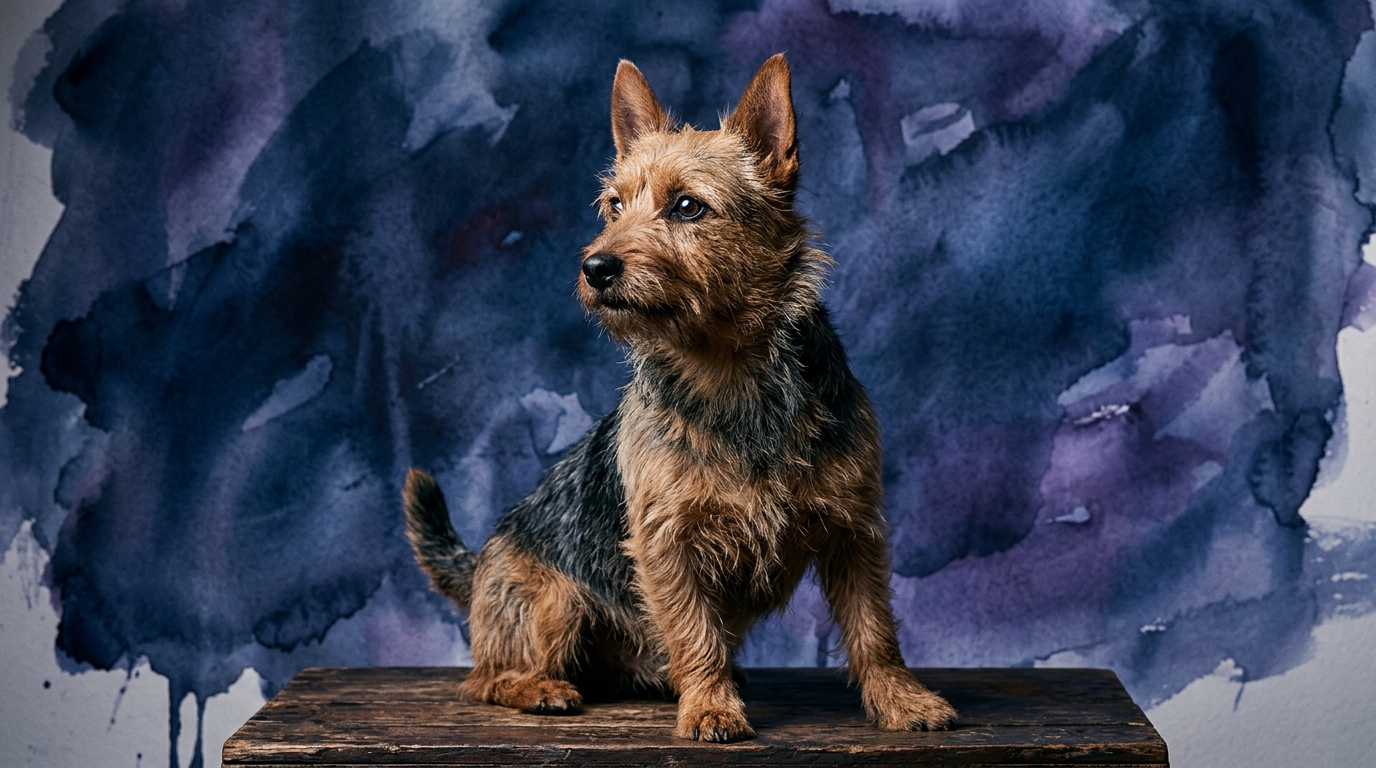
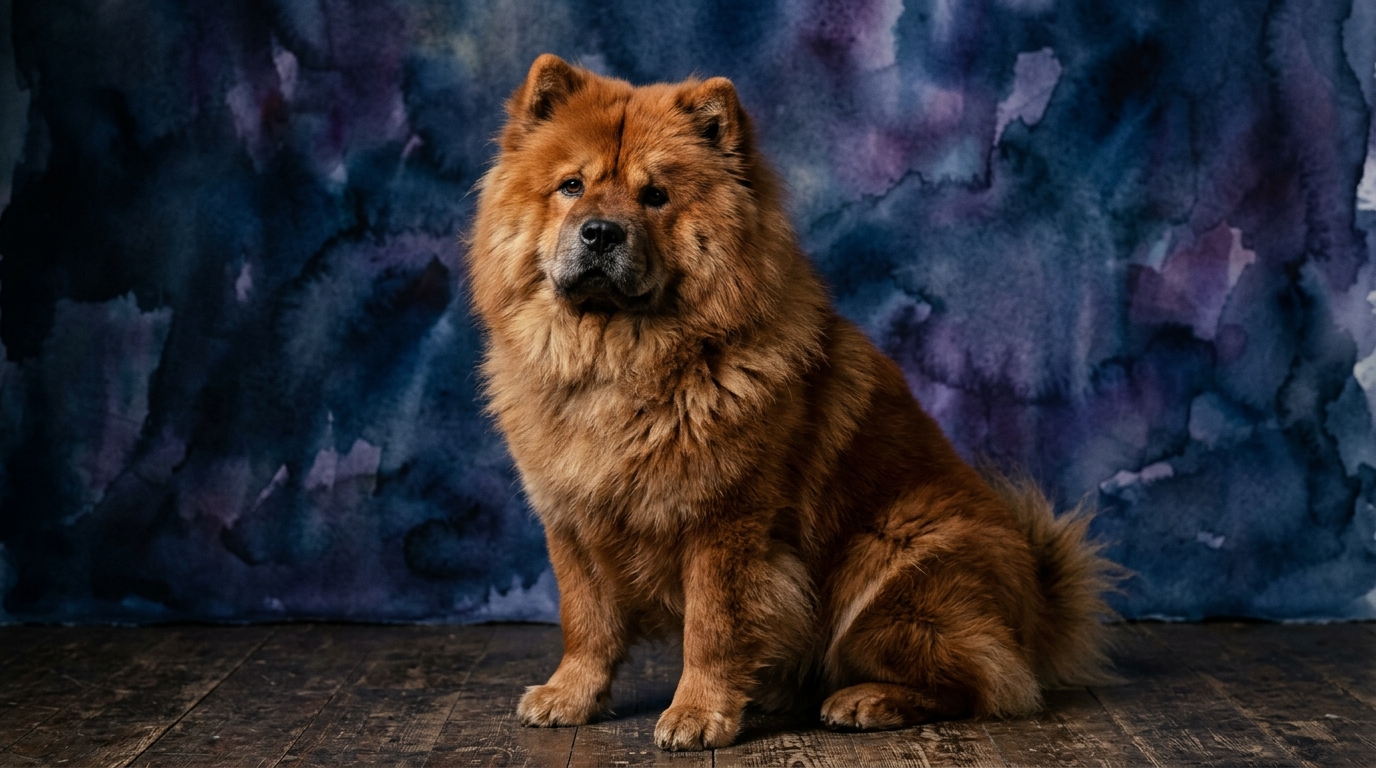
Side-by-Side IQ Profile: Australian Terrier vs. Chow Chow
At The Cosmic Pet Pet IQ Lab, we evaluate canine intelligence across five key dimensions. While both the Australian Terrier and the Chow Chow achieve a consistent 3/5 across the board, their inherent breed characteristics shape how these scores manifest in daily life. Understanding these nuances is crucial for prospective owners.
For the **Australian Terrier**, a 3/5 in **Problem Solving** indicates an adeptness at practical, immediate challenges, such as figuring out how to retrieve a buried toy or navigate a complex scent trail. Their solutions are often driven by instinct and persistent effort. Their **Training Speed** at 3/5 reflects a capability to learn commands and routines, responding well to consistent, engaging methods, though their terrier tenacity means they might test boundaries or require motivation beyond mere compliance. **Social Intelligence** at 3/5 means they are expressive and generally communicative with their chosen family, reading human emotions and intentions within their trusted circle, often responding with enthusiasm or a clear indication of their own desires. Their **Instinctive Drive** is a robust 3/5, manifesting in strong inherent impulses for digging, chasing, and barking, reflective of their vermin-hunting heritage, which requires consistent management and appropriate outlets. Finally, a 3/5 for **Memory** signifies good retention for learned commands, routines, and experiences, both positive and negative, which contributes to their adaptability and ability to navigate their environment effectively.
The **Chow Chow**, despite the same 3/5 scores, presents a remarkably different cognitive landscape. Their 3/5 in **Problem Solving** indicates a resourceful and often self-directed approach; they might devise unique strategies to achieve their own comfort or avoid an unwanted situation, preferring independent thought over human instruction. A 3/5 in **Training Speed** means they are capable of learning commands and routines, but their independent nature often requires more repetitions and a highly motivating reward system, as they weigh whether a command is worth their effort, a trait that contributes to their Coren rank of #76. Their **Social Intelligence** at 3/5 is discerning and reserved; they keenly observe their environment and family dynamics, but express their understanding through subtle cues and selective interaction rather than overt eagerness. For **Instinctive Drive**, a 3/5 points to powerful guarding and territorial instincts, driven by a natural protective inclination, coupled with a strong sense of personal space and self-preservation. Lastly, their 3/5 **Memory** signifies a robust retention of knowledge regarding their territory, trusted individuals, and past interactions, which informs their discerning behavior and deep, though reserved, loyalties.
Where the Australian Terrier Wins Cognitively
While both breeds hold their own, the Australian Terrier often demonstrates a more outwardly engaged and adaptable cognitive style, which can be perceived as an advantage in certain scenarios. Their terrier drive, a 3/5 in instinctive drive, can be readily channeled into productive tasks or dog sports like agility, where their problem-solving and memory skills combine with their physical agility. An Australian Terrier's social intelligence, also a 3/5, tends to be more overtly expressed, making them appear more eager to please and quicker to engage in interactive learning tasks with a motivated owner.
Their moderate training speed, coupled with a generally more open disposition to new experiences and people, allows them to adapt more swiftly to changing social environments or novel training exercises compared to the more reserved Chow Chow. This readiness to participate and explore, driven by a curious and tenacious nature, can make the Australian Terrier a more immediately responsive and seemingly 'quicker' learner in a variety of contexts, particularly those involving human-directed activities.
Where the Chow Chow Wins Cognitively
The Chow Chow's cognitive strengths lie in areas often distinct from the typical 'eager-to-please' canine. Their independent problem-solving, rated 3/5, means they are often self-sufficient in navigating their world, making decisions based on their own assessment rather than constant reliance on human direction. This self-reliance can lead to a dog less prone to separation anxiety, capable of entertaining themselves calmly.
Their robust memory, a 3/5, combined with strong territorial instincts (3/5 instinctive drive), makes them exceptionally effective and discerning guardians of their home and family. A Chow Chow remembers who belongs and who doesn't, and their loyalty, though reserved, runs deep. Their social intelligence, while subtle, allows for profound bonds with their chosen few, demonstrating an acute, quiet understanding of their family's dynamics without the need for overt displays of affection or constant validation. This discerning nature means their trust and affection are hard-won and deeply cherished.
Which is Easier to Train and Why
When considering ease of training, the Australian Terrier generally presents a more accessible experience for the average owner. Their 3/5 training speed is complemented by a natural curiosity and a desire for interaction, making them more receptive to positive reinforcement methods. While they possess a terrier's independent streak, they are typically more willing to engage in training sessions, viewing them as a fun activity rather than a chore. Consistency and making training feel like a game are key to unlocking their moderate learning capabilities, and they often respond well to a variety of motivators.
The Chow Chow, despite also having a 3/5 training speed, is notoriously more challenging to train due to their profound independence and discerning nature, as reflected in their Coren ranking of #76, which places them among breeds requiring more repetitions to learn new commands. They are not inherently eager to please and will often weigh whether a command aligns with their own preferences or comfort before complying. This isn't a lack of understanding, but rather a strong sense of self-will. Training a Chow Chow requires immense patience, understanding of their inherent dignity, and a highly motivating, consistent positive reinforcement approach. Harsh methods are counterproductive and can lead to resentment, as they remember negative experiences vividly. Owners must build trust and respect, understanding that a Chow Chow learns best when they believe it's their idea or offers a compelling reward.
Which Suits Active Owners vs. Relaxed Owners
The Australian Terrier is a spirited companion best suited for active owners. Their 3/5 instinctive drive and problem-solving capabilities mean they thrive with consistent mental stimulation and physical exercise. They enjoy exploring, participating in dog sports, and being an integral part of family activities. An owner who enjoys daily walks, interactive play, and perhaps even some terrier-specific games like 'ratting' (in a safe, controlled environment) will find an Australian Terrier to be a delightful and engaged partner. They need an owner who can channel their energy and intelligence positively.
The Chow Chow, conversely, often suits more relaxed owners, though 'relaxed' does not mean sedentary. While they appreciate moderate daily exercise like a leisurely walk, they are less demanding of constant interactive engagement. Their independent nature and reserved social intelligence mean they are content with calm companionship and a quiet presence. Owners who appreciate a dignified, self-sufficient dog that enjoys its personal space, yet offers profound loyalty to its chosen family, will find a Chow Chow a rewarding companion. They do not require constant entertainment but still need mental enrichment through consistent routines and appropriate toys.
The Verdict
Choose the Australian Terrier if you seek an engaged, spirited companion who thrives on activity, interactive learning, and can manage a strong terrier personality with consistent, positive direction.
Opt for the Chow Chow if you appreciate an independent, dignified, and profoundly loyal companion, willing to invest in patient, consistent training with a breed that values its own counsel and offers subtle, deep affection.
🧠 Find Your Pet's IQ Score
Our Pet IQ Lab assessment covers 25+ tests across 5 cognitive dimensions — personalized to your breed.
Take the Full IQ Test →Frequently Asked Questions
Are Australian Terriers good for first-time owners?
Australian Terriers can be suitable for first-time owners who are prepared for their spirited nature and commitment to consistent training. Their moderate training speed and desire for interaction make them responsive learners with proper guidance.
Do Chow Chows get along with other pets?
Chow Chows can coexist with other pets, especially if socialized from a young age, but their strong territorial instincts and reserved social intelligence mean they may prefer to be the sole pet or require careful introductions and supervision.
How much exercise does a Chow Chow need?
A Chow Chow requires moderate daily exercise, typically one or two leisurely walks of 15-30 minutes. While they are not high-energy dogs, consistent physical activity is essential for their health and well-being, complementing their calm demeanor.