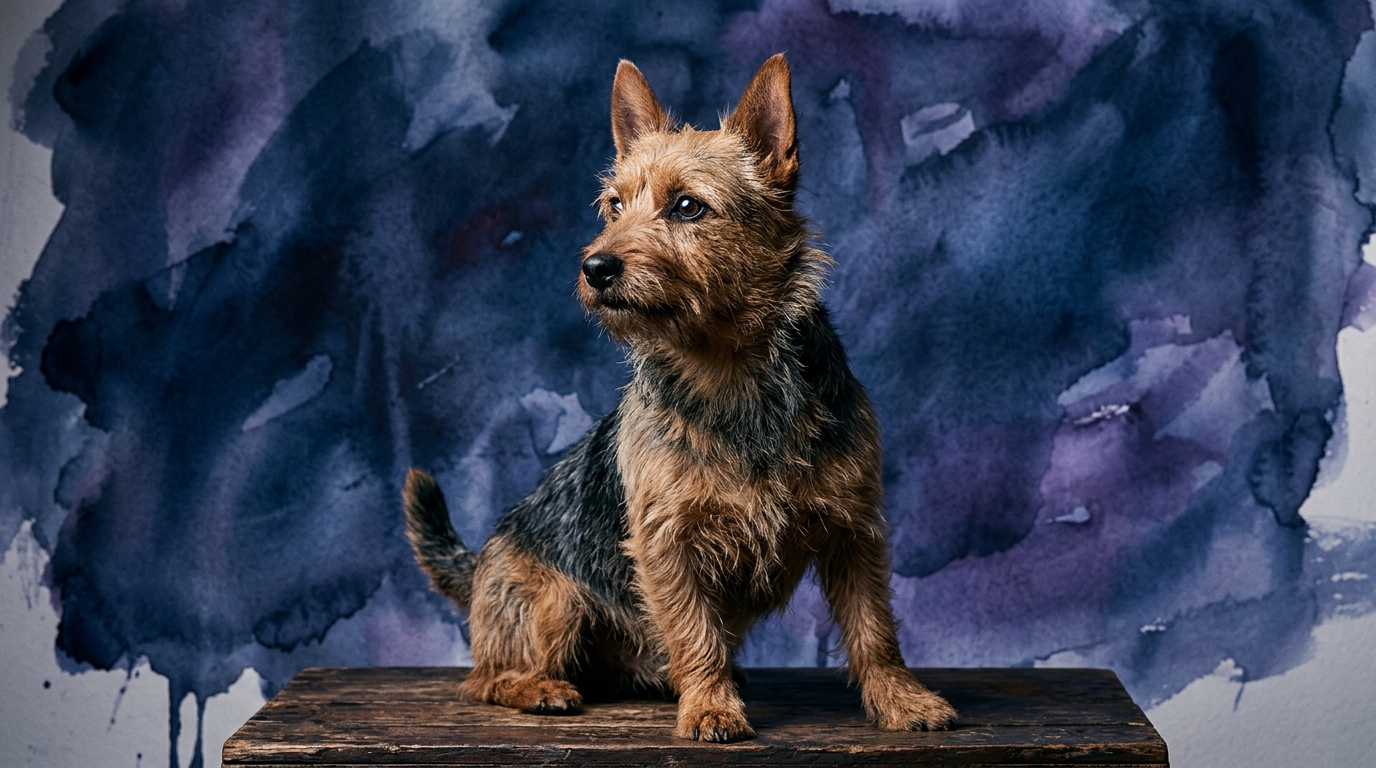
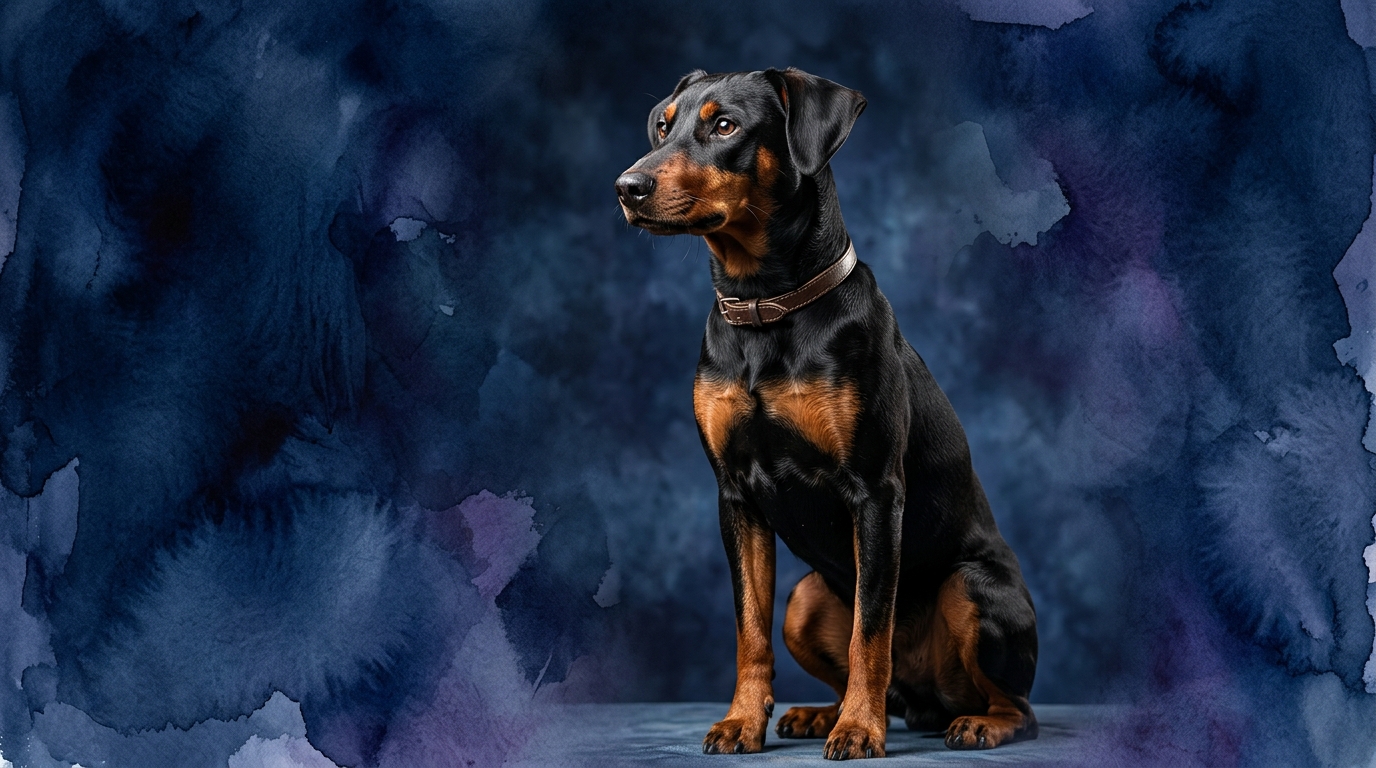
Side-by-Side IQ Profile: Australian Terrier vs. German Pinscher
At The Cosmic Pet Pet IQ Lab, we assess canine intelligence across five distinct dimensions, each rated on a scale of 1 to 5. Interestingly, both the Australian Terrier and the German Pinscher achieve a solid 3/5 across every category, signifying a robust, balanced cognitive capacity. However, the *manifestation* of these scores differs significantly due to their distinct breed histories and inherent temperaments.
The Australian Terrier, a breed from the Terrier group, was historically tasked with hunting small vermin. This heritage deeply influences their cognitive leanings:
Problem Solving (3/5): Their problem-solving often manifests in figuring out how to outwit small prey or bypass obstacles. This involves persistent, often physical, attempts to achieve a goal, like tunneling under a fence or cornering a toy, focusing on self-directed manipulation. Training Speed (3/5): Australian Terriers grasp new commands at a moderate pace, but their independent nature means they often decide *when* to comply. Repetition and positive reinforcement are key, as they quickly disengage from monotonous drills. Social Intelligence (3/5): They develop strong bonds with immediate family, often perceptive of human moods. However, terrier instincts can make them less inclined towards extensive social graces with unfamiliar dogs or people, preferring to observe and assess. Instinctive Drive (3/5): Their prey drive is a significant cognitive force, compelling them to chase, dig, and "hunt" small objects. This instinct strongly influences their focus and motivation, often overriding other cognitive processes when triggered. Memory (3/5): Australian Terriers possess a good memory for routines, locations of interesting smells, and past interactions. They'll remember positive training experiences and, equally, any negative ones, impacting future responses.
The German Pinscher, hailing from the Working group, was developed as a versatile farm dog, excelling as ratters and guard dogs. Their cognitive profile reflects this purposeful background:
Problem Solving (3/5): German Pinschers excel at practical problem-solving related to guardian instincts, such as figuring out how to alert to intruders or navigate their environment efficiently. Their solutions are direct and purpose-driven, often involving observation and strategic movement. Training Speed (3/5): These dogs learn new commands with moderate speed, showing eagerness when tasks are stimulating and rewarding. Their natural drive to work alongside their human can make them responsive, though they require consistent leadership to prevent self-directed actions. Social Intelligence (3/5): German Pinschers are attuned to their family's dynamics, often acting as vigilant protectors. They read social cues well within their trusted circle and can be discerning with strangers, assessing intentions with a keen observational capacity. Instinctive Drive (3/5): Their instinctive drive leans towards guarding, patrolling, and vermin-catching. This manifests as a strong alert system and a desire for purpose, channeling their energy into tasks meaningful to them. Memory (3/5): They have a reliable memory for training cues, boundaries, and the layout of their territory. German Pinschers remember complex sequences of actions and people, aiding in their protective and routine-oriented nature.
Where the Australian Terrier Wins Cognitively
Given their terrier heritage, Australian Terriers often demonstrate a superior cognitive advantage in tasks requiring independent initiative and persistent exploration in challenging spaces. Their problem-solving, rated 3/5, leans heavily into tenacious, self-directed manipulation of objects to achieve a goal, like disassembling a puzzle toy or finding a hidden treat. This involves an internal drive to figure things out through trial and error, often exhibiting a creative approach to obstacles. Their memory, also 3/5, is particularly adept at recalling the exact locations of potential "prey" or interesting scents, making them formidable in scent work or navigating familiar territories with specific points of interest. This hyper-focus on specific environmental details allows them to create detailed mental maps.
Where the German Pinscher Wins Cognitively
The German Pinscher's cognitive strengths, while also rated 3/5, are distinctly rooted in their working and guarding background. They excel in situations demanding environmental awareness, strategic observation, and a precise understanding of social hierarchies. Their problem-solving often involves assessing a situation from a broader perspective, such as identifying a potential threat from a distance or understanding complex household routines. This isn't just about physical manipulation but about making informed judgments based on patterns. Their social intelligence, equally rated 3/5, is geared towards discerning intentions and maintaining order within their perceived "pack," making them particularly adept at reading human body language and vocal tones.
Which is Easier to Train and Why?
When considering ease of training, both breeds present unique challenges and rewards. The Australian Terrier, despite its 3/5 training speed, can be perceived as more challenging due to its strong independent streak and inherent terrier tenacity. They learn commands but often require a compelling reason to comply, especially if their attention is captured by a perceived "hunt." Successful training hinges on making sessions highly engaging, short, and positive, utilizing their problem-solving drive to make training feel like a game they are winning. They respond best to handlers who understand their need for mental stimulation and can channel their prey drive into acceptable activities.
The German Pinscher, with its identical 3/5 training speed, often appears more responsive to structured training due to its working heritage and desire for a clear role. While spirited and assertive, they generally possess a stronger inclination to work *with* their handler, provided that handler establishes consistent, firm, and fair leadership. Their social intelligence allows them to quickly understand and respect boundaries, and their memory helps them retain complex command sequences. However, their assertive nature means they can test boundaries, requiring a confident and experienced owner who can provide clear direction. Training success for the German Pinscher involves consistent routines, varied tasks, and leveraging their instinctive drive for purpose, perhaps through advanced obedience or agility.
Which Suits Active Owners vs. Relaxed Owners?
Both the Australian Terrier and the German Pinscher are best suited for active owners, though the *type* of activity differs. The Australian Terrier, a small package of boundless energy, requires owners prepared for frequent, engaging play sessions and regular walks allowing for sniffing and exploration. Their instinctive drive means they need outlets for chasing, digging, and mental puzzles to prevent boredom. A relaxed owner might find their persistent demands for engagement overwhelming, as their independent problem-solving could lead to creative mischief if not properly channeled.
The German Pinscher, a medium-sized dog with a robust build and a keen mind, also demands an active lifestyle, but one often involving more structured exercise and mental challenges. They excel with owners who can provide consistent training, participate in dog sports, or engage in long, brisk walks or runs. Their working heritage means they benefit from having a "job" or purpose, which a relaxed owner might struggle to provide. While they can settle indoors, their intense focus and alertness require regular physical and mental exertion to prevent them from becoming bored or overly protective.
The Verdict: When to Choose Each Breed
The Verdict
Choose the Australian Terrier if you appreciate a tenacious, independent problem-solver who thrives on interactive games and mental challenges tailored to their hunting instincts, and you can offer consistent, engaging training.
Choose the German Pinscher if you seek a spirited, protective companion who excels with structured training, clear leadership, and a "job" that leverages their keen social intelligence and working drive.
🧠 Find Your Pet's IQ Score
Our Pet IQ Lab assessment covers 25+ tests across 5 cognitive dimensions — personalized to your breed.
Take the Full IQ Test →Frequently Asked Questions
Do Australian Terriers and German Pinschers get along with other pets?
Australian Terriers can coexist with other pets, especially if socialized early, but their prey drive means small, fast-moving animals might trigger their instincts. German Pinschers, with their guarding tendencies, can be selective with other dogs and require careful introductions, though they may tolerate cats they've grown up with.
Are these breeds good for first-time dog owners?
Both breeds possess strong personalities and require consistent training and socialization, making them more suitable for experienced dog owners. Their independent nature (Australian Terrier) and assertive guarding instincts (German Pinscher) demand a confident handler.
How much exercise do Australian Terriers and German Pinschers need daily?
Both are energetic breeds needing substantial daily exercise. Australian Terriers benefit from multiple short, engaging play sessions and walks, while German Pinschers require longer, more structured activities like brisk walks, runs, or dog sports to satisfy their working drive.