Side-by-Side IQ Profile: Understanding the 3/5 Scores
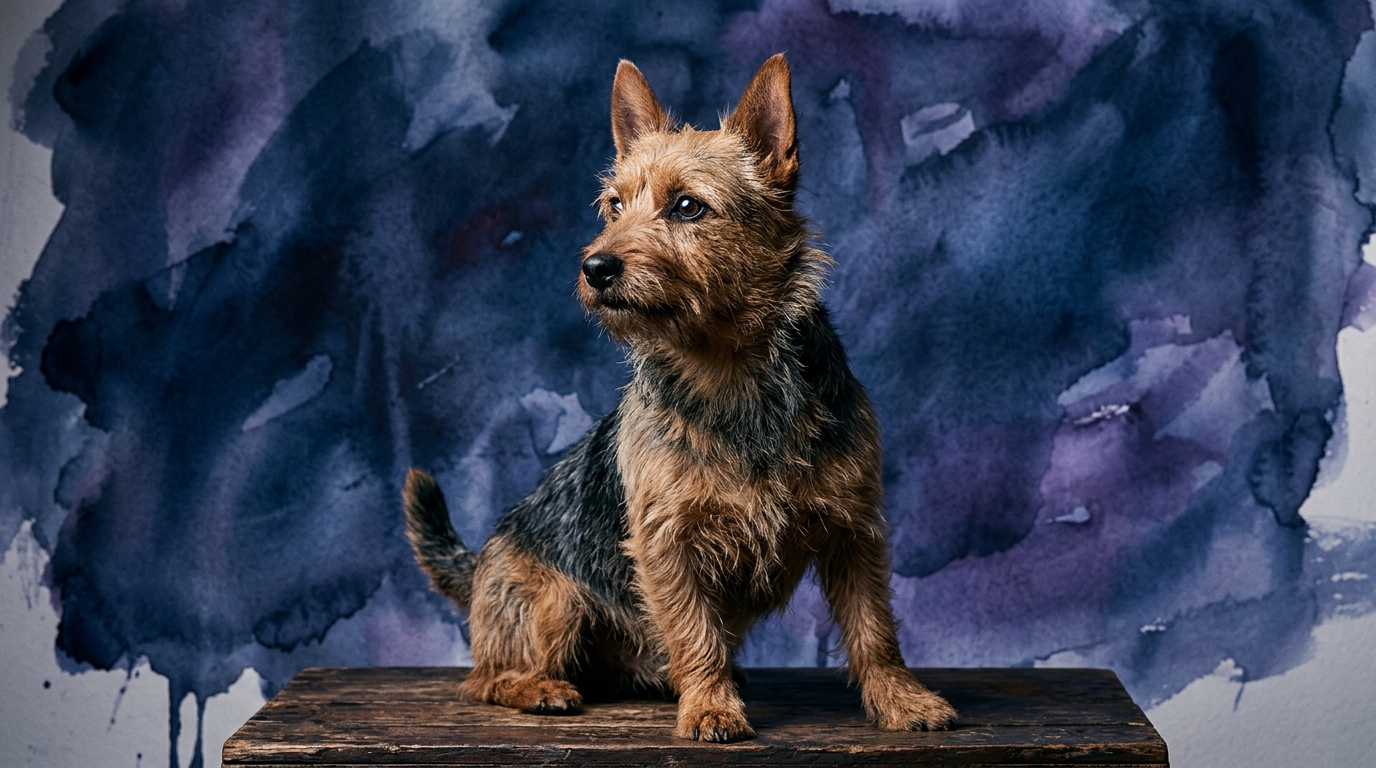
**Australian Terrier:** As a spirited terrier, this breed's cognitive strengths are often applied to its immediate environment and interactions. Their problem-solving (3/5) is practical and tenacious, often finding direct, resourceful ways to achieve goals, especially if curiosity or a desired outcome is involved. Training speed (3/5) is moderate; they learn, but their independent streak means consistency and engaging methods are key to overcoming occasional stubbornness. Social intelligence (3/5) allows them to form strong bonds and read human cues well, though they can be discerning with strangers and assert themselves with other animals. Their instinctive drive (3/5) manifests as a moderate but present urge for digging, chasing, and vocalizing, needing appropriate outlets. Memory (3/5) is reliable for routines and commands, but can be selectively applied when instincts are strong.
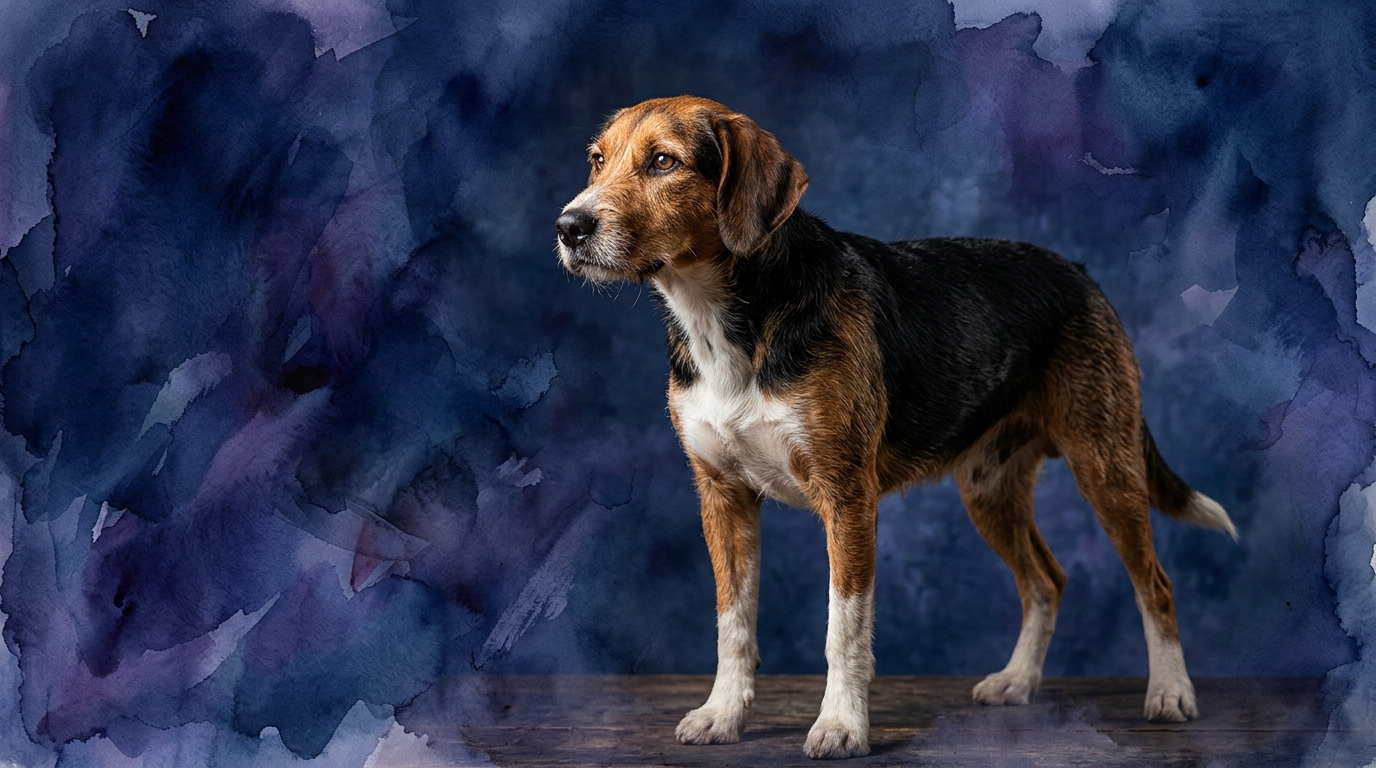
**Harrier:** The Harrier's cognitive profile, while numerically similar, is specialized for its hound heritage. Their problem-solving (3/5) excels in scent-based tasks, utilizing their powerful nose and endurance to track complex trails with unwavering focus, rather than solving abstract puzzles. Training speed (3/5) is steady but can be hampered by their independent nature and extreme scent distractions; patience and high-value rewards are essential for progress. Social intelligence (3/5) is typically pack-oriented, making them amiable with people and other dogs, though their focus can shift entirely to a scent trail, temporarily overshadowing human interaction. Their instinctive drive (3/5) is pronounced, centered on scenting, tracking, and characteristic baying, requiring significant opportunities for expression. Memory (3/5) is good for trails and routines, but learned responses can be temporarily overridden by compelling environmental stimuli.
Where the Australian Terrier Wins Cognitively
The Australian Terrier's cognitive advantages often lie in their adaptive resourcefulness within a domestic setting and their direct engagement with human companions. Their 3/5 problem-solving, though not complex, is geared towards understanding and manipulating their immediate environment for personal gain or to communicate specific wants to their owners, making them adept at household "puzzles." This breed often exhibits a more overt and active desire to participate in human activities, translating their moderate social intelligence into highly interactive and responsive companionship. They are quicker to pick up on subtle human cues and adjust their behavior in a home context, demonstrating a versatile mental agility that serves well in varied family dynamics, making them feel like a more integrated part of daily life.
Where the Harrier Wins Cognitively
The Harrier's cognitive prowess shines brightest in their specialized sensory intelligence and unwavering persistence. Their 3/5 problem-solving score is less about abstract thought and more about their extraordinary ability to interpret and follow complex scent trails over vast distances, a skill demanding intense focus, memory for previous paths, and independent decision-making in the field. This breed's instinctive drive, also rated 3/5, is a finely tuned instrument for its original purpose, allowing them to remain dedicated to a task even when faced with environmental challenges. Their pack-oriented social intelligence means they can cooperate effectively within a group, making them excellent companions for multi-dog households or activities where group cohesion is valued, showcasing a deep, specialized intelligence for their traditional roles.
Which Is Easier to Train and Why
Neither the Australian Terrier nor the Harrier are considered straightforward to train, both presenting unique challenges rooted in their breed characteristics, despite their identical 3/5 training speed rating. The Australian Terrier's independence and terrier tenacity mean they will test boundaries and require consistent, firm, yet positive reinforcement. Their moderate social intelligence makes them responsive to owner interaction, but their inherent curiosity and drive can make them prone to distraction if not properly motivated. While capable learners, their "what's in it for me" attitude necessitates engaging training methods and patience.
The Harrier, also with a 3/5 training speed, faces a primary challenge in its overwhelming focus on scent and independent hound mentality. Their powerful instinctive drive means that a compelling scent can easily override learned commands, making off-leash reliability particularly difficult without extensive, dedicated training and management. Training a Harrier demands exceptional patience, a deep understanding of hound motivation, and a commitment to making training more rewarding than the call of the wild. Therefore, while both require dedication, the Australian Terrier might offer more immediate gratification in basic obedience, whereas the Harrier demands a more specialized and persistent approach to integrate training with their strong natural instincts.
Which Suits Active Owners vs. Relaxed Owners
For the truly active owner seeking a versatile companion, the Harrier is an excellent match. Their significant instinctive drive and endurance demand regular, vigorous exercise, ideally including opportunities for long runs, hikes, or scent work that allow them to utilize their natural abilities. A Harrier thrives with owners who can integrate their dog into an active outdoor lifestyle, providing ample mental stimulation through scent games and physical exertion that matches their stamina. A relaxed, sedentary owner would likely find a Harrier's energy levels and need for mental engagement overwhelming, potentially leading to destructive behaviors born of boredom.
The Australian Terrier, while also requiring regular activity, offers a more adaptable energy profile, making them suitable for active owners who appreciate a spirited dog but also for those with a more balanced lifestyle. Their 3/5 instinctive drive means they need daily walks, playtime, and mental challenges, but they can be content with less expansive outdoor adventures than a Harrier. They are often more suited to apartment living if their exercise and mental needs are consistently met, and their social intelligence makes them excellent companions for owners who enjoy interactive play and training sessions at home. They are not a sedentary breed, but their energy is more manageable for owners who might have a few relaxed evenings mixed with active days.
The Verdict
If you seek an interactive, resourceful companion that enjoys engaging in household activities and can adapt to varied living situations with consistent mental and physical stimulation, the Australian Terrier's balanced cognitive profile, geared towards domestic partnership, makes them an excellent choice.
If your lifestyle is deeply rooted in outdoor activity, and you are prepared to channel a powerful, scent-driven instinct into specialized pursuits like tracking or endurance activities, the Harrier offers an incredibly rewarding, albeit demanding, partnership focused on their unique cognitive strengths.
🧠 Find Your Pet's IQ Score
Our Pet IQ Lab assessment covers 25+ tests across 5 cognitive dimensions — personalized to your breed.
Take the Full IQ Test →Frequently Asked Questions
Do Australian Terriers and Harriers have similar learning capabilities despite their different breed types?
Yes, both breeds are rated 3/5 for training speed, indicating they are capable learners but require consistent, engaging methods. The Australian Terrier's independence might manifest as stubbornness, while the Harrier's scent drive can be a major distraction during training, highlighting different challenges for similar scores.
How does their 'instinctive drive' score of 3/5 manifest differently in each breed?
For the Australian Terrier, a 3/5 drive means a moderate but present urge for digging, chasing small prey, and vocalizing, typical of terriers. For the Harrier, it translates to a strong, specialized drive for scenting, tracking, and baying, characteristic of a hound, demanding specific outlets for these behaviors.
Which breed is more suitable for a first-time dog owner?
Neither breed is typically recommended for a truly novice owner due to their independent natures and specific needs. However, the Australian Terrier might be slightly more manageable for a committed first-timer willing to invest in consistent training, as their needs are generally more adaptable to a domestic setting than the Harrier's intense outdoor requirements.