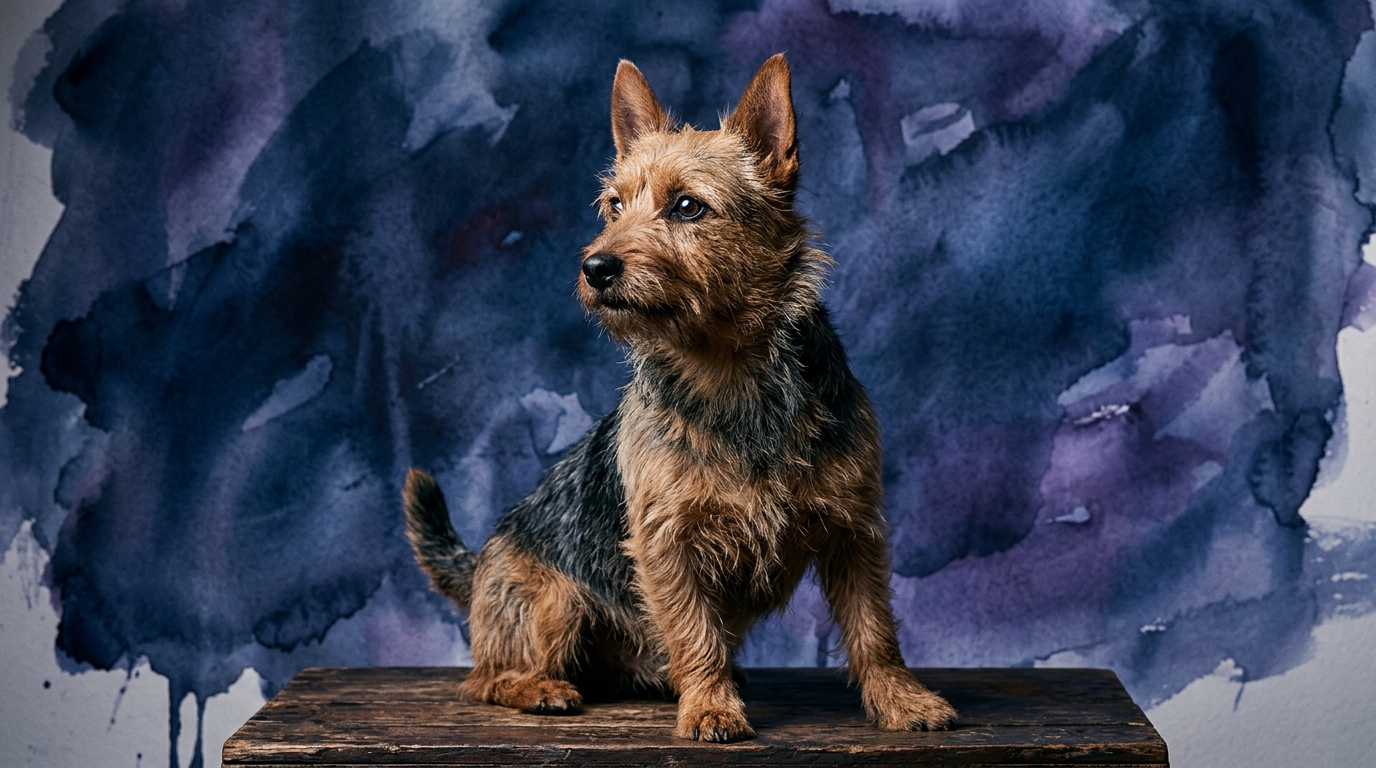
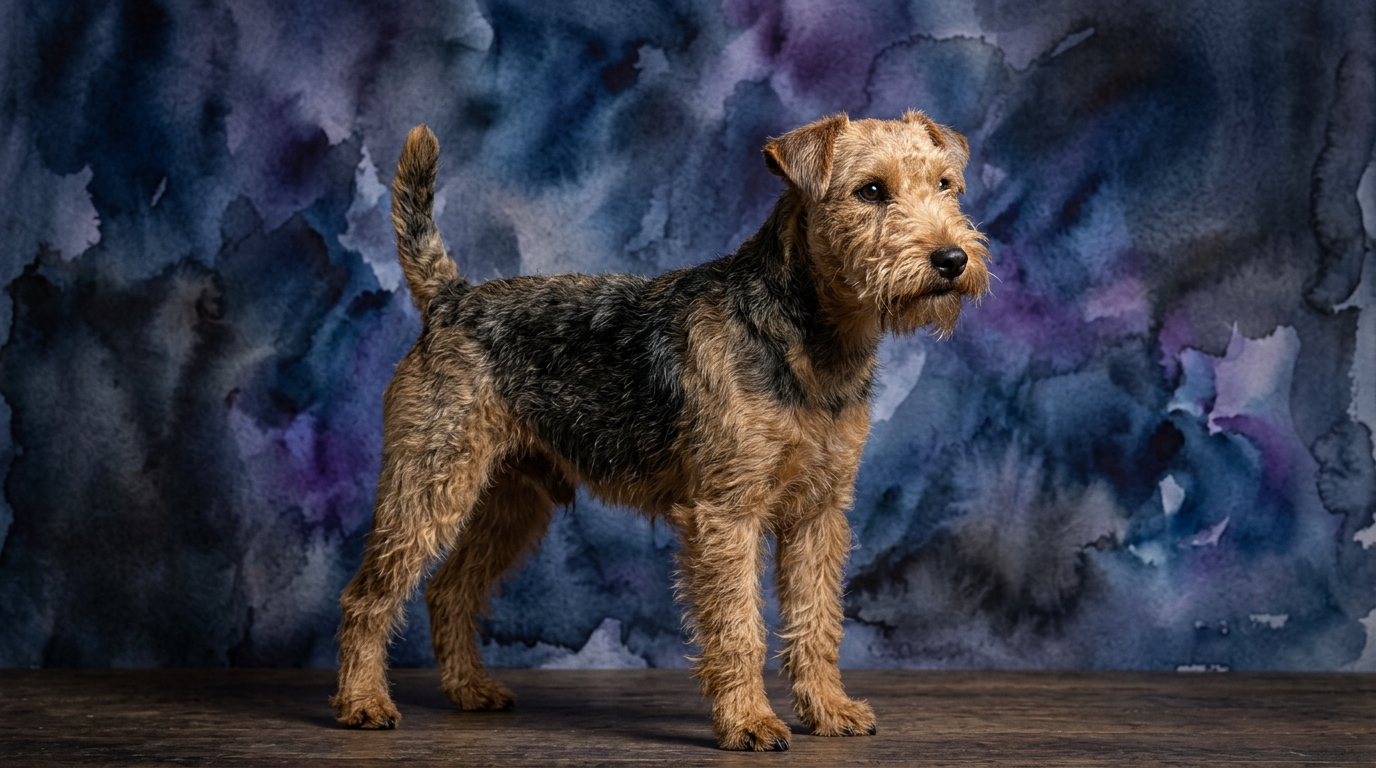
Side-by-Side Cognitive Profiles: A Nuanced Look at Identical Scores
At first glance, The Cosmic Pet Pet IQ Lab data presents both the Australian Terrier and the Lakeland Terrier with an identical score of 3/5 across all five cognitive dimensions: Problem Solving, Training Speed, Social Intelligence, Instinctive Drive, and Memory. This parity suggests a similar baseline capacity, but the *application* of these capacities is where their individual characters shine through. We'll explore how a 3/5 manifests distinctly for each breed, reflecting their origins and inherent temperaments.
For the Australian Terrier, Problem Solving at 3/5 often involves navigating complex farm environments, outsmarting vermin, or figuring out how to access interesting smells or objects around the home. Their Training Speed, also 3/5, indicates a willingness to learn coupled with an independent streak; they grasp concepts well but might weigh the 'what's in it for me' before complying. Social Intelligence at 3/5 means they are generally receptive to human interaction and can read cues, but might retain a terrier's characteristic reserve or selective affection. Their Instinctive Drive, a solid 3/5, is geared towards hunting small prey and exploring, manifesting as a keen interest in scents and digging. Finally, Memory at 3/5 suggests they retain learned commands and experiences effectively, remembering both positive and negative associations with people and places.
The Lakeland Terrier, mirroring these scores, interprets its 3/5 in Problem Solving through the lens of its original role: navigating the rocky fells and tight subterranean spaces of England's Lake District to pursue fox and otter. This translates to a cleverness in finding routes, overcoming obstacles, and persistent strategizing. Their 3/5 Training Speed reflects an intelligent dog that can learn quickly, but whose independence and strong will often require consistent, engaging methods to maintain focus. Social Intelligence at 3/5 for the Lakeland often means a bold, spirited interaction; they are observant of their human companions but might be more direct or less overtly 'cuddly' than some breeds, valuing partnership over constant affection. Their Instinctive Drive, a strong 3/5, is characterized by intense prey drive, tenacity, and a fearless approach to challenges. Their Memory, also 3/5, ensures they recall complex hunting routes, the location of prey, and the specific commands or routines established by their handlers with precision.
Where the Australian Terrier Excels Cognitively
While sharing the same baseline scores, the Australian Terrier often demonstrates a slightly more versatile Problem Solving approach tailored to a broader range of domestic and farm challenges. Their history as an all-around farm dog in Australia, dealing with various types of vermin and contributing to general farm life, has honed their cognitive flexibility. This means their 3/5 in Problem Solving might manifest as a broader curiosity about their environment and a willingness to try different tactics to achieve a goal, whether it's opening a cupboard or finding a dropped toy. They might be quicker to adapt their problem-solving strategies from one novel situation to another, rather than specializing in a single type of challenge. Their Social Intelligence, also 3/5, often leans towards a more companionable and adaptable interaction style within a family unit, making them adept at integrating into diverse household dynamics and engaging with various family members.
Where the Lakeland Terrier Shines Cognitively
The Lakeland Terrier's 3/5 in Problem Solving is distinctively specialized, rooted in its fearless pursuit of quarry in challenging terrain. This breed excels at persistent, focused problem-solving when driven by its Instinctive Drive (3/5). Their cognitive strength lies in their tenacity to overcome physical barriers, their ability to 'read' the landscape for hidden passages, and their unwavering determination to complete a task once committed. This might translate to a superior ability to navigate complex outdoor environments, a relentless pursuit of a puzzle toy, or an impressive focus on a scent trail. Their Memory (3/5) is particularly sharp for spatial awareness and the intricacies of their surroundings, remembering precise locations and routes, a vital trait for their original hunting purpose. This makes them exceptional at remembering specific training sequences or boundaries once established, especially if those lessons are tied to an engaging activity.
Training Dynamics: Which is Easier and Why?
With identical 3/5 scores in Training Speed, neither breed is inherently 'easy' nor 'difficult' to train; rather, they demand a specific approach. The Australian Terrier's slightly more companion-oriented Social Intelligence and generalist Problem Solving can make them marginally more amenable to diverse training methods. They respond well to positive reinforcement and appreciate engaging, varied sessions. However, their terrier independence means trainers must be consistent and make training fun, as they can quickly become bored or decide there are more interesting things to do. Behavioral differences might include a tendency for the Australian Terrier to be more cooperative if they perceive a clear benefit and bond with their trainer, making them responsive to praise and treats.
The Lakeland Terrier's training journey, while also rated 3/5 for speed, is often shaped by its intense Instinctive Drive and tenacious personality. They learn quickly, but their strong will and independent nature mean that trainers must be firm, fair, and incredibly consistent. A Lakeland might challenge boundaries more frequently than an Australian Terrier, requiring a handler who can match their determination. Their problem-solving skills, when applied to training, can manifest as finding loopholes or testing limits. Success with a Lakeland often hinges on channeling their drive into structured activities, making training feel like a 'job' or a challenging game rather than a mere request. They might be less swayed by effusive praise alone, often needing a tangible reward or the satisfaction of completing a task.
Matching Breeds to Lifestyles: Active vs. Relaxed Owners
Both the Australian Terrier and the Lakeland Terrier are energetic breeds, demanding active engagement rather than suiting genuinely relaxed owners. However, their energy manifests differently. The Australian Terrier, while active, often has a more adaptable energy profile. They thrive on varied activities – walks, play, mental puzzles, and being an integral part of family outings. They are generally content after sufficient exercise to settle down with their people, making them suitable for active owners who enjoy a mix of outdoor adventures and cozy indoor companionship. Their social intelligence allows them to adjust well to different environments, as long as their need for activity and mental stimulation is met. They are excellent for owners who enjoy exploring different parks, hiking trails, or even participating in dog sports.
The Lakeland Terrier, conversely, embodies a more intense and focused energy. Their formidable Instinctive Drive means they require consistent, purposeful outlets for their vigor. Simply strolling around the block might not be enough; they often crave activities that engage their problem-solving and hunting instincts, such as earthdog trials, agility, or extensive off-leash exploration in secure areas. They are best suited for highly active owners who are prepared to provide daily, vigorous exercise and mental challenges that truly tire them out. Owners who enjoy structured training, canine sports, or have a lifestyle that accommodates long, adventurous outings will find a Lakeland to be an exhilarating companion. A 'relaxed' owner would likely find themselves overwhelmed by the Lakeland's persistent drive and need for engagement.
The Verdict
Choose the Australian Terrier if you seek a versatile, adaptable companion who thrives on varied activities and enjoys being a central, curious member of the family, offering a balanced blend of spirited play and affectionate companionship.
Opt for the Lakeland Terrier if you are an experienced, highly active owner prepared to channel a tenacious, bold dog's intense drive into structured work, challenging sports, and adventurous outdoor pursuits, appreciating a partner with unwavering focus and a spirited independence.
🧠 Find Your Pet's IQ Score
Our Pet IQ Lab assessment covers 25+ tests across 5 cognitive dimensions — personalized to your breed.
Take the Full IQ Test →Frequently Asked Questions
Do Australian Terriers and Lakeland Terriers have similar grooming needs?
Both breeds have wiry coats that require regular grooming, including hand-stripping to maintain coat texture and health. While the frequency might vary slightly, neither is a low-maintenance grooming dog, requiring a commitment to routine care.
Are these terriers good with children and other pets?
Both can be good with children and other pets, especially if socialized early and raised together. However, their strong terrier prey drive means supervision is crucial around smaller non-canine pets, and their independent nature requires children to be taught respectful interaction.
What kind of living environment is best for these breeds?
Both terriers are adaptable to various living situations, including apartments, provided they receive sufficient daily exercise and mental stimulation. Access to a securely fenced yard is highly beneficial for both to safely explore and burn off energy, given their inherent digging and chasing instincts.