Side-by-Side Cognitive Profiles: Decoding the 3/5 Scores
The Cosmic Pet Pet IQ Lab assesses canine intelligence across five key dimensions, and interestingly, both the Australian Terrier and the Lhasa Apso achieve a consistent 3/5 in each category. This identical numerical outcome, however, belies the fascinating differences in how these breeds apply their cognitive faculties, rooted deeply in their original purposes and breed characteristics. Let's explore what a 3/5 score means for each breed.
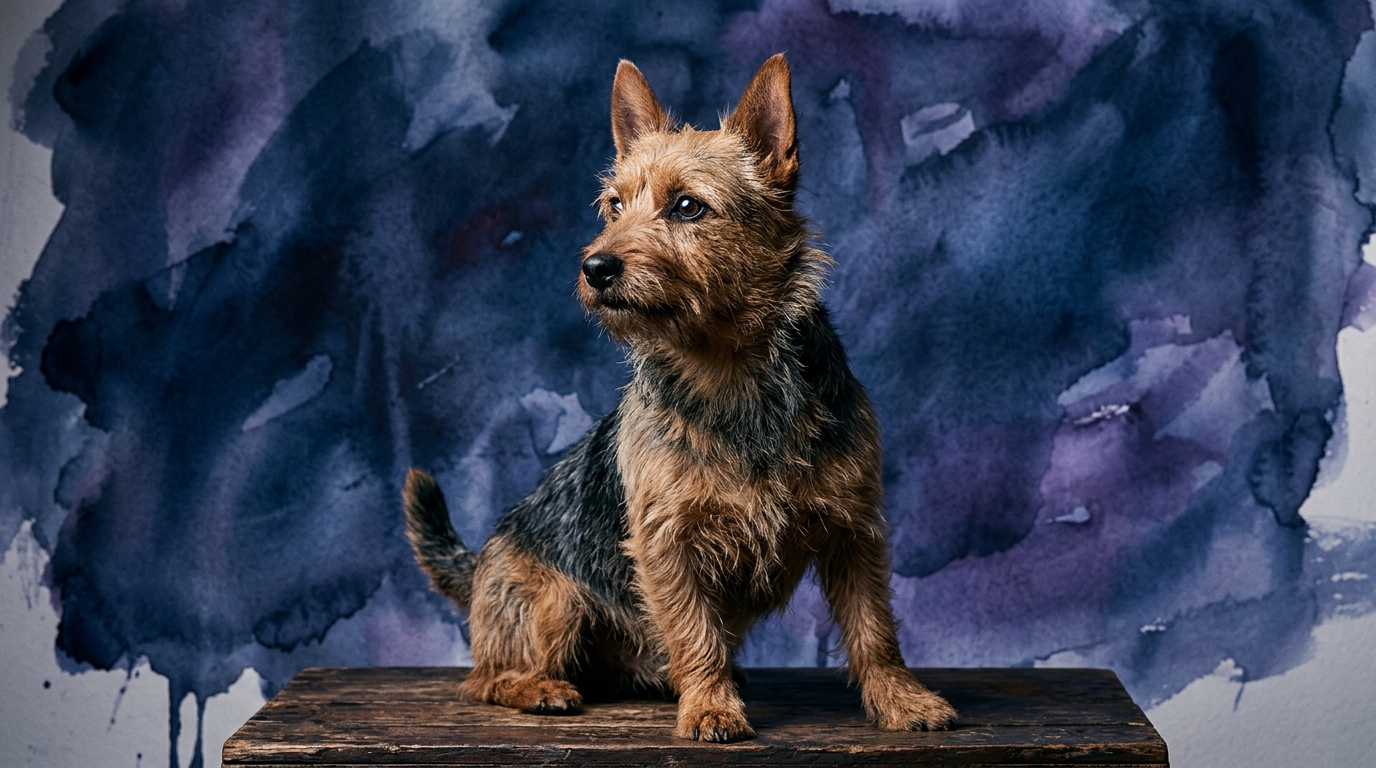
For the Australian Terrier, a breed from the Terrier group, its Problem Solving 3/5 reflects a practical resourcefulness, particularly in navigating environments and finding hidden objects, often driven by its instinct to hunt small prey. Its Training Speed 3/5 indicates it can acquire new commands, but often requires consistent, engaging methods to overcome its independent streak and potential for distraction. Social Intelligence at 3/5 means it forms strong bonds within its family unit and understands household dynamics, though it may be more discerning with strangers. Its Instinctive Drive at 3/5 is pronounced, manifesting as a strong prey drive, digging tendencies, and alert barking. Finally, its Memory 3/5 ensures it reliably recalls routines, people, and learned commands, though immediate recall might be challenged by a potent instinctive trigger.
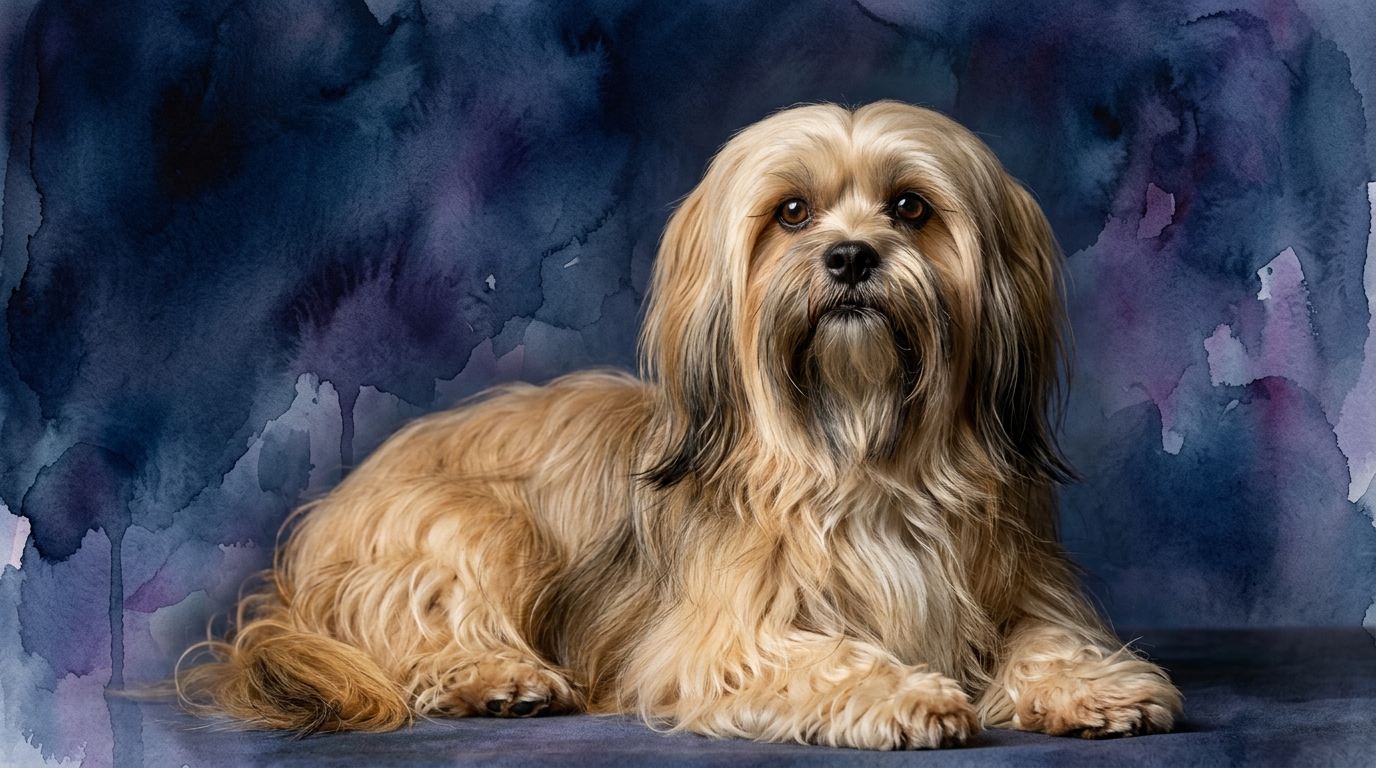
The Lhasa Apso, a member of the Non-Sporting group and ranked #68 by Coren for working intelligence, expresses its 3/5 scores through a different lens. Its Problem Solving 3/5 often involves keen observation and manipulating its environment or human companions to achieve desired outcomes, such as securing a favorite spot or soliciting attention, rather than active exploration. Training Speed 3/5 for a Lhasa Apso means it learns at a moderate pace, but training requires patience, consistency, and an understanding of its independent and sometimes stubborn nature; they respond best when they perceive a clear benefit. Social Intelligence 3/5 highlights its deep attunement to its family's emotions and routines, coupled with a reserved, watchful demeanor towards outsiders, making it an excellent judge of character. Its Instinctive Drive 3/5 is dominated by strong guardian tendencies, leading to alert barking and territorial awareness. The Lhasa Apso's Memory 3/5 is notable for its excellent recall of people, places, and established routines, and they are known to retain both positive and negative experiences vividly.
Where the Australian Terrier's Mind Shines Brightest
The Australian Terrier's cognitive strengths are deeply intertwined with its heritage as a tenacious vermin hunter and companion. Its 3/5 Problem Solving ability is expressed through a persistent, hands-on approach to exploration and obstacle navigation. When faced with a puzzle, an Australian Terrier isn't likely to wait for instructions; instead, it will probe, sniff, and dig, employing a trial-and-error method to achieve its goal. This independent streak allows them to excel in tasks requiring self-reliance, such as finding hidden treats in complex toys or maneuvering through varied terrains during outdoor adventures. Their 3/5 Instinctive Drive fuels this cognitive tenacity, channeling their natural curiosity and drive into active engagement with their surroundings. They demonstrate a remarkable ability to focus on a 'task' once engaged, particularly if it taps into their hunting instincts, like tracking a scent or retrieving a thrown object. This focused persistence, even if it sometimes means ignoring a direct command, is a distinct cognitive advantage when facing environmental challenges.
The Lhasa Apso's Unique Cognitive Edge
The Lhasa Apso, with its history as a sentinel in Tibetan monasteries, exhibits a distinct cognitive profile geared towards observation, discernment, and strategic self-interest. Its 3/5 Problem Solving manifests not as physical exploration, but often as a sophisticated understanding of cause and effect within its domestic sphere. A Lhasa Apso might 'problem-solve' by subtly nudging a toy closer to their owner for attention, or by patiently waiting for the optimal moment to claim a sunny spot. Their 3/5 Social Intelligence is a particular strength, allowing them to keenly observe human behavior and routines, anticipating needs or desires within their inner circle. They possess an innate ability to read the room, discerning mood shifts or subtle cues from their family members, and often respond with an appropriate, albeit sometimes understated, show of affection or watchfulness. This observational acumen, combined with their 3/5 Memory, allows them to build a complex mental map of their social environment and effectively navigate it to their advantage, remembering who is most likely to give them treats or where the comfiest napping spots are.
Training Dynamics: Independence vs. Discretion
Despite both breeds scoring 3/5 in Training Speed, the journey to a well-trained Australian Terrier versus a well-trained Lhasa Apso unfolds quite differently, largely due to their inherent temperaments and motivations. The Australian Terrier, a true terrier, brings an independent spirit and a strong prey drive to the training arena. Their 3/5 Training Speed means they are certainly capable of learning commands, but they often require short, highly engaging sessions to maintain focus. Distractions from scents, sounds, or the possibility of an independent 'mission' can easily derail their attention. An owner needs to be consistently creative, using positive reinforcement, play, and novelty to keep an Aussie engaged, as they can quickly become bored with repetitive drills. Their problem-solving prowess might even lead them to 'outsmart' their trainer if the methods aren't varied and compelling, opting for self-directed activities over obedience.
The Lhasa Apso, on the other hand, approaches training with a discerning and often self-serving mindset. Their 3/5 Training Speed indicates they can learn, but their Coren rank of #68 suggests they may require more repetitions than top-tier obedience breeds, and their willingness to comply on the first command can be selective. A Lhasa Apso isn't easily swayed by enthusiastic praise alone; they need to perceive a clear benefit or personal advantage in following a command. Their independence means they might feign ignorance or simply choose not to comply if a command doesn't align with their current desire. Training a Lhasa requires immense patience, unwavering consistency, and an understanding of their deep-seated desire for comfort and companionship. Positive reinforcement, particularly with high-value rewards, is crucial, as is establishing a strong, trusting bond where the dog respects the owner's leadership without feeling coerced. For both breeds, early socialization and consistent boundaries are paramount, but the 'why' behind their learning pace and occasional resistance is distinctly different.
Matching Lifestyles: Active Explorers vs. Watchful Companions
When considering which breed aligns best with an owner's lifestyle, their cognitive and temperamental differences become particularly salient. The Australian Terrier, with its robust 3/5 Instinctive Drive and practical 3/5 Problem Solving, thrives with active owners who can provide consistent mental and physical stimulation. They are ideal companions for individuals or families who enjoy outdoor adventures, hiking, or engaging in dog sports like agility or earthdog trials. An Australian Terrier needs outlets for its innate curiosity and energy, whether through structured play, puzzle toys, or regular opportunities to explore new environments. Owners who appreciate a spirited, independent dog that enjoys being an active participant in their daily lives will find the Australian Terrier a rewarding match. They are not content to be mere couch potatoes; their minds and bodies crave purposeful engagement.
The Lhasa Apso, conversely, with its strong 3/5 Social Intelligence focused on its inner circle and its guardian-oriented 3/5 Instinctive Drive, is often better suited for more relaxed owners who appreciate a devoted, watchful companion. While they still require daily walks and mental enrichment to prevent boredom, their primary desire is often to be near their human family, observing and protecting their home environment. They excel in discerning social dynamics within the household and are content with a comfortable, predictable routine. Owners who value a dog with a strong personality, a discerning nature, and a preference for indoor companionship will find the Lhasa Apso a perfect fit. They are excellent at forming deep, loyal bonds, but their independence means they appreciate an owner who respects their boundaries and understands their unique way of showing affection and loyalty. Their cognitive strengths make them superb at 'reading' their family's needs and providing quiet, comforting companionship.
The Verdict: When to Choose Each Breed
The Verdict
Choose an Australian Terrier if you seek a spirited, independent companion keen on active exploration and tenacious problem-solving, and you're prepared to provide consistent mental and physical engagement.
Opt for a Lhasa Apso if you desire a devoted, watchful companion with a strong sense of self, who excels in discerning social dynamics and thrives in a more relaxed, predictable home environment.
🧠 Find Your Pet's IQ Score
Our Pet IQ Lab assessment covers 25+ tests across 5 cognitive dimensions — personalized to your breed.
Take the Full IQ Test →Frequently Asked Questions
Do Australian Terriers bark a lot?
Yes, their terrier instincts often lead to alert barking, particularly at perceived threats or novel stimuli entering their territory. This is a natural expression of their instinctive drive and can be managed with consistent training and environmental management.
Are Lhasa Apsos good with children?
Lhasa Apsos can be good with respectful, older children who understand their need for personal space and quiet interaction. Their discerning social intelligence means they may not tolerate rough play and often bond more closely with adults.
How do their grooming needs compare?
Australian Terriers have a wiry coat requiring regular brushing and occasional hand-stripping or clipping to maintain its texture and prevent matting. Lhasa Apsos possess a long, flowing double coat that demands daily brushing to prevent tangles and mats, often requiring professional grooming every 4-6 weeks.