Side-by-Side Cognitive Profiles: A Nuanced Look
At first glance, The Cosmic Pet Pet IQ Lab data for both the Australian Terrier and the Miniature Bull Terrier presents a perfect match: Problem Solving 3/5, Training Speed 3/5, Social Intelligence 3/5, Instinctive Drive 3/5, and Memory 3/5. These scores suggest a baseline of capable, but not always straightforward, cognitive engagement typical of many terrier breeds. A 3/5 in Problem Solving indicates these dogs possess a moderate capacity to navigate new situations or figure out how to achieve a goal, often through trial and error or by leveraging their environment, but they may not always choose the most direct or human-preferred solution.
For Training Speed, a 3/5 signifies that both breeds will learn new commands and behaviors, but they require consistent, engaging, and patient instruction. Their terrier independence means they aren't always looking to please above all else, often making their own assessment of the value of a task. Social Intelligence at 3/5 implies they understand social cues within their established pack, typically their family, but might exhibit reserve or distinct opinions when interacting with strangers or other animals, a common terrier trait rooted in their historical working roles.
The 3/5 for Instinctive Drive is a hallmark of the terrier group, encompassing strong prey drive, a tendency to dig, bark, and investigate. This drive is a powerful motivator and can be channeled effectively in training or become a challenge if not understood. Finally, a Memory score of 3/5 suggests both breeds retain information, both positive and negative experiences, and learned behaviors quite well, meaning early socialization and consistent training are particularly impactful in shaping their adult personalities.
Where the Australian Terrier Excels Cognitively
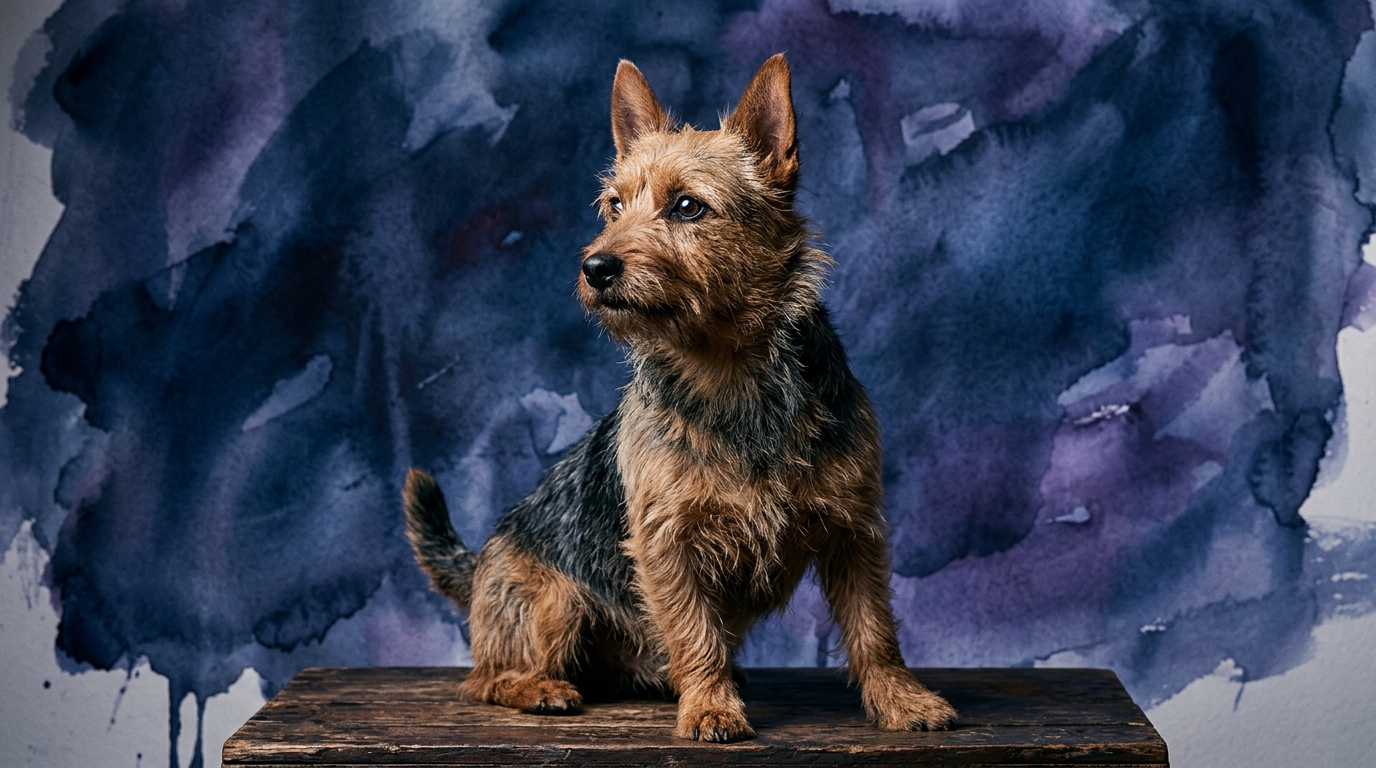
While the raw scores are identical, the Australian Terrier's cognitive strengths often manifest through its slightly more traditional terrier temperament. Its Problem Solving at 3/5, for instance, often appears as a resourceful and adaptable approach to challenges, perhaps less 'bull-headed' than some of its relatives. This breed frequently displays a keen observational intelligence, learning routines and anticipating family movements with a quiet understanding, making them excellent companions for those who appreciate a dog that 'gets it' without constant overt displays.
The Australian Terrier's Social Intelligence, also a 3/5, often translates into a loyal, devoted bond with its primary caregivers, coupled with a discerning watchfulness towards outsiders. They can be remarkably attuned to their family's moods, offering comfort or initiating play at opportune moments. This nuanced social understanding, while not always outwardly effusive, reflects a deep internal processing of their human environment, often making them highly responsive to the subtle cues of their family members during interactions or training sessions.
Where the Miniature Bull Terrier Shows its Cognitive Edge
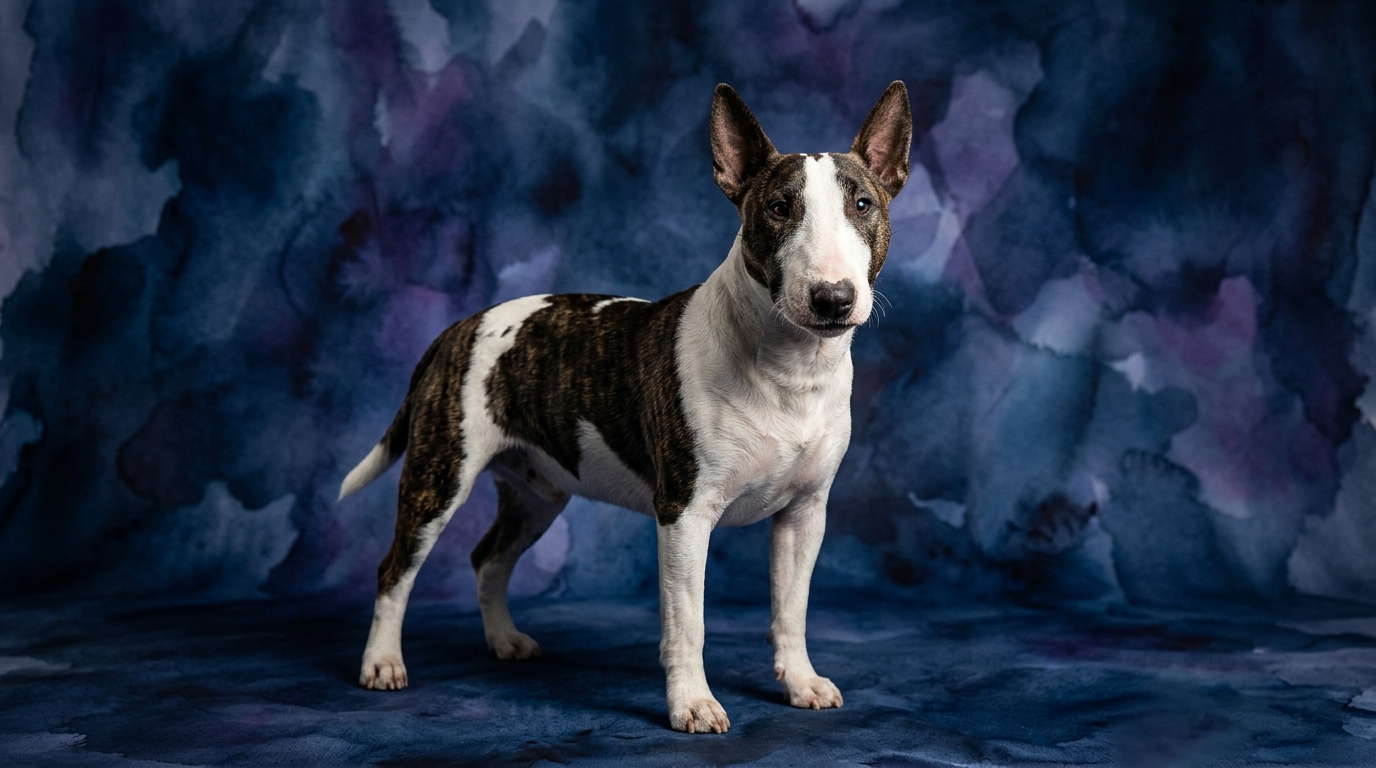
The Miniature Bull Terrier, with its distinct personality, expresses its 3/5 cognitive scores in a uniquely persistent and often comical fashion. Its Problem Solving ability at 3/5 is frequently characterized by sheer determination; if a Miniature Bull Terrier decides something needs to happen, it will explore various methods until it succeeds, sometimes to the amusement or exasperation of its owners. This tenacity, while sometimes challenging, can also be leveraged in complex training exercises, provided the dog is sufficiently motivated.
Similarly, the Miniature Bull Terrier’s 3/5 Social Intelligence often shines through its exuberant playfulness and sometimes mischievous charm. They form incredibly strong, almost singular bonds with their chosen people, often displaying an unparalleled loyalty and a desire to be involved in all family activities. Their social understanding, while perhaps not as subtly expressed as some breeds, is deeply felt and demonstrated through their full-body enthusiasm and their unique ability to lighten the mood with their clownish antics, making them profoundly engaging companions.
Training Dynamics: Australian Terrier vs. Miniature Bull Terrier
Despite both breeds scoring 3/5 in Training Speed, their approaches to learning new behaviors differ notably. The Australian Terrier, while possessing the typical terrier independence, often exhibits a strong desire to please its family. This can make them relatively biddable for a terrier, responding well to positive reinforcement, consistency, and clear expectations. They thrive on engaging, varied training sessions that prevent boredom, and their solid memory (3/5) means once a lesson is learned, it tends to stick.
The Miniature Bull Terrier, on the other hand, often requires a more specific training approach. Their problem-solving tenacity and strong-willed nature can sometimes translate into a 'what's in it for me?' attitude during training. A trainer must be patient, creative, and understand how to channel their boundless energy and sometimes mischievous spirit. While they learn at a 3/5 speed, their learning is often punctuated by moments of playful defiance or a desire to do things 'their way,' demanding an owner who can be firm yet endlessly positive and engaging to maintain focus and cooperation. Their excellent memory (3/5) means both good and bad habits are well-retained, emphasizing the importance of early and consistent positive training.
Lifestyle Match: Active vs. Relaxed Owners
When considering lifestyle, both terriers demand more than a truly relaxed owner might anticipate, but their specific needs diverge. The Australian Terrier, with its 3/5 Instinctive Drive, requires regular exercise to satisfy its energetic spirit—daily walks, playtime, and mental stimulation are essential. They adapt well to various living situations, including apartments, provided their physical and cognitive needs are consistently met. Their social intelligence and moderate problem-solving make them suitable for moderately active owners who enjoy consistent engagement without needing an extreme exercise partner.
The Miniature Bull Terrier, also with an Instinctive Drive of 3/5, similarly needs substantial physical and mental activity. However, their unique blend of exuberance, strength, and occasional stubbornness means they often require an owner who is not only active but also confident and committed to structured activities. Their bursts of energy and playful nature necessitate interactive games, consistent training, and ample opportunities for safe exploration. They thrive with owners who appreciate their distinct personality and are willing to invest significant time in channeling their cognitive and physical drive, making them better suited for active, experienced owners who enjoy a challenge.
The Verdict
Choose the Australian Terrier if you seek a classic terrier spirit in a compact package, valuing a devoted family companion with a keen observational intelligence and a willingness to engage in consistent, positive training.
Opt for the Miniature Bull Terrier if you are drawn to a unique, strong-willed, and comical companion, prepared to invest in creative, firm, and positive training to channel their tenacious problem-solving and exuberant social intelligence.
🧠 Find Your Pet's IQ Score
Our Pet IQ Lab assessment covers 25+ tests across 5 cognitive dimensions — personalized to your breed.
Take the Full IQ Test →Frequently Asked Questions
Are Australian Terriers good for first-time dog owners?
Australian Terriers can be suitable for first-time owners who are prepared for the consistency required by a terrier. Their biddable nature for a terrier, combined with their loyalty and adaptability, makes them a rewarding choice for those committed to positive training and socialization.
Do Miniature Bull Terriers get along with other pets?
Miniature Bull Terriers, with their strong prey drive and sometimes dominant personality, require careful and early socialization to coexist peacefully with other pets. While some can live harmoniously, their individual temperament and the owner's commitment to training are key factors.
How much exercise do these terriers need daily?
Both Australian Terriers and Miniature Bull Terriers typically require at least 30-60 minutes of vigorous exercise daily, split into multiple sessions. This should include walks, playtime, and mental stimulation to keep their active bodies and minds engaged and prevent boredom.