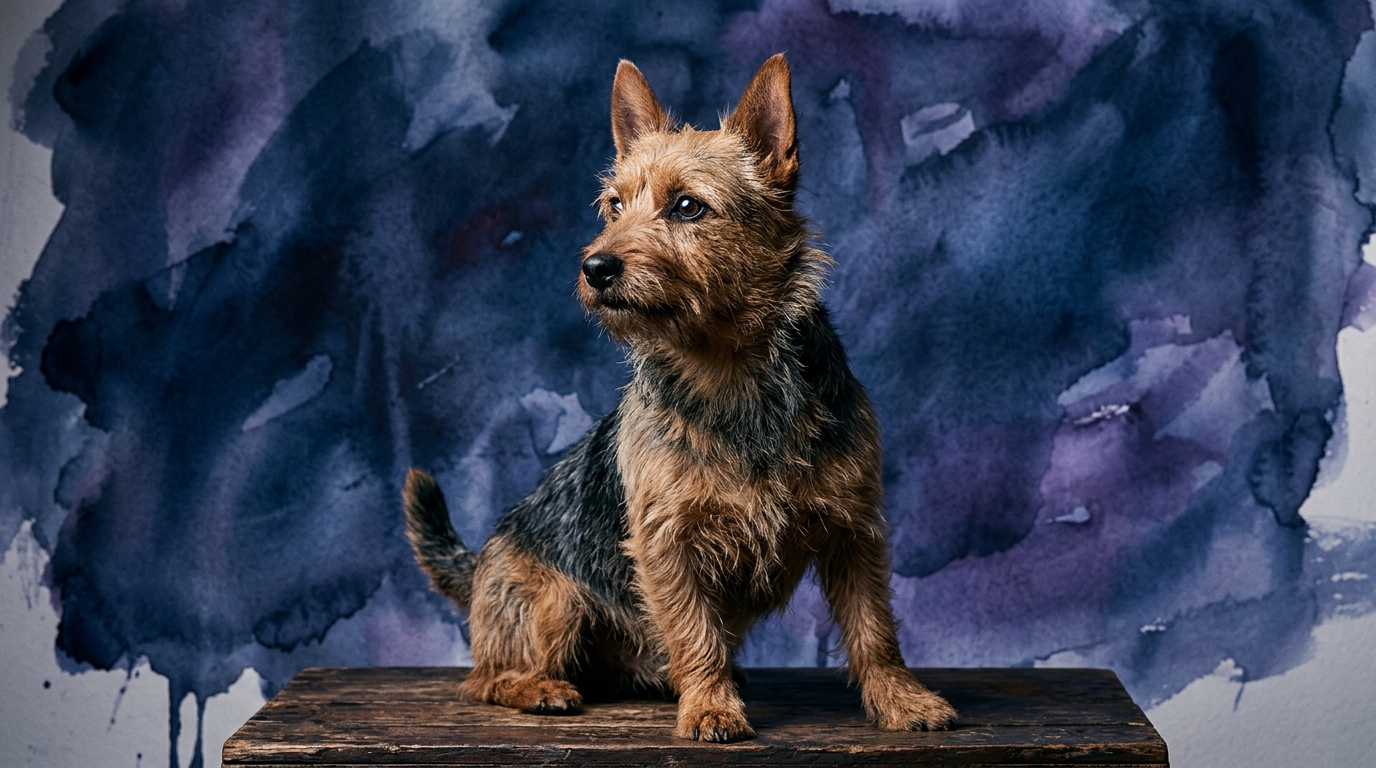
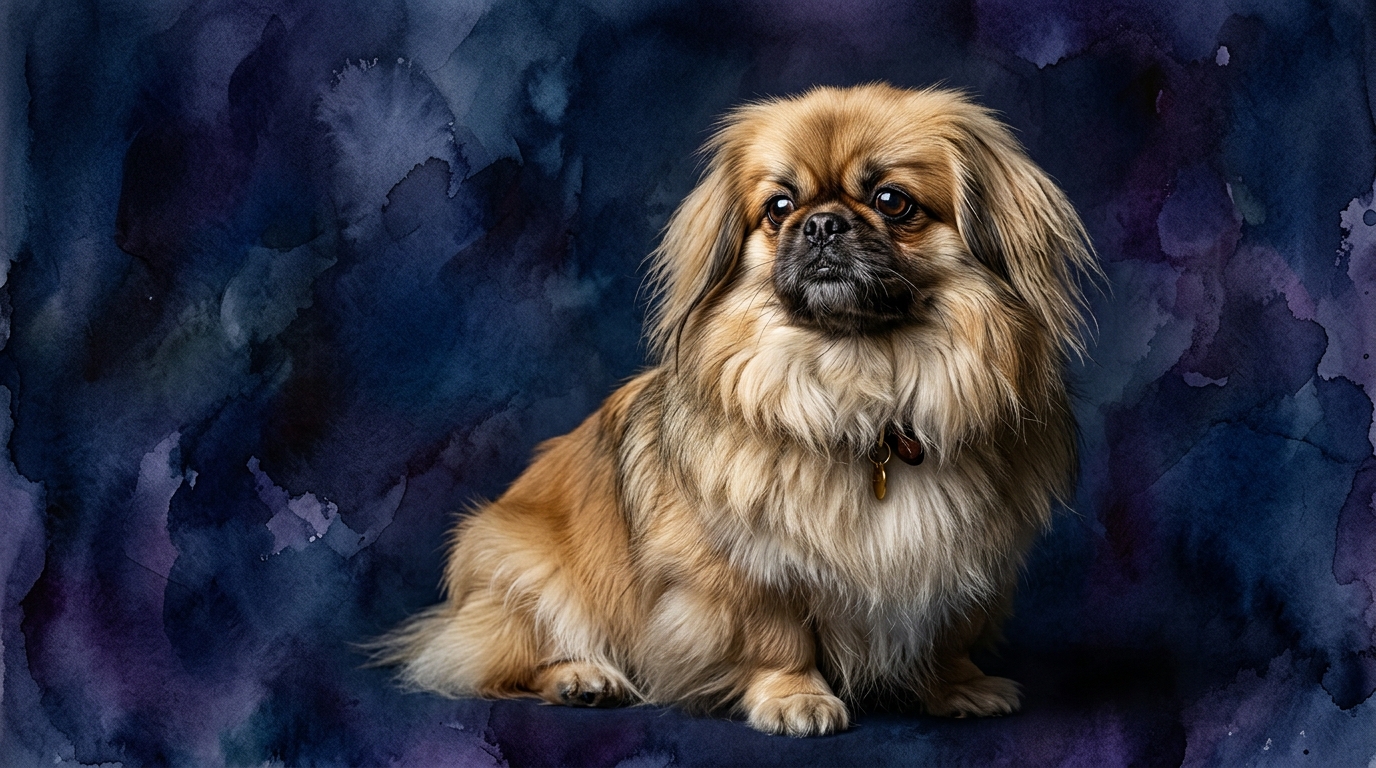
Side-by-Side IQ Profile: Australian Terrier vs. Pekingese
At The Cosmic Pet Pet IQ Lab, we evaluate canine intelligence across five key dimensions. For both the Australian Terrier and the Pekingese, our assessments yield a consistent 3 out of 5 across the board, indicating a moderate, capable level of cognitive function. This uniformity in scores, however, belies the distinct ways each breed applies these fundamental abilities, shaped profoundly by their historical roles and inherent temperaments.
The Australian Terrier, a robust member of the Terrier group, demonstrates its Problem Solving 3/5 through persistent, often independent efforts to achieve a goal, whether it's unearthing a hidden toy or navigating an obstacle. Their Training Speed 3/5 suggests they grasp commands at a moderate pace, but their independent streak means compliance is often tied to perceived value or engagement. Social Intelligence 3/5 for the Aussie involves understanding pack dynamics and human cues within their active family unit, while an Instinctive Drive 3/5 highlights their moderate prey drive and inclination to dig or explore. Their Memory 3/5 allows them to retain learned behaviors and spatial information effectively, especially when it serves their inquisitive nature.
The Pekingese, a dignified Toy breed, also earns a Problem Solving 3/5, but this often manifests as clever manipulation of their environment or human companions to secure comfort or attention, rather than physical exertion. Their Training Speed 3/5 indicates a moderate learning curve, yet their training experience can be influenced by a characteristic self-possession and selective engagement. Social Intelligence 3/5 in a Pekingese is typically centered on their immediate human family, showing a nuanced understanding of their preferred person's moods and routines, often with a discerning eye towards strangers. An Instinctive Drive 3/5 for the Peke often translates to a moderate territoriality or a strong drive for companionship and comfort. Their Memory 3/5 ensures they recall routines, preferred comforts, and the individuals who best cater to their needs.
Despite identical numerical scores, the qualitative interpretation of these metrics reveals how breed-specific traits channel these cognitive capacities into distinct behavioral patterns. The moderate scores suggest both breeds are capable learners and adaptable companions, but their approach to the world is colored by their inherent predispositions.
Where the Australian Terrier Excels Cognitively
The Australian Terrier's cognitive strengths, even with a 3/5 across the board, truly shine in scenarios demanding tenacity and independent thought. Their Problem Solving at 3/5 often translates into resourceful strategies for overcoming physical barriers or pursuing specific objectives. This isn't just about learning; it's about applying that learning with a determined spirit. For example, an Aussie might meticulously work to extract a toy from a tight space, demonstrating a methodical approach and a refusal to give up that belies a simple 'average' score.
Their Instinctive Drive at 3/5, while moderate, provides a powerful underlying motivation for exploration and engagement with their environment. This drive fuels their curiosity and encourages them to actively seek out mental stimulation, making them adept at tasks that require investigation or sustained focus on a perceived 'prey' item, even if it's just a squeaky ball. This intrinsic motivation to engage and persist often gives them an edge in activities that require self-initiated action rather than direct human instruction.
Where the Pekingese Demonstrates Unique Cognitive Strengths
The Pekingese, with its consistent 3/5 scores, excels in areas that involve subtle observation and a sophisticated understanding of social dynamics within its preferred circle. Their Social Intelligence at 3/5, though numerically equal to the Terrier's, often manifests as a keen ability to read human emotions and intentions, allowing them to navigate complex household interactions with a refined sense of self-preservation and comfort. They might not be the first to greet a stranger, but they are often highly attuned to their chosen human's emotional state, offering comfort or demanding attention with precision.
Their Problem Solving at 3/5 frequently involves a clever, often indirect, approach to achieving their desires. This might mean strategically positioning themselves for maximum comfort, subtly nudging an owner for a treat, or mastering the art of the 'pout' to get their way. Their cognitive strength lies in their discerning nature and their capacity to influence their environment through charm and quiet persistence, rather than boisterous action. This refined application of problem-solving skills makes them particularly adept at managing their domestic environment to their advantage.
Training Dynamics: Which Breed is Easier and Why?
Despite both breeds having a Training Speed of 3/5, the perceived ease of training can differ significantly due to their distinct behavioral profiles. The Australian Terrier, while capable of learning, often approaches training with an independent spirit. Their moderate Instinctive Drive can mean they are easily distracted by environmental stimuli (like scents or sounds) and may question the necessity of a command if it doesn't align with their immediate interests. Training an Aussie requires consistency, positive reinforcement, and making the session engaging enough to compete with their natural curiosity and desire for self-directed activity. They are not difficult, but they require a trainer who understands how to channel their terrier tenacity.
The Pekingese, conversely, might also learn at a moderate pace, but their training experience is often shaped by their dignified and sometimes aloof temperament. Their Social Intelligence, while strong within their preferred circle, doesn't always translate to eager obedience, especially if they perceive a command as beneath them or unnecessary. They can be quite selective in their compliance, often weighing the reward against the effort. Training a Pekingese benefits from extreme patience, gentle methods, and establishing a strong, respectful bond, as they respond best when they feel understood and valued, rather than simply commanded. Their moderate Problem Solving might lead them to find clever ways to avoid unwanted tasks.
Active Companionship vs. Relaxed Devotion: Matching Breeds to Lifestyles
The Australian Terrier, with its moderate instinctive drive and curious nature, is generally better suited for active owners. Their Problem Solving and Memory, at 3/5, are best utilized when given opportunities for mental and physical engagement, such as structured walks, agility training, or interactive puzzle toys. They thrive in environments where they can explore, investigate, and have their energy channeled into constructive activities. An owner who enjoys outdoor adventures or consistent training sessions will find the Aussie a delightful and willing partner, helping them apply their cognitive abilities in a stimulating manner.
The Pekingese, while capable of activity, generally aligns better with more relaxed owners who appreciate a companion focused on comfort and close connection. Their Social Intelligence and Problem Solving, at 3/5, are perfectly suited for a calm home where they can observe and interact with their human companions on their own terms. They excel at being discerning, loyal companions who enjoy quiet companionship, short strolls, and being at the heart of their family's domestic life. An owner seeking a devoted, somewhat independent, and low-key companion will find the Pekingese's cognitive strengths perfectly complement a serene lifestyle.
The Verdict: When to Choose Each Breed
The Verdict
Choose the Australian Terrier if you are an active owner seeking a tenacious, curious companion for adventures and engaging training challenges.
Opt for the Pekingese if you desire a discerning, dignified companion who thrives in a calmer home and offers profound, often subtle, devotion.
🧠 Find Your Pet's IQ Score
Our Pet IQ Lab assessment covers 25+ tests across 5 cognitive dimensions — personalized to your breed.
Take the Full IQ Test →Frequently Asked Questions
Do Australian Terriers dig a lot?
Yes, Australian Terriers possess a moderate Instinctive Drive (3/5) which includes a natural propensity for digging. This is a characteristic terrier trait, and while it can be managed with training, owners should be prepared for this behavior.
Are Pekingese difficult to housetrain?
Pekingese can sometimes be more challenging to housetrain due to their independent nature and smaller bladders. Consistent routines, frequent outdoor access, and positive reinforcement are key to success, as their Problem Solving (3/5) may lead them to find creative ways to avoid the cold or rain.
Can Australian Terriers live in apartments?
Australian Terriers can adapt to apartment living if their exercise and mental stimulation needs are consistently met. Their moderate energy and cognitive drives (3/5 across the board) require regular walks, play, and training sessions to prevent boredom and destructive behaviors in a smaller space.