
Side-by-Side IQ Profile: Understanding the 3/5 Score
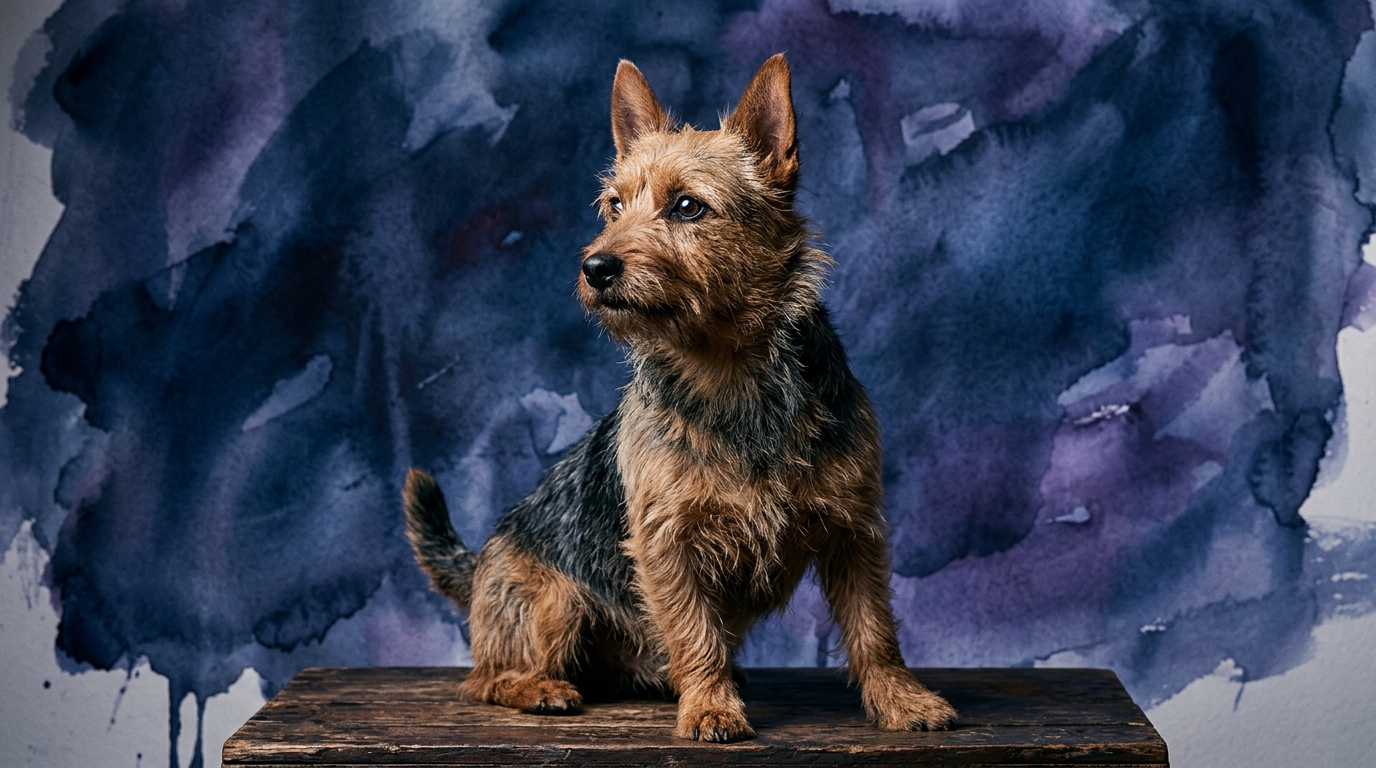
**Australian Terrier:** The Australian Terrier approaches challenges with a practical, persistent mindset, often employing physical manipulation or a determined digging instinct to achieve a goal. Their problem-solving is rooted in their history as versatile working dogs, requiring them to figure out how to extract vermin from burrows or navigate varied terrains; this isn't about complex abstract thought, but rather effective, hands-on solutions to immediate, tangible issues. Aussies demonstrate a moderate pace in acquiring new commands, often requiring consistent, engaging sessions. While they possess the capacity to learn, their independent terrier spirit means they respond best to positive reinforcement and varied training approaches that prevent boredom; repetition without purpose can lead to a 'what's in it for me?' attitude, reflecting their self-assured nature. These terriers exhibit a solid understanding of their immediate family's emotional states and routines, forming deep, loyal bonds. They are observant of social cues within their trusted circle, often anticipating needs or moods; however, their social circle tends to be selective, and they may be more reserved or discerning when interacting with strangers, preferring the familiar. The Australian Terrier's instinctive drive is notably present, manifesting as a keen prey drive for small, furry creatures and a strong inclination to dig. While manageable with proper training and outlets, this 3/5 score indicates a natural inclination that requires consistent channeling, ensuring it doesn't become a nuisance but rather an expression of their inherent terrier nature. Aussies possess a reliable memory for routines, learned commands, and spatial awareness, allowing them to navigate familiar environments and recall training cues effectively over time. They remember positive and negative experiences, which shapes their future interactions, making early, positive socialization and training particularly impactful for long-term behavioral patterns.
**Rat Terrier:** Rat Terriers tackle problems with a quick, agile mind, often employing observation and rapid adaptation to outmaneuver challenges. Their historical role as ratters on farms demanded swift assessment of situations and immediate, strategic action to dispatch prey; this involves less brute force and more clever evasion or precise targeting, making them adept at finding vulnerabilities. Rat Terriers generally learn new commands at a moderate to quick pace, often eager to please their primary handler. Their responsiveness can be a significant asset, but their intense prey drive and potential for distraction mean that training requires focus and engaging methods to hold their attention; they thrive on consistency and clear communication, quickly associating actions with consequences. These dogs are often highly attuned to their owner's moods and intentions, displaying a sensitive and empathetic side. They integrate well into family dynamics, often seeking to be involved in activities and showing a good ability to read the room; while generally friendly, some can be a bit reserved with new people or situations, evaluating before fully engaging. The Rat Terrier's instinctive drive is characterized by an exceptionally sharp focus on movement and a lightning-fast reaction to potential prey. Their 3/5 score here reflects a deeply ingrained and powerful drive for hunting small animals, which, while a hallmark of the breed, necessitates vigilant management, secure environments, and appropriate outlets for their energy. Rat Terriers exhibit excellent memory, particularly for sequences of events, specific locations (especially those associated with interesting smells or sounds), and training cues. They are capable of recalling complex tasks and routines over extended periods, but this also means they remember negative experiences vividly, making gentle, positive training methods crucial for building trust and confidence.
Where the Australian Terrier Wins Cognitively
While both breeds score identically, the Australian Terrier often demonstrates a slight edge in cognitive tenacity and self-reliance in unfamiliar physical environments. Their problem-solving, though rated 3/5, leans more towards persistent, methodical exploration and manipulation of objects or terrain to achieve a goal. This means if faced with a novel physical puzzle requiring sustained effort and a 'never give up' attitude, the Aussie might outlast the Rat Terrier, whose solutions often prioritize speed and agility. Their social intelligence, while equally rated, often translates into a deeper, less overtly expressive loyalty, making them particularly astute at understanding their immediate family's nuanced emotional landscape without needing constant affirmation.
Where the Rat Terrier Wins Cognitively
The Rat Terrier, despite identical scores, often excels in the cognitive domains requiring rapid assessment and adaptive execution, particularly in dynamic situations. Their 3/5 problem-solving manifests as quick-wittedness and strategic thinking, making them adept at navigating complex, changing environments or outsmarting fast-moving targets. In scenarios demanding split-second decisions and agile mental shifts, the Rat Terrier's cognitive processing speed can be marginally quicker. Furthermore, their social intelligence, also rated 3/5, can be more outwardly expressive and responsive, making them highly perceptive of human emotions and intentions, often reacting with a visible eagerness to engage or comfort, showcasing a nuanced sensitivity to their surroundings.
Training Dynamics: Australian Terrier vs. Rat Terrier
Both breeds are rated 3/5 for training speed, indicating a moderate capacity for learning, yet their underlying behavioral drivers create different training experiences. The Rat Terrier, with its often stronger desire to please its primary handler and quicker reflexes, can sometimes appear easier to train in obedience or agility, especially when the training is fast-paced and rewarding. Their keen attention to movement and responsiveness to cues can lead to rapid acquisition of commands, provided distractions (especially prey-related) are minimized. However, their sensitivity means harsh corrections are counterproductive, and they can shut down. The Australian Terrier, while equally capable of learning, often requires more creative and varied training approaches to maintain engagement due to their independent streak. They might question the 'why' behind a command more readily, requiring trainers to be consistent, fair, and highly motivating. Their training is less about sheer speed of acquisition and more about building a respectful partnership and making the process enjoyable and meaningful for the dog.
Matching Cognitive Profiles to Lifestyles
For active owners seeking a dynamic companion, the Rat Terrier often presents a compelling choice. Their quick intelligence, high energy, and eagerness to engage in fast-paced activities like agility, flyball, or advanced trick training align well with a lifestyle that offers consistent mental and physical challenges. They thrive on having a 'job' and excel when their cognitive abilities are regularly stimulated through varied exercises and problem-solving games. A relaxed owner, conversely, might find the Rat Terrier's intense need for engagement overwhelming without sufficient outlets. The Australian Terrier, while still an active breed with a 3/5 instinctive drive, can be a better fit for owners who appreciate a robust but slightly less 'on-the-go' companion. They enjoy adventures and walks but are often content to relax at home after their exercise needs are met, provided they have a strong bond with their family. Their cognitive profile supports a life that includes exploration and mental games but doesn't necessarily demand constant high-octane activity, making them adaptable to a slightly more measured pace of life than some Rat Terriers.
The Verdict
For those seeking a highly responsive, quick-witted companion for fast-paced activities and nuanced social interactions, the Rat Terrier, with its agile mind and eager-to-please nature, is an excellent choice.
If your lifestyle calls for a tenacious, self-reliant, and deeply loyal partner who thrives on consistent routine and enjoys a balance of adventure and quiet companionship, the Australian Terrier will be a perfect fit.
🧠 Find Your Pet's IQ Score
Our Pet IQ Lab assessment covers 25+ tests across 5 cognitive dimensions — personalized to your breed.
Take the Full IQ Test →Frequently Asked Questions
Do Australian Terriers and Rat Terriers get along with other pets?
Both breeds possess a notable prey drive (3/5 instinctive drive), so introductions to smaller pets like cats or rabbits should be managed carefully and ideally started young. With proper socialization, they can coexist peacefully with other dogs, though individual personalities always play a role.
Are these breeds good for first-time dog owners?
While both are intelligent (3/5 across the board), their terrier independence and strong drives mean they benefit from owners committed to consistent, positive training. A first-time owner who is dedicated to learning and engagement can succeed, but they are not 'easy' breeds requiring minimal effort.
How much exercise do Australian Terriers and Rat Terriers need?
Both are active breeds requiring regular exercise to prevent boredom and destructive behaviors. A 3/5 instinctive drive means they need daily walks, playtime, and mental stimulation. Rat Terriers may demand slightly more vigorous and varied activity due to their quickness and boundless energy.