A Side-by-Side Look at Canine Cognition
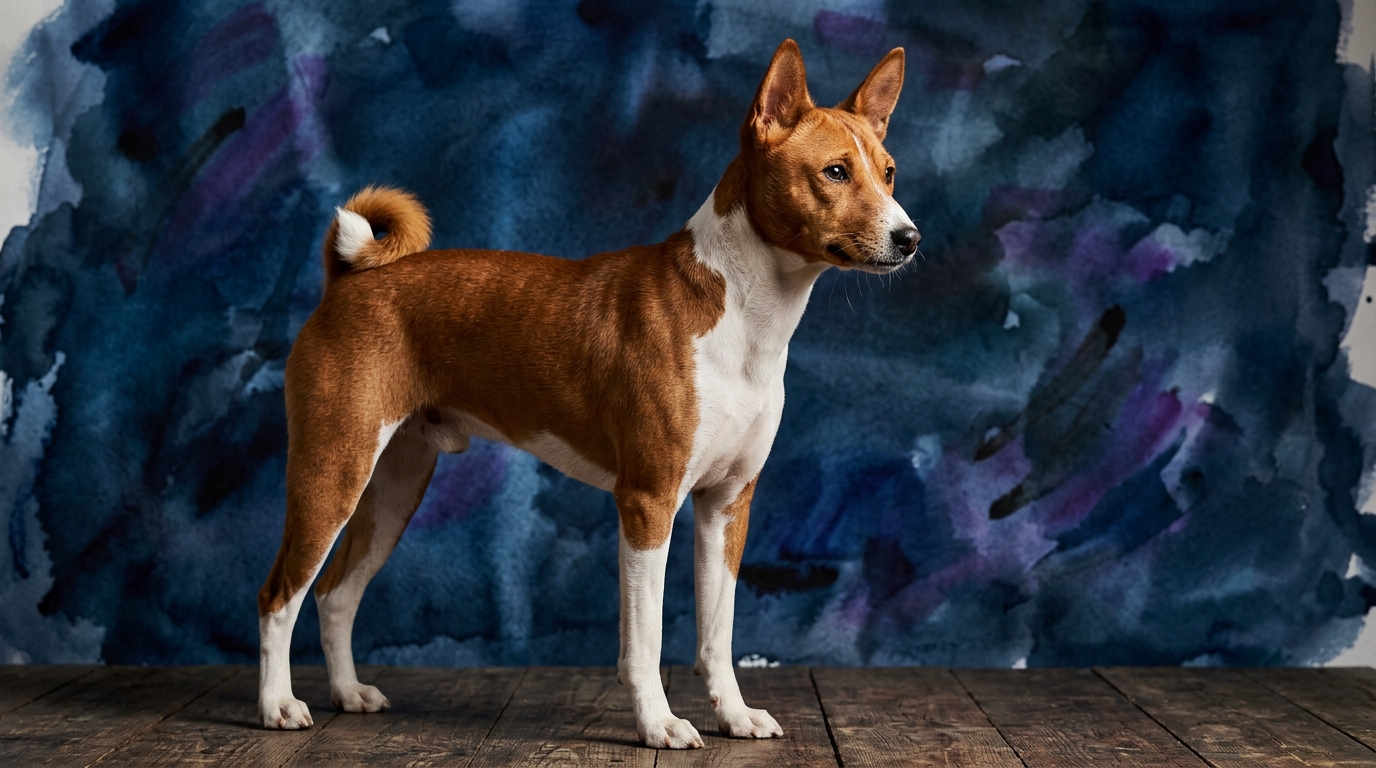
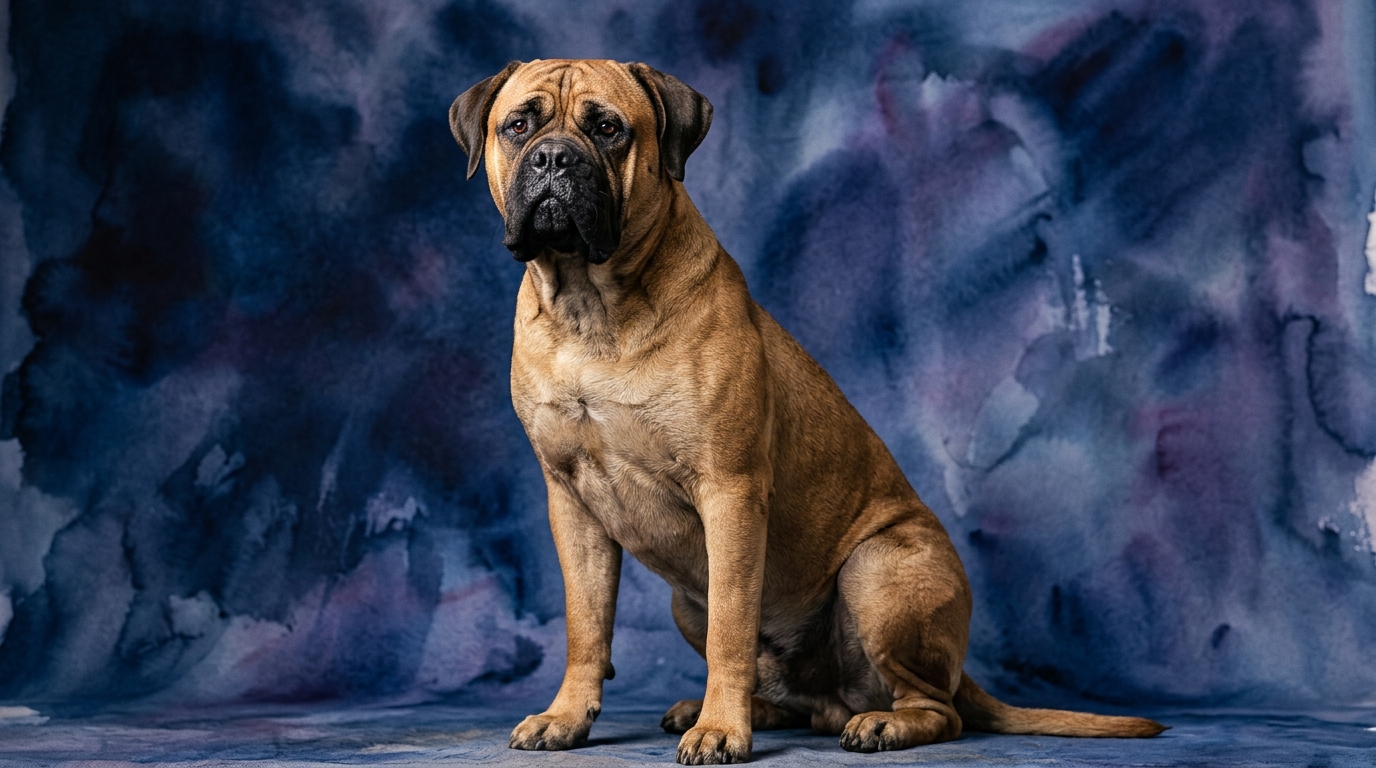
The Cosmic Pet Pet IQ Lab employs a five-dimensional framework to assess canine intelligence, moving beyond simple obedience to encompass a broader spectrum of cognitive abilities. For the Basenji, ranked #78 by Coren, and the Bullmastiff, ranked #69, these profiles paint a clear picture of their mental strengths and inclinations, guiding prospective owners toward a deeper understanding.
The Basenji's profile highlights exceptional Problem Solving (5/5), indicating a keen ability to devise solutions to novel challenges, often independently. Its Training Speed (1/5), however, suggests a strong resistance to conventional instruction, requiring significant patience and creative methods. Social Intelligence (3/5) places it squarely in the middle, capable of forming bonds but often with a degree of aloofness. A formidable Instinctive Drive (5/5) speaks to its deeply ingrained hunting and tracking behaviors, while Memory (4/5) implies a strong capacity to retain experiences and learned information over time.
In contrast, the Bullmastiff presents a more balanced cognitive spread. Its Problem Solving (3/5) suggests a practical approach to challenges, less inclined to independent innovation than the Basenji. A moderate Training Speed (3/5) indicates a reasonable willingness to learn and respond to commands, making them more pliable. Like the Basenji, their Social Intelligence (3/5) is average, allowing for connection but perhaps not the most effusive displays. Their Instinctive Drive (3/5) is present but not as dominant, often geared towards protection, and their Memory (3/5) is solid, allowing for consistent recall of routines and experiences.
Where the Basenji's Mind Shines
The Basenji’s cognitive strengths are particularly pronounced in areas demanding independent thought and innate drive. Its perfect 5/5 score in Problem Solving means this breed isn't waiting for instructions; it’s actively analyzing situations and formulating its own strategies, whether that involves figuring out how to open a cabinet or outsmarting a fence. This isn't just about cleverness; it's about an intrinsic motivation to resolve puzzles on its own terms.
Complementing this is an unparalleled Instinctive Drive (5/5). As a sighthound, the Basenji possesses an almost unshakeable impulse to chase and track, fueled by millennia of selective breeding. This manifests as an acute awareness of its environment, a relentless pursuit of moving objects, and a profound connection to its primal hunting instincts, which can be both captivating and challenging for owners.
Furthermore, the Basenji’s Memory (4/5) is robust, meaning it readily remembers past events, learned tricks, and the consequences of its actions. This sharp recall, combined with its problem-solving prowess, allows the Basenji to learn from experience, adapt its approach, and remember what worked (or didn't) in previous scenarios, even if it chooses not to comply with human directives. This strong memory, however, also means they remember perceived injustices or negative training experiences.
Bullmastiff's Distinct Cognitive Advantages
While the Basenji excels in independent problem-solving, the Bullmastiff offers a different set of cognitive advantages, primarily in its balanced and cooperative nature. Its moderate Training Speed (3/5) is a significant asset, indicating a dog that is generally receptive to learning and eager to please its primary caregivers. This predisposition makes the Bullmastiff a more straightforward candidate for obedience training, house manners, and learning complex commands compared to its sighthound counterpart.
The Bullmastiff's balanced Instinctive Drive (3/5) is another strength, particularly for owners seeking a companion with a strong, but manageable, protective instinct. Unlike the Basenji’s all-consuming prey drive, the Bullmastiff's drives are typically channeled towards guarding its home and family, making it an effective deterrent without being overly reactive or prone to bolting after small game. This allows for a more predictable and controlled response in various situations.
The overall consistency across its cognitive dimensions, with 3/5 in Problem Solving, Social Intelligence, Instinctive Drive, and Memory, suggests a steady and reliable mental temperament. This cognitive equilibrium means the Bullmastiff is less likely to exhibit extreme behaviors stemming from overwhelming drives or a desire for constant intellectual challenge, fostering a more placid and predictable household companion. Their solid memory ensures they retain training and routines reliably.
Training Dynamics: Independence vs. Cooperation
The stark contrast in Training Speed (Basenji 1/5, Bullmastiff 3/5) is perhaps the most defining difference for prospective owners. The Basenji's low score doesn't mean it lacks the capacity to learn; rather, it signifies a profound independence and a strong selective hearing when commands don't align with its own agenda. Their high problem-solving ability often means they are figuring out ways around commands, not necessarily failing to understand them. Training a Basenji demands immense creativity, positive reinforcement, and a deep understanding of their sighthound nature, often feeling more like negotiation than instruction.
In contrast, the Bullmastiff’s moderate training speed reflects a greater willingness to engage with human directives. They typically respond well to consistent, positive reinforcement methods and clear communication. Their inherent desire to protect and be close to their family means they are often motivated by praise and the opportunity to interact with their owners, making them generally more biddable. While they still require patience and consistency, they are less likely to actively challenge the training process or interpret commands as optional suggestions.
Real behavioral differences underscore this. A Basenji might "selectively deafen" itself to a recall command if it spots a squirrel, driven by its 5/5 instinctive drive. A Bullmastiff, while capable of distraction, is more likely to pause and weigh the command against the distraction, often choosing to return due to its social bond and learned obedience. The Basenji's problem-solving might lead it to cleverly escape a crate or bypass a baby gate, whereas a Bullmastiff is more likely to accept boundaries once established, relying on its more moderate problem-solving and higher training speed.
Lifestyle Match: Active Intellect vs. Relaxed Guardianship
When considering which breed aligns with an owner's lifestyle, their cognitive profiles offer clear guidance. The Basenji, with its 5/5 Problem Solving and 5/5 Instinctive Drive, thrives with owners who can provide consistent mental stimulation and outlets for its innate needs. This isn't just about physical exercise; it's about engaging their clever minds with puzzle toys, scent work, agility, or competitive obedience, all approached with an understanding of their independent spirit. Owners who appreciate a dog that thinks for itself and enjoys a challenge will find the Basenji a fascinating companion, but those seeking a passively obedient pet will likely face frustration.
The Bullmastiff, on the other hand, with its more balanced cognitive scores, is generally better suited for owners who appreciate a steadfast, protective, and relatively relaxed companion. While they benefit from regular walks and consistent training, their needs are less about constant intellectual engagement and more about companionship and a defined role within the family. Their 3/5 instinctive drive and problem-solving suggest they are content with routine and less prone to inventing their own entertainment through destructive means, provided their basic needs for exercise and companionship are met. They are often happy to be a watchful presence rather than an always-on intellectual dynamo.
The Verdict: Choosing Your Canine Companion
Deciding between a Basenji and a Bullmastiff ultimately hinges on an owner’s willingness to adapt to distinct cognitive styles and their desired level of engagement. The Basenji is for those who relish a mental challenge, appreciate a dog’s independent thought, and are prepared for a lifelong journey of creative problem-solving and consistent, patient guidance. They suit experienced owners who find joy in understanding a nuanced, often cat-like, canine personality and can provide ample mental stimulation to prevent boredom-induced mischief.
The Bullmastiff is an excellent choice for individuals or families seeking a loyal, protective, and generally more biddable companion. They thrive with owners who can provide a stable, loving environment, appreciate a strong but manageable guardian instinct, and are committed to consistent, positive reinforcement training. Their balanced cognitive profile makes them a more predictable and generally easier dog to integrate into a family routine, offering steadfast companionship without the relentless intellectual demands of a Basenji.
The Verdict
Choose the Basenji if you are an experienced owner who thrives on intellectual challenges and appreciates a fiercely independent canine mind that requires creative engagement and consistent, positive negotiation. This breed is for those who enjoy a dog that thinks for itself and will find immense satisfaction in earning its cooperation.
Opt for the Bullmastiff if you seek a loyal, protective, and generally biddable companion that values routine and a strong family bond, thriving with owners committed to consistent, positive reinforcement in a stable environment. This breed offers steadfast companionship with a more predictable and cooperative cognitive approach.
🧠 Find Your Pet's IQ Score
Our Pet IQ Lab assessment covers 25+ tests across 5 cognitive dimensions — personalized to your breed.
Take the Full IQ Test →Frequently Asked Questions
Are Basenjis difficult to train?
Basenjis are often perceived as challenging to train due to their low training speed and high problem-solving ability, meaning they prefer to figure things out independently rather than follow commands. Success requires immense patience, positive reinforcement, and making training feel like a game or puzzle they choose to solve.
Do Bullmastiffs need a lot of mental stimulation?
While Bullmastiffs benefit from mental engagement like any dog, their needs are moderate compared to some breeds. Their balanced cognitive profile means they are content with consistent routines, basic obedience, and companionship, rather than requiring constant, complex intellectual challenges.
Which breed is better with children?
Both breeds can be good with children with proper socialization and training, but their approaches differ. Bullmastiffs often display a gentle, protective nature towards their family, while Basenjis, with their independent spirit, might prefer older, respectful children who understand their boundaries and unique play style.