Side-by-Side IQ Profile
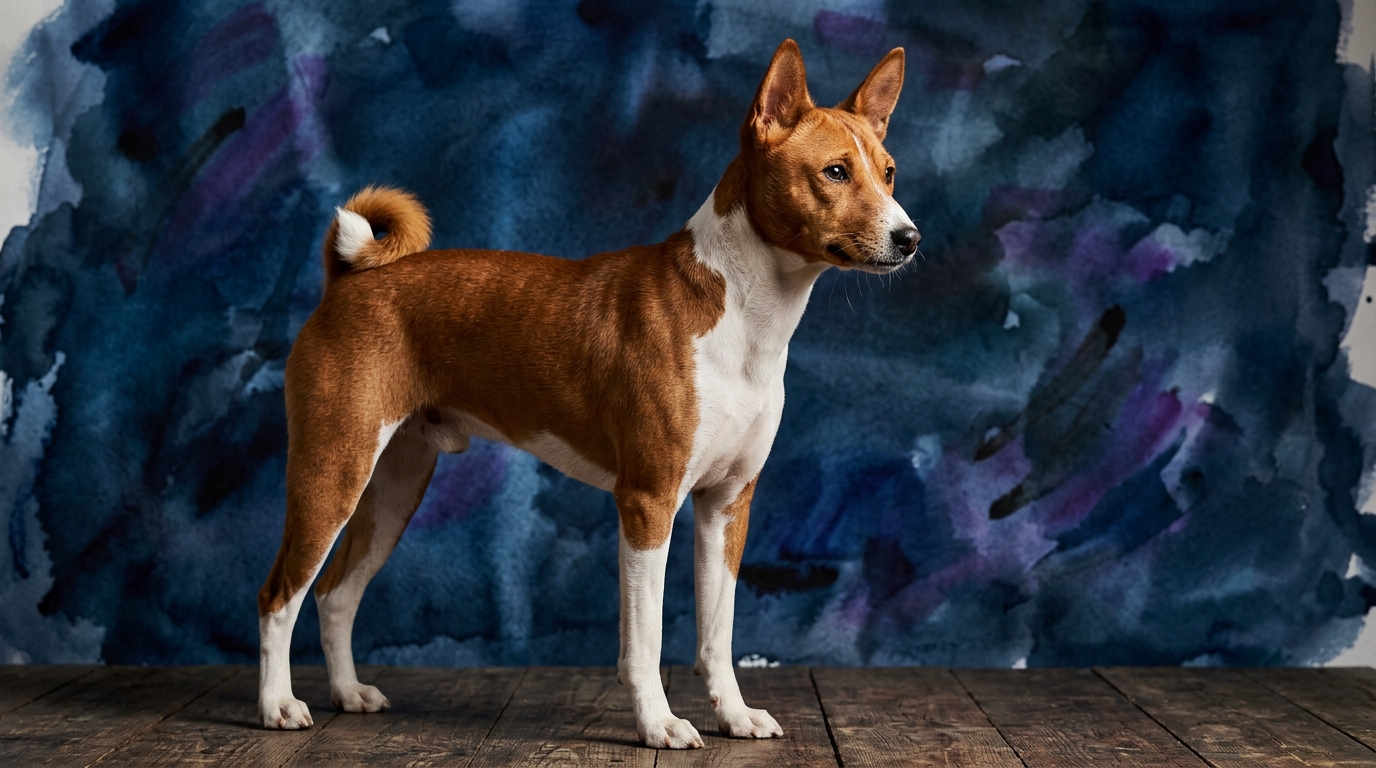
Basenji: The Basenji’s cognitive blueprint is characterized by an exceptional Problem Solving score of 5/5, reflecting their profound ability to independently navigate complex situations and devise novel solutions without direct human instruction. Their Training Speed, however, is a modest 1/5, indicating a strong independent streak that makes them less inclined to follow repetitive commands readily. Social Intelligence stands at 3/5, suggesting a capacity for connection but often on their own terms. Their Instinctive Drive is a powerful 5/5, fueling innate hunting and exploratory behaviors. A solid Memory score of 4/5 ensures they retain learned experiences, both positive and negative.
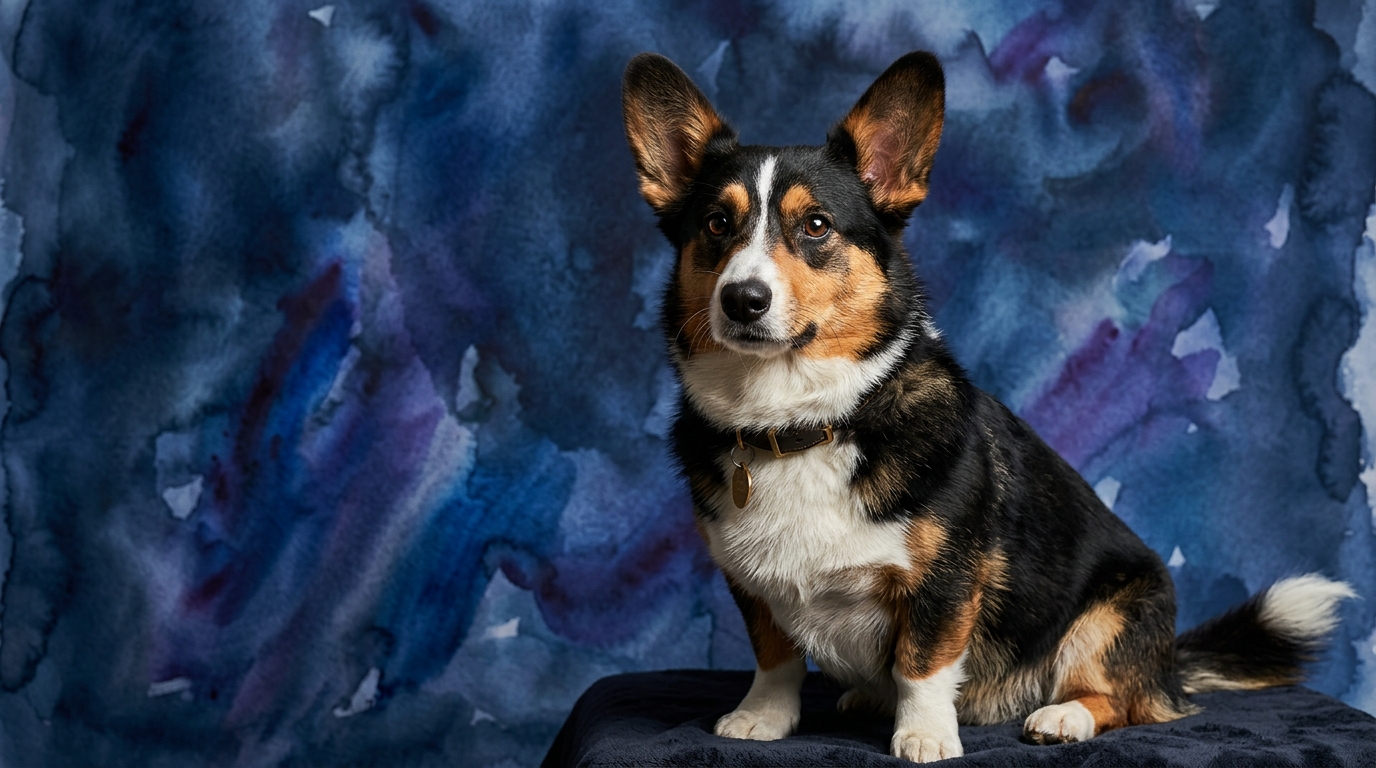
Cardigan Welsh Corgi: In contrast, the Cardigan Welsh Corgi showcases a different set of cognitive strengths. Their Problem Solving is a robust 4/5, demonstrating practical intelligence in tackling challenges, often relying on learned strategies. A notable Training Speed of 4/5 highlights their eagerness and aptitude for absorbing new commands and routines, making them highly receptive students. Their Social Intelligence matches the Basenji at 3/5, indicating a generally agreeable disposition. The Instinctive Drive is a moderate 3/5, reflecting their herding heritage but with controlled intensity. Like the Basenji, their Memory is a strong 4/5, enabling effective recall of information and experiences.
Where Basenji Wins Cognitively
The Basenji truly excels in independent problem-solving. Their 5/5 score means they are masters at figuring things out for themselves, whether escaping an enclosure or navigating complex environments to reach a desired object. This isn't about following commands, but about innate ingenuity and resourcefulness when faced with a challenge. Furthermore, their Instinctive Drive, also rated 5/5, is a powerful cognitive force. This isn't just a physical urge; it's a deeply embedded cognitive program directing their attention, focus, and strategic thinking towards hunting, tracking, and exploration, constantly processing environmental cues and making rapid decisions based on scent, sight, and sound.
Where Cardigan Welsh Corgi Wins Cognitively
The Cardigan Welsh Corgi shines in areas demanding cooperation and quick absorption of human directives. Their 4/5 Training Speed is a significant advantage, indicating a breed that processes and internalizes commands with remarkable efficiency. This cognitive strength translates into an ability to learn complex sequences, differentiate between subtle cues, and adapt their behavior based on handler feedback far more readily than the Basenji. While their Problem Solving is a respectable 4/5, it's often applied within learned task frameworks or to achieve goals set by their human companions. Their moderate 3/5 Instinctive Drive, though still present, is more amenable to redirection and channeling into structured activities, making them highly adaptable to various training disciplines and household routines.
Which is Easier to Train and Why
There's a clear distinction in trainability between these two breeds, largely dictated by their respective Training Speed scores and core temperaments. The Cardigan Welsh Corgi, with its 4/5 Training Speed and historical role in herding, is unequivocally the easier breed to train for obedience and cooperative tasks. Their cognitive makeup prioritizes understanding and responding to human cues, eager to engage in structured learning. This inherent biddability is reflected in their Coren rank of #26, placing them among breeds that master new commands in fewer than 20 repetitions and obey the first command 85% of the time or better. In contrast, the Basenji's 1/5 Training Speed and Coren rank of #78 signify a much greater challenge. Their independent problem-solving (5/5) and powerful instinctive drive (5/5) mean they often prefer to follow their own agenda rather than human instructions. They may understand a command but choose not to execute it if it doesn't align with their immediate self-interest or a more compelling instinctual urge. Training a Basenji requires immense patience, creativity, and a deep understanding of their unique motivational triggers, often leveraging their prey drive or curiosity rather than pure compliance.
Which Suits Active Owners vs. Relaxed Owners
The cognitive profiles of these breeds offer distinct fits for different owner lifestyles. The Basenji, with its intense 5/5 Instinctive Drive and 5/5 Problem Solving, thrives with active, experienced owners who appreciate and can channel their profound independence and exploratory nature. These dogs require consistent mental stimulation that challenges their ingenuity, often through scent work, agility, or engaging puzzle toys, alongside ample physical exercise that respects their prey drive. A “relaxed” owner who prefers minimal engagement and expects automatic obedience would likely find a Basenji frustrating, as this breed will constantly seek its own entertainment and solutions if not adequately stimulated.
The Cardigan Welsh Corgi, while still requiring regular exercise and mental engagement, is more adaptable to a broader spectrum of active and moderately relaxed owners. Their 4/5 Training Speed and moderate 3/5 Instinctive Drive mean they are generally content with structured walks, playtime, and training sessions that offer a sense of purpose. While they enjoy activity, their cognitive inclination towards cooperation makes them excellent companions for owners who enjoy teaching tricks, participating in dog sports like rally or herding trials, or simply having a well-behaved, engaged companion for everyday life. Their intelligence is geared towards partnership, making them less prone to the independent “scheming” that a Basenji might employ if left to their own devices.
The Verdict
Choose a Basenji if you are an experienced, active owner who values an independent, resourceful companion and is prepared for the significant challenge and creativity required to engage a truly unique canine mind.
Opt for a Cardigan Welsh Corgi if you seek a highly trainable, cooperative, and engaged companion for a variety of activities, from structured training to active family life, and appreciate a dog that readily works alongside you.
🧠 Find Your Pet's IQ Score
Our Pet IQ Lab assessment covers 25+ tests across 5 cognitive dimensions — personalized to your breed.
Take the Full IQ Test →Frequently Asked Questions
Do Basenjis learn tricks easily despite their low training speed?
Basenjis can learn tricks, but it requires a different approach than with more biddable breeds. Their strong Problem Solving and Memory mean they understand concepts, but their low Training Speed implies they need significant motivation and consistency. Owners often succeed by making training a game that appeals to their curiosity or prey drive, rather than relying on rote repetition.
How does the Corgi's herding background influence its social intelligence with other pets?
The Cardigan Welsh Corgi's herding background means they are attuned to group dynamics and can be quite social, but they may also exhibit herding behaviors towards other pets, like nipping at heels or trying to gather them. Their 3/5 Social Intelligence suggests they can adapt well with proper socialization, but their instincts may occasionally surface.
Is the Basenji's high instinctive drive difficult to manage in a home environment?
A Basenji's 5/5 Instinctive Drive can indeed be challenging in a home environment, particularly their strong prey drive and desire to explore. This requires secure containment, vigilant supervision, and consistent redirection of their natural instincts towards appropriate outlets like scent work, lure coursing, or highly engaging puzzle toys, rather than chasing squirrels or investigating open doors.