Side-by-Side Cognitive Profile
To truly understand the cognitive landscape of these two distinct breeds, we delve into The Cosmic Pet Pet IQ Lab's five core dimensions of intelligence.
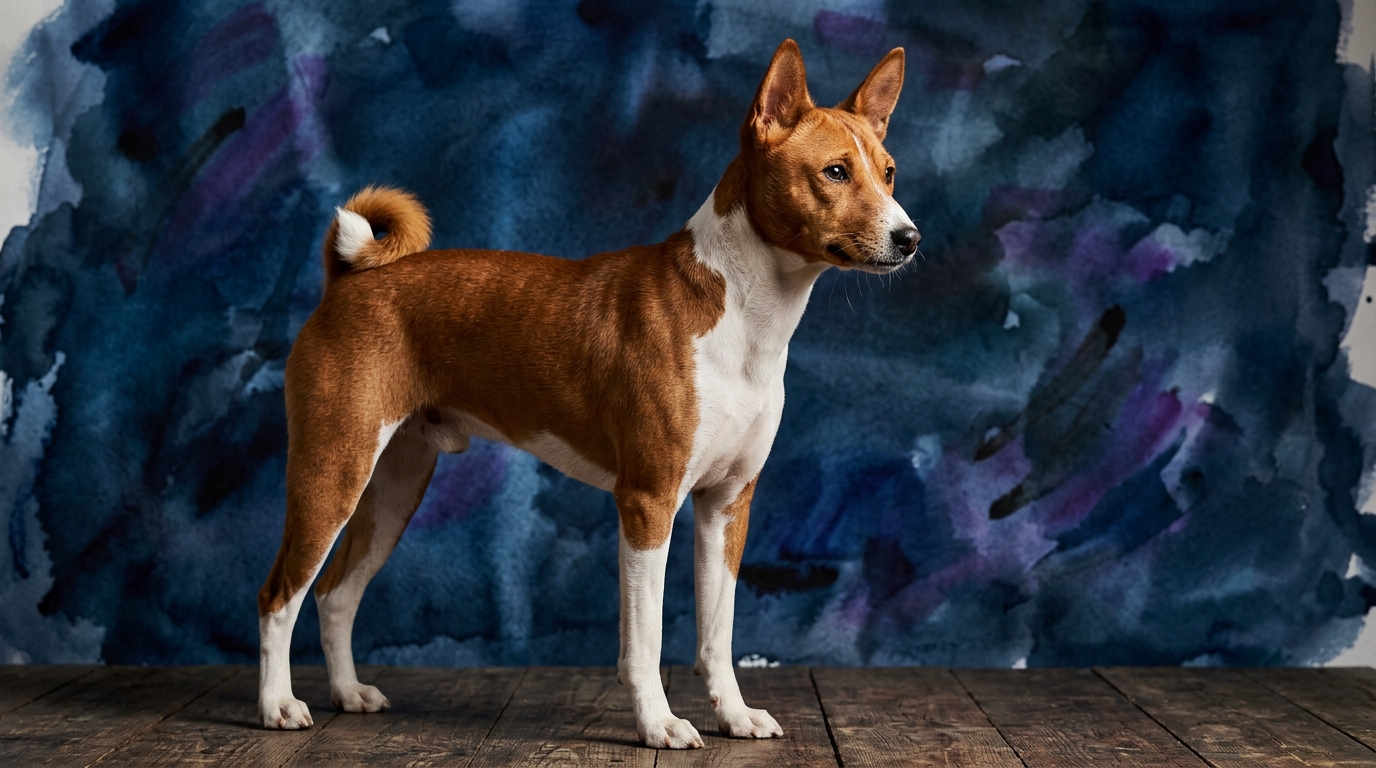
**Basenji (Hound, Coren rank #78)**: These hounds present a unique cognitive blueprint, often characterized by their independent spirit. Their **Problem Solving (5/5)** capabilities are exceptional, indicating a profound capacity for analytical thought and inventive solutions to environmental challenges. However, their **Training Speed (1/5)** is notably low, reflecting a strong will and a preference for independent action over human directives. In **Social Intelligence (3/5)**, Basenjis are moderately aware, forming deep bonds but often reserved with outsiders. Their **Instinctive Drive (5/5)** is incredibly high, fueling their keen senses and persistent curiosity, while their **Memory (4/5)** is impressive, allowing them to recall complex sequences and experiences with clarity.
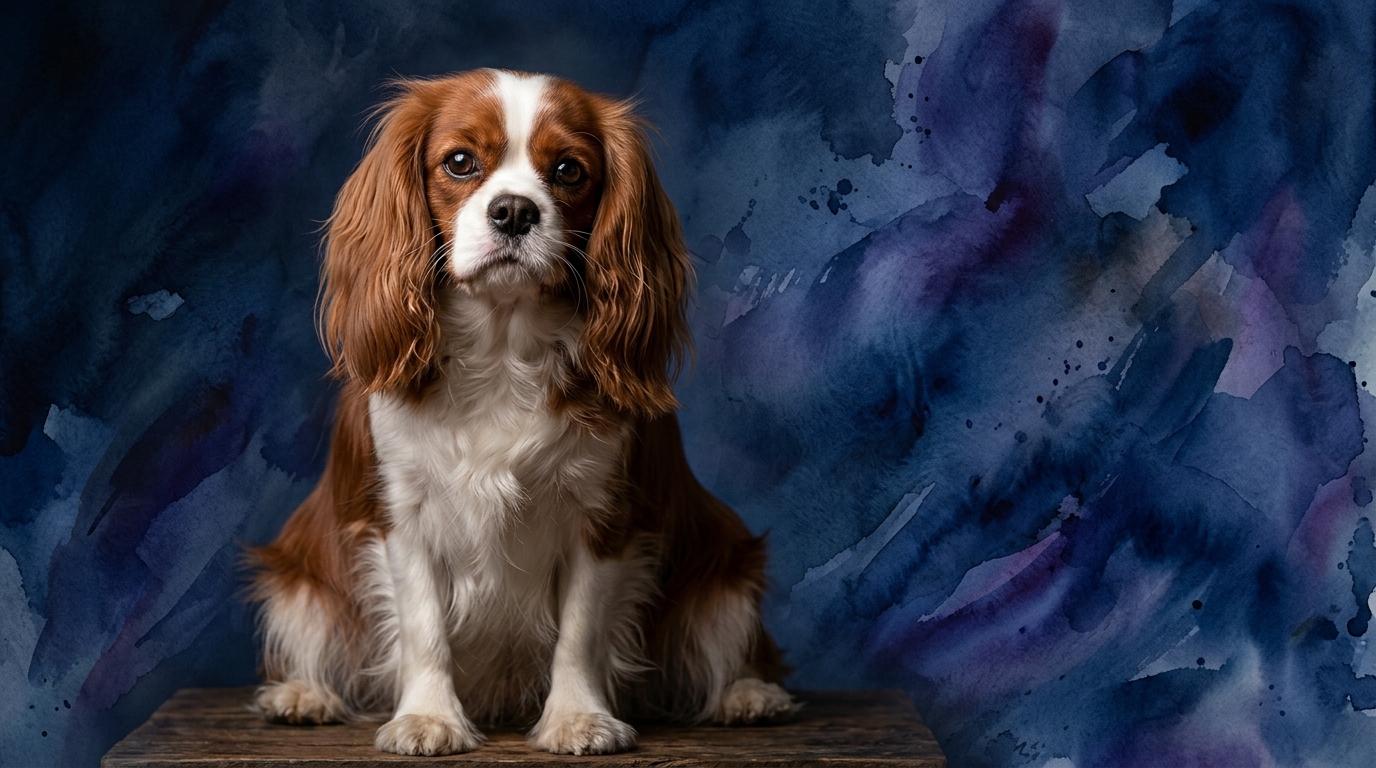
**Cavalier King Charles Spaniel (Toy, Coren rank #44)**: Cavaliers offer a contrasting cognitive profile, heavily weighted towards companionship. Their **Problem Solving (3/5)** ability is moderate; they can navigate common issues but may not display the same inventive ingenuity as a Basenji. Their **Training Speed (3/5)** is also moderate, as they are eager to please but can be easily distracted. Where they truly excel is in **Social Intelligence (5/5)**, demonstrating an intuitive understanding of human emotions and a profound desire for connection. Their **Instinctive Drive (3/5)** is moderate, present but typically focused on interaction rather than intense hunting. Finally, their **Memory (3/5)** is moderate, allowing them to remember routines and faces effectively, though perhaps not with the same detail as a Basenji.
Where the Basenji Wins Cognitively
The Basenji's cognitive strengths primarily lie in their exceptional **problem-solving prowess (5/5)** and robust **instinctive drive (5/5)**. These hounds are veritable escape artists and ingenious strategists, capable of independently figuring out how to open doors, access forbidden areas, or outsmart perceived obstacles. This isn't about simple obedience, but a deep-seated capacity for analytical thought and creative execution. Their high instinctive drive means they are perpetually curious, driven to explore, and keenly aware of their surroundings, translating into an active engagement with the world around them. Furthermore, their **memory (4/5)** is impressive, allowing them to recall complex sequences of events or spatial layouts, which significantly aids their problem-solving efforts and ability to learn from past experiences, even if those experiences aren't always what their human companions intended. They remember what works for them, which often means remembering how to get what they want.
Where the Cavalier King Charles Spaniel Wins Cognitively
The Cavalier King Charles Spaniel truly shines in **social intelligence (5/5)**, making them exceptional companions. They possess an almost uncanny ability to read and respond to human emotions, offering comfort or seeking interaction precisely when needed. This profound social acumen allows them to integrate seamlessly into family life, understanding nuances in tone, body language, and routine. Their moderate **training speed (3/5)**, while not top-tier, is still effective because it's coupled with a strong desire to please and a high motivation for positive social interaction. Unlike the independent Basenji, a Cavalier’s motivation for learning is often rooted in strengthening their bond with their human, making them responsive to praise and affection. Their overall cognitive profile is geared towards harmonious coexistence, prioritizing emotional connection and adaptability within a social structure over independent exploration or complex problem-solving.
Which is Easier to Train and Why
Between the two, the Cavalier King Charles Spaniel is demonstrably easier to train due to their superior **social intelligence (5/5)** and moderate **training speed (3/5)**. Cavaliers are inherently eager to please their human companions, finding motivation in positive reinforcement, praise, and the strengthening of their bond. Their cognitive makeup means they are attuned to human cues and genuinely wish to cooperate, making them responsive to commands and consistent routines. They absorb basic obedience with steady progress, driven by a desire for harmonious interaction.
Conversely, the Basenji presents a significant training challenge, scoring a meager **1/5 in training speed**. This isn't because they lack the capacity to understand commands; rather, their profound **problem-solving (5/5)** and **instinctive drive (5/5)**, coupled with a more independent social nature, mean they often prioritize their own agenda. A Basenji might understand a command perfectly but choose not to execute it if they perceive a more interesting or self-serving alternative. Their hound heritage makes them follow scents and impulses with unwavering focus, making recall particularly difficult in stimulating environments. Training a Basenji requires immense patience, creativity, and a deep understanding of their independent spirit, often feeling more like negotiation than instruction.
Which Suits Active Owners vs. Relaxed Owners
For **active owners** seeking a partner in adventure and mental challenge, the Basenji is the clear choice. Their **instinctive drive (5/5)** demands regular, vigorous exercise and mental stimulation, thriving on activities like lure coursing, agility, or extensive hiking where their natural curiosity and tracking abilities can be engaged. Owners who appreciate a dog with an independent, clever mind and are prepared to channel its formidable problem-solving skills into constructive outlets will find a rewarding companion. They are not content to be couch potatoes; their need for exploration and mental engagement means they require an owner who actively facilitates an exciting, structured life to prevent boredom-induced mischief.
For **relaxed owners** who prioritize companionship and a calm household presence, the Cavalier King Charles Spaniel is ideally suited. Their gentle nature and exceptional **social intelligence (5/5)** make them content with moderate daily walks and ample cuddle time on the sofa. They thrive on being close to their human family, finding joy in shared quiet moments and gentle play. Owners who desire a dog that is easily integrated into a relaxed lifestyle, seeks affection, and provides unwavering emotional support will find the Cavalier a perfect match. Their moderate **instinctive drive (3/5)** means they are less prone to independent escapades and more inclined to remain close by, making them wonderful companions for those with a less demanding, more sedentary routine.
The Verdict
Opt for a Basenji if you are an experienced, active owner seeking a clever, independent companion for mental and physical challenges, prepared for a rewarding but demanding training journey.
Select a Cavalier if you desire an affectionate, adaptable companion who thrives on social interaction and a relaxed home environment, prioritizing emotional connection over intense activity.
🧠 Find Your Pet's IQ Score
Our Pet IQ Lab assessment covers 25+ tests across 5 cognitive dimensions — personalized to your breed.
Take the Full IQ Test →Frequently Asked Questions
Are Basenjis truly 'barkless' dogs?
Basenjis are often called the 'barkless dog' because they don't bark in the conventional sense. Instead, they produce a unique yodel-like sound, along with growls and whimpers, which is a distinctive part of their vocal repertoire.
Do Cavalier King Charles Spaniels require a lot of grooming?
Cavaliers have a medium-length coat that benefits from regular brushing several times a week to prevent mats and tangles, along with occasional trims around their paws and ears. They are not high-maintenance, but consistent grooming keeps their coat healthy.
Which breed is better with children?
The Cavalier King Charles Spaniel, with its high social intelligence and gentle nature, generally adapts better to households with children, often forming affectionate bonds. Basenjis can be good with older, respectful children but may be less tolerant of boisterous or unpredictable younger kids due to their more independent temperament.