Side-by-Side IQ Profile: Basenji vs. Chow Chow
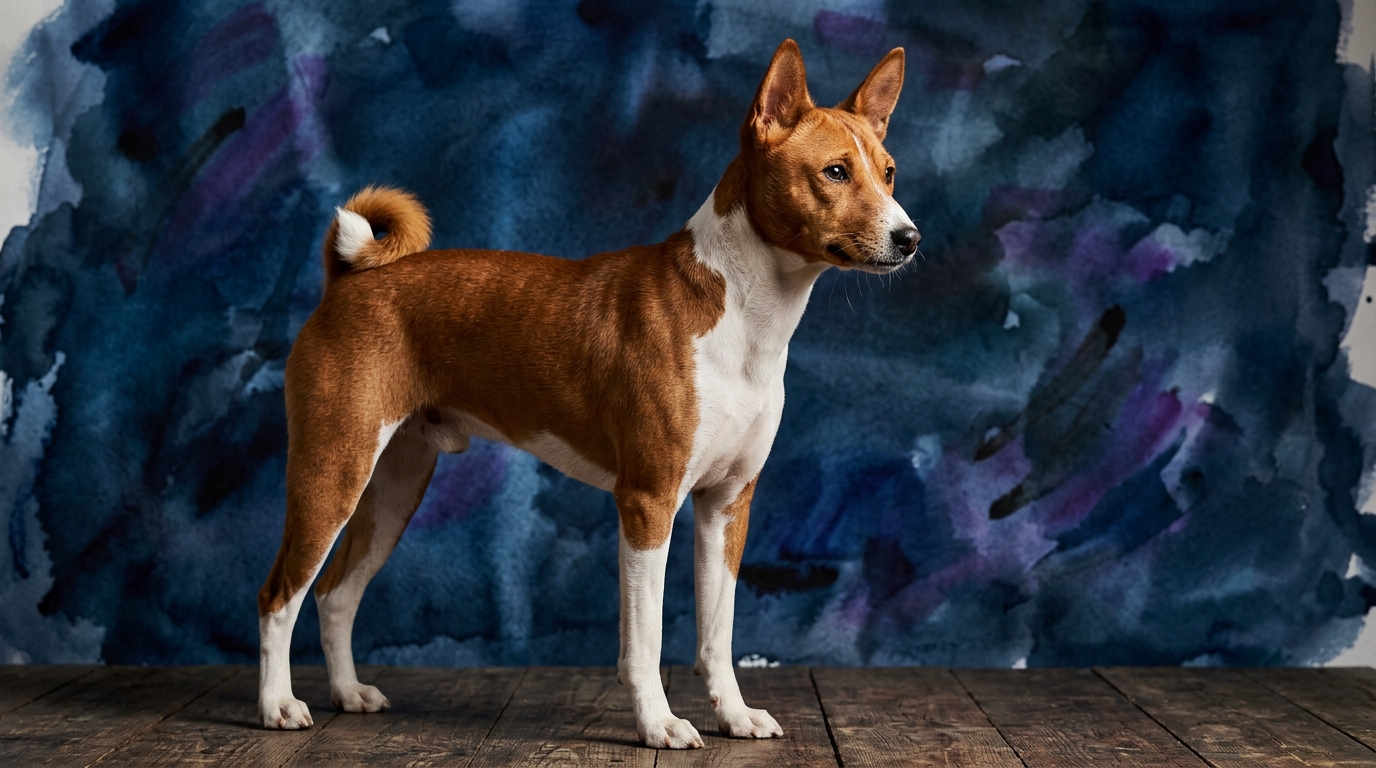
The Cosmic Pet Pet IQ Lab employs a multi-dimensional approach to assess canine cognition, moving beyond simplistic notions of "smartness." For the Basenji, a Hound group member with a Coren rank of #78, its profile paints a picture of an independent thinker driven by instinct. It scores an impressive 5/5 in Problem Solving, indicating a strong capacity for independent thought and figuring out complex situations. However, its Training Speed is a mere 1/5, suggesting a significant challenge in traditional obedience. Social Intelligence sits at a moderate 3/5, implying it can form bonds but might not always prioritize human direction. Instinctive Drive is exceptionally high at 5/5, reflecting its deep-seated hunting heritage, while Memory is robust at 4/5, allowing it to retain information effectively.
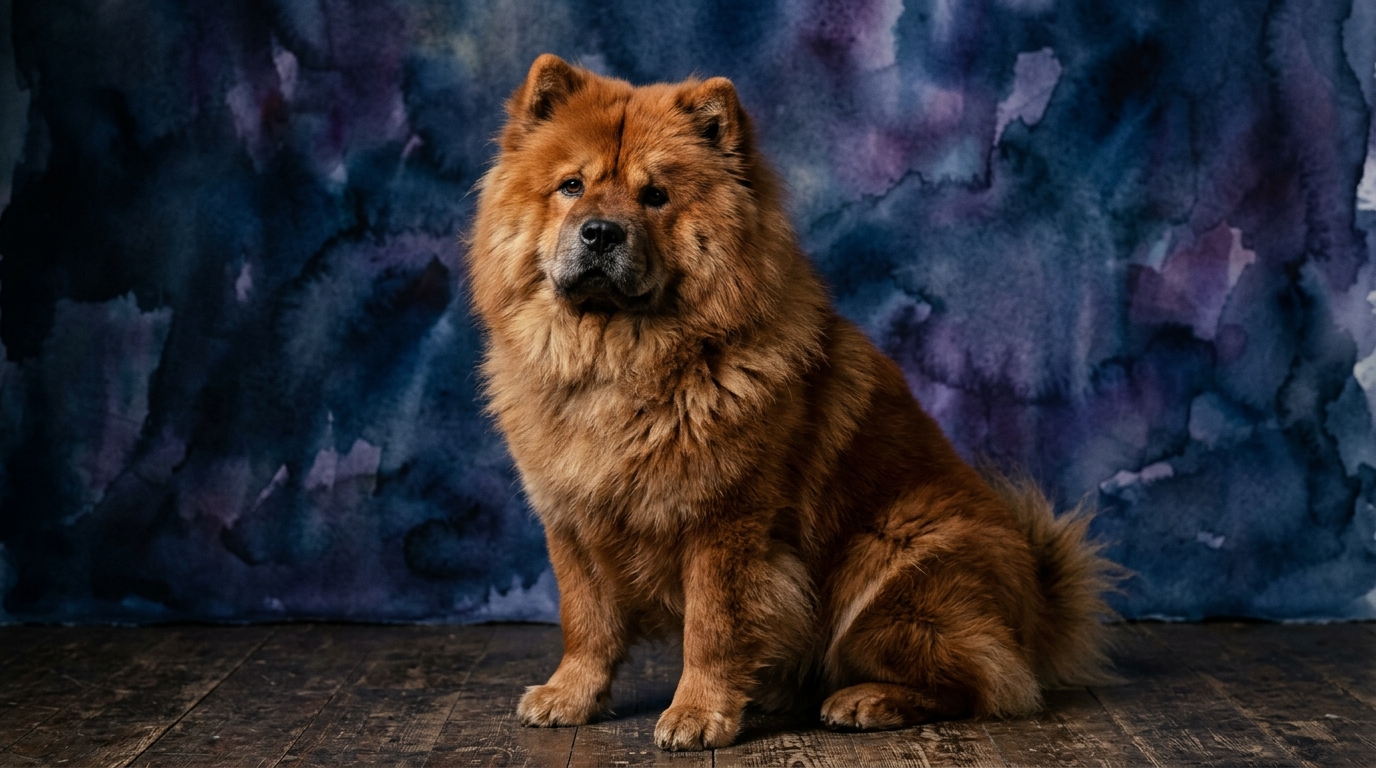
In contrast, the Chow Chow, a Non-Sporting breed ranked #76 by Coren, presents a more uniformly moderate cognitive landscape. Its Problem Solving ability is rated 3/5, indicating a respectable capacity for navigating challenges but perhaps less innovative independence than the Basenji. Training Speed is also 3/5, suggesting a more amenable nature to learning commands than its Basenji counterpart, albeit still requiring patience. Social Intelligence matches the Basenji at 3/5, indicating a similar potential for connection but often expressed with dignified reserve. Instinctive Drive is 3/5, a balanced score that suggests a less overwhelming primal urge compared to the Basenji, and its Memory also stands at 3/5, showing a solid ability to recall past experiences and learned behaviors.
Where the Basenji Wins Cognitively
The Basenji undeniably shines in specific cognitive domains, particularly its Problem Solving (5/5) and Instinctive Drive (5/5). This breed possesses an exceptional ability to analyze situations and devise solutions independently. Owners frequently recount tales of Basenjis manipulating latches, opening doors, or creatively navigating obstacles to achieve their desires, whether it’s accessing food or exploring forbidden areas. This isn't mere mischief; it's a demonstration of sophisticated cognitive planning and execution, often aimed at self-serving goals rather than human-directed tasks. Their remarkable Memory (4/5) further enhances this, allowing them to recall successful strategies and apply them to new challenges, making them adept at remembering escape routes or where hidden treats might be. The Basenji's profound Instinctive Drive means they are incredibly attuned to their environment, constantly processing sensory information related to prey, scents, and potential adventures. This drive fuels their independent problem-solving, as they are intrinsically motivated to pursue these primal urges, making them unparalleled in tasks requiring autonomous decision-making in natural settings.
Where the Chow Chow Wins Cognitively
While the Basenji excels in independent problem-solving, the Chow Chow demonstrates a cognitive edge in areas that prioritize a more measured, cooperative learning approach. The Chow Chow's Training Speed score of 3/5 significantly outpaces the Basenji's 1/5, indicating a greater willingness and capacity to absorb and respond to human-initiated commands. This doesn't imply an eagerness to please, but rather a more receptive mental framework for structured learning. Their moderate Social Intelligence (3/5) plays a role here; while independent, they can form strong, respectful bonds with their chosen humans, making them more inclined to engage in a partnership during training sessions. Furthermore, their lower Instinctive Drive (3/5 compared to Basenji's 5/5) means they are less likely to be overwhelmingly distracted by primal urges, allowing for better focus during directed tasks. Their balanced cognitive profile, with 3/5 across problem-solving, training speed, social intelligence, instinctive drive, and memory, suggests a more predictable and consistent mental disposition, which can be a significant advantage for owners who value steady progress and a less volatile cognitive landscape in their companion.
Which is Easier to Train and Why
When it comes to ease of training, the Chow Chow (Training Speed 3/5) presents a more manageable experience than the Basenji (Training Speed 1/5). The Chow Chow, while famously independent and possessing a dignified aloofness, can be trained effectively with consistent, positive reinforcement methods. Their moderate training speed means they will learn, but it requires patience, clear communication, and a strong, respectful bond. They respond best to owners who establish themselves as calm, confident leaders, without resorting to harshness, which they will simply ignore. Their 3/5 social intelligence allows for a working partnership, where they will comply out of respect and understanding, rather than an overwhelming desire to please.
The Basenji, on the other hand, presents a formidable challenge for even experienced trainers due to its 1/5 Training Speed. Their high Problem Solving (5/5) and Instinctive Drive (5/5) mean they are constantly evaluating whether a command serves their own interests. They understand commands perfectly well; the issue isn't comprehension but compliance. A Basenji might learn "sit" in a single session but will only sit if they perceive a benefit or if it doesn't interfere with a more pressing instinctual urge, like chasing a squirrel. Their high memory (4/5) means they recall past training, but also past attempts to "negotiate" or ignore commands. Training a Basenji requires immense creativity, making it feel like a game, and leveraging their natural drives rather than trying to suppress them. Their independent nature, rooted in their primitive hunting background, means they are wired to make their own decisions, often viewing human commands as suggestions.
Which Suits Active Owners vs. Relaxed Owners
The choice between a Basenji and a Chow Chow also depends heavily on an owner's lifestyle and activity level. The Basenji, with its incredibly high Instinctive Drive (5/5) and Problem Solving (5/5), is unequivocally suited for active owners. This breed requires extensive physical exercise, including opportunities for running, exploring, and engaging in stimulating activities like scent work or agility. Their boundless energy and cognitive drive mean they need outlets for both their bodies and their minds. A Basenji confined to a sedentary lifestyle will quickly become bored, leading to destructive behaviors, escape attempts, and general frustration stemming from their unmet cognitive and physical needs. Owners must be prepared to dedicate significant time daily to structured exercise and mental enrichment.
The Chow Chow, while not a couch potato, generally suits more relaxed owners who can still commit to consistent, moderate activity. Their Instinctive Drive of 3/5 suggests they are less driven by primal urges to constantly explore or hunt. They appreciate routine walks and opportunities to patrol their territory but are not typically candidates for marathon running or intense, prolonged physical exertion. What they do require, however, is mental engagement through consistent training and socialisation, even if their physical activity is moderate. A Chow Chow thrives in an environment where they have a secure space, regular companionship, and a predictable routine. They are content with a quiet presence, making them suitable for individuals or families who prefer a more sedate pace but are still dedicated to providing thoughtful care and mental stimulation.
The Verdict
Choose a Basenji if you are an experienced, active owner who thrives on a cognitive challenge, appreciates an independent thinker, and can provide extensive mental and physical enrichment for a dog that will always keep you on your toes.
Choose a Chow Chow if you seek a dignified, loyal, and independent companion who values a quiet presence, and you are prepared for consistent, respectful training to foster a strong bond with a moderately active, but deeply devoted, canine friend.
🧠 Find Your Pet's IQ Score
Our Pet IQ Lab assessment covers 25+ tests across 5 cognitive dimensions — personalized to your breed.
Take the Full IQ Test →Frequently Asked Questions
Is a Basenji smarter than a Chow Chow?
While Basenjis excel in problem-solving and instinctive drive, Chow Chows demonstrate better training speed and a more balanced cognitive profile, making direct "smarter" comparisons nuanced and dependent on the specific cognitive task.
Which breed is more independent, Basenji or Chow Chow?
Both breeds are known for their independence. Basenjis display this through their high problem-solving and instinctive drive, often preferring to act on their own initiatives, while Chow Chows exhibit a dignified aloofness and a strong sense of self-reliance.
How do their Coren ranks compare for intelligence?
The Coren rank places the Chow Chow slightly higher at #76 compared to the Basenji at #78, indicating the Chow Chow is marginally more amenable to obedience training based on Coren's methodology, though this doesn't capture the full spectrum of their cognitive abilities.