Side-by-Side IQ Profile: Basenji vs. German Pinscher
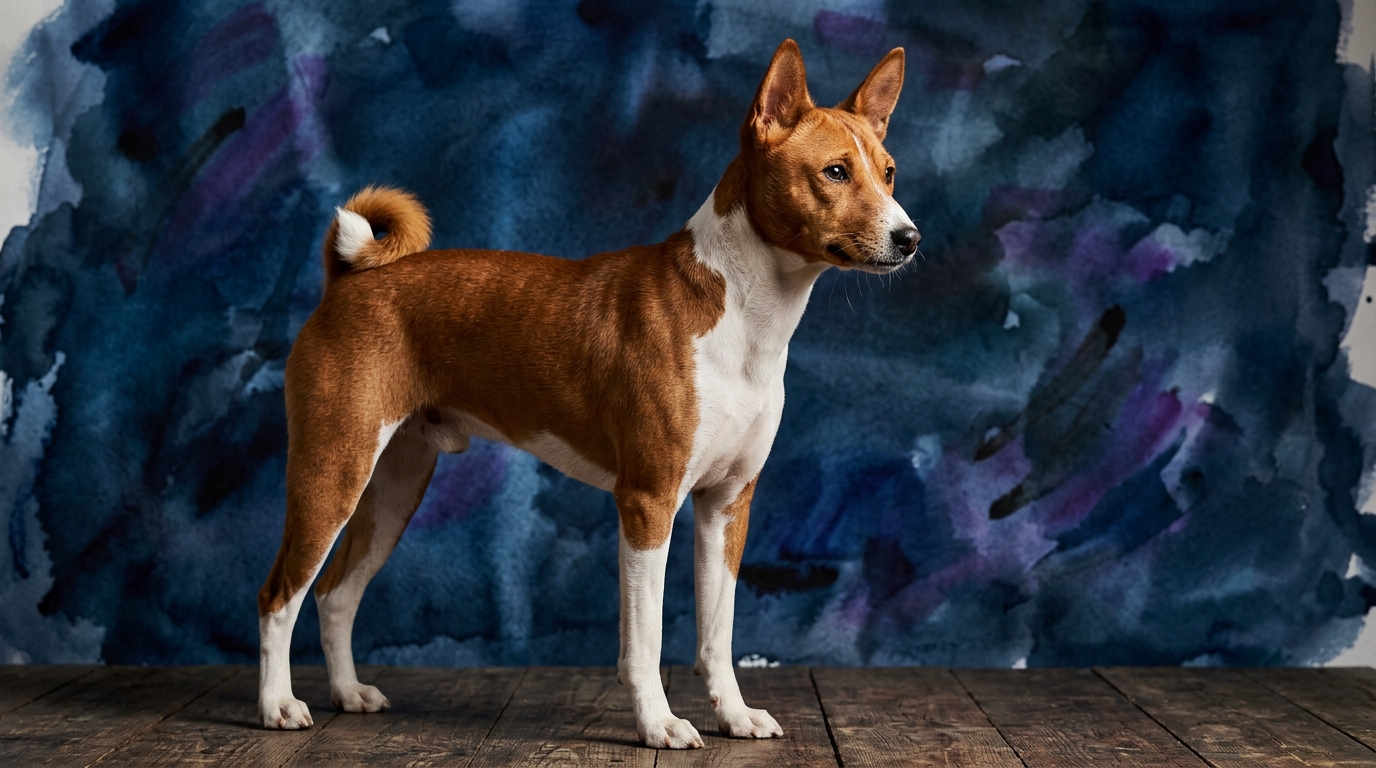
At The Cosmic Pet Pet IQ Lab, we assess canine intelligence across five key dimensions, providing a granular view beyond simple 'smartness.' For the Basenji, a breed often described as cat-like in its self-sufficiency, its profile is distinctly skewed towards independent thought and action. Its Problem Solving score stands at an impressive 5/5, reflecting a breed that readily devises its own solutions, sometimes to the chagrin of its human companions. Training Speed, however, is a modest 1/5, indicating a strong will and a disinterest in repetitive, human-driven tasks. Social Intelligence is rated 3/5, suggesting they can form bonds but often prefer a degree of personal space. The Instinctive Drive is a powerful 5/5, underpinning their heritage as sighthounds with an intense prey drive and an inherent understanding of their environment. Finally, their Memory is a robust 4/5, meaning they retain learned behaviors and environmental cues with notable clarity, which can be both a blessing and a challenge for owners.
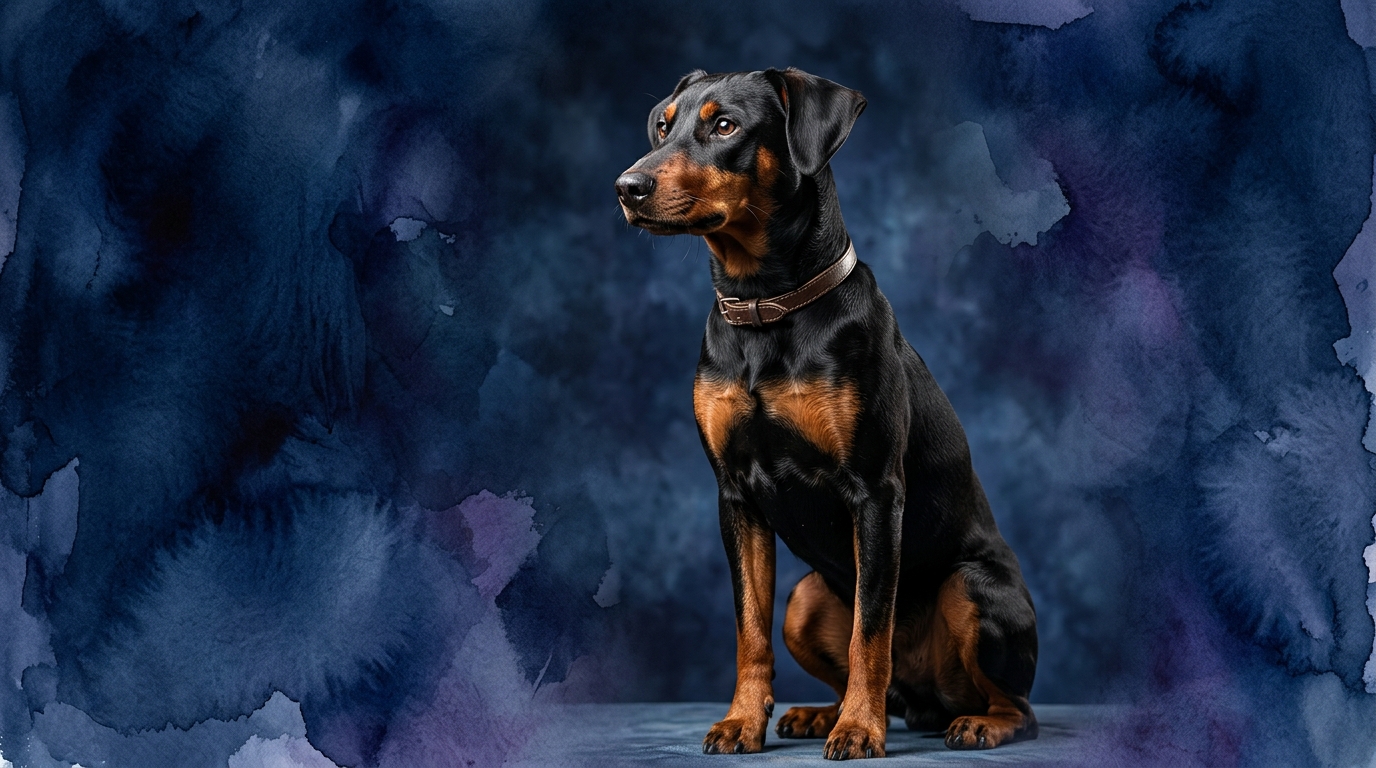
The German Pinscher, while lacking a Coren rank, presents a more balanced and versatile cognitive profile according to our Lab's assessment. Its Problem Solving score is 3/5, indicating a capable mind that can navigate challenges, though perhaps not with the same inventive flair as the Basenji. Training Speed is a solid 3/5, suggesting an eagerness to learn and respond to instruction, making them more pliable in structured training environments. Social Intelligence matches the Basenji at 3/5, pointing to an ability to connect with humans and other animals, but often with a watchful or protective inclination. Instinctive Drive is also 3/5, present enough to make them alert and engaged, but generally more manageable than the Basenji's intense focus. Their Memory, at 3/5, indicates they remember lessons and experiences adequately, without the exceptional recall that might lead to revisiting past 'misadventures' quite as vividly as a Basenji.
Where the Basenji Excels Cognitively
The Basenji's cognitive strengths lie in its exceptional ability to independently analyze and resolve complex situations. Its 5/5 Problem Solving score means this breed isn't waiting for direction; it's actively figuring out how to open a gate, reach a forbidden treat, or navigate an escape route. This isn't just about cunning; it’s a deep-seated capacity for adaptive thinking, born from centuries of independent hunting. Coupled with a 5/5 Instinctive Drive, Basenjis possess an innate understanding of their environment and their place within it, often anticipating events or reacting to stimuli with a primal efficiency that can seem almost clairvoyant.
Furthermore, the Basenji's 4/5 Memory score is a significant asset in its problem-solving repertoire. They quickly learn the layout of their surroundings, remember where resources are located, and crucially, recall which strategies worked (or didn't work) in past attempts to achieve their goals. This combination of independent problem-solving, strong instinctive reactions, and reliable memory makes the Basenji a master of self-sufficiency, capable of navigating a world with minimal human intervention – a trait that can be both admirable and, at times, exasperating for an owner trying to enforce rules.
Where the German Pinscher Shows Cognitive Advantage
The German Pinscher’s cognitive advantages stem from its balanced profile, particularly its more amenable Training Speed. While not scoring the extremes of the Basenji, its 3/5 Training Speed indicates a dog that is generally more receptive to learning from human instruction and repetition. This willingness to engage in cooperative learning makes them far more adaptable to various roles and environments where human partnership is key, from obedience sports to family companionship. Their moderate Instinctive Drive (3/5) ensures they are alert and engaged without being overwhelmingly focused on independent pursuits, allowing for easier redirection and focus on tasks set by their owner.
In contrast to the Basenji's independent problem-solving, the German Pinscher's 3/5 Problem Solving score suggests they are capable learners who can apply learned solutions to new situations, rather than constantly inventing novel approaches. This makes them more predictable and less prone to devising 'creative' ways around rules. Their consistent 3/5 in Social Intelligence and Memory also means they form reliable bonds and retain training without the stubbornness that can accompany the Basenji's intense self-reliance, making them a more straightforward and cooperative partner in daily life.
Which is Easier to Train and Why
Based on The Cosmic Pet Pet IQ Lab's metrics, the German Pinscher is unequivocally the easier breed to train. The core reason lies in its 3/5 Training Speed, which signals a readiness to absorb and apply human instruction. German Pinschers generally possess a desire to please and a focus that allows them to engage effectively in structured training sessions. Their balanced Instinctive Drive means they can be motivated by rewards and positive reinforcement without being constantly distracted by overwhelming primal urges, making them responsive to commands and consistent in their performance.
The Basenji, with its 1/5 Training Speed, presents a far greater challenge. This low score isn't an indicator of lack of cognitive capacity, but rather a profound independence and a disinterest in performing tasks simply because a human requests it. Their 5/5 Problem Solving ability means they are constantly evaluating situations and often deciding if a command aligns with their own objectives. If a Basenji perceives a more interesting alternative or deems a task pointless, its strong will and deep-seated independence will lead it to ignore or circumvent instructions. Training a Basenji requires immense patience, creativity, and a deep understanding of canine motivation, often feeling more like negotiation than instruction, whereas a German Pinscher generally approaches training as a cooperative endeavor.
Suitability for Active vs. Relaxed Owners
The Basenji's cognitive profile, particularly its high Instinctive Drive (5/5) and Problem Solving (5/5), makes it an ideal companion for highly active owners who can provide consistent mental and physical stimulation. This breed thrives on opportunities to use its keen senses and independent thinking. Owners who enjoy engaging in activities like lure coursing, scent work, or extensive hiking, and who appreciate a dog that explores and investigates its environment with vigor, will find the Basenji a fulfilling match. A relaxed owner, unable to meet these needs, would likely find themselves with a bored Basenji prone to destructive problem-solving, such as devising escapes or creating its own entertainment.
The German Pinscher, with its more balanced cognitive scores (3/5 across most dimensions), is suitable for active owners who appreciate a versatile and engaged companion, but also adaptable enough for owners with a moderately active lifestyle. While they require regular exercise and mental engagement to prevent boredom, their needs are generally less intense and less demanding of constant innovative problem-solving opportunities than the Basenji. Their higher Training Speed also means they can be more easily integrated into various family activities and routines, making them a good fit for owners who want an active dog but also value a cooperative and biddable temperament for quieter moments at home.
The Verdict
Choose the Basenji if you are an experienced, highly active owner who values an independent, problem-solving companion and is prepared for significant training challenges rooted in a strong will.
Opt for the German Pinscher if you desire a versatile, trainable, and engaged companion for an active lifestyle, seeking a dog that is cooperative and adapts well to various family dynamics.
🧠 Find Your Pet's IQ Score
Our Pet IQ Lab assessment covers 25+ tests across 5 cognitive dimensions — personalized to your breed.
Take the Full IQ Test →Frequently Asked Questions
Are Basenjis truly difficult to train?
Basenjis are not difficult because they lack cognitive capacity; rather, their 1/5 Training Speed reflects a profound independence and a tendency to prioritize their own agenda over human commands. They learn quickly but often choose whether or not to apply what they've learned, requiring very patient and creative training approaches.
Do German Pinschers require a lot of mental stimulation?
German Pinschers, with their balanced 3/5 Problem Solving and Instinctive Drive, do require consistent mental stimulation to prevent boredom and destructive behaviors. While not as intensely independent as a Basenji, they thrive on training, puzzle toys, and engaging activities that challenge their moderate intellect.
Which breed is better for a first-time dog owner?
For a first-time dog owner, the German Pinscher is generally the more suitable choice due to its higher Training Speed and more cooperative nature. The Basenji's extreme independence and training challenges typically require an experienced owner who understands and appreciates its unique cognitive makeup.