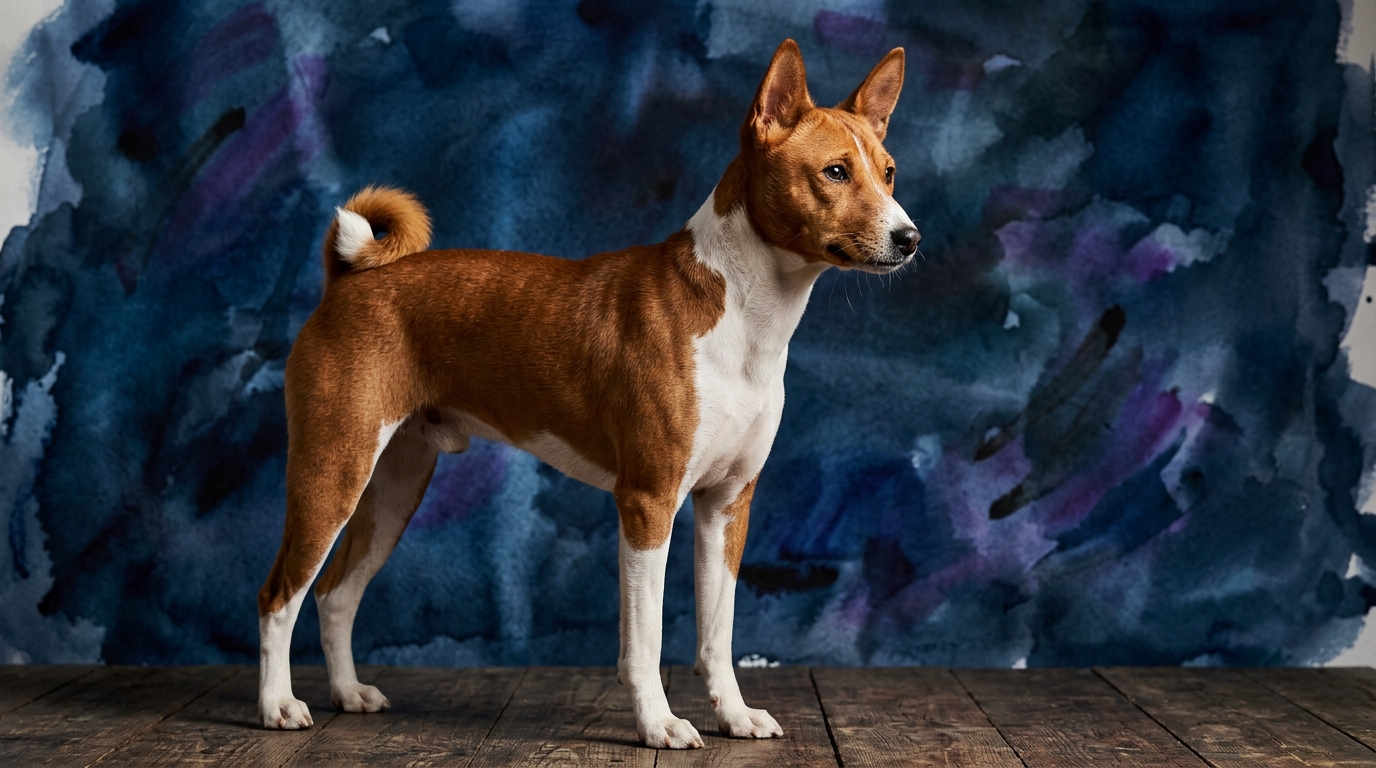
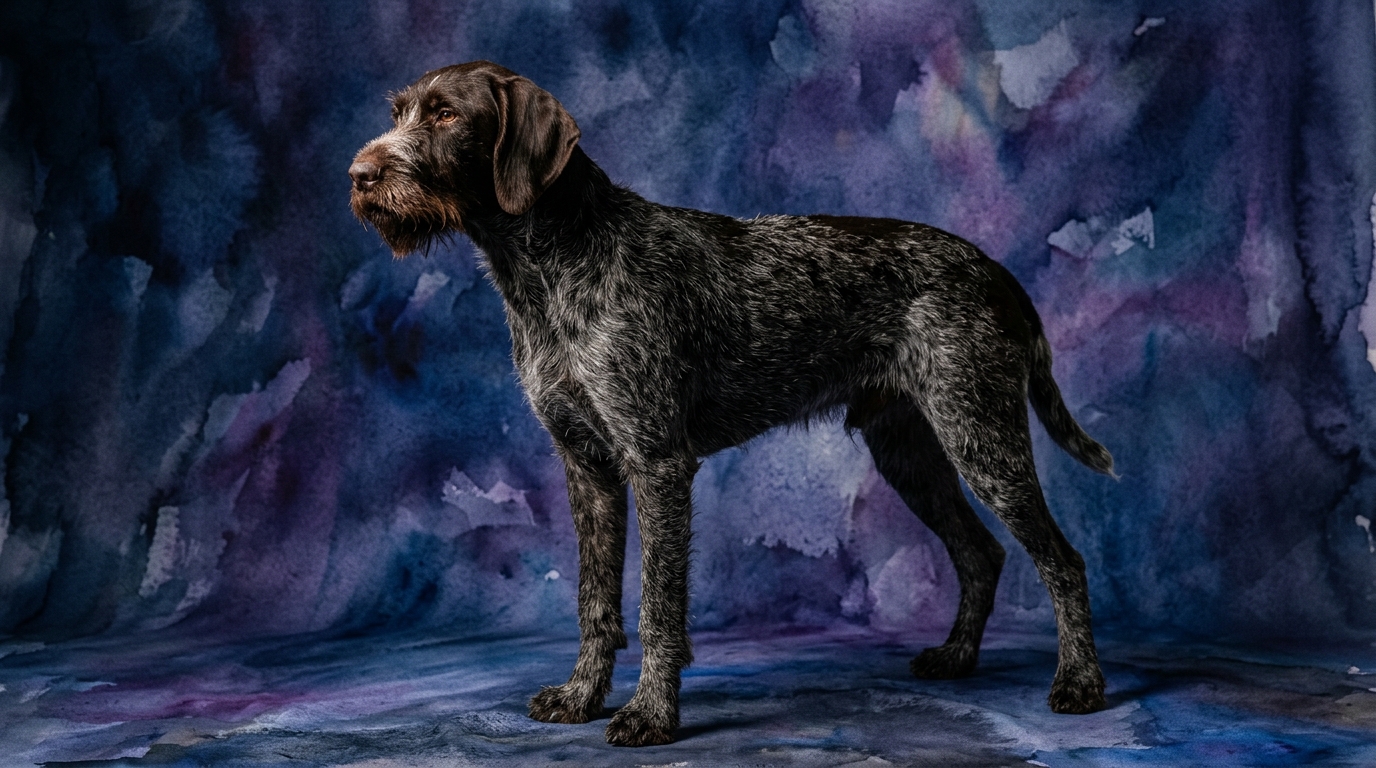
Side-by-Side IQ Profile: Basenji vs. German Wirehaired Pointer
The Basenji, hailing from Central Africa, carries a unique cognitive signature. Their Problem Solving is rated a remarkable 5/5, indicating an exceptional capacity for independent thought and devising creative solutions to environmental challenges. This often manifests as self-sufficiency, which can sometimes appear as stubbornness to their human companions. However, their Training Speed is a low 1/5; they are not inherently eager to please and require immense patience and innovative approaches to learning new commands. Social Intelligence stands at 3/5, meaning they form deep bonds but can be reserved and selective in their interactions, often preferring the company of their chosen few. Their Instinctive Drive is a powerful 5/5, reflecting a profound sighthound heritage with an intense desire to chase and explore. Finally, their Memory is strong at 4/5, enabling them to recall past experiences and learned patterns effectively, influencing their future choices.
In contrast, the German Wirehaired Pointer (GWP), a robust German hunting breed, exhibits a different set of cognitive strengths. Their Problem Solving is rated 4/5, showing a strong ability to tackle complex tasks, particularly those related to their working purpose, often preferring to collaborate with a handler. Their Training Speed is an impressive 4/5, indicating a quick grasp of new concepts and a general eagerness to learn and respond to direction. Social Intelligence is 3/5; GWPs are typically affable, forming strong family bonds, but their enthusiasm requires consistent guidance and socialization. Their Instinctive Drive is 3/5, a focused and manageable hunting drive that, while present, is usually channeled effectively in field work rather than leading to indiscriminate pursuit. Their Memory matches the Basenji at 4/5, allowing them to retain training, routines, and past experiences with good fidelity, making them reliable partners.
Where the Basenji’s Mind Shines
The Basenji's cognitive prowess truly shines in its unparalleled independent Problem Solving, rated 5/5. Unlike many breeds that look to humans for cues, a Basenji is more inclined to assess a situation and devise its own strategy. This might involve figuring out how to open a seemingly secure cabinet, scale a fence, or outmaneuver a gate latch – often with remarkable ingenuity. This self-reliant cognitive style means they aren't merely following instructions; they are actively processing and innovating. Their powerful Instinctive Drive (5/5) is also a cognitive strength, manifesting as an acute awareness of their surroundings and an unyielding motivation to explore and engage with scents and movements. This deep-seated drive fuels their persistent curiosity and ability to focus intensely on self-assigned tasks like hunting or tracking.
This combination of high problem-solving and strong instinctive drive means a Basenji excels in environments where they are allowed to use their own initiative and intelligence. They thrive when presented with complex puzzles or scent work that taps into their innate drives, rather than purely repetitive obedience tasks. Their memory (4/5) further enhances this, allowing them to learn from past successes and and failures in their independent endeavors, continually refining their approach to navigating their world. They are acutely attuned to their environment and incredibly resourceful in pursuing their own interests, rather than just being "smart" in a human-centric way.
Where the German Wirehaired Pointer Excels Cognitively
The German Wirehaired Pointer’s cognitive strengths lie in its cooperative intelligence and rapid learning ability. With a Training Speed of 4/5, GWPs absorb new commands and routines with impressive efficiency, a stark contrast to the Basenji. This quick uptake stems from a strong desire to understand and work alongside their human companions, making them highly responsive pupils. Their Problem Solving, while slightly lower than the Basenji at 4/5, is often applied in a collaborative context, where they leverage their understanding of human cues to accomplish shared goals, particularly in field activities. They excel at deciphering complex command sequences and adapting behavior based on handler feedback, showcasing practical, applied intelligence.
A GWP’s moderate Instinctive Drive (3/5) is also a cognitive advantage in many contexts. It is strong enough to provide motivation for hunting and working, but typically more manageable and directed than the Basenji's intense, often solitary, drive. This allows their intelligence to be channeled productively into tasks like pointing, retrieving, and tracking under human guidance. Their good Memory (4/5) further supports their trainability, ensuring they retain learned behaviors and field strategies over time. This makes them exceptionally reliable partners in demanding situations, where consistency and quick, accurate responses are paramount. The GWP’s intelligence is geared towards partnership, making them outstanding candidates for performance sports, hunting, and other activities requiring a canine teammate.
Training Dynamics: Basenji vs. German Wirehaired Pointer
When it comes to ease of training, the German Wirehaired Pointer holds a clear advantage due to its cognitive profile. Their Training Speed of 4/5 means they are generally eager to learn and quick to grasp new concepts. This is coupled with a Social Intelligence that, while also 3/5, often manifests as a desire to engage and please their handler, making them highly receptive to positive reinforcement. They thrive on structured training sessions and respond well to consistent direction, quickly forming associations between commands and actions. Their Problem Solving (4/5) is often applied to figuring out what their human wants from them, rather than solely independent exploration, which significantly streamlines the training process.
The Basenji, on the other hand, presents a far more challenging training experience, primarily due to their 1/5 Training Speed and powerful 5/5 Problem Solving. A Basenji's mind is constantly working, not necessarily on pleasing its human, but on understanding its environment and its own objectives. They are not naturally inclined to obey commands simply because they are given; they will often weigh the command against their own perceived self-interest. This means training requires extraordinary patience, creativity, and a deep understanding of canine behavior. Repetitive drills can quickly bore a Basenji, leading to disengagement or defiance. Trainers must find ways to make learning intrinsically rewarding and to appeal to the Basenji's independent spirit, often through game-based learning or scent work that taps into their high Instinctive Drive. Their memory (4/5) means they remember both good and bad training experiences, so consistency and positive reinforcement are crucial to avoid creating negative associations with learning.
Ideal Owners: Active Engagement vs. Collaborative Partnership
Both the Basenji and the German Wirehaired Pointer require active owners, but the nature of that activity differs based on their cognitive makeup. An owner suited for a Basenji should appreciate a dog with a profound sense of self and a need for significant mental engagement. This isn't just about physical exercise, though they need plenty; it's about providing complex puzzles, secure environments that challenge their problem-solving skills without allowing escape, and outlets for their intense Instinctive Drive like lure coursing or advanced scent games. Owners must be prepared to be outsmarted occasionally and to approach training as a negotiation rather than a command-and-obey dynamic. They thrive with individuals who enjoy unraveling canine mysteries and providing consistent, firm, yet positive guidance.
The German Wirehaired Pointer, conversely, thrives with owners who seek a dedicated, collaborative partner for shared adventures. Their cognitive strengths make them excellent candidates for active lifestyles involving hiking, running, hunting, or dog sports like agility and obedience. Owners should be prepared to provide consistent training and socialization to channel their moderate Instinctive Drive and energetic nature. They need an owner who enjoys working *with* their dog, building a strong bond through mutual activity and clear communication. While active, their problem-solving and training speed mean they are more inclined to follow human leadership, excelling when given a job to do alongside their person.
The Verdict
Choose the Basenji if you are an experienced owner who cherishes an independent, resourceful canine mind and is prepared for the unique challenge of training a dog that thinks for itself. This breed is for those who find joy in understanding a truly distinct cognitive architecture and can provide ample mental stimulation to satisfy a potent instinctive drive.
Choose the German Wirehaired Pointer if you desire a responsive, enthusiastic, and collaborative canine partner for an active lifestyle, excelling in joint activities like hunting or dog sports. This breed thrives with owners who enjoy consistent training and appreciate a dog eager to work alongside them towards shared goals.
🧠 Find Your Pet's IQ Score
Our Pet IQ Lab assessment covers 25+ tests across 5 cognitive dimensions — personalized to your breed.
Take the Full IQ Test →Frequently Asked Questions
Are Basenjis difficult to live with due to their IQ profile?
Basenjis can be challenging due to their high independent problem-solving and low training speed, often leading to creative mischief if not adequately stimulated. Owners need patience, consistency, and a sense of humor to manage their independent spirit and strong instinctive drives.
Can a German Wirehaired Pointer adapt to apartment living?
While adaptable, a German Wirehaired Pointer’s cognitive profile and active nature mean they require significant daily physical exercise and mental engagement, making apartment living challenging without a dedicated owner committed to extensive outdoor activities. Their moderate instinctive drive needs an outlet.
Which breed is better for a first-time dog owner?
The German Wirehaired Pointer is generally a better choice for a first-time dog owner due to its higher training speed and eagerness to please, making the learning process more straightforward. The Basenji's independent problem-solving and challenging training speed make them better suited for experienced owners.