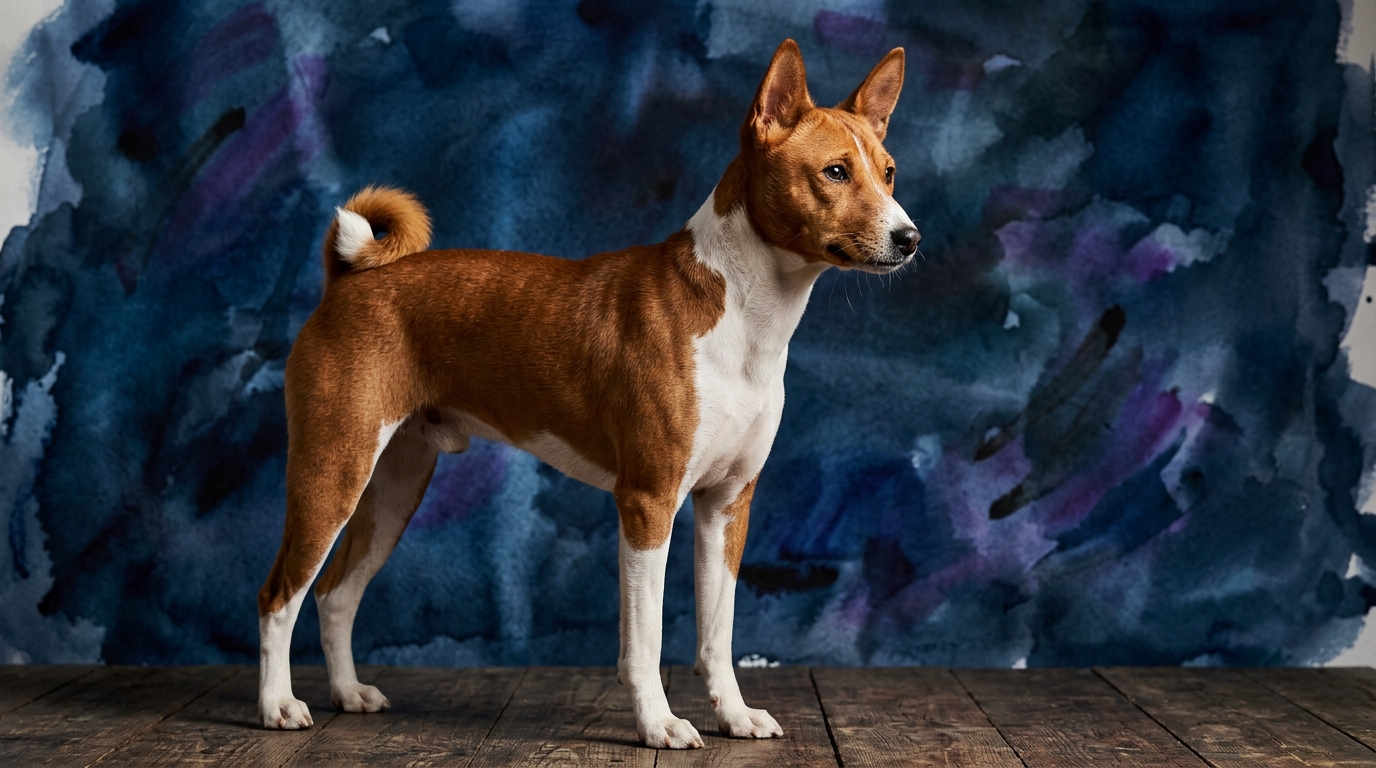
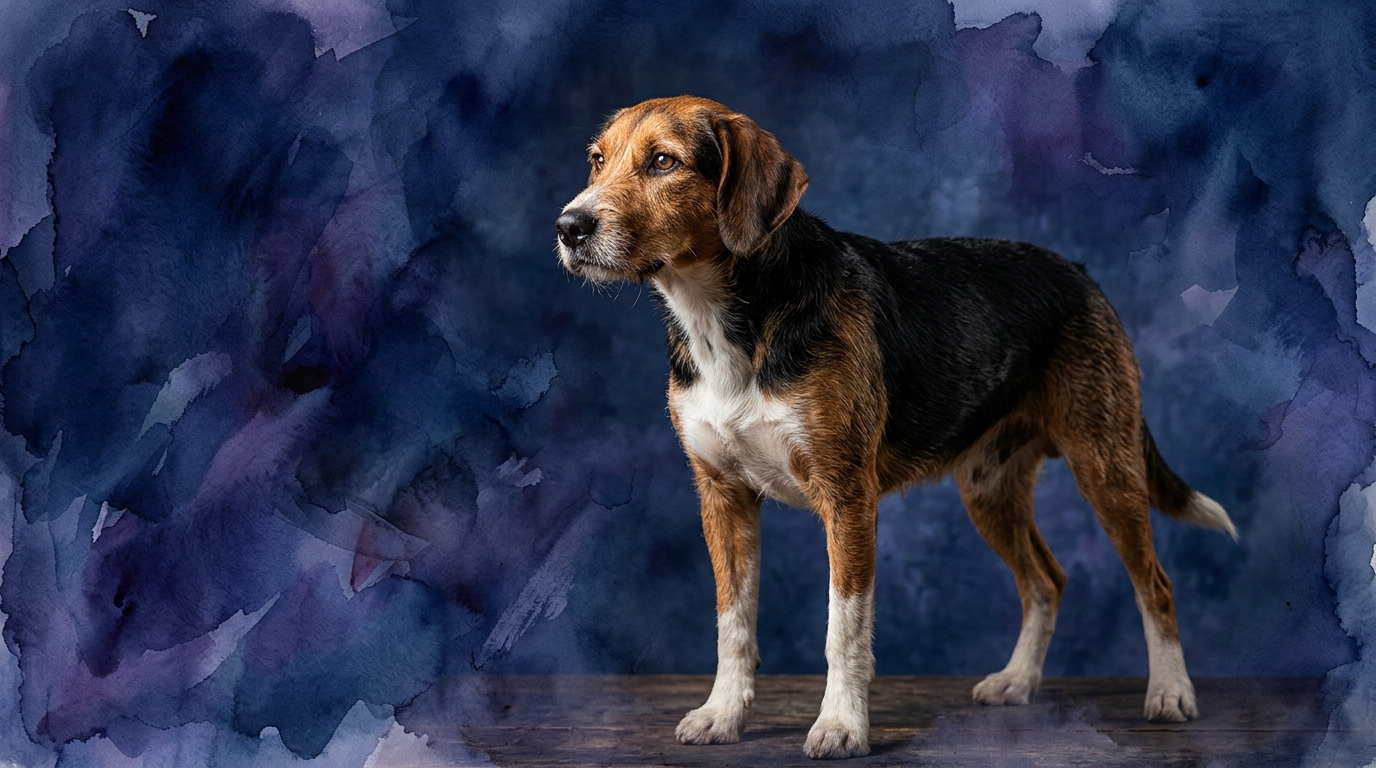
Side-by-Side Cognitive Profiles
The Cosmic Pet Pet IQ Lab assesses canine intelligence across five critical dimensions: problem solving, training speed, social intelligence, instinctive drive, and memory. These metrics offer a granular view into how a breed processes information, learns, and interacts with its environment, moving beyond generalized notions of 'smartness.' Understanding these specific scores helps illuminate the unique cognitive landscape of each dog.
The Basenji, a breed with a Coren ranking of #78, presents a compelling cognitive profile: an outstanding 5/5 in Problem Solving, indicating exceptional resourcefulness and independent thought. However, this ingenuity comes with a challenging 1/5 in Training Speed, reflecting their independent nature and often selective compliance. Their Social Intelligence is a moderate 3/5, typically forming strong bonds with a select few, while their Instinctive Drive soars at 5/5, demonstrating a powerful, self-directed motivation for activities like scenting and hunting. Their Memory is also robust at 4/5, enabling them to retain complex information and experiences.
In contrast, the Harrier, not Coren-ranked, offers a more balanced cognitive spread, largely centered around cooperative functionality. They score 3/5 in Problem Solving, indicating competent but less innovative thinking compared to the Basenji. Their Training Speed is a respectable 3/5, suggesting a more biddable and responsive learner. Social Intelligence mirrors the Basenji at 3/5, implying a generally amiable disposition within their family unit. Instinctive Drive is also 3/5, signifying a keen scenting ability and desire to pursue, but one that is more amenable to human direction. Their Memory is rated at 3/5, indicating an average capacity for retention.
Where the Basenji's Mind Shines
The Basenji's cognitive strengths are most pronounced in its extraordinary Problem Solving ability (5/5) and formidable Instinctive Drive (5/5). This combination makes them masters of independent thought and self-directed action. A Basenji's mind is constantly working to understand its environment, not necessarily to please a handler, but to achieve its own objectives, whether that's figuring out how to open a child-proof gate or strategizing to obtain a coveted treat from a seemingly secure location. Their resourcefulness can be astonishing, turning everyday household objects into mental puzzles they are determined to solve.
Their 5/5 Instinctive Drive fuels this problem-solving prowess, providing an intense internal motivation. This isn't merely about physical energy; it's a deep-seated desire to explore, track, and engage with the world on their own terms, often driven by scent. This powerful drive, coupled with their 4/5 Memory, means they are adept at remembering complex scent trails, past successful escapades, or the precise location of a forgotten toy, making them persistent and often successful in their self-appointed missions. While Coren's ranking system primarily measures 'working and obedience intelligence,' the Basenji's low rank is misleading if one only considers adaptive intelligence; they excel at figuring things out for themselves.
Where the Harrier's Cognition Excels
While the Basenji thrives on independent ingenuity, the Harrier's cognitive strengths lie in its balanced and cooperative nature, particularly evident in its Training Speed (3/5) compared to the Basenji's 1/5. This higher score indicates a significantly greater willingness and ability to learn and comply with human commands. Harriers possess a more malleable temperament, making them generally more responsive to traditional training methods and eager to engage in structured learning activities. Their moderate Problem Solving (3/5) means they are capable of understanding tasks without the same tendency for independent 'scheming' that can complicate Basenji training.
The Harrier's 3/5 Instinctive Drive, while still robust enough for scent work and outdoor activity, is less overwhelming and more manageable than the Basenji's intense drive. This moderation allows them to integrate their natural instincts within a cooperative framework, making them excellent partners for activities like hiking or tracking that involve human direction. Their balanced 3/5 in Social Intelligence and Memory further supports their role as a more amenable companion, capable of forming strong family bonds and remembering routines without the often-unpredictable independent streak of their Basenji counterparts.
Ease of Training: Behavioral Differences
When it comes to training, the Harrier is undeniably the easier breed to work with, a direct consequence of its 3/5 Training Speed compared to the Basenji's challenging 1/5. The Basenji's low training speed is not due to a lack of intelligence, but rather their inherent independence and powerful Problem Solving skills. A Basenji often sees a command not as an instruction to follow, but as a suggestion to consider, or even a problem to outwit. Their strong 5/5 Instinctive Drive means they are deeply motivated by their own internal compass, making them notoriously difficult to motivate for tasks that don't align with their self-interest or innate drives.
Harriers, on the other hand, derive from a lineage of pack hunters working closely with humans, which has fostered a more cooperative mindset. Their moderate 3/5 Instinctive Drive means they possess a desire to scent and pursue, but are typically more inclined to do so under human guidance. This inherent biddability, combined with their 3/5 Training Speed, translates into a dog that is generally more eager to please and more receptive to learning commands through positive reinforcement. While still hounds with a keen nose, their cognitive profile makes them significantly more predictable and manageable in a training environment, requiring less creative intervention to secure their compliance.
Matching Canine Cognition to Owner Lifestyles
For active owners who relish a mental challenge and appreciate a dog with profound independent thought, the Basenji is an intriguing match. Their 5/5 Problem Solving and 5/5 Instinctive Drive mean they require extensive mental stimulation beyond simple physical exercise. Owners must be prepared to engage their Basenji's mind with complex puzzles, scent work, and activities that allow them to channel their innate ingenuity and tracking abilities. A Basenji thrives with an owner who can anticipate their independent strategies and provide outlets for their intelligence, otherwise, their problem-solving skills might be applied to less desirable activities like escaping or counter-surfing.
Owners seeking a dog that is active but also more cooperative and generally easier to integrate into a structured routine might find the Harrier more suitable. While certainly not a relaxed, sedentary dog, their balanced cognitive profile (3/5 across most dimensions) means their activity needs are more straightforward. They require regular exercise to satisfy their moderate instinctive drive and maintain physical fitness, but their problem-solving tends to be less disruptive, and their higher training speed makes them more amenable to structured walks, group classes, or family outings. They are still hounds and enjoy outdoor adventures, but with a temperament that leans more towards collaborative engagement than the Basenji's highly individualistic approach.
The Verdict
Choose a Basenji if you seek a cognitively challenging companion, appreciate independent thought, and are prepared for a dog that requires creative, consistent engagement to channel its formidable problem-solving and instinctive drives.
Opt for a Harrier if you prefer a more biddable hound, valuing a cooperative learning partner with good stamina and a balanced cognitive profile that makes them generally easier to integrate into a family routine.
🧠 Find Your Pet's IQ Score
Our Pet IQ Lab assessment covers 25+ tests across 5 cognitive dimensions — personalized to your breed.
Take the Full IQ Test →Frequently Asked Questions
Is the Basenji truly difficult to train?
Yes, their 1/5 training speed rating stems from their deep-seated independence and strong problem-solving skills, meaning they often prioritize their own pursuits over human commands, requiring significant patience and creative motivation to encourage compliance rather than simply follow directives.
How does a Harrier's moderate instinctive drive manifest?
A Harrier's 3/5 instinctive drive means they possess a keen scenting ability and a desire to follow a trail, but they are generally more willing to cooperate with human direction compared to breeds with higher, more independent drives, making them good partners for controlled scent work.
Are Basenjis and Harriers good family dogs?
Both breeds can be good family dogs, though their social intelligence is rated at 3/5, suggesting they are generally amiable but might not be overly effusive; Basenjis often form strong bonds with one or two individuals, while Harriers are typically more broadly friendly and adaptable within a family unit.