Side-by-Side: Unpacking Basenji and Komondor IQ Profiles
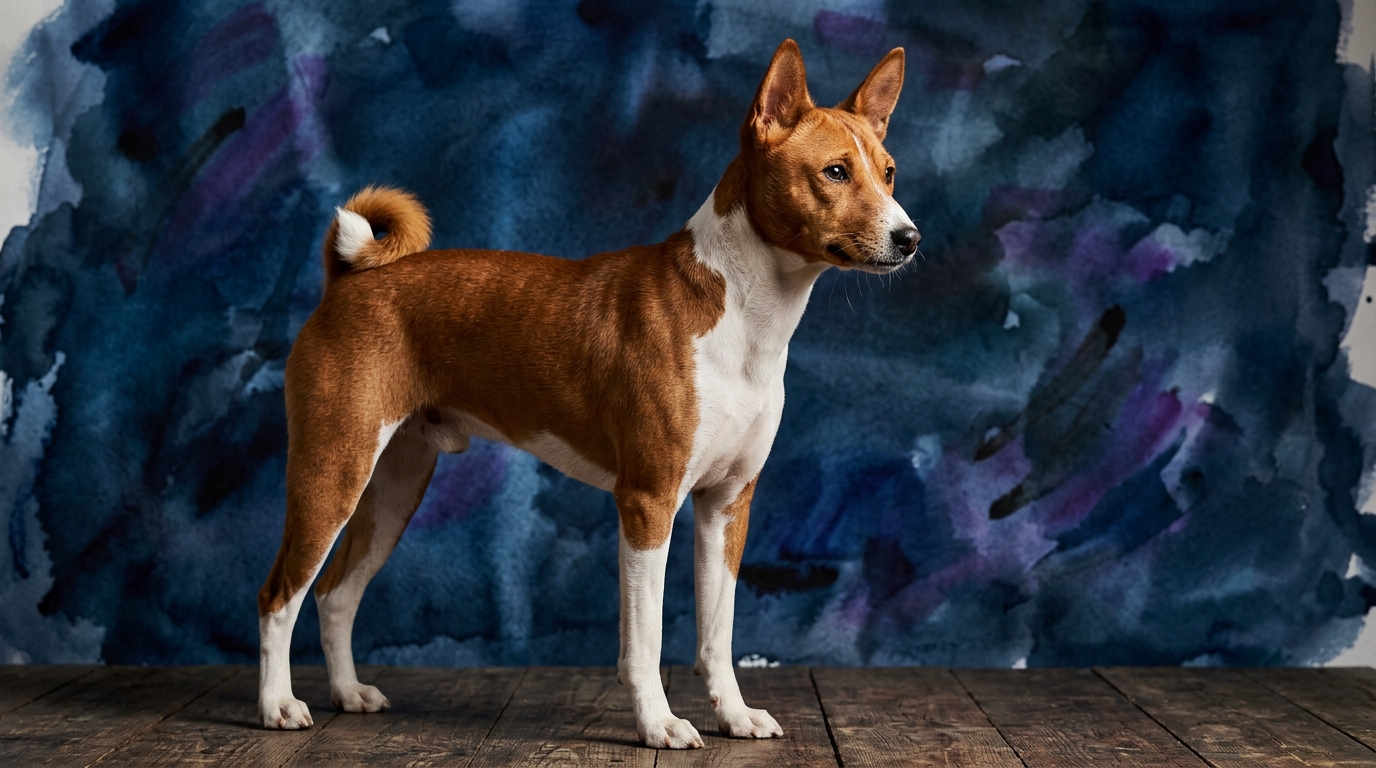
The Cosmic Pet Pet IQ Lab categorizes canine intelligence across five key dimensions, offering a nuanced view beyond simple obedience. For the Basenji, a breed ranked #78 by Coren, its profile paints a picture of cunning independence: Problem Solving 5/5, Training Speed 1/5, Social Intelligence 3/5, Instinctive Drive 5/5, and Memory 4/5. This suggests a dog highly adept at figuring things out on its own, with a strong internal compass and excellent recall, but a distinct disinterest in human-led instruction.
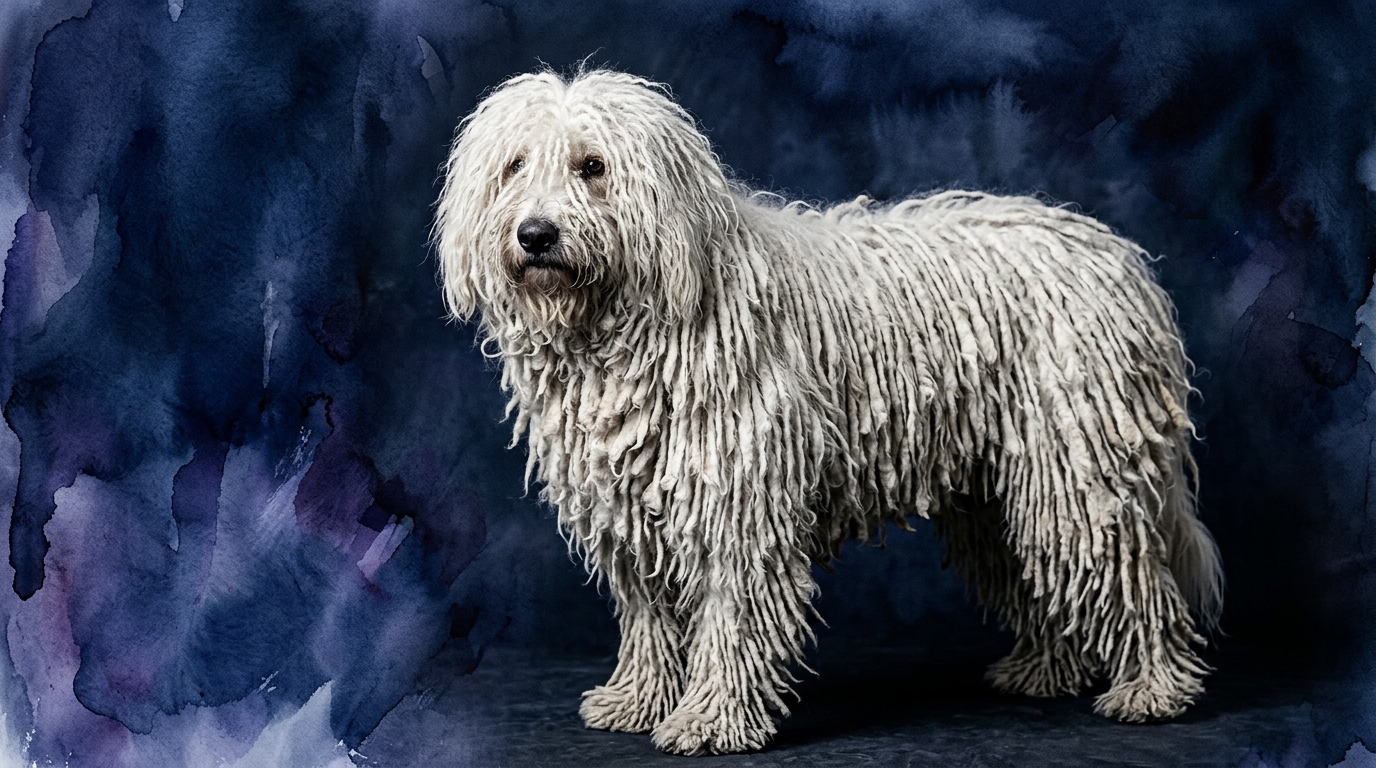
In contrast, the Komondor, a Working group dog with a Coren rank of #67, exhibits a more balanced and purpose-driven cognitive makeup: Problem Solving 3/5, Training Speed 3/5, Social Intelligence 3/5, Instinctive Drive 3/5, and Memory 3/5. This profile indicates a dog with practical intelligence, a moderate capacity for learning, and a focused protective instinct, reflecting its historical role as a self-sufficient flock guardian rather than a hunter.
Where the Basenji's Cognitive Strengths Shine
The Basenji's standout cognitive strength lies in its exceptional Problem Solving, earning a perfect 5/5. This isn't about solving abstract puzzles for human amusement; it's an innate, self-serving ingenuity. Basenjis are masters of escape artistry, adept at opening latches, navigating complex environments, or devising novel ways to acquire forbidden items. Their ancestral role as independent hunters, far from human direction, demanded this level of resourcefulness to track prey and survive, making them incredibly clever at manipulating their surroundings to achieve their goals.
Complementing their problem-solving is an Instinctive Drive of 5/5. While challenging for owners, this score represents an intense, focused mental energy. Their powerful prey drive and relentless curiosity mean they are perpetually engaged with their environment, tracking scents, exploring new territories, and always on the lookout for something to chase. This unwavering determination is a cognitive powerhouse for their specific, self-directed pursuits. Furthermore, their 4/5 Memory supports these drives, allowing them to recall successful strategies, escape routes, and locations of interest, making them highly effective at repeating past 'victories' or avoiding negative experiences.
Where the Komondor Demonstrates Cognitive Advantages
The Komondor's cognitive advantages are rooted in its utility and partnership potential with humans, particularly evident in its Training Speed of 3/5. While not the fastest learners, their moderate pace is a significant win compared to the Basenji's 1/5. This means Komondors are generally receptive to instruction and can integrate commands into their routine, especially when training reinforces their natural protective instincts. Their willingness to engage in structured learning, albeit at their own thoughtful pace, makes them a more cooperative partner for owners seeking a reliable companion.
Although both breeds score 3/5 in Social Intelligence, the Komondor's manifestation of this trait is arguably more beneficial for a stable home environment. Their social intelligence is geared towards understanding their family unit and potential threats, allowing them to discern who belongs and who doesn't. This translates into a deep, albeit often aloof, bond with their family and a clear understanding of their guardian role. Unlike the Basenji's self-serving social awareness, the Komondor's social cognition supports a stable, protective partnership. Their moderate Instinctive Drive (3/5), focused on territorial guarding rather than relentless prey pursuit, is also a cognitive advantage; it’s predictable and manageable, allowing owners to channel this powerful instinct effectively through appropriate socialization and training, fostering a secure home rather than a chaotic one.
Trainability: A Tale of Two Temperaments
When it comes to trainability, the Komondor presents a far more approachable challenge than the Basenji. The Komondor's 3/5 Training Speed means they are capable of learning and retaining commands, responding best to consistent, firm, and positive reinforcement from a confident leader. Their protective nature means they often understand and accept boundaries, viewing structure as a natural part of their role. While they might not be eager-to-please, they are generally deliberate and thoughtful in their responses, making steady progress over time.
The Basenji, with its 1/5 Training Speed, is notoriously difficult to train in traditional obedience. Their profound independence and 5/5 Instinctive Drive mean they are often more interested in their own pursuits—like tracking a scent or investigating a sound—than in performing human-directed tasks. Their 5/5 Problem Solving can even be turned against training attempts, as they cleverly figure out how to avoid unwanted commands. Training a Basenji requires immense patience, creativity, and highly motivating rewards, often resembling a partnership where the human must convince the Basenji that compliance is in its best interest, rather than simple instruction.
Matching Canine Cognition to Lifestyle: Active vs. Structured Owners
For owners with an active, adventurous lifestyle who appreciate a mentally stimulating challenge, the Basenji could be a captivating, albeit demanding, fit. Their high instinctive drive and need for constant mental engagement (problem-solving) demand an owner who can provide consistent outlets for their energy and investigative minds. Activities like lure coursing, scent work, agility, or extensive hiking provide essential mental and physical stimulation, preventing their cleverness from turning destructive. A truly relaxed or passive owner would quickly find themselves overwhelmed by the Basenji's independent spirit and boundless energy.
The Komondor, while not suited for a 'relaxed' owner in the sense of being hands-off, is a better match for owners who seek a more deliberate, structured, and consistent approach to dog ownership. They thrive with confident leaders who understand and respect their guarding heritage, providing clear boundaries and early, ongoing socialization. Their exercise needs are moderate, but their mental needs revolve around security, routine, and a defined role within the family. Owners prepared to manage a powerful protective instinct with calm authority and who enjoy a strong, loyal, albeit sometimes aloof, bond will find the Komondor a rewarding companion.
The Verdict
Choose a Basenji if you are an experienced, active owner who appreciates a highly independent, intelligent problem-solver with an unwavering drive, willing to invest in creative training and management for a unique companion.
Choose a Komondor if you seek a loyal, protective companion who thrives on structure and clear leadership, and you are prepared to manage a strong guarding instinct with consistent socialization and a calm, confident approach.
🧠 Find Your Pet's IQ Score
Our Pet IQ Lab assessment covers 25+ tests across 5 cognitive dimensions — personalized to your breed.
Take the Full IQ Test →Frequently Asked Questions
Are Basenjis suitable for first-time dog owners?
Basenjis are generally not recommended for first-time dog owners due to their profound independence, high energy, and challenging trainability. Their unique cognitive profile requires an owner with experience in positive reinforcement and managing strong instinctive drives.
How much grooming does a Komondor's corded coat require?
A Komondor's distinctive corded coat requires significant grooming, especially during cord formation in puppyhood, to prevent matting and ensure proper development. Once cords are fully formed, maintenance involves separating them regularly and keeping them clean, which is a time-consuming commitment.
Can Basenjis live with other pets?
Basenjis can coexist with other pets, especially if raised together from a young age, but their high instinctive drive (5/5) means they possess a strong prey drive towards smaller animals. Careful introductions, supervision, and consistent training are essential to ensure the safety of smaller household members.