The Cosmic Pet Pet IQ Lab: A Side-by-Side Cognitive Profile
The Cosmic Pet Pet IQ Lab assesses canine intelligence across five key dimensions: Problem Solving, Training Speed, Social Intelligence, Instinctive Drive, and Memory. Analyzing these metrics for the Basenji and the Lakeland Terrier reveals two distinct cognitive blueprints, each with unique strengths and operational styles.
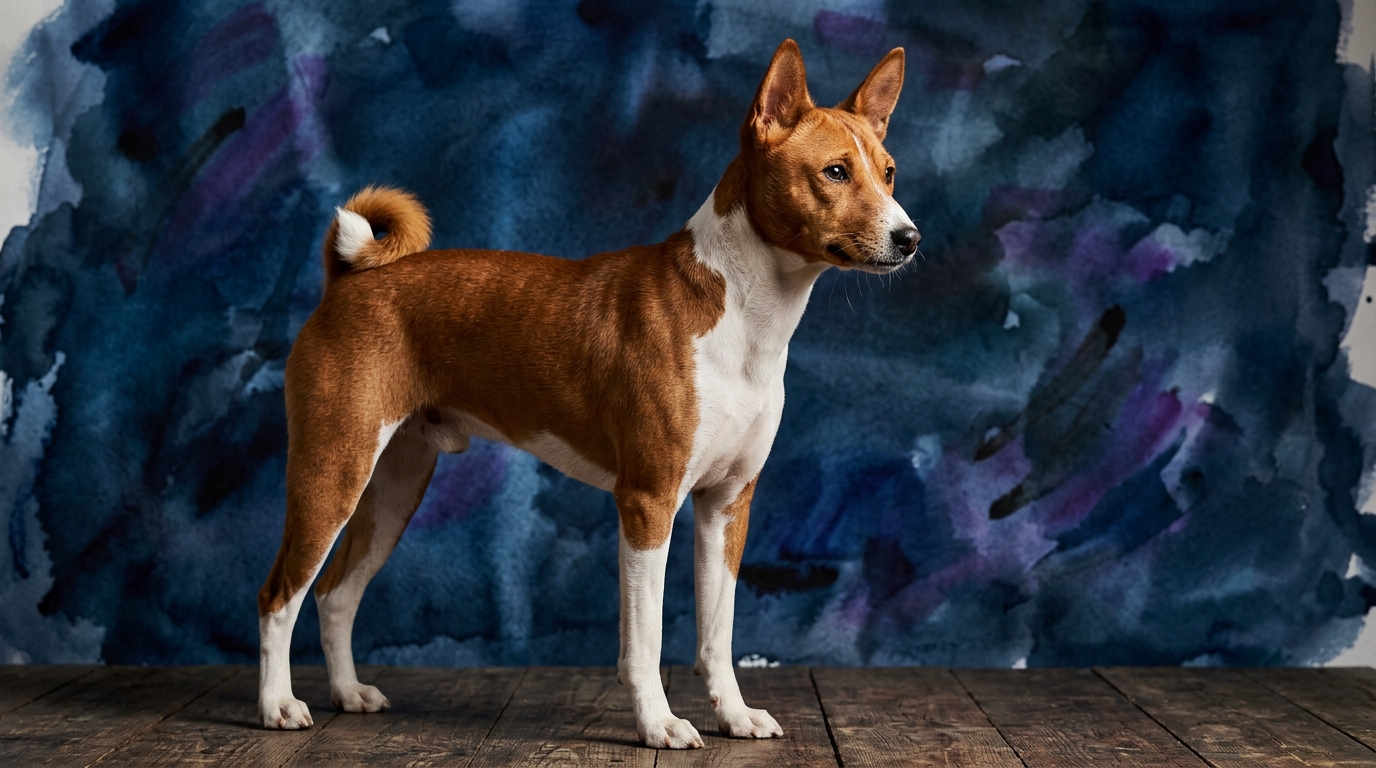
The Basenji, a sighthound originating from central Africa, presents a captivating cognitive profile. Its Problem Solving ability scores an exceptional 5/5, indicating an independent, ingenious mind adept at figuring out complex situations without human guidance. However, this ingenuity often comes with a low Training Speed of 1/5; they understand commands but frequently choose to prioritize their own agenda, reflecting their strong independent spirit. Social Intelligence is rated 3/5, suggesting they form strong bonds but can be reserved or selective with strangers and other dogs. Their Instinctive Drive is a powerful 5/5, manifesting as a profound prey drive, wanderlust, and a deep connection to their ancestral hunting instincts. Memory is strong at 4/5, meaning they retain learned behaviors and experiences, both positive and negative, over long periods. It is worth noting that the Basenji's Coren rank of #78 primarily reflects its low obedience-related training speed, not its overall cognitive capacity for ingenuity.
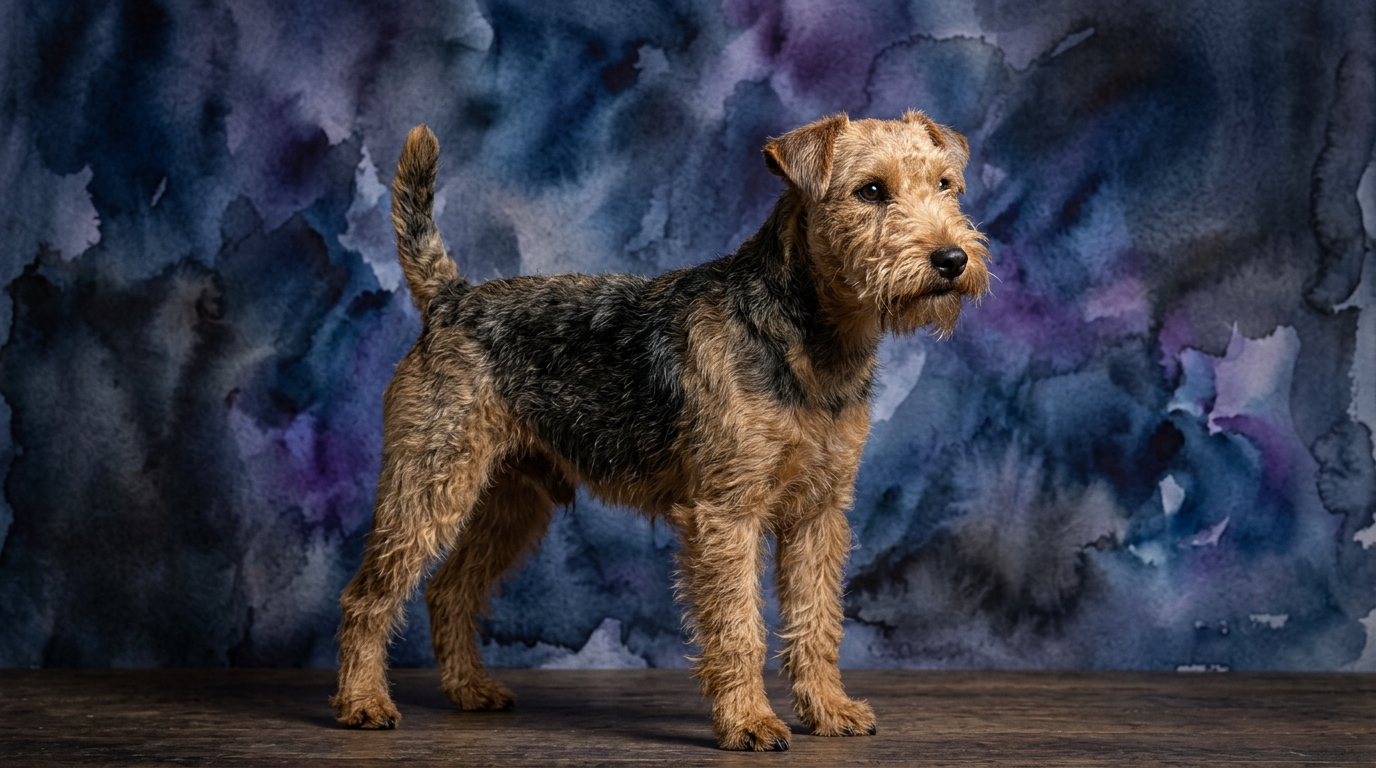
The Lakeland Terrier, a plucky breed from the English Lake District, shows a more balanced, albeit distinct, set of cognitive attributes. Its Problem Solving ability stands at a moderate 3/5; they are capable of navigating challenges but might lean on trial-and-error or human input more readily than the Basenji's independent approach. Training Speed is also 3/5, indicating they are receptive to learning and can acquire commands with consistent, engaging methods, though their terrier tenacity can present occasional challenges. Social Intelligence is rated 3/5, much like the Basenji, suggesting they are affectionate with their family but can be reserved or assertive with unfamiliar individuals or canines. Their Instinctive Drive is a moderate 3/5, reflecting a typical terrier's drive for chasing and digging, but generally less all-consuming than the Basenji's ancient hound instincts. Memory is rated 3/5, signifying a solid capacity to recall routines and learned behaviors, though perhaps not with the same depth or long-term retention as a Basenji.
Basenji: A Cognitive Dynamo in Independent Thought
The Basenji truly shines in the realm of independent thought, evidenced by its perfect 5/5 score in Problem Solving. This isn't about rote learning or obedience; it's about genuine ingenuity. Basenjis are known to manipulate their environment with remarkable cleverness, whether it's figuring out how to open latches, unlock gates, or navigate complex obstacles to reach a desired object or escape confinement. Their 4/5 Memory score complements this by allowing them to quickly learn from their experiences, adapting their strategies for future success, often to the consternation of their owners. They remember which actions yielded results, even if those results were mischievous.
Their powerful 5/5 Instinctive Drive fuels much of this problem-solving prowess. A Basenji will often apply its considerable mental faculties to satisfy its innate urges, such as tracking a scent, pursuing a perceived prey animal, or exploring new territories. This combination makes them exceptional at self-directed tasks, demonstrating a profound understanding of cause and effect, and a persistent drive to achieve their goals, regardless of human directives. Their intelligence is less about compliance and more about effective self-navigation within their world.
Lakeland Terrier: Adaptable Intelligence with a Terrier Twist
The Lakeland Terrier's cognitive strengths lie in its balanced and adaptable intelligence, with consistent 3/5 scores across most dimensions indicating a versatile mental makeup. While not reaching the Basenji's peak in independent problem-solving, their 3/5 score in this area means they are practical thinkers, capable of overcoming challenges, particularly those related to their terrier heritage like locating hidden objects or navigating varied terrain. This problem-solving is often applied to more tangible, 'working' tasks rather than abstract ingenuity.
Their moderate 3/5 Training Speed highlights a willingness to engage and learn when provided with clear, consistent guidance. Unlike the Basenji, the Lakeland Terrier is generally more inclined to cooperate, making them responsive to positive reinforcement and structured training. Their 3/5 Instinctive Drive, while present as a natural terrier prey drive, is typically more focused and manageable than the Basenji's, allowing it to be channeled into productive activities like earthdog trials or agility, rather than constant, wide-ranging exploration. This allows for a more directed form of mental engagement and problem-solving, where they apply their wits to tasks presented by their human companions.
Training Dynamics: Navigating Cooperation vs. Independent Spirit
The contrast in Training Speed is perhaps the most striking difference between these two breeds, profoundly impacting their trainability. The Basenji, with its 1/5 Training Speed, requires an owner to completely rethink traditional obedience. They are not 'stupid'; in fact, their 5/5 Problem Solving often means they quickly understand what is being asked, but their independent nature and powerful 5/5 Instinctive Drive frequently override any desire to comply. Training a Basenji is a nuanced dance of motivation, understanding their intrinsic desires, and making compliance more rewarding than self-direction. It demands immense patience, creativity, and a consistent, positive reinforcement approach that builds a partnership based on mutual respect rather than strict command.
Conversely, the Lakeland Terrier's 3/5 Training Speed indicates a more amenable and cooperative student. While they possess a terrier's characteristic self-assuredness and occasional stubborn streak, they are generally more receptive to learning and eager to please within reasonable bounds. Consistent, engaging, and reward-based training methods work well for Lakelands, allowing them to excel in various canine activities. Their moderate Instinctive Drive can be channeled effectively during training, making them less prone to the profound distractions that can derail a Basenji. For an owner seeking a dog that responds reliably to cues, the Lakeland Terrier presents a significantly less challenging training journey, though still requiring dedication.
Lifestyle Match: Active Exploration vs. Engaged Companionship
The cognitive profiles of these breeds suggest very different ideal living situations. The Basenji, with its exceptional 5/5 Problem Solving and powerful 5/5 Instinctive Drive, is best suited for experienced, active owners who appreciate and can manage a truly independent and ingenious companion. These dogs require extensive mental stimulation to prevent boredom, which they will inevitably solve in ways you might not appreciate, and robust physical exercise to satisfy their profound urge to explore and chase. Owners must commit to providing a highly secure environment to mitigate their escape artistry and be prepared for a dog that will consistently challenge boundaries with its cleverness.
The Lakeland Terrier, with its more balanced cognitive scores, is a better fit for active families or individuals who desire an engaged, trainable companion with a manageable level of terrier grit. Their moderate Instinctive Drive (3/5) means they still need regular exercise and mental engagement, but they are generally less prone to the wide-ranging wanderlust of a Basenji. They thrive in environments where they receive consistent training, participate in family activities, and have opportunities to channel their problem-solving and instinctive drives into structured play or dog sports. They offer a rewarding companionship experience for owners willing to provide consistent guidance and stimulation without the constant cognitive sparring a Basenji often presents.
The Verdict
Opt for the Basenji if you are an experienced, patient owner who values an independent thinker, thrives on cognitive challenges, and can provide a secure environment for a dog with unmatched problem-solving skills and a powerful instinctive drive.
Choose the Lakeland Terrier if you seek a more traditionally trainable companion with a balanced cognitive profile, offering both engagement and a manageable level of terrier tenacity, suitable for an active family willing to provide consistent direction.
🧠 Find Your Pet's IQ Score
Our Pet IQ Lab assessment covers 25+ tests across 5 cognitive dimensions — personalized to your breed.
Take the Full IQ Test →Frequently Asked Questions
Is a Basenji truly untrainable?
While their training speed is low at 1/5, Basenjis are not untrainable; rather, they require a highly specific approach. Their advanced problem-solving means they understand commands but often prioritize their own independent motivations, demanding creative, consistent, and reward-based methods focused on mutual respect rather than strict obedience.
How does the Lakeland Terrier's 'terrier' nature impact its intelligence?
The Lakeland Terrier's terrier heritage contributes to its moderate instinctive drive and problem-solving, manifesting as a determined spirit and a keenness for tasks like digging or chasing small vermin. This translates to a dog that is engaged and persistent, requiring mental stimulation to channel these natural tendencies positively.
Which breed is better for a first-time dog owner?
Given the Basenji's exceptional independence, low training speed, and high instinctive drive, they are generally not recommended for first-time dog owners. The Lakeland Terrier, with its moderate training speed and more balanced cognitive profile, presents a more manageable and rewarding experience for those new to dog ownership, provided they commit to consistent training and socialization.