Side-by-Side Cognitive Profiles: Basenji vs. Lhasa Apso
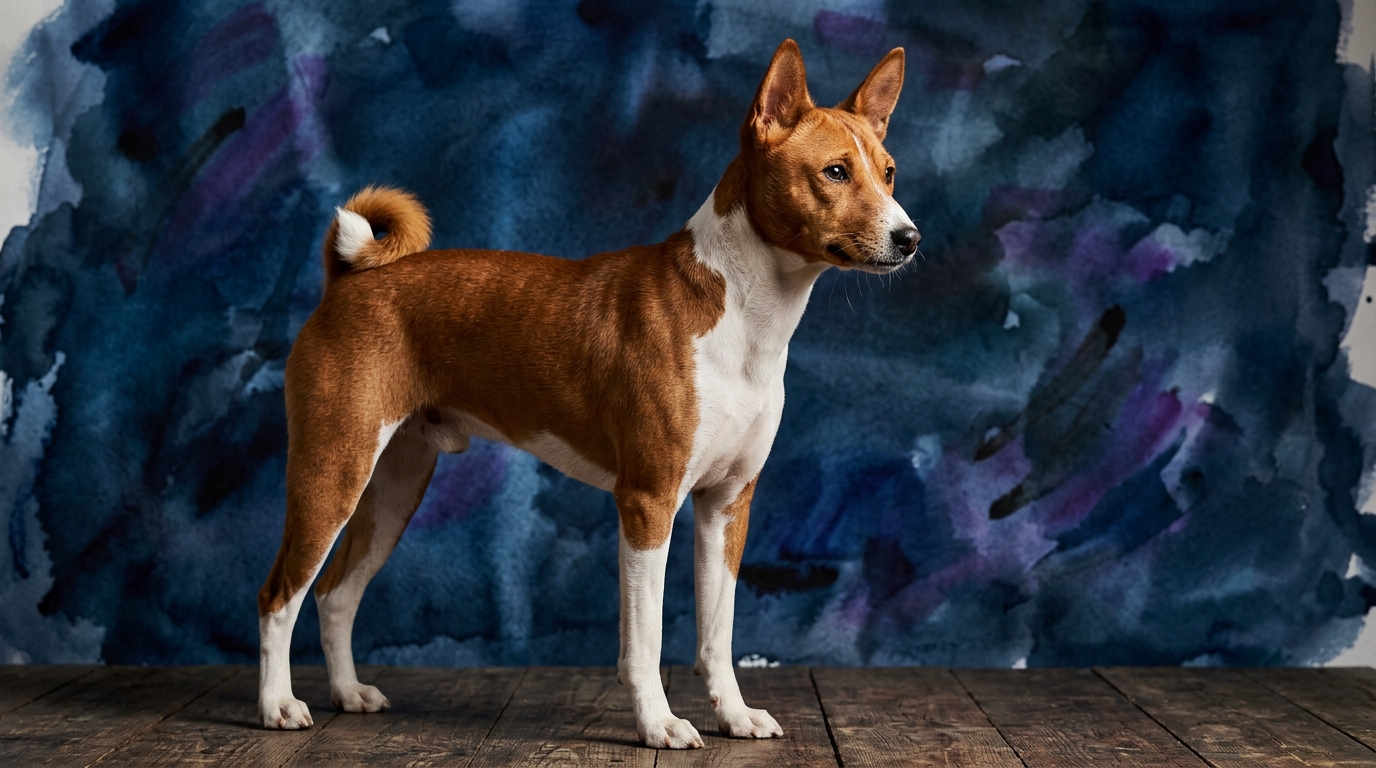
The Basenji, ranking #78 in Coren's intelligence scale, presents a fascinating cognitive blueprint. Their Problem Solving is rated an exceptional 5/5, indicating a profound capacity for independent thought and ingenious solutions to environmental challenges, whether it's opening a door or strategizing an escape. However, their Training Speed is a stark 1/5, reflecting a strong independent streak and a tendency to question the necessity of human directives rather than readily comply. Social Intelligence sits at 3/5, meaning they are capable of forming strong bonds but often display an aloofness or selectivity, especially with strangers, preferring to engage on their own terms. Their Instinctive Drive is a formidable 5/5, underpinning a powerful prey drive, an insatiable curiosity for scents, and a deep connection to their primitive hunting heritage. Finally, their Memory, at 4/5, is robust, allowing them to recall complex sequences and past successes, which often aids their problem-solving endeavors but can also contribute to their clever disobedience.
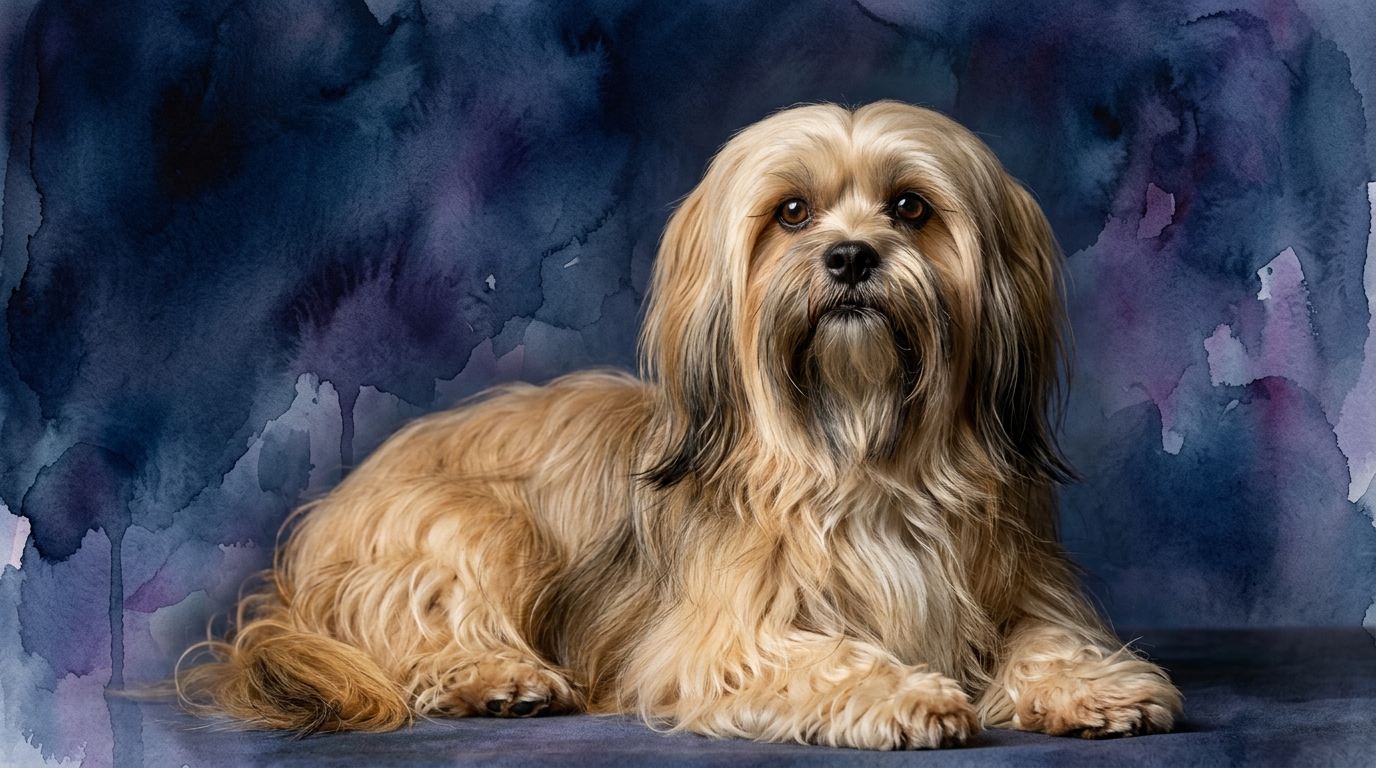
The Lhasa Apso, positioned at #68 on Coren's scale, offers a different cognitive tapestry, shaped by centuries as a watchful companion. Their Problem Solving is a solid 3/5, enabling them to navigate daily routines and identify environmental anomalies, particularly those related to their guardian role, though they are less inclined towards abstract puzzles. Their Training Speed is a moderate 3/5, indicating a trainable nature that responds well to consistent, positive reinforcement, albeit with a characteristic stubborn streak that sometimes requires patience. Social Intelligence is also 3/5, manifesting as deep loyalty to their chosen family and a reserved, discerning approach to outsiders, reflecting their role as a devoted sentinel. Instinctive Drive is rated 3/5, centered more on territorial vigilance and companionship than on active hunting, meaning they possess a moderate drive to protect their home and people. Their Memory, at 3/5, is dependable for remembering routines, commands, and familiar faces, contributing to their reliability as a household member.
Where the Basenji Excels Cognitively
The Basenji’s cognitive prowess shines brightest in two primary areas: problem-solving and the intensity of their instinctive drives. With a 5/5 in Problem Solving, Basenjis exhibit an exceptional capacity for independent, creative thought. This isn't just about learning tricks; it’s about their innate ability to analyze a situation, understand cause and effect, and devise solutions to achieve their goals, whether that involves manipulating latches, outsmarting barriers, or finding unconventional ways to access desired items. This high score reflects a cognitive framework geared towards self-reliance and ingenious navigation of their environment. Furthermore, their 5/5 Instinctive Drive represents a highly developed and finely tuned set of cognitive processes dedicated to their ancestral roles. This means they possess an acute awareness of their surroundings, an intense focus on scent trails, and a profound drive to explore and hunt, all of which are sophisticated cognitive functions for processing environmental data and acting upon it. Their 4/5 Memory supports these strengths, allowing them to recall successful strategies and learn from past experiences with remarkable retention, fueling their independence.
Where the Lhasa Apso Demonstrates Cognitive Strengths
While the Basenji excels in independent problem-solving and primal drives, the Lhasa Apso demonstrates distinct cognitive strengths, particularly in their responsiveness to human direction and their contextual awareness. Their Training Speed of 3/5, significantly higher than the Basenji’s 1/5, indicates a more receptive cognitive architecture for associative learning and following human cues. This means Lhasa Apsos are generally more adept at forming connections between commands and actions, making them more amenable to structured training and household rules. Their problem-solving, rated 3/5, is less about challenging boundaries and more about astute situational awareness within their defined territory. Their cognitive efforts are often channeled into their historical role as a companion and sentinel, demonstrating a keen perception of household dynamics and potential changes in their environment that require their alert presence. This focused problem-solving allows them to effectively monitor their surroundings and act as a reliable alarm system, showcasing a practical, context-specific cognitive strength tailored to their companionship and guardian roles. Their 3/5 Social Intelligence, while matching the Basenji's score, translates into a more consistently devoted and family-centric cognitive engagement, where their understanding of human social structures within their home is paramount.
Which Is Easier to Train and Why
When it comes to ease of training, the Lhasa Apso holds a clear advantage over the Basenji. The Lhasa Apso’s Training Speed of 3/5 means they are generally more receptive to learning commands and routines. While they possess a characteristic stubborn streak, they are typically motivated by positive reinforcement and a desire to please their family, making them more inclined to form associations between cues and desired behaviors. Their social intelligence, geared towards loyalty and companionship, further aids in their willingness to engage in structured learning with their human partners. In contrast, the Basenji’s Training Speed is a challenging 1/5. This isn't due to a lack of understanding, but rather a profound independence and a strong inclination to evaluate commands based on their own perceived utility or interest. Their high problem-solving ability often means they are more focused on outsmarting their environment or pursuing their own agenda (driven by their 5/5 instinctive drive) than on diligently following human directives. Training a Basenji requires immense patience, consistency, and creative, engaging methods to capture their attention and convince them that compliance is a worthwhile endeavor, often feeling more like a negotiation than a typical training session.
Matching Canine Cognition to Owner Lifestyles
The distinct cognitive profiles of the Basenji and Lhasa Apso naturally align with different owner lifestyles. Active owners, those who thrive on adventure and can provide consistent mental and physical challenges, will find a more suitable match in the Basenji. Their 5/5 Instinctive Drive and 5/5 Problem Solving mean they require significant outlets for their boundless energy and sharp minds. They excel in activities like lure coursing, scent work, agility, and long, exploratory hikes where their natural drives can be engaged. A Basenji left without sufficient mental and physical stimulation will quickly become bored and channel their considerable problem-solving skills into destructive or escape-oriented behaviors. Conversely, more relaxed owners, those seeking a loyal companion for a comfortable home life, will likely find the Lhasa Apso a better fit. With moderate instinctive drives (3/5) and a more adaptable training speed (3/5), Lhasas are content with regular, but not necessarily intense, daily walks and indoor play. Their problem-solving (3/5) is less about pushing boundaries and more about maintaining their established routine and territory, making them excellent, watchful housemates who appreciate a settled environment and consistent companionship without requiring constant, high-octane engagement.
The Verdict
For those seeking a highly independent, intellectually curious, and physically driven companion who thrives on adventure, challenges conventional training, and offers a unique, primitive charm, the Basenji is an exceptional choice.
If you desire a steadfast, loyal, and moderately trainable companion who excels at being a watchful housemate, enjoys a comfortable routine, and offers consistent devotion, then the Lhasa Apso will be a deeply rewarding addition to your home.
🧠 Find Your Pet's IQ Score
Our Pet IQ Lab assessment covers 25+ tests across 5 cognitive dimensions — personalized to your breed.
Take the Full IQ Test →Frequently Asked Questions
Are Basenjis truly difficult to train, or just misunderstood?
Basenjis are not untrainable, but their 1/5 training speed and high independence mean they require exceptional patience, consistency, and creative motivation. They learn quickly, but their strong will means they often choose whether or not to comply, making training feel like a constant negotiation.
How does a Basenji's high problem-solving manifest in daily life?
Their 5/5 problem-solving means Basenjis are adept at figuring out how to open gates, raid pantries, or escape enclosures. They creatively assess situations to achieve their goals, often requiring owners to be equally clever in prevention and environmental management.
Is the Lhasa Apso's social intelligence different from other companion breeds?
While they score 3/5 like the Basenji, the Lhasa Apso's social intelligence is distinctly focused on forming deep, loyal bonds with their immediate family and being reserved with strangers, aligning with their historical role as companion-guardians rather than universally friendly greeters.
What does a Basenji's high instinctive drive mean for owners?
A 5/5 instinctive drive means a strong prey drive, a desire to explore with their nose, and a need for mental engagement. Owners must provide outlets for these drives through scent work, secure outdoor areas, and engaging activities to prevent boredom and destructive behaviors.
Can a Lhasa Apso live in an apartment?
Yes, a Lhasa Apso can thrive in an apartment setting, provided they receive regular daily walks and mental stimulation. Their moderate energy levels and focus on their immediate home environment make them well-suited to smaller living spaces, as long as their needs for companionship and exercise are met.