Side-by-Side IQ Profile: Basenji vs. Pug
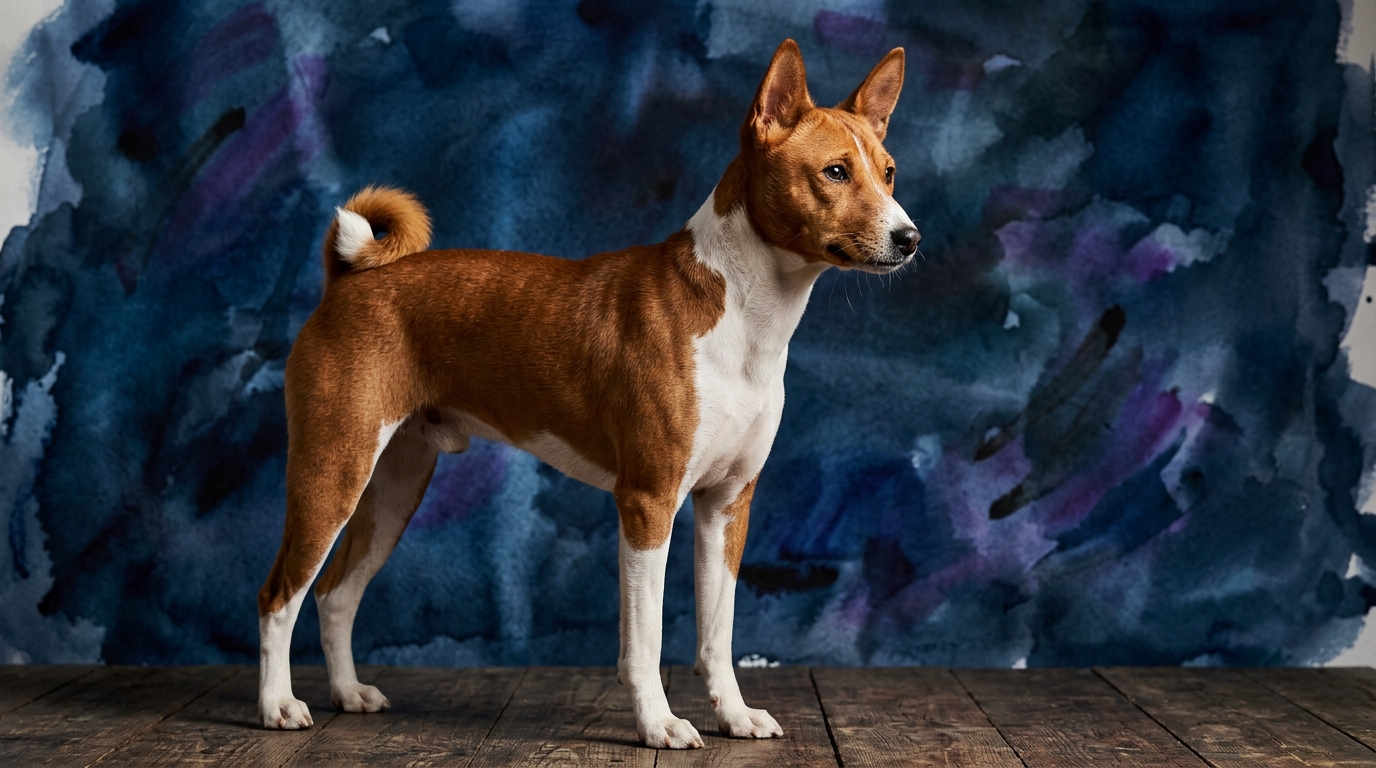
The Cosmic Pet Pet IQ Lab employs five key dimensions to assess canine intelligence, providing a nuanced view beyond simple obedience. For the Basenji, a Hound breed with a Coren rank of #78, these dimensions paint a picture of an independent and resourceful thinker. Their Problem Solving is rated 5/5, indicating exceptional ingenuity in navigating challenges. Training Speed, however, stands at a low 1/5, reflecting their strong-willed nature. Social Intelligence is a moderate 3/5, suggesting a thoughtful but not overtly people-pleasing demeanor. An impressive Instinctive Drive of 5/5 underscores their deep-seated hunting heritage, while Memory scores a robust 4/5, aiding their cleverness and retention of learned experiences.
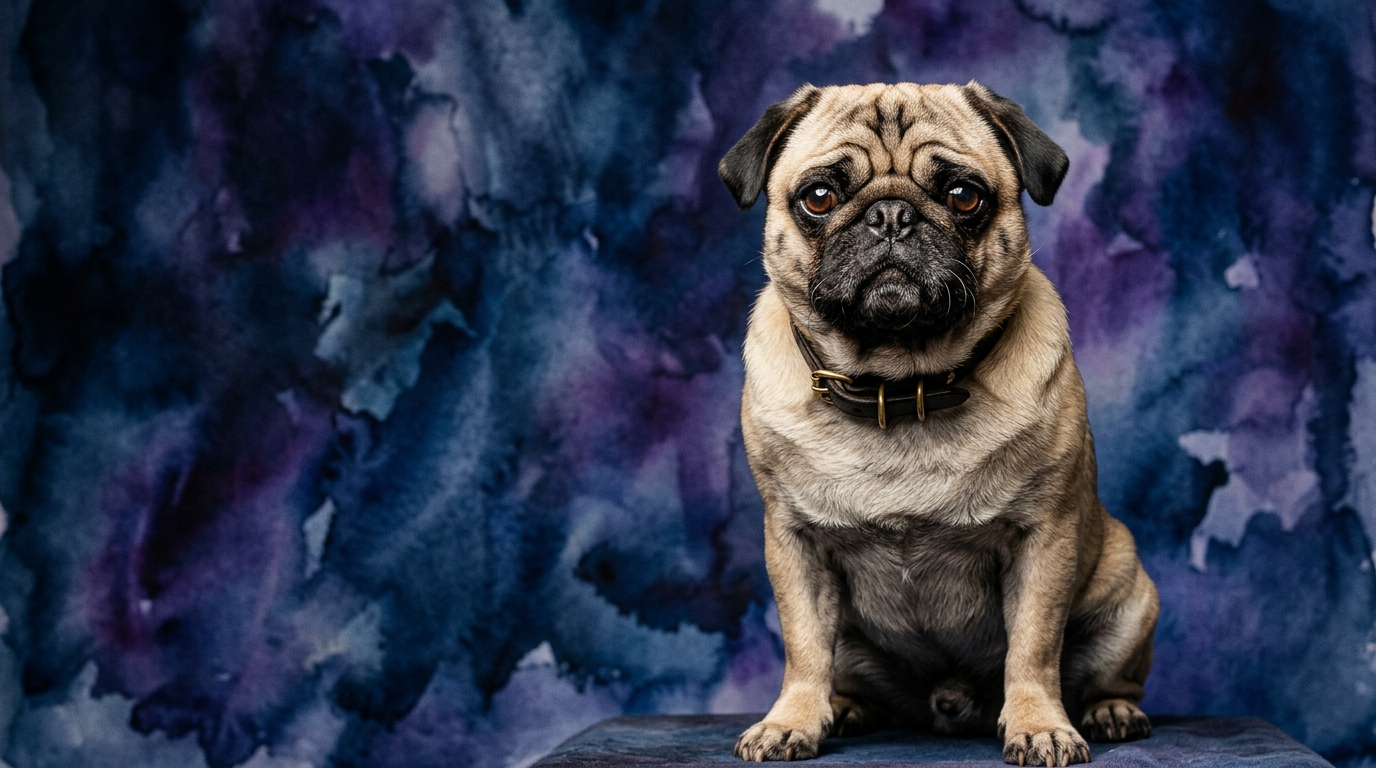
Conversely, the Pug, a Toy breed ranked #57 by Coren, presents a profile centered on companionship and social acumen. Their Problem Solving is rated 2/5, indicating a preference for simpler solutions or seeking human assistance. Training Speed is a moderate 2/5; while not the quickest, they possess a willingness to engage. Where Pugs truly shine is in Social Intelligence, earning a perfect 5/5, reflecting their profound ability to connect with humans. Their Instinctive Drive is low at 2/5, as their primary motivations lie away from traditional hunting or guarding. Memory for the Pug is a fair 3/5, sufficient for routines and beloved companionships.
Where the Basenji Wins Cognitively
The Basenji's cognitive profile reveals a formidable independent thinker, particularly evident in their Problem Solving score of 5/5. These dogs aren't just reacting to their environment; they're actively engaging with it, evaluating situations, and formulating strategies to achieve their goals. This might mean figuring out how to open a child-proof gate or systematically testing different methods to access a treat puzzle. Their exceptional Instinctive Drive (5/5) is another significant cognitive strength, channeling deep-seated predatory and exploratory instincts into focused, persistent behavior. This drive isn't merely physical; it's a cognitive engine that fuels their curiosity and determination, pushing them to investigate, track, and interact with the world around them in a purposeful way. Complementing these traits is their robust Memory (4/5), which allows them to recall past successful problem-solving attempts and adapt their strategies based on prior experiences. They store a mental map of their territory and remember patterns, contributing to their reputation for cleverness and self-sufficiency.
Where the Pug Wins Cognitively
The Pug's cognitive strengths shine brightly in the realm of social interaction, with a perfect 5/5 in Social Intelligence. This isn't just about being friendly; it's a sophisticated ability to interpret human cues, understand emotional states, and adapt their behavior to foster connection. Pugs are masters at reading body language, vocal inflections, and even subtle facial expressions, using this information to engage their human companions effectively. Their presence often creates a strong emotional bond, largely due to their deep attunement to their owners' moods and their innate desire to provide comfort and companionship. Unlike the Basenji’s independent nature, the Pug's cognitive framework is built around partnership and shared experience, making them exceptional at integrating into human family dynamics. Their moderate Memory (3/5) supports this by allowing them to reliably recall positive social interactions and the routines that lead to affection and attention, reinforcing their companion-oriented behaviors.
Which is Easier to Train and Why
Comparing training ease between these two breeds highlights a significant divergence in their cognitive priorities and motivational drives. The Basenji, with a Training Speed of 1/5, presents a unique challenge. Their high Problem Solving (5/5) and Instinctive Drive (5/5) mean they are constantly assessing situations and often prefer to act on their own impulses rather than human commands. They understand what you want, but their independent nature often leads them to question the 'why,' and if it doesn't align with their current self-determined objective, compliance might be low. This isn't a lack of understanding, but rather a strong will and a tendency to prioritize their own clever solutions over rote obedience. Training a Basenji requires immense patience, creativity, and a deep understanding of their innate motivations, often leveraging their problem-solving skills in scent work or agility rather than strict obedience. In contrast, the Pug, with a Training Speed of 2/5, while not a canine Einstein, is generally considered easier to train in traditional contexts. Their outstanding Social Intelligence (5/5) and desire for human connection mean they are often motivated by praise, affection, and the opportunity to interact positively with their owners. While their attention span can be shorter and their problem-solving less complex, their willingness to engage and their drive to please make them more receptive to learning basic commands. They respond well to positive reinforcement and consistency, often viewing training sessions as another opportunity for social bonding. The key difference lies in motivation: the Basenji is motivated by self-interest and innate drives, while the Pug is primarily motivated by social connection and human approval.
Which Suits Active Owners vs. Relaxed Owners
The Basenji's cognitive profile aligns perfectly with active owners who appreciate a dog with a strong will and a need for mental and physical engagement. Their formidable Instinctive Drive (5/5) and Problem Solving (5/5) mean they thrive on activities that challenge their minds and bodies, such as lure coursing, scent work, or advanced agility. Owners who enjoy hiking, exploring, or engaging in complex puzzle games will find a fulfilling partner in a Basenji, provided they can channel their independent spirit effectively. These dogs require consistent stimulation to prevent boredom, which they might otherwise alleviate through creative, sometimes destructive, problem-solving. A relaxed owner, by contrast, might find a Basenji's boundless energy and self-directed pursuits overwhelming, struggling to meet their needs for engagement. The Pug, on the other hand, is an ideal companion for more relaxed owners who prioritize companionship and low-key interaction. Their exceptional Social Intelligence (5/5) means they are content with being close to their human family, enjoying cuddle sessions, short walks, and the general rhythm of home life. While they do enjoy play, their lower Instinctive Drive (2/5) and physical limitations (due to their brachycephalic structure) mean they don't require extensive, high-impact exercise. Owners seeking a devoted, affectionate lap dog who is deeply attuned to their emotional states will find the Pug a perfect match. Their primary need is social connection and comfort, making them perfectly suited for a more laid-back lifestyle.
The Verdict
Choose a Basenji if you are an experienced, active owner seeking a clever, independent companion who thrives on mental challenges and purposeful engagement, and you appreciate a dog with a strong, self-directed personality.
Opt for a Pug if you desire a devoted, socially adept companion who excels at emotional connection, prefers a relaxed lifestyle, and is motivated by affection and close human interaction.
🧠 Find Your Pet's IQ Score
Our Pet IQ Lab assessment covers 25+ tests across 5 cognitive dimensions — personalized to your breed.
Take the Full IQ Test →Frequently Asked Questions
Is a Basenji difficult to live with due to its independence?
Basenjis are certainly independent, which can translate to a strong will and a need for consistent, engaging mental and physical stimulation to prevent boredom. Their self-sufficiency means they might not always seek human direction, requiring owners to understand and manage their unique motivations.
How does a Pug's social intelligence manifest daily?
A Pug's high social intelligence means they are often incredibly attuned to their owners' moods, seeking to comfort or engage based on perceived emotional states. They thrive on being close, enjoying shared quiet moments as much as playful interactions, always seeking to deepen their bond with their human family.
Can a Pug participate in dog sports despite its lower instinctive drive?
While Pugs have a lower instinctive drive, their desire for human interaction and positive reinforcement means they can enjoy certain dog sports, particularly those focused on companionship and light activity like rally obedience or even some forms of agility adapted for their physical capabilities. Success often hinges on making the activity a fun, bonding experience.