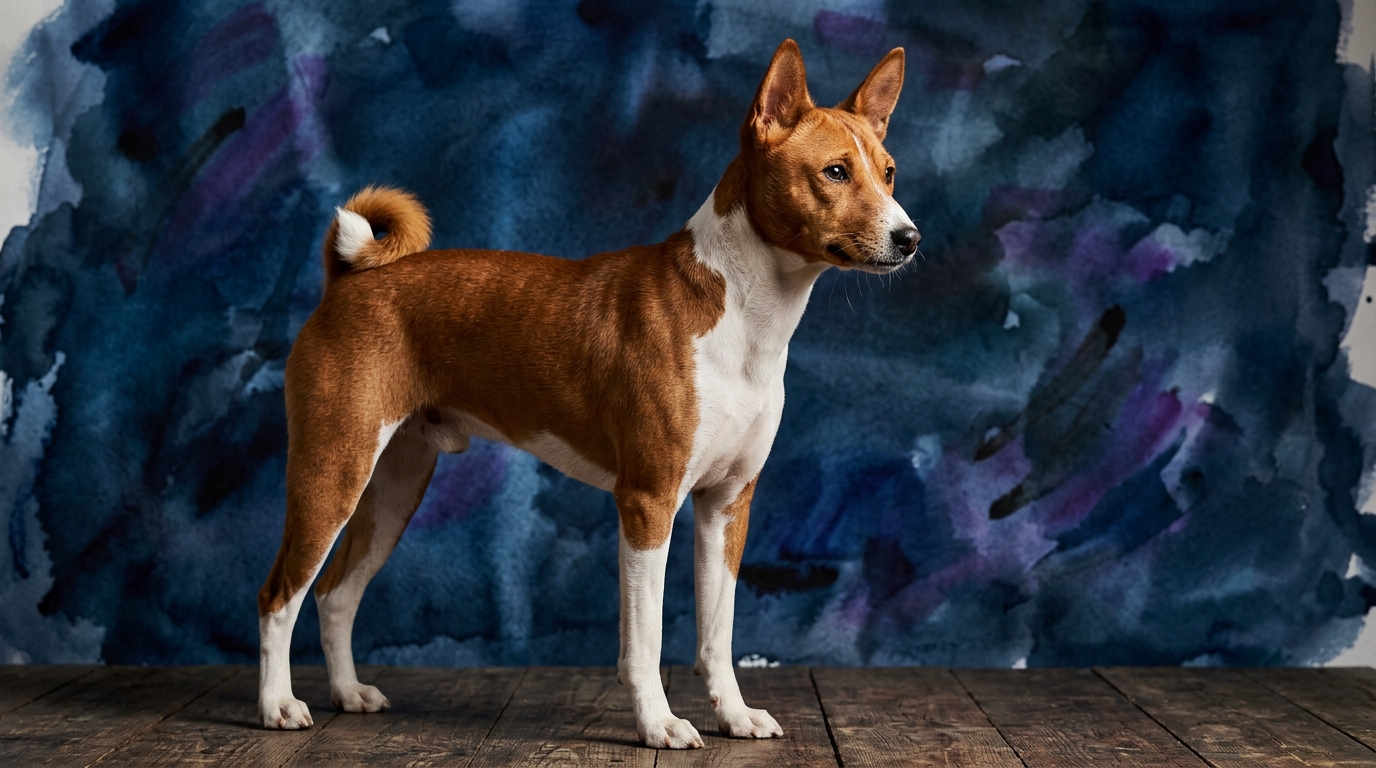
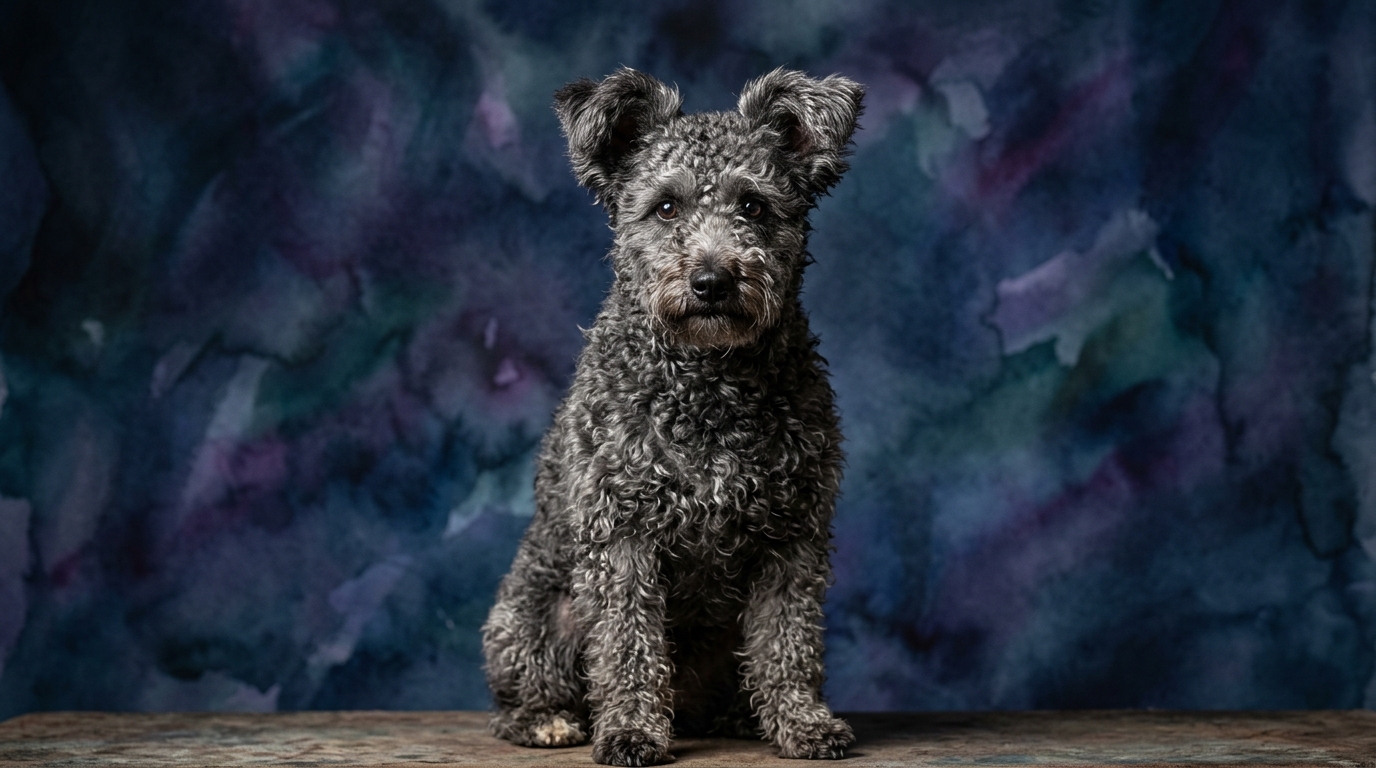
Decoding Basenji and Pumi Cognitive Profiles
The Cosmic Pet Pet IQ Lab employs a five-dimensional framework to assess canine intelligence, moving beyond simplistic notions of 'smartness' to reveal a breed's unique cognitive strengths. For the Basenji, a Hound group member ranked #78 by Coren, and the Herding group Pumi, not Coren-ranked, these dimensions paint divergent pictures.
**Basenji (Hound)**: Problem Solving 5/5 – These dogs exhibit exceptional ingenuity, often devising clever, independent strategies to overcome obstacles, such as opening latches or outsmarting enclosures. Training Speed 1/5 – While capable of learning, Basenjis possess a strong independent streak, making them notoriously slow to comply with commands; they understand what is asked but often choose whether to execute it. Social Intelligence 3/5 – Basenjis form deep bonds with their chosen few but can be reserved or indifferent towards strangers, reading human cues but often prioritizing their own agenda. Instinctive Drive 5/5 – Their powerful prey drive and acute senses fuel an intense, self-directed motivation, manifesting as a relentless pursuit of scent or movement. Memory 4/5 – They possess a robust memory, recalling routines, past events, and learned sequences with remarkable clarity, which can sometimes be used to their own advantage.
**Pumi (Herding)**: Problem Solving 3/5 – Pumis demonstrate a solid capacity for learning and executing complex tasks when directed, adapting well to new situations within a structured framework, though they may not independently invent novel solutions. Training Speed 3/5 – These dogs are moderately quick learners, generally eager to engage with their handlers and respond positively to consistent, reward-based training methods. Social Intelligence 3/5 – Pumis are attentive to their social environment, forming strong family attachments and often displaying a watchful, discerning attitude towards newcomers, while being responsive to human emotional cues. Instinctive Drive 3/5 – Their inherent herding drive provides a strong, channelable motivation for work and structured activity, less about independent pursuit and more about collaborative control. Memory 3/5 – They retain learned behaviors, cues, and established routines effectively, building a reliable repertoire of skills over time.
Basenji's Unrivaled Cognitive Strengths
The Basenji’s cognitive prowess shines brightest in areas demanding autonomous thought and primal drive. Their Problem Solving score of 5/5 is a testament to their exceptional ingenuity; these dogs are not simply following instructions but actively formulating and executing complex strategies to achieve their goals, whether it’s figuring out how to open a child-proof gate or navigating a complex environment to find a hidden treat. This independent problem-solving often manifests as a form of clever mischief, requiring owners to be constantly one step ahead.
Furthermore, the Basenji’s Instinctive Drive, rated 5/5, represents an unparalleled connection to raw canine instinct. This isn't just about chasing squirrels; it's a deep-seated motivation that makes them masters of activities like lure coursing, where their natural hunting prowess and swift decision-making on the fly are fully engaged without requiring constant human direction. Their high drive translates into an intense focus on their chosen pursuit, making them formidable in tasks that leverage their innate abilities.
Finally, their Memory, at 4/5, underpins much of their independent behavior. Basenjis excel at recalling intricate sequences of events, remembering exactly where that forgotten snack was hidden last week, or how they successfully bypassed a specific barrier before. This strong memory, combined with their problem-solving ability, allows them to learn from past experiences and apply that knowledge in future situations, even if it's to outwit their human companions.
Pumi's Cooperative Cognitive Edge
While the Basenji excels in independent thought, the Pumi’s cognitive strengths lie in areas that foster collaboration and directed learning. Their Training Speed, rated 3/5, positions them as significantly more amenable to instruction compared to the Basenji. Pumis generally display a keen willingness to learn and please their handlers, making the process of acquiring new commands and behaviors a more fluid and rewarding experience for both dog and owner. They thrive on clear communication and positive reinforcement, quickly integrating new information into their repertoire.
The Pumi’s Social Intelligence, also rated 3/5, combined with their moderate Training Speed, creates a distinctly cooperative cognitive profile. While the Basenji’s social acumen might be more about discerning who to trust, the Pumi’s often translates into a desire to understand and respond to human intent, making them excellent partners in tasks that require synchronized effort. Their herding heritage has honed their ability to read subtle cues and work as part of a team, adapting their actions based on human direction and the dynamics of a given situation. This makes them highly effective in dog sports and activities that demand a close working relationship.
Moreover, the Pumi’s overall balanced cognitive scores across the board, particularly their Problem Solving at 3/5, suggests an adaptable intelligence that thrives within a structured learning environment. They are capable of mastering complex chains of commands and figuring out how to execute multi-step tasks when guided, demonstrating a practical intelligence that is highly responsive to training and purpose-driven work. This contrasts with the Basenji's tendency to solve problems on their own terms, highlighting the Pumi's strength in directed, cooperative problem-solving.
Trainability: A Tale of Two Temperaments
When it comes to ease of training, the Pumi clearly holds the advantage, primarily due to its distinct behavioral drivers and cognitive profile. Their Training Speed of 3/5 reflects a natural inclination to engage with and please their human partners. Pumis typically possess a strong 'work ethic' rooted in their herding background; they enjoy having a job, thrive on structure, and are motivated by the opportunity to collaborate. This willingness to cooperate means they are generally receptive to commands, eager to learn new skills, and quick to respond to positive reinforcement, making the training journey a more straightforward and rewarding endeavor.
In stark contrast, the Basenji’s Training Speed of 1/5 is a direct manifestation of their profound independence and self-directed nature. Basenjis are not inherently driven by a desire to please; rather, they operate on their own terms, often weighing whether a command aligns with their current interests. They understand what you're asking, but their decision to comply is entirely their own. This cognitive independence means training a Basenji requires extraordinary patience, creativity, and a deep understanding of their motivations. Owners must employ highly rewarding methods and accept that consistent, perfect obedience may never be their Basenji's primary goal. Their high Instinctive Drive (5/5) also means they are easily distracted by environmental stimuli, further complicating focus during training sessions.
Matching Energy and Cognitive Needs to Lifestyles
Neither the Basenji nor the Pumi are suited for truly 'relaxed' owners in the sense of a low-activity companion, as both breeds possess significant energy and cognitive needs. However, their ideal owner profiles diverge based on the *type* of activity and engagement they require.
The **Basenji**, with its 5/5 Problem Solving and 5/5 Instinctive Drive, thrives with owners who appreciate and can channel intense, independent canine intelligence. These are dogs for active individuals who enjoy challenging their dog’s mind through complex puzzle toys, scent work, or participation in lure coursing where their natural hunting instincts can be safely expressed. Basenjis need long, engaging walks, often on leash due to their strong prey drive, and mental stimulation that allows them to 'think' for themselves. Owners who understand and respect a Basenji’s self-sufficient nature, and are prepared for a dog that might outsmart them occasionally, will find a rewarding partnership.
The **Pumi**, with its 3/5 Problem Solving and 3/5 Instinctive Drive, coupled with a 3/5 Training Speed, is an excellent match for active owners who seek a cooperative, purpose-driven canine partner. Pumis excel in structured dog sports like agility, obedience, flyball, or even actual herding, where they can work closely with their handler and utilize their moderate yet directed drive. They need consistent physical exercise combined with mental tasks that provide a 'job.' Owners who enjoy teaching new skills, participating in dog sports, and providing a clear routine will find the Pumi to be an enthusiastic and engaged companion. They are not content to be idle and will invent their own (potentially undesirable) activities if not adequately stimulated.
The Verdict
Choose a Basenji if you are an experienced owner who values a deeply independent, clever companion, prepared for a challenging yet uniquely rewarding training journey, and you appreciate a dog whose instincts are strong and self-directed. You must be ready for a dog that consistently thinks for itself and may prioritize its own agenda.
Choose a Pumi if you seek an energetic, cooperative partner eager to engage in structured activities and thrives on having a clear purpose, and you appreciate a biddable yet lively temperament that enjoys working closely with its human. You should be prepared to provide consistent mental and physical stimulation.
🧠 Find Your Pet's IQ Score
Our Pet IQ Lab assessment covers 25+ tests across 5 cognitive dimensions — personalized to your breed.
Take the Full IQ Test →Frequently Asked Questions
Are Basenjis really "untrainable"?
No, Basenjis are not untrainable, but their 1/5 training speed means they require exceptional patience, consistency, and highly motivating rewards. They are independent thinkers who understand commands but often choose whether to comply based on their own immediate interests, making traditional obedience challenging.
How does the Pumi's herding background influence its cognitive profile?
The Pumi's herding heritage significantly shapes its cognitive profile, contributing to its moderate training speed and social intelligence. They are bred to work in partnership with humans, responding to direction while also demonstrating initiative, which makes them eager to learn and participate in structured tasks.
Which breed is better for first-time dog owners?
The Pumi is generally more suitable for first-time dog owners due to its higher trainability, desire to cooperate, and more channelable instinctive drive. The Basenji's profound independence and challenging training needs often require experienced handling and a deep understanding of their unique motivations.