Side-by-Side Cognitive Profiles
Delving into the cognitive makeup of the Basenji and Sealyham Terrier offers a unique look at how breed purpose and evolution shape canine intellect. Our Cosmic Pet IQ Lab framework assesses five key dimensions: Problem Solving, Training Speed, Social Intelligence, Instinctive Drive, and Memory. Understanding these scores helps paint a detailed picture of each breed's mental landscape.
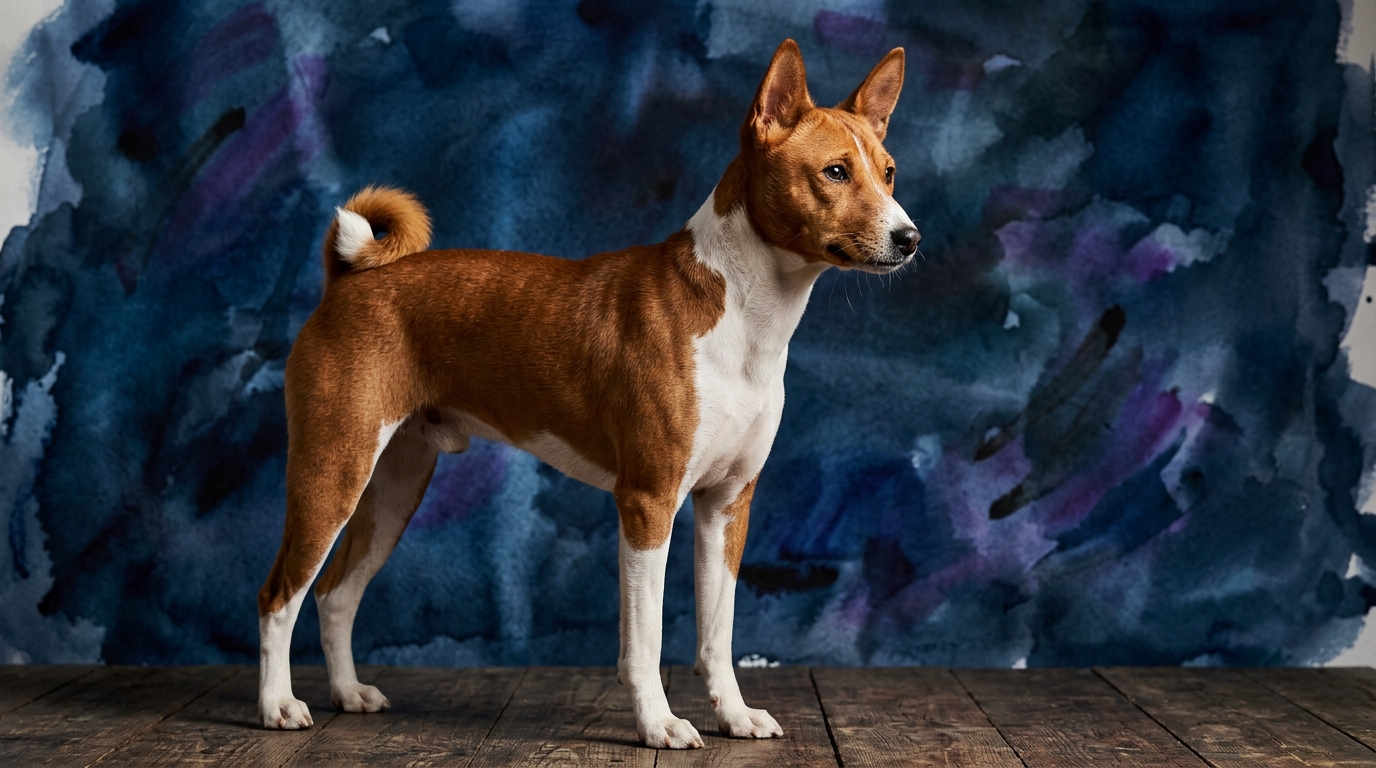
The Basenji, a hound originating from central Africa and Coren-ranked #78, presents a fascinating paradox in its intelligence profile. It scores a perfect 5/5 in Problem Solving, indicating an exceptional capacity for independent thought and creative solutions to environmental challenges. However, its Training Speed is a stark 1/5, reflecting a strong-willed nature that often prioritizes self-interest over human directives. Social Intelligence stands at 3/5, suggesting moderate social awareness, while its Instinctive Drive is a commanding 5/5, a testament to its ancient hunting heritage. Memory is rated at a strong 4/5, allowing them to retain information and experiences effectively.
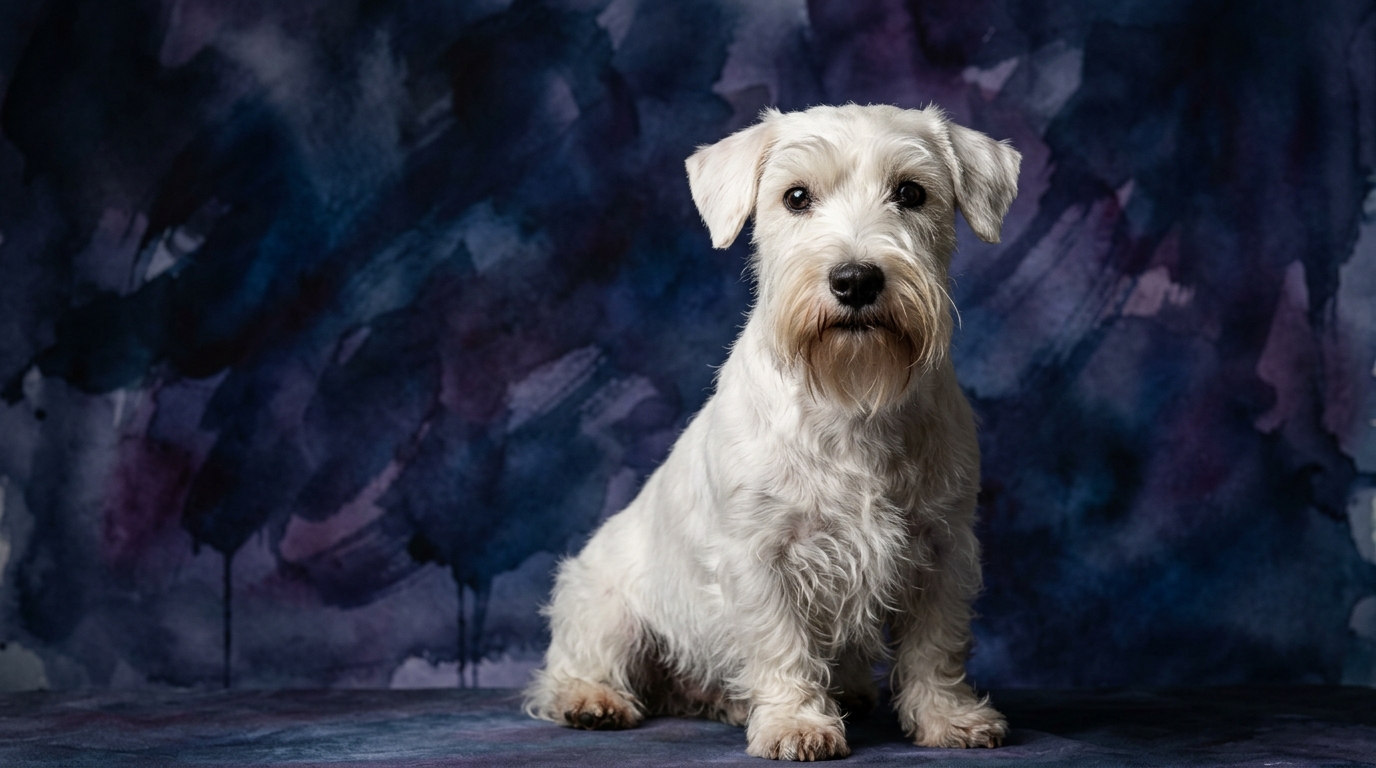
In contrast, the Sealyham Terrier, a terrier breed from Wales and not Coren-ranked, shows a more balanced, albeit different, cognitive structure. Its Problem Solving is rated 3/5, demonstrating practical resourcefulness rather than complex abstract reasoning. Training Speed is a moderate 3/5, indicating a willingness to learn, though typical terrier stubbornness can emerge. Like the Basenji, its Social Intelligence is 3/5, forming strong bonds within its family unit. Instinctive Drive is also 3/5, reflecting a manageable prey drive for vermin, and Memory is a solid 3/5, allowing for adequate retention of routines and commands. This balanced profile suggests a dog that is generally more amenable to human guidance.
Where the Basenji Cognitively Excels
The Basenji clearly outshines the Sealyham Terrier in specific cognitive domains. Its perfect 5/5 score in Problem Solving highlights an inherent superiority in independent thought and devising clever strategies to achieve desired outcomes, often without direct human instruction. This breed possesses an extraordinary ability to figure things out, whether it's opening a gate or accessing a treat. Furthermore, its Instinctive Drive is notably higher at 5/5 compared to the Sealyham's 3/5, making the Basenji a master of its natural hunting behaviors, exhibiting an intense focus on scent and chase. This powerful drive is a dominant force in its cognitive landscape. Lastly, the Basenji's Memory, rated at 4/5, is more robust, suggesting a superior recall of past experiences and learned associations, which they adeptly leverage for their own purposes, even if not always for compliance.
Where the Sealyham Terrier Cognitively Shines
The Sealyham Terrier demonstrates a distinct advantage in its adaptability to human guidance, particularly evident in its Training Speed, scoring 3/5 compared to the Basenji's challenging 1/5. This indicates a greater willingness and capacity to learn and retain human-initiated commands and routines more readily. While both breeds share a 3/5 in Social Intelligence, the Sealyham's overall cognitive profile, particularly its more balanced Instinctive Drive (3/5), often translates to a dog that is generally more amenable to human direction. This means they are less prone to being completely overwhelmed by independent, instinct-driven whims that can complicate training for Basenjis. Their moderate problem-solving (3/5) is paired with a greater inclination to work *with* their owner, rather than constantly attempting to outsmart them.
Training Aptitude: Basenji vs. Sealyham Terrier
When it comes to trainability, the Sealyham Terrier is undeniably more approachable than the Basenji. This difference stems directly from their respective 'Training Speed' scores: a 3/5 for the Sealyham versus a challenging 1/5 for the Basenji. Sealyhams, while possessing typical terrier tenacity, generally exhibit a greater desire to cooperate and a more manageable level of independent thought when it comes to learning commands. Their instinctive drive, while present, is less overpowering than the Basenji's, meaning they are less likely to be completely consumed by a scent or the urge to chase during a training session.
Basenjis, with their exceptional problem-solving (5/5) and powerful instinctive drive (5/5), coupled with a low training speed, often view training as a puzzle to be solved for their own benefit or an activity to be ignored if something more interesting arises. They require immense patience, creativity, and a deep understanding of their independent nature; what might be a quick lesson for a Sealyham could be an extended negotiation with a Basenji. Real behavioral differences include the Basenji's notorious tendency to 'selective deafness' when off-leash or engaged in a chase, a stark contrast to a Sealyham who, while potentially distracted, is often more responsive to recall and general obedience. Basenjis are not motivated by pleasing their owner in the same way many other breeds are, making positive reinforcement a nuanced art rather than a straightforward transaction.
Matching Breeds to Lifestyles: Active vs. Relaxed Owners
The Basenji is a better fit for active owners who appreciate a cognitive challenge and are prepared for a dog with a strong independent streak and significant energy. Their high instinctive drive (5/5) and problem-solving abilities (5/5) mean they thrive on engaging activities that stimulate both body and mind, such as lure coursing, agility, or extensive hikes where they can utilize their keen senses and explore. Owners must be comfortable with a dog that might not always follow directions perfectly and requires consistent, creative engagement to prevent boredom and potential destructive behaviors. A relaxed owner might find the Basenji's constant need for mental and physical stimulation, coupled with their training difficulty, overwhelming, potentially leading to frustration for both dog and owner.
The Sealyham Terrier, while still needing regular exercise, is more adaptable and can suit owners who enjoy activity but also appreciate periods of calm. Their moderate instinctive drive (3/5) and more agreeable training speed (3/5) mean they are content with daily walks, playtime in a secure yard, and brain games that don't require outsmarting their owner at every turn. They are sturdy, playful companions who enjoy being part of family activities but are also capable of settling down. While they aren't couch potatoes, their energy is generally more manageable than a Basenji's, making them a better choice for owners who prefer a more predictable and less cognitively demanding companion, allowing for a harmonious blend of activity and relaxation within the household.
The Verdict
Choose a Basenji if you are an experienced dog owner seeking a cognitively complex, independent companion who thrives on intellectual challenges and vigorous activity, and you are prepared for a significant training commitment.
Choose a Sealyham Terrier if you desire a sturdy, spirited, and more trainable terrier companion who enjoys activity but is also content with family life, offering a more balanced cognitive and behavioral profile.
🧠 Find Your Pet's IQ Score
Our Pet IQ Lab assessment covers 25+ tests across 5 cognitive dimensions — personalized to your breed.
Take the Full IQ Test →Frequently Asked Questions
Are Basenjis difficult to live with due to their independence?
Basenjis can be challenging due to their high problem-solving skills and low training speed, often leading to behaviors like counter-surfing or escaping if not mentally and physically stimulated. Their independent nature means they require a patient owner who appreciates their unique quirks and provides consistent, engaging enrichment.
What kind of activities do Sealyham Terriers enjoy most?
Sealyham Terriers enjoy activities that engage their moderate instinctive drive, such as digging in a designated area, playing fetch, or participating in earthdog trials. They also appreciate regular walks and interactive games with their family, benefiting from consistent mental engagement without being overly demanding.
How do their social intelligence ratings impact their interactions?
Both breeds have a 3/5 social intelligence rating, meaning they form strong family bonds but can be reserved with strangers. Basenjis might be more aloof, while Sealyhams, though potentially wary, are often more inclined to engage once comfortable, benefiting from early and consistent socialization to ensure polite interactions.