Side-by-Side IQ Profile
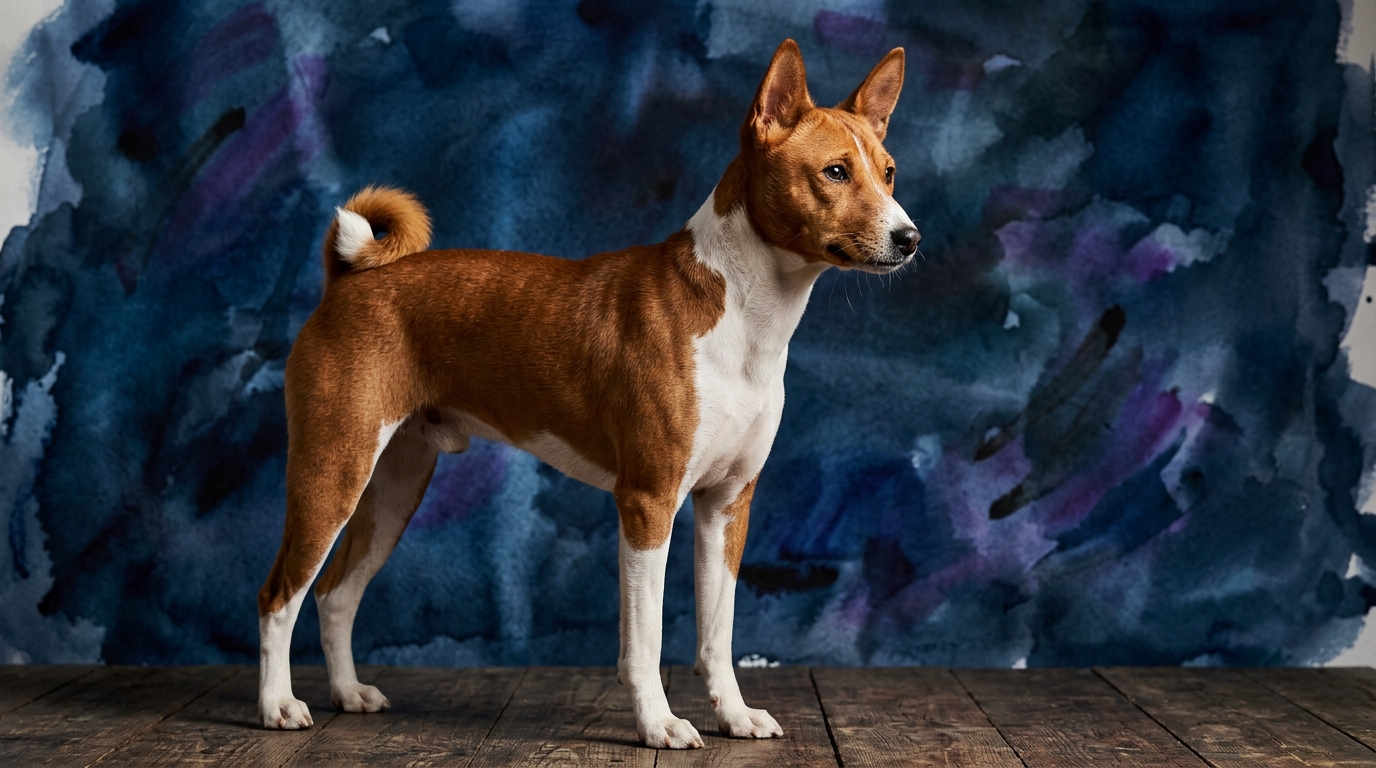
The Basenji, a hound breed, showcases a unique cognitive blueprint. Its problem-solving capacity is rated exceptionally high at 5/5, suggesting a breed adept at independent thought and finding novel solutions to obstacles. However, this independence translates to a training speed of just 1/5, indicating a significant challenge in traditional obedience. Social intelligence sits at a moderate 3/5, reflecting a selective nature in their interactions, while an intense instinctive drive scores a perfect 5/5, underpinning their hunting heritage. Their memory is strong, rated at 4/5, allowing them to recall complex sequences and experiences.
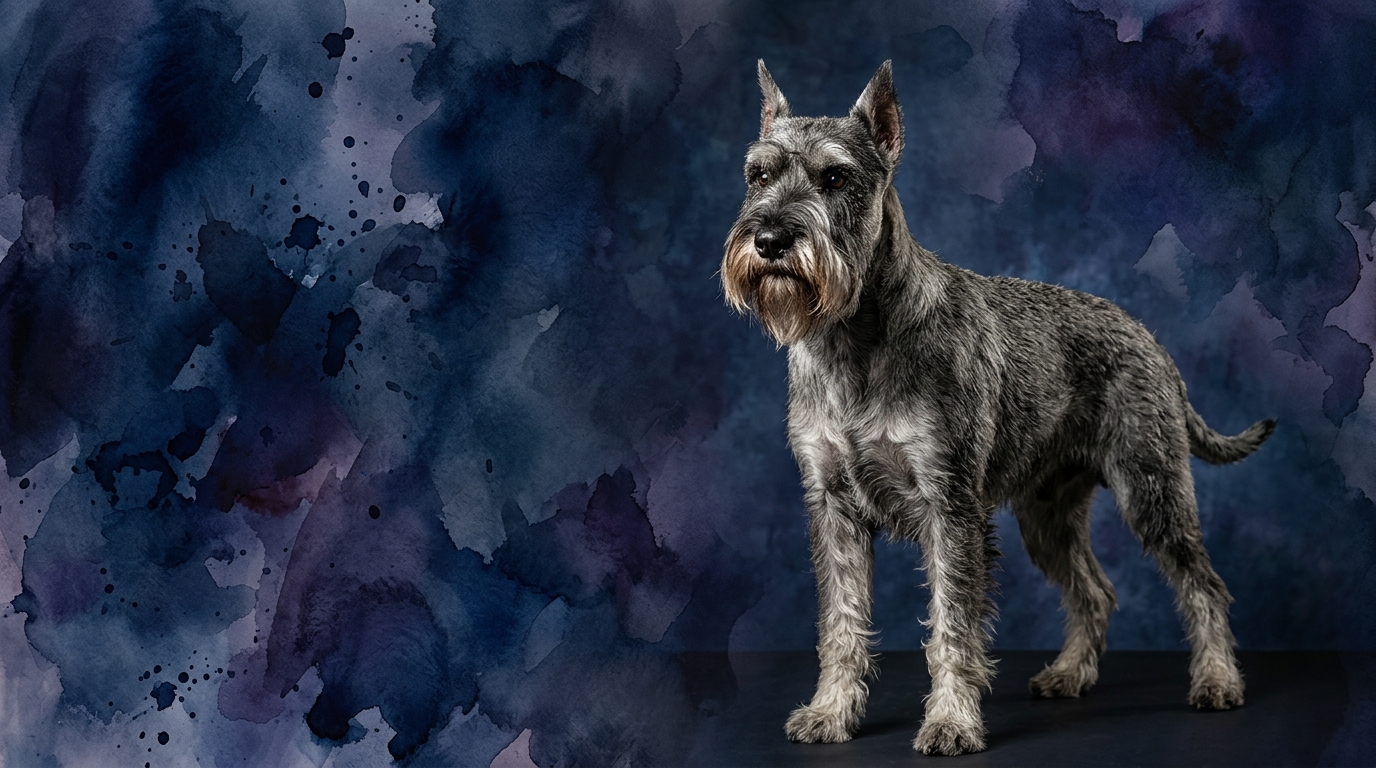
In contrast, the Standard Schnauzer, a working breed, presents a more balanced, cooperative cognitive profile. Its problem-solving ability is strong at 4/5, demonstrating solid analytical skills, though perhaps with less independent flair than the Basenji. Training speed is a robust 4/5, suggesting a breed eager to learn and respond to instruction. Social intelligence matches the Basenji at 3/5, indicating a watchful but capable social demeanor. Its instinctive drive is moderate at 3/5, present but more manageable than the Basenji's intense impulses. Like the Basenji, the Standard Schnauzer possesses a strong memory, also rated 4/5, aiding in their learning and retention of commands.
Where Basenji Wins Cognitively
The Basenji truly shines in its raw, unadulterated problem-solving prowess and potent instinctive drive, earning a perfect 5/5 in both categories. This breed demonstrates an unparalleled capacity for independent thought and action; a Basenji will meticulously analyze an enclosure not to follow a command, but to devise an escape route, often with remarkable success. This isn't about obedience; it's about strategic thinking to achieve its own goals, whether reaching a perceived treat or exploring new territory. Their powerful instinctive drive means they are acutely attuned to their environment, spotting movement or scents that might go unnoticed by others, and acting decisively on those impulses. Their cognitive strength lies in autonomously processing information and executing plans driven by deep-seated natural behaviors.
Where Standard Schnauzer Wins Cognitively
The Standard Schnauzer's cognitive strengths are rooted in its cooperative nature and impressive adaptability, particularly evident in its training speed (4/5). This breed learns new commands and routines with relative ease and enthusiasm, a stark contrast to the Basenji's independent streak. Their 4/5 problem-solving ability is applied differently; Schnauzers excel at solving problems *with* their handler, understanding cues and working collaboratively towards a solution rather than relying solely on independent ingenuity. Furthermore, their moderate instinctive drive (3/5) allows for focus and control, meaning their natural urges are less likely to override learned behaviors or human directives. This balance makes them more predictable and manageable, proving their cognitive win in areas requiring teamwork, consistency, and a strong work ethic.
Which is Easier to Train and Why
The Standard Schnauzer is unequivocally the easier breed to train, a fact highlighted by its 4/5 training speed compared to the Basenji's challenging 1/5. This significant disparity stems from fundamental behavioral differences. Standard Schnauzers possess a strong desire to please and a natural inclination towards cooperative work, making them receptive to instruction and eager to follow commands. Their moderate instinctive drive means they are less likely to be sidetracked, allowing for more focused training sessions. They thrive on consistent training and positive reinforcement. In contrast, the Basenji's exceptionally high problem-solving ability and intense instinctive drive often translate into a disinterest in human-directed tasks if they don't align with their own motivations. Their independence means they frequently question commands and may choose to ignore them for a more interesting alternative. Training a Basenji requires immense patience, creativity, and a deep understanding of their unique motivations, often feeling more like negotiation than instruction, despite their strong memory (4/5).
Which Suits Active Owners vs Relaxed Owners
The choice between these breeds largely depends on an owner's lifestyle and willingness to engage with their dog's specific cognitive demands. The Basenji, with its intense instinctive drive (5/5) and exceptional problem-solving skills (5/5), is best suited for highly active owners who can provide ample mental and physical stimulation. These owners should enjoy activities like lure coursing, scent work, or intricate puzzle games that challenge the Basenji's independent mind and satisfy its deep-seated urges. A relaxed owner might quickly find themselves overwhelmed by a Basenji's resourcefulness in seeking its own entertainment, manifesting as escaping or inventive mischief; they are not typically "lounge around" companions.
Conversely, the Standard Schnauzer, with its balanced instinctive drive (3/5) and cooperative training speed (4/5), is a more adaptable companion for both active and moderately relaxed owners. While they benefit from regular exercise and mental engagement, their willingness to work with their human and more manageable drives mean they are content with a wider range of activities. An active owner will appreciate their aptitude for dog sports and obedience, while a more relaxed owner can still enjoy their companionship through daily walks and consistent training, integrating smoothly into family life due to their strong memory (4/5) and social intelligence (3/5).
The Verdict
Choose a Basenji if you are an experienced, highly active individual who cherishes independent, clever problem-solvers and can meet their intense drive with creative mental and physical outlets, embracing the challenge of their unique training approach.
Opt for a Standard Schnauzer if you seek a cooperative, versatile companion for a wide array of activities, valuing a dog that learns readily, enjoys working alongside you, and offers a more predictable, yet equally engaging, partnership.
🧠 Find Your Pet's IQ Score
Our Pet IQ Lab assessment covers 25+ tests across 5 cognitive dimensions — personalized to your breed.
Take the Full IQ Test →Frequently Asked Questions
Do Basenjis bark?
Basenjis are often referred to as "barkless dogs," but they are not entirely silent; they produce a unique yodel-like sound called a "barroo," along with growls and whimpers. This distinctive vocalization is part of their unique communication style, stemming from their ancient heritage.
Are Standard Schnauzers good with children?
Standard Schnauzers can be good with children when properly socialized and raised together, often becoming protective and loyal family members. Their strong memory and social intelligence help them understand family dynamics, though supervision is always recommended with any dog and child interaction.
How much exercise does a Basenji need?
Due to their high instinctive drive and problem-solving nature, Basenjis require a significant amount of daily exercise and mental stimulation, typically at least one to two hours of vigorous activity, including walks, runs, or engaging play. Without sufficient outlets, they can become bored and resort to destructive behaviors.