Side-by-Side IQ Profile: Basenji vs. Swedish Vallhund
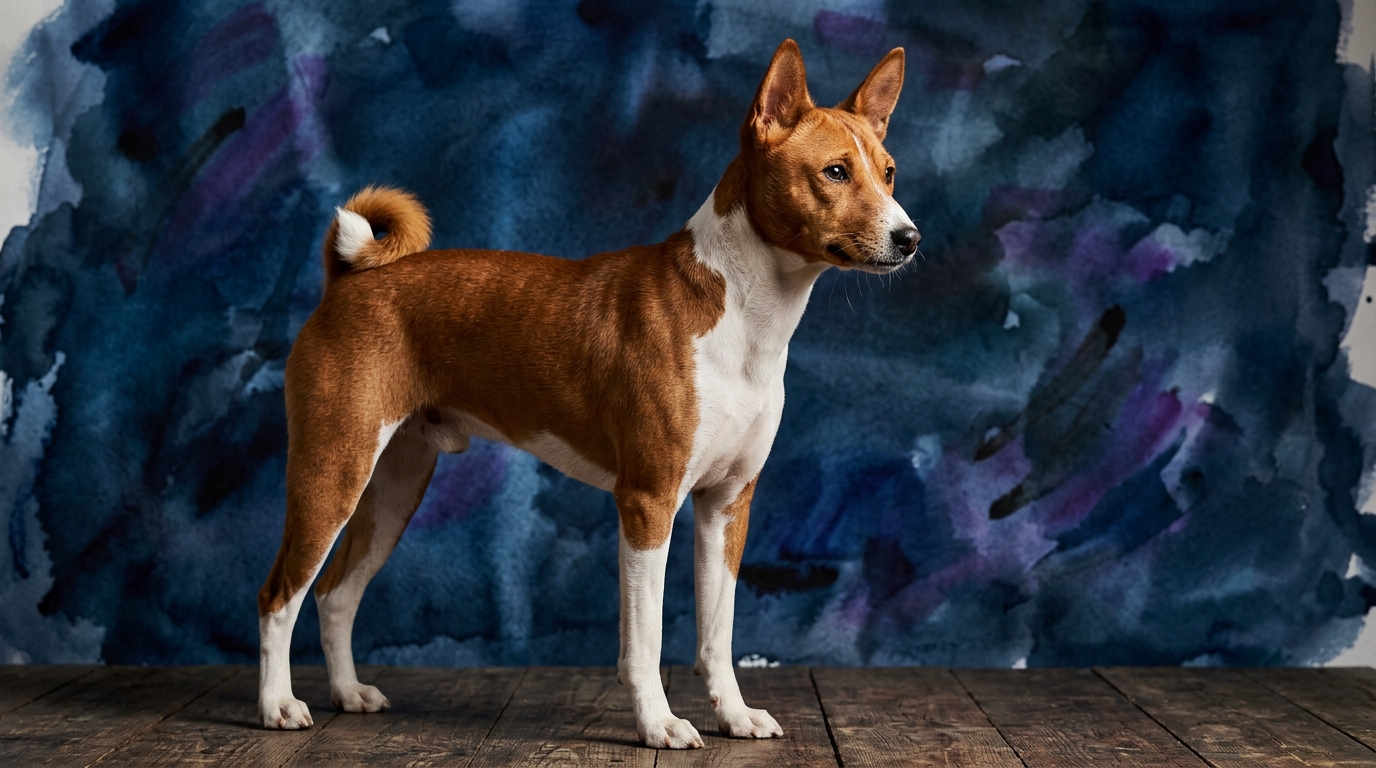
The Cosmic Pet Pet IQ Lab employs a five-dimensional framework to assess canine cognition, offering a granular view of each breed's mental architecture. For the Basenji, categorized as a Hound and ranked #78 by Coren for working and obedience intelligence, their profile highlights a unique blend of traits. They score an impressive 5/5 in Problem Solving, indicating a high capacity for independent thought and finding novel solutions. However, their Training Speed is a low 1/5, suggesting a strong disinterest in repetitive instruction or a preference for self-directed actions. Social Intelligence sits at 3/5, implying a moderate understanding of human social cues, while Instinctive Drive is a powerful 5/5, reflecting deep-seated natural behaviors. Their Memory is also strong at 4/5, enabling them to recall past experiences and learned strategies effectively.
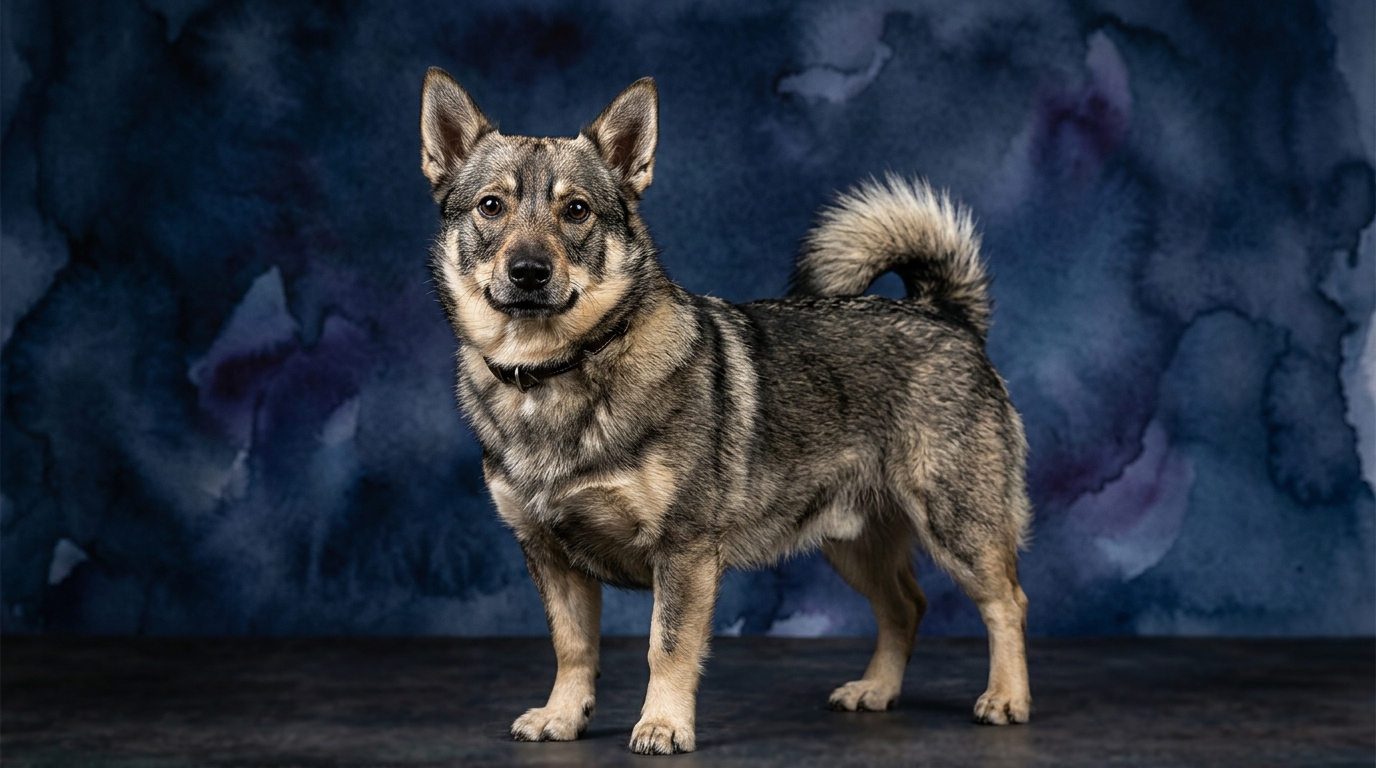
In contrast, the Swedish Vallhund, a Herding breed not typically included in Coren's rankings, presents a more balanced cognitive profile. Their Problem Solving is a solid 3/5, indicating an ability to navigate challenges, though perhaps not with the same independent flair as a Basenji. Crucially, their Training Speed is 3/5, demonstrating a more receptive and cooperative attitude towards learning commands. Social Intelligence also registers at 3/5, similar to the Basenji, suggesting they can interpret and respond to human interaction reasonably well. Instinctive Drive is 3/5, indicating a moderate expression of their herding and working predispositions, and their Memory is also a balanced 3/5, allowing for adequate retention of learned behaviors and routines.
Where the Basenji Wins Cognitively
The Basenji's cognitive strengths primarily lie in their exceptional Problem Solving and potent Instinctive Drive. A 5/5 in Problem Solving means these dogs are adept at figuring things out on their own, whether it's opening a 'childproof' gate or devising a strategy to access a coveted treat. This isn't about following commands; it's about independent, innovative thought. They are masters of creative circumvention, often finding solutions that bypass human-imposed rules. This mental agility makes them fascinating to observe, constantly assessing their environment for opportunities and challenges.
Their 5/5 Instinctive Drive further amplifies this independence. Originating as African hunting dogs, their instincts for pursuit, observation, and self-preservation are deeply ingrained and powerful. This drive can manifest as an intense prey drive, a strong territorial sense, or an unwavering determination to achieve a self-set goal. Coupled with a 4/5 Memory, a Basenji remembers what worked (or didn't) in previous attempts to achieve their objectives, quickly learning from experience to refine their independent strategies. This combination makes them formidable independent operators, often thinking several steps ahead of their human companions.
Where the Swedish Vallhund Wins Cognitively
The Swedish Vallhund's cognitive advantages are rooted in their cooperative spirit and moderate, well-rounded abilities, particularly shining in their Training Speed. With a 3/5 in Training Speed, they are significantly more amenable to instruction than the Basenji. This isn't merely about obedience; it's about a willingness to engage with human directives and find satisfaction in performing tasks alongside their people. Their moderate 3/5 Problem Solving means they can handle new situations and learn from them without the independent stubbornness that can characterize the Basenji.
Their balanced 3/5 Social Intelligence also plays a crucial role, allowing them to form strong, communicative bonds with their families. While the Basenji might process social cues, the Vallhund is often more inclined to act upon them in a cooperative manner, seeking to understand and respond to human intentions. This makes them more adaptable to various household dynamics and diverse training scenarios. Their 3/5 Instinctive Drive, while not as overwhelming as the Basenji's, is perfectly channeled for herding and working tasks, making them eager participants in activities like agility, obedience, or even farm work, where following direction is paramount.
Which is Easier to Train and Why
When it comes to ease of training, the Swedish Vallhund holds a distinct advantage over the Basenji, a difference primarily dictated by their respective Training Speed scores. The Vallhund’s 3/5 Training Speed indicates a dog that is generally eager to please and responsive to positive reinforcement. They typically enjoy learning new commands and routines, thriving on the interaction and mental stimulation training provides. Their herding background means they are accustomed to working in partnership with humans, making them naturally inclined to pay attention and follow instructions. A Vallhund often finds intrinsic reward in mastering a new skill or performing a task correctly, which accelerates the learning process.
In stark contrast, the Basenji’s 1/5 Training Speed presents significant challenges. Their high Problem Solving (5/5) is often directed towards their own agenda rather than human commands. They are independent thinkers who quickly become bored with repetition and may actively resist directives if they don't see the immediate benefit or if they have a more interesting self-appointed task. Training a Basenji requires immense patience, creativity, and a deep understanding of canine motivation, often relying on making commands seem like their idea or part of an engaging game. They are not prone to blind obedience; instead, they weigh the value of compliance against their own desires, leading to what many owners perceive as stubbornness or selective hearing.
Which Suits Active Owners vs. Relaxed Owners
For active owners seeking a cooperative partner in various pursuits, the Swedish Vallhund is often the more fitting choice. Their moderate instinctive drive and balanced energy levels make them excellent companions for activities such as agility, obedience trials, hiking, or even competitive herding. They enjoy having a job to do and thrive on mental and physical engagement that involves working alongside their owner. An active owner will appreciate the Vallhund's willingness to learn, their stamina for adventures, and their generally cheerful disposition, making them a versatile and enthusiastic participant in a dynamic lifestyle.
The Basenji, while possessing high instinctive drive, is better suited for experienced, active owners who appreciate independent thinkers and can channel their unique cognitive profile. Their problem-solving prowess and strong memory mean they require consistent mental stimulation, often in the form of puzzle toys, scent work, or unique training challenges that appeal to their inherent curiosity. However, their low training speed means they aren't ideal for owners looking for a dog to excel in traditional obedience or competitive sports that demand precise, repetitive commands. Owners who are relaxed about strict obedience but active in providing varied enrichment and managing strong, primal instincts will find a rewarding, if challenging, companion in the Basenji.
The Verdict
Choose a Basenji if you are an experienced owner who values an independent, problem-solving companion, prepared for a dog that consistently challenges conventional training methods and demands creative engagement. They are best for those who appreciate a unique, primal spirit and can manage strong, inherent drives with patience and humor.
Choose a Swedish Vallhund if you seek a cooperative, versatile partner for an active lifestyle, willing to engage in various dog sports and activities. They are ideal for owners who enjoy training and desire a biddable, balanced companion that integrates well into family life and thrives on partnership.
🧠 Find Your Pet's IQ Score
Our Pet IQ Lab assessment covers 25+ tests across 5 cognitive dimensions — personalized to your breed.
Take the Full IQ Test →Frequently Asked Questions
Are Basenjis difficult to live with due to their low training speed?
Basenjis can be challenging for inexperienced owners due to their low training speed and strong independent streak. Their high problem-solving abilities mean they often devise their own solutions, which may not align with human expectations, requiring consistent, creative management and a profound understanding of their unique motivations.
Do Swedish Vallhunds have a strong herding instinct?
Yes, Swedish Vallhunds possess a moderate herding instinct (3/5 Instinctive Drive) typical of their breed origins. While not as intense or all-consuming as some other herding breeds, it means they enjoy activities that mimic herding, like chasing toys or 'rounding up' family members, and benefit from outlets for this natural drive.
Which breed is better for a first-time dog owner?
For a first-time dog owner, the Swedish Vallhund is generally a more suitable choice due to their more balanced temperament, moderate training speed, and cooperative nature. Their willingness to learn and bond makes the training process more rewarding and less frustrating, offering a more forgiving introduction to dog ownership than the independent Basenji.