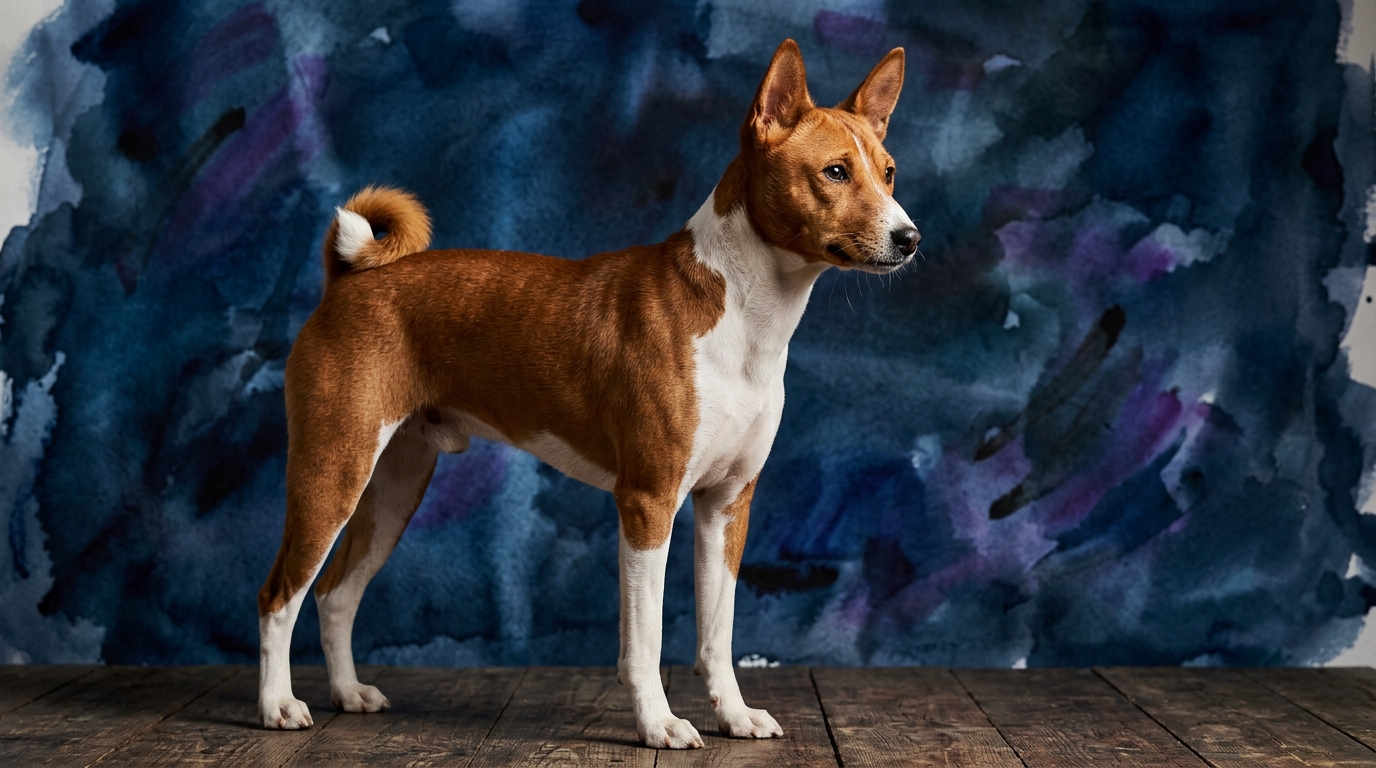
Basenji: The Resourceful Hunter – IQ Profile
Originating from central Africa, the Basenji is a breed that developed in close partnership with humans for hunting, yet retained a profound independence. Their cognitive profile reflects this heritage: Problem Solving (5/5): Basenjis exhibit exceptional capacity for independent thought and creative solutions, adept at figuring out complex environmental challenges, from opening latches to devising escape routes. Training Speed (1/5): This highlights a significant challenge; their inherent self-direction means they are slow to associate human commands with desired actions, preferring to act on their own impulses. Social Intelligence (3/5): Basenjis possess moderate social intelligence, forming deep, often exclusive bonds with family but can be reserved or aloof with strangers, observing social dynamics rather than actively seeking to please. Instinctive Drive (5/5): Their drive is profoundly strong, rooted in their sight hound ancestry, manifesting as an intense prey drive, a keen sense of observation, and a powerful urge to chase. Memory (4/5): Basenjis demonstrate good memory, recalling routines, past events, and specific individuals, learning from consequences both positive and negative.
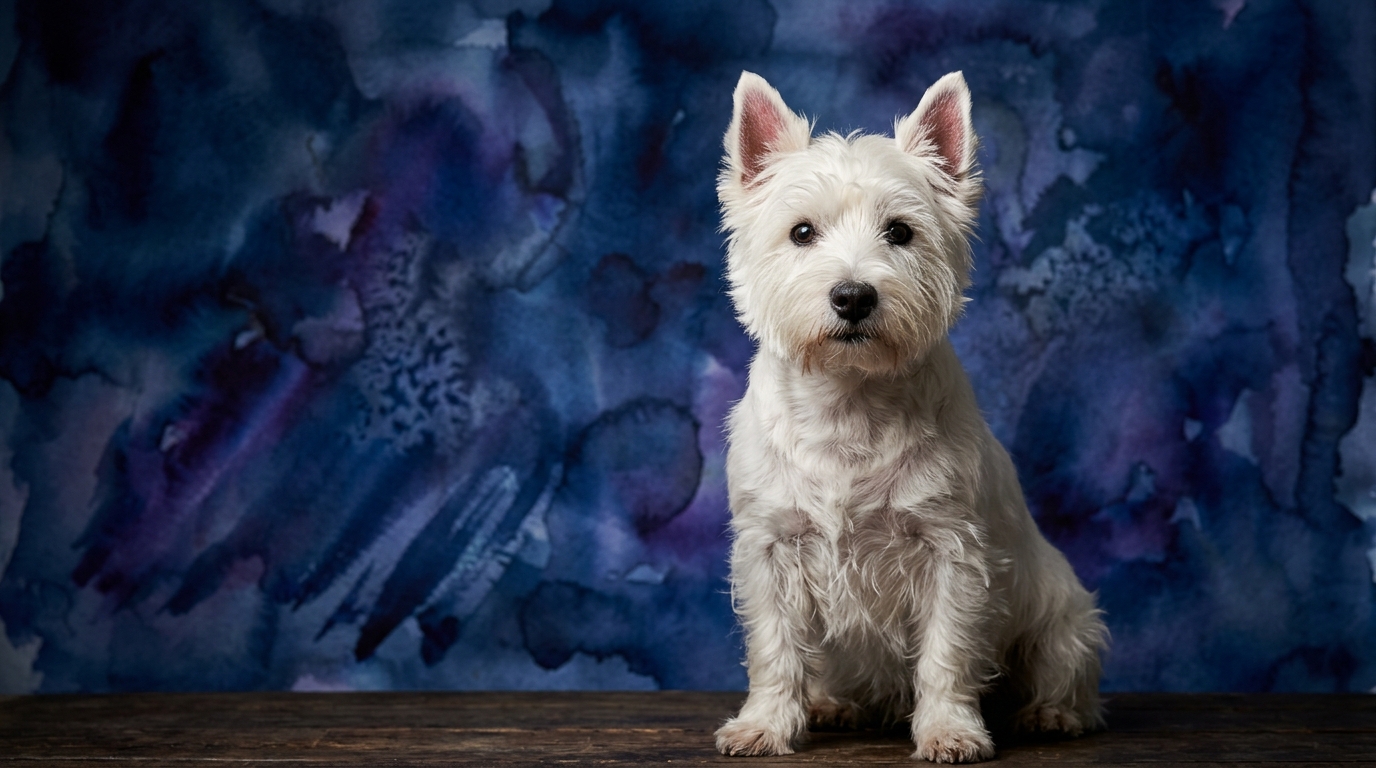
West Highland White Terrier: The Plucky Earthdog – IQ Profile
Hailing from the Scottish Highlands, the Westie was bred for tenacious vermin control, a purpose that shaped their spirited and determined cognitive makeup. Their Coren rank of #47 places them significantly higher in working and obedience intelligence than the Basenji. Problem Solving (3/5): Westies are competent problem-solvers, capable of navigating everyday challenges and learning to manipulate objects for desired outcomes, such as retrieving toys or solving basic puzzle feeders, with a more practical approach than the Basenji's inventive strategies. Training Speed (3/5): With a moderate training speed, Westies learn at an average pace; while they possess terrier determination, they are generally receptive to positive reinforcement and clear instruction. Social Intelligence (3/5): Westies also show moderate social intelligence, typically outgoing and friendly with their family, often engaging in playful interactions, though confident and sometimes a bit bossy with strangers. Instinctive Drive (3/5): Their instinctive drive, while present, is moderate compared to the Basenji, centered on their earthdog heritage, manifesting as a drive to dig, chase small rodents, and investigate interesting scents. Memory (4/5): Westies have good memory, remembering commands, familiar faces, and routines, and can be quite persistent in recalling past interactions.
Where Basenji Wins Cognitively
The Basenji's cognitive strengths undeniably lie in their exceptional Problem Solving (5/5) and intense Instinctive Drive (5/5). A Basenji's mind is a master of independent strategizing; they don't just solve problems, they invent solutions, which might involve complex maneuvers to bypass barriers or devise elaborate plans to access food or toys. Their sheer drive means they are incredibly focused on their environment, constantly processing visual and olfactory cues with an efficiency developed over millennia of hunting, making them deeply captivating to observe as they interact with the world on their own terms.
Where West Highland White Terrier Wins Cognitively
The West Highland White Terrier shines in areas that foster more harmonious cohabitation and structured learning, primarily their Training Speed (3/5). While not a top-tier performer, their moderate learning pace significantly surpasses the Basenji's 1/5, indicating a greater willingness and capacity to absorb and respond to human commands. This translates to a dog that is generally more reliable in obedience and adapts more readily to household rules. Their higher Coren rank of #47 further underscores their aptitude for working with humans, reflecting a practical intelligence geared towards understanding and executing tasks within a domestic setting.
Which is Easier to Train and Why
When it comes to ease of training, the West Highland White Terrier holds a distinct advantage. Their Training Speed (3/5) suggests a dog that is receptive to learning and more motivated by human approval and rewards, even with a touch of terrier stubbornness, typically enjoying training sessions and forming associations between commands and actions. Their Instinctive Drive (3/5) is less overwhelming, meaning they are less likely to be completely consumed by environmental distractions during a training session.
In stark contrast, the Basenji's Training Speed (1/5) makes them notoriously challenging. Their profound Problem Solving (5/5) often means they are busy figuring out how to outsmart their human or achieve their own agenda, rather than focusing on obedience. Their intense Instinctive Drive (5/5) for chasing and exploring means that any passing squirrel or intriguing scent can instantly override a command, demanding an extraordinary level of dedication and creativity from their trainer; Basenjis operate with a strong sense of self-interest, making conventional motivational techniques less effective than with a Westie.
Active Owners vs. Relaxed Owners
For active owners who relish a cognitive challenge and can provide extensive mental and physical outlets, the Basenji is a compelling match. Their incredibly high Instinctive Drive (5/5) requires consistent engagement through activities like lure coursing, scent work, or long, exploratory hikes in secure environments. Owners must be prepared to channel their exceptional Problem Solving (5/5) into constructive games and enrichment to prevent them from finding their own, potentially destructive, entertainment, thriving with individuals who appreciate a dog's independent spirit and are content with a companion who isn't always eager to please.
The West Highland White Terrier, with its balanced Instinctive Drive (3/5) and moderate Training Speed (3/5), is generally better suited for relaxed owners seeking a lively yet adaptable companion. While energetic and always up for a game or a walk, their needs are more easily met within a typical household routine, enjoying interactive play, puzzle toys, and regular strolls, but also content to curl up nearby. Their moderate Social Intelligence (3/5) means they integrate well into family life without demanding constant attention or exhibiting the profound independence of a Basenji, making them a more predictable and generally less demanding presence.
The Verdict
Opt for a Basenji if you are an experienced owner who embraces a dog's profound independence and intellectual resourcefulness, prepared to invest significant effort in creative training and consistent mental and physical enrichment for a truly unique companion.
Select a West Highland White Terrier if you desire a spirited, trainable, and affectionate companion who enjoys engagement and readily integrates into family life, offering a balance of playful energy and reliable companionship.
🧠 Find Your Pet's IQ Score
Our Pet IQ Lab assessment covers 25+ tests across 5 cognitive dimensions — personalized to your breed.
Take the Full IQ Test →Frequently Asked Questions
Is a Basenji difficult to train?
Yes, with a training speed rating of 1/5, Basenjis are considered very challenging to train due to their independent nature and high instinctive drives. They require immense patience, creativity, and consistency to learn commands reliably.
Do West Highland White Terriers have a strong prey drive?
Westies have a moderate instinctive drive (3/5), which includes a typical terrier prey drive for small vermin, often manifesting as digging or chasing small animals. This drive is generally more manageable than a Basenji's intense hunting instincts.
Which breed is better for first-time dog owners?
Given their moderate training speed and more adaptable social intelligence, a West Highland White Terrier is generally a more suitable choice for first-time dog owners. Basenjis, with their significant training challenges and independent problem-solving, often require experienced handlers.