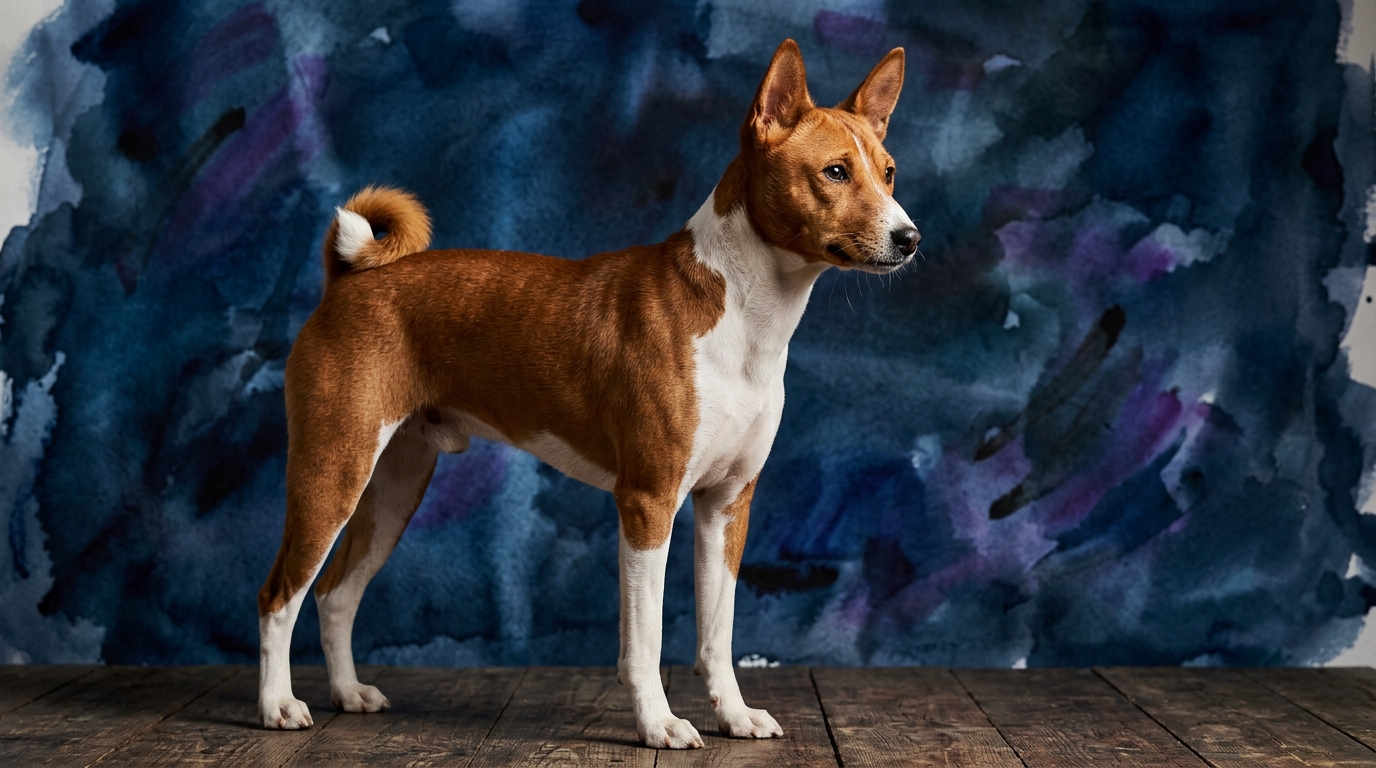
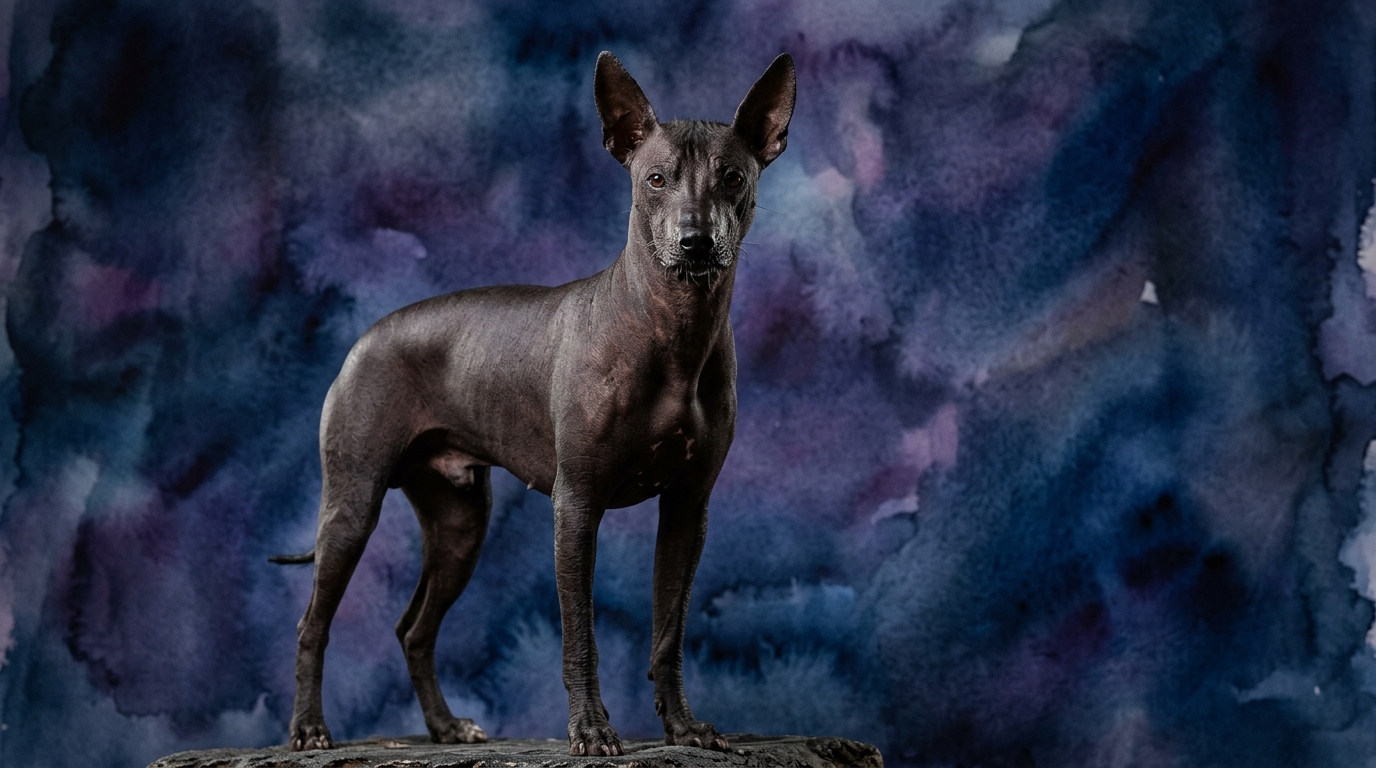
Side-by-Side Cognitive Profiles
The Basenji, a sighthound from central Africa, presents a cognitive makeup honed for independent survival and hunting. Their Problem Solving is rated 5/5, reflecting exceptional ingenuity in navigating obstacles and achieving goals, often through self-directed means. Training Speed, however, stands at a challenging 1/5, indicating a strong independent streak and a low motivation to comply with human directives purely for pleasure. Social Intelligence is 3/5, as they can be reserved but form deep bonds, while their Instinctive Drive is a powerful 5/5, manifesting as intense prey drive and environmental awareness. Their Memory is a robust 4/5, allowing them to recall complex routes and past experiences with precision.
In contrast, the Xoloitzcuintli, an ancient Mexican breed, offers a more balanced cognitive profile, reflecting its role as a companion and guardian. Their Problem Solving is 3/5, demonstrating competence in learning routines and solving moderate challenges without the Basenji’s independent strategizing. Training Speed is also 3/5, suggesting a moderate responsiveness to consistent training efforts. Social Intelligence is 3/5, characterized by deep loyalty to family while remaining reserved with strangers. Instinctive Drive is a moderate 3/5, with protective instincts rather than an overwhelming prey drive. Their Memory is rated 3/5, indicating good retention of learned behaviors and family connections.
Where the Basenji Excels Cognitively
The Basenji's cognitive prowess shines in areas demanding independent thought and environmental mastery. Their 5/5 rating in Problem Solving isn't about obedience, but about their ingenuity in navigating their surroundings, whether it involves figuring out how to open a gate or devising an escape route from a perceived confinement. This cognitive strength, rooted in their sighthound heritage, makes them incredibly resourceful, often to their owners' amusement and occasional frustration.
Furthermore, their Instinctive Drive is unparalleled at 5/5. This translates to an acute awareness of their surroundings, a sharp instinct for tracking, and an impressive ability to detect subtle changes in their environment. While this can manifest as a powerful prey drive, it also signifies a highly attentive and perceptive mind, constantly processing sensory input and reacting with speed and precision, making them exceptional at activities like lure coursing.
Where the Xoloitzcuintli Stands Out Cognitively
The Xoloitzcuintli’s cognitive strengths are particularly evident in areas that foster a more harmonious partnership with humans, especially in their receptiveness to learning. While not scoring a perfect five, their Training Speed of 3/5 significantly outpaces the Basenji's 1/5, indicating a greater willingness and capacity to learn and comply with human directives. This isn't just about raw processing power, but about their social contract with their family.
This breed often displays a more straightforward approach to learning and retaining commands, making them more amenable to structured training sessions. Their Social Intelligence, while rated similarly to the Basenji, often manifests as a deep, unwavering loyalty and a desire to be near their chosen people, which can be leveraged in positive reinforcement training methods to build strong behavioral patterns and a cooperative attitude.
Training Dynamics: Basenji vs. Xoloitzcuintli
When it comes to ease of training, the Xoloitzcuintli clearly holds an advantage over the Basenji. The Xolo’s moderate training speed (3/5) indicates a dog that, with consistent positive reinforcement and clear communication, will generally learn and retain commands. Their intrinsic desire to be a close companion often translates into a cooperative spirit during training sessions, making them more receptive to guidance and eager to please their family.
In stark contrast, the Basenji's 1/5 training speed is a testament to their independent nature. Their high problem-solving prowess and strong instinctive drive often mean they'd rather devise their own entertainment or pursue a captivating scent than follow a human command. Training a Basenji requires immense patience, creativity, and a deep understanding of their unique motivations, as they rarely perform just to please, often needing a compelling reason or reward.
Suitability for Active vs. Relaxed Owners
For active owners seeking a canine partner for adventures and mental challenges, the Basenji's intense instinctive drive and high problem-solving capacity make them an intriguing match. They thrive on activities that engage their keen senses and independent thinking, such as lure coursing, tracking, or complex puzzle toys that challenge their ingenuity. However, this activity must be channeled constructively, as their boundless energy and inventiveness can quickly turn to destructive behaviors if under-stimulated.
Relaxed owners, or those seeking a devoted, calmer presence, might find the Xoloitzcuintli a more fitting companion. While they appreciate regular exercise to maintain their physical health, their moderate instinctive drive and social intelligence often lead to a more settled demeanor indoors. They are content to be close to their family, often preferring quiet companionship over constant high-octane activity, making them suitable for households that appreciate a loyal, less demanding presence after their daily walks and playtime.
The Verdict
Choose the Basenji if you are an experienced, patient owner who relishes a cognitive challenge, understands independent hounds, and can channel their immense problem-solving skills and instinctive drive into engaging activities.
Opt for the Xoloitzcuintli if you seek a loyal, devoted companion who is moderately trainable and thrives on close companionship, offering a more balanced energy level and a less demanding cognitive partnership.
🧠 Find Your Pet's IQ Score
Our Pet IQ Lab assessment covers 25+ tests across 5 cognitive dimensions — personalized to your breed.
Take the Full IQ Test →Frequently Asked Questions
Do Basenjis bark?
Basenjis are often called "barkless dogs" because they don't produce a typical bark. Instead, they make a unique yodel-like sound, often called a "barroo," along with growls and whimpers, which is a distinctive vocalization for the breed.
Are Xoloitzcuintlis good with children?
Xoloitzcuintlis can be excellent family dogs and are generally good with children, especially if raised with them. Their loyalty and protective nature mean they often form deep bonds, but proper socialization and supervision are always recommended with any breed around kids.
How much exercise do Basenjis need?
Basenjis require a significant amount of daily exercise to satisfy their high instinctive drive and energy levels. This includes vigorous walks, runs, or secure off-leash play, as their high prey drive necessitates a fenced area or leash for safety.